I am a film lover, animation geek of everything from Disney to DreamWorks, lover of the Pokemon Anime and a avid fan of Rayman, Spyro, Kingdom Hearts, Star Wars, DC and Marvel Studios I am a film lover, animation geek of everything from Disney to DreamWorks, lover of the Pokemon Anime and a avid fan of Rayman, Spyro, Kingdom Hearts, Star Wars, DC and Marvel Studios. Home to over a thousand film reviews!
81. Big Hero 6 (2014) (Winner of 2014 Best Animated Feature Award)
Directed by: Don Hall and Chris Williams
Written by: Jordan Roberts, Robert L. Baird and Daniel Gerson
Starring: Ryan Potter, Scott Adsit, Daniel Henney, T.J. Miller, Jamie Chung, Damon Waynes Jr., Genesis Rodriguez, James Cromwell, Maya Rudolph and Alan Tudyk
Music by: Henry Jackman
Rated: PG
In a universe where the cities of San Francisco and Tokyo have merged together to “San Fransokyo”, Hiro Harmada (Ryan Potter) decides to give up bot-fighting and invent something to win a place at his brother Tadashi’s (Daniel Henney) science university. However, after he wins the competition with “Microbots”, Tadashi ends up dying in a fire. When Hiro learns that the tragedy might not have been an accident, he teams up with his brother’s classmates and even Tadashi’s own project, a personal healthcare robot named Baymax (Scott Adsit), to become superheroes and find out what really happened..
Despite being the first (very loose) Marvel adaptation for Walt Disney Animation Studios, the superhero aspect in Big Hero 6 suprisingly feels like an afterthought in this adorable story about coping with loss. Although many films like The Iron Giant have done this type of story to death, Baymax’s unique personality and his overall goal to try and cure Hiro of his depression due to his programming, makes him one of the most heartwarming Disney characters in a long time.
Although the villain’s identity is extremely easy to guess and the other characters such as the neat-freak Wasabi (Damon Waynes Jr.), the nerdy Fred (T.J. Miller) and the badass Gogo Tomago (Jamie Chung) don’t get enough character development, this great film shines the best in its impressive world-building with the combined city of San Fransokyo and the impressive gadgets on display here.
Overall, Big Hero 6 might not have been the epic superhero debut for Walt Disney Animation Studios in the way that The Incredibles did for Pixar a decade before, but the creative worldbuilding, the heartwarming story and Baymax’s adorable nature has helped in making this one of the Disney Revival era’s better films.
Rating: 4/5
80. I Lost My Body (2019)
Directed by: Jérémy Clapin
Written by: Jérémy Clapin and Guillaume Laurant
Starring: Hakim Faris/ Dev Patel, Victoire Du Bois/ Alia Shawkat and Patrick d’Assumçao/ George Wednt
Music by: Dan Levy
Rated: 12A
Shortly after getting severed in a freak accident, a living hand embarks on a journey to find its human, a pizza-delivery man named Naoufel (Hakim Faris and Dev Patel) who, through a series of flashbacks, tries to impress Gabrielle (Victoire Du Bois and Alia Shawkat), a librarian,while he struggles with his own life…
Out of all of the countries that have contributed towards animation history, France, along with Germany has provided the most important contributions towards the medium such as the invention of the praxinoscope and early pioneers such as Émile Cohl and Ladislas Starevich are notable for the likes of Fantasmagorie and The Tale of the Fox, which predated Snow White and the Seven Dwarfs by several years, in terms of feature-length animated films.
This latest example of French Animation, I Lost My Body, working in the foot (or hand) prints of The Triplets of Belleville and The Illusionist, is an emotional visual experience that cleverly uses the perspective of a severed hand in order to create beautiful sequences, while also maintaining its own quirky sense of humour throughout the hand’s numerous escapades.
Although the over-reliance of rotoscoped animation has not aged well in terms of character design , I Lost My Body is still an emotionally powerful film that showcases the strength of independent cinema.
Rating: 4/5
79. Onward (2020)
Directed by: Dan Scanlon
Written by: Dan Scanlon, Jason Headley and Keith Bunin
Starring: Tom Holland, Chris Pratt, Julia Louis-Dreyfus and Octavia Spencer.
Music by: Mychael and Jeff Danna
Rated: U
In a universe in which fantasy creatures such as trolls, gnomes, fauns and centaurs abandoned the use of magic in favour of modern technology, two elf brothers named Ian (Tom Holland) and Barley Lightfoot (Chris Pratt), inherit a magical staff belonging to their late father, Wilden (Kyle Bornheimer). Using a spell intending to bring him back for twenty-four hours, Ian messes it up by only bringing back his legs. Now Ian and Barley must embark on an epic quest to find a Phoenix Gem, the crucial ingredient for fixing the spell…
As Pixar Animation Studios enters a new era without the disgraced animation pioneer, John Lasseter, the first of two films that was set to come out in 2020 has a lot to prove to see if the studio that brought toys to life, looked into the working lives of monsters under the bed and took audiences on epic journeys from the skies of South America to the depths of the ocean, can survive without his involvement.
Dan Scanlon, fresh off his over-hated directorial debut with 2013’s Monsters University, brings back the originality and clever world-building that made people love Pixar during their 2000s heyday. While the concept of fantasy creatures living in a modern day environment has been done before with Netflix’s Bright and several animated shows, the jokes revolving around deconstructing fantasy stereotypes actually work in the story’s message about finding magic in everyday life.
Although the roadtrip plot doesn’t break any new grounds in terms of narrative risks, the characters of Ian and Barley are extremely likeable and Chris Pratt and Tom Holland have excellent chemistry together, while the subplot revolving around their mother (Julia Louis-Dreyfus) teaming up with a friendly Manticore (Octavia Spencer), also has its fair share of fun as well.
Overall, Onward may not be the best animated film out there, but the worldbuilding, fun characters and the heartwarming story is why Pixar can still make an impact, even as they, like Ian and Barley themselves, are prepared to move “Onward” to continue their quest for animation success!
Rating: 4/5
78. Isle of Dogs (2018)
Directed by: Wes Anderson
Written by: Wes Anderson
Starring: Bryan Cranston, Koyu Rankin, Edward Norton, Liev Schreiber, Bill Murray, Bob Balaban, Jeff Goldblum, Scarlett Johansson, Kunichi Nomura, Tilda Swinton, Ken Watanabe, Akira Ito, Greta Gerwig, Akira Takayama, Frances McDormand, F. Murray Abraham, Yojiro Noda, Fisher Stevens, Mari Natsuki,Nijiro Murakami, Yoko Ono, Harvey Keitel, Frank Wood and Courtney B. Vance
Music by: Alexandre Desplat
Rated: PG
As a result of an outbreak of dog-flu, the cat-loving Mayor of Megasaki City (Kunichi Nomura) exiles all of the city’s dogs to Trash Island, a wasteland polluted by smog and litter. However, his 12-year old nephew Atari (Koyu Rankin), is heartbroken to have been forced to part with his beloved friend Spots (Liev Schreiber), and builds a plane to fly to the island. When he crashes there, he ends up meeting Chief (Bryan Cranston), Rex (Edward Norton), King (Bob Balaban), Boss (Bill Murray) and Duke (Jeff Goldblum), five dogs who agree to help him find Spots and to find out the truth about Megasaki’s dog-hating craze….
Paying tribute to the films of Akria Kurosawa in its sweeping cinematography and Japanese backgrounds, Wes Anderson’s second animated film after his excellent 2009 adaptation of Roald Dahl’s Fantastic Mr. Fox, is one of the most visually stunning films out there, even when compared to Anderson’s other films, with several shots of Akira and the dogs walking across the wastelands looking as stunning as a David Lean film.
This film manages to deliver in both Wes’s deadpan humour, especially in the visual gags alone and his skill at creating a large amount of quirky and memorable characters that his fans have come to expect from his filmography is still present with the likes of Tilda Swinton, F. Murray Abraham and Scarlett Johansson all getting a chance to make their character’s memorable despite not having much screen-time. Isle of Dogs is more akin to something like Watership Down or The Snowman in how the relationship between humans and dogs is developed, especially in the character development of Chief and the conflicts he has with his friends due to him being a stray who never went through the traumatic experience of the other dogs being forcibly separated from their humans.
As with Fantastic Mr. Fox, the use of stop-motion is breath-taking as like that film, everything from the character animation to the smoke and even the water is so beautifully animated, one could even argue that it even rivals the anime genre with how interesting Japan looks in this film. However, some of the cultural appropriation criticisms are valid, even if the film was supposed to be about the dogs, and the entire subplot regarding the character of American exchange student, Tracy Walker (Greta Gerwig), could have been cut entirely.
Overall, Isle of Dogs is a true testament to the possibilities of animation and is one of the best Wes Anderson films out there that will be worth watching as a double-bill with Fantastic Mr. Fox. Apart from some questionable aspects, Kurosawa would be proud of this achievement, Anderson-san.
Rating: 4/5
77. Anomalisa (2015)
Directed by: Charlie Kaufman and Duke Johnson
Written by: Charlie Kaufman
Starring: David Thewlis, Jennifer Jason Leigh and Tom Noonan
Music by: Carter Burwell
Rated: 15
Set in the mid 2000s, a depressed customer service agent and motivational speaker named Michael Stone (David Thewlis), sees everyone around him with the same face and voice (Tom Noonan), hating how he cannot see anything unique about people. When attending his book promotion in Cincinnati, he suddenly finds a unique voice in the form of Lisa (Jennifer Jason Leigh), an insecure young woman, who he dubs “Anomalisa”, but he struggles to overcome his perspective on the world…
Some may feel that this story’s photorealistic stop-motion was unnecessary for this type of film apart from one dream sequence, as the puppets are so realistic that one wonders whether directors Charlie Kaufman and Duke Johnson should have just done this in live-action. However, Anomalisa, based on Kaufman’s short play, is still an incredibly interesting and emotional experience for being one of the first Best Animated Feature nominees to be R-Rated, along with 2011’s Chico and Rita.
Being incredibly honest about relationship toxicity and how depression can effect a person’s view on the world, Anomalisa uses its story to showcase the complexities of Fregoli delusion, which is made more impressive at how serious it takes this subject matter, in spite of Tom Noonan’s voice popping out of every supporting character.
Overall, even though the puppets can look unintentionally creepy at times, Anomalisa is still a powerful experience that shows off Charlie Kaufman’s ability to tell great stories about emotionally mature and complex narratives in his filmography.
Rating: 4/5
76. The Triplets of Belleville/ Belleville Rendez-vous (2003)
Directed by: Sylvain Chomet
Written by: Sylvain Chomet
Starring: Monica Viegas, Béatrice Bonifassi, Lina Boudreault and Michel Robin
Music by: Ben Charest
Rated: 12
Madame Souza (Monica Viegas) is an elderly woman who trains her grandson, Champion (Michel Robin), to become the best cyclist in France. When Champion is kidnapped by the French Mafia during the Tour de France, Souza, along with her obese dog, Bruno, follow them to America. Now, Souza must rely on the help of the Triplets of Belleville, a group of retired entertainers and singers, if she ever hopes to save her grandson…
Being the first independent film to have been nominated for Best Animated Feature at the Academy Awards, as well as the feature directorial debut of Sylvain Chomet, who would go on to higher success with European animation, The Triplets of Belleville is a charming and funny experience.
Being almost completely muted on spoken dialogue, the character animation and use of pantomime is what makes this film so lovable. While the CGI and some of the close-up human designs leave a lot to be desired, the antics of these four elderly women are really funny and creative.
Overall, The Triplets of Belleville is worth watching if one is looking for a great example of European animation, as well as for anyone looking for some light-hearted fun.
Rating: 4/5
75. Arco (2025)
Directed by: Ugo Bienvenu
Written by: Ugo Beinvenu and Félix de Givry
Starring: Oscar Tresanini/ Juliano Krue Valdi, Margot Ringard Oldra/ Romy Fay, Swann Arlaud/ Mark Ruffalo, Alma Jodorowsky/ Natalie Portman, Vincent Macaigne/ Will Ferrell, Louis Garrel/ Andy Samberg and William Lebghil/ Flea
Music by: Arnaud Toulon
Rated: PG
In the future of 2075, humans protect their homes from environmental damage with retractable bio-domes and rely on the help of robots to help them with daily tasks. A young girl named Iris (Margot Ringard Oldra/ Romy Fay), soon meets a boy in a rainbow cloak named Arco Dorell (Oscar Tresanini/ Juliano Krue Valdi), that tells her that he is from the even further future of 2932, where he and his family live in the clouds and use their cloaks to fly and travel through time. As Iris and Arco grow closer,with the help of Iris’s family robot, Mikki (Ugo Bienvenu/ Mark Ruffalo and Natalie Portman), they soon set out to get Arco back home, while a group of eccentric brothers named Dougie (Vincent Macaigne/ Will Ferrell), Stewie (Louis Garrel/ Andy Samberg) and Frankie (William Lebghil/ Flea), pursue them with their own knowledge about Arco’s family…
The second independent European animated film nominated for Best Animated Feature at the 2026 Academy Awards, much like Little Amélie or the Character of Rain, is another film that is designed to replicate Japanese anime cinema, along with being a new take on the E.T story, as shown in the titular character’s motivations.
However, for his first time directing, Ugo Bienvenu does a fantastic job in making the world of Arco, so interesting and unique, with the biodomes of 2075 and the sky villages of 2932, looking as stunning as something from Studio Ghibli. While some of the English dubbing, especially from Will Ferrell and Andy Samberg as several comic relief antagonists can get very distracting, Arco shines the best in its friendship story between Arco and Iris, even if the character design is very stiff for a film like this. However, the best elements come from the robot characters, with the robot butler, Mikki in particular, getting some of the best moments from his dedication towards Iris and her family, and is a rare example of the dubbed voice-acting being better than the original version, with the voices of Mark Ruffalo and Natalie Portman (who also voice Iris’s parents), being used to give this robot, much more hidden depths.
Overall, despite the character designs of the humans not looking great and needing a better build up to an unexpectedly emotional twist in the ending, Arco is a very beautiful looking film, with interesting worldbuilding of the consequences of the future and a very sweet friendship story between two children from different times.
Rating: 4/5
74. The Secret of Kells (2009)
Directed by: Tomm Moore and Nora Twomey
Written by: Fabrice Ziolkowski
Starring: Evan McGuire, Brendan Gleeson, Christen Mooney, Mick Lally, Michael McGrath, Liam Hourican, Paul Tylak and Paul Young
Music by: Bruno Coulais and Kila
Rated: PG
Set in 9th century Ireland, Brendan (Evan McGuire) is a young monk who is constantly getting into trouble with his strict uncle, Abbot Cellach (Brendan Gleeson). When the famous monk, Brother Aiden (Mick Lally), arrives at the Abbey of Kells to warn the monks of Viking invasion, he forms a friendship with Brendan and asks him to help him finish his greatest creation, the Book of Kells. Together with a mischievous forest fairy named Aisling (Christen Mooney), Brendan must venture beyond the abbey and learn about Irish mythology if he ever hopes to accomplish his task…
The debut feature of Irish Animation Studio, Cartoon Saloon, which is also the first instalment in an unofficial trilogy that celebrates the country’s folklore and culture, is fantastic just on visuals alone. While a bit short and slightly slow paced when compared to the other two films in this series, The Secret of Kells is still one of the best debut features for any new animation studio.
Both Brendan and Aisling are adorable protagonists, the worldbuilding around this fictional version of the creation of the Book of Kells is filled with respect for Irish mythology, and as mentioned before, the animation is absolutely stunning, with the Ghibli, Richard Williams and Disney influences making this version of medieval Ireland, absolutely beautiful and mysterious.
Overall, The Secret of Kells is an epic and beautiful experience, even if Cartoon Saloon’s later films are slightly better.
Rating: 4/5
73. Mirai (2018)
Directed by: Mamoru Hosoda
Written by: Mamoru Hosoda
Starring: Moka Kamishiraishi/ Jaden Waldman, Haru Kuroki/ Victoria Grace, Gen Hoshino/ John Cho, Kumiko Aso/ Rebecca Hall, Mitsuo Yoshihara/ Crispin Freeman, Yoshiko Miyazaki/ Eileen T’Kaye, Kōji Hashimoto/ Victor Brandt and Masaharu Fukuyama/ Daniel Dae Kim
Music by: Masakatsu Takagi
Rated: PG
Kun Ota (Moka Kamishiraishi and Jaden Waldman) is a four year old boy living a happy life with his parents and dog, until a new baby sister, Mirai, arrives. With his life suddenly changing, Kun finds himself prone to temper tantrums. However, unlike most toddlers of his age, every time Kun gets upset about something, he ends up going on life changing adventures with alternate and future versions of his family, including a human version of his dog, Yukko (Mitsuo Yoshihara and Crispin Freeman), a younger variant of his mother (Kumiko Aso and Rebecca Hall), and most importantly, a teenage version of Mirai (Haru Kuroki and Victoria Grace), who tries to teach him life lessons about growing up…
As of 2024, Mirai is the only non-Studio Ghibli anime film to ever be nominated for Best Animated Feature, as well as the first nomination for a long deserving new face of Japanese Animation, Mamoru Hosoda. The likes of The Girl Who Leapt Through Time, Summer Wars and the outstanding Wolf Children all deserved to have gotten more recognition in their years, and while this is not his best film, Mirai still keeps the love of genuine human relationships that fans have loved about his work.
While the animation is absolutely stunning, especially in Kun’s adventures with the alternative reality and past and future versions of his family, the main narrative feels like a collection of shorts for a miniseries, rather than a full length narrative about coming of age. Also, while his behaviour is realistic in four year olds, Kun’s angry tantrums can be incredibly annoying for some people who aren’t prepared for it, even when he learns lessons. However, as expected from Hosada, the ending is so heartwarming that it makes the experience worth it.
Overall, while Hosada’s long wait for an Oscar nomination ended by going to one of his lesser works, Mirai is still a cute and visually stunning little adventure that pays tribute to the legacy of family bonds and love.
Rating: 4/5
72. The Sea Beast (2022)
Directed by: Chris Williams
Written by: Chris Williams and Nell Benjamin
Starring: Karl Urban, Zaris-Angel Hator, Jared Harris, Marianne Jean-Baptiste, Kathy Burke, Jim Carter, Doon Mackichan and Dan Stevens
Music by: Mark Mancina
Rated: PG
Set in a time in which sailors and sea captains worldwide fought against sea monsters, the greatest of all of these is the crew of The Inevitable, led by Captain Crow (Jared Harris), his loyal first mate Sarah Sharpe (Marianne Jean-Baptiste) and his adopted son, the brave sailor Jacob Holland (Karl Urban). When on a mission to win a bet from the King (Jim Carter) and Queen (Doon Mackichan) to capture the Red Bluster, the greatest sea monster of all, a series of events lead to Jacob being stranded on an island along with his biggest fan, an orphaned girl named Maisie (Zaris-Angel Hator). The only hope of survival, is for Jacob and Maisie to bond with the Red Bluster itself, or Red as Maisie names it, in order to get back home…
Despite having a string of bad luck regarding layoffs, film cancellations and shady studio politics in the last few months, it is not wise to completely give up on Netflix Animation yet, as movies like Klaus, Over the Moon and I Lost My Body have all been great ones so far. This latest effort from former Disney animator, director and writer, Chris Williams, who previously co-directed Bolt, Big Hero 6, Moana and served as the voice of the quirky shopkeeper, Oaken in the Frozen franchise, is possibly the closest thing to an animated Pirates of the Caribbean film with a dash of How to Train Your Dragon thrown in for good measure.
The Sea Beast may not be the most surprising animated film of the year, but this epic sea adventure surprisingly tones down a lot of the jokes that one would expect from a mainstream animated film aimed for families, the relationship between main characters Jacob and Maisie is far more down-to-earth. While the message is predictable, the way it is executed is far more realistic and emotional as it does address that in order to stop prejudice, one needs to properly understand the history behind conflicts and realise that not everyone on one side is either good or evil, which is really impressive.
With incredible animation, an epic score as expected from the likes of Tarzan and Brother Bear composer Mark Mancina, and some of the most interesting characters in mainstream American animation for a while, The Sea Beast is a great animated adventure that shows that with the right people, Netflix Animation can still be one of the greats!
Starring: Chieko Baisho/Emily Mortimer, Jean Simmons, Takuya Kimura/Christian Bale, Akihiro Miwa/Lauren Bacall, Tatsuya Gashuin/Billy Crystal and Ryunosuke Kamiki/Josh Hutcherson
Music by: Joe Hisaishi
Rated: U
Set in a steampunk universe where humans interact with wizards, witches and demons, a young hat seller named Sophie (Chieko Baisho, Emily Mortimer when young and Jean Simmons when old), ends up getting cursed by the jealous Witch of the Waste (Akihiro Miwa and Lauren Bacall), after the former gets the attention of the handsome sorcerer, Howl (Takuya Kimura and Christian Bale). With the body of an elderly woman, Sophie soon finds herself employed as a cleaning lady on Howl’s unique home, a gigantic castle that has the ability to walk across the lands. However, while Sophie tries to get the curse lifted with the help of Howl’s friends, a boy named Markl (Ryunosuke Kamiki and Josh Hutcherson) and a living flame demon named Calcifer (Tatsuya Gashuin and Billy Crystal), she soon discovers that Howl’s involvement in preventing a massive war, is putting her newly formed family at risk…
While a massive financial and critical hit when it was first released in 2004 and 2005, Howl’s Moving Castle, in spite of also being nominated for the 2005 Best Animated Feature Award, has fallen under a new wave of criticism over the years, regarding the massive changes to its source material and the lack of focus in its narrative.
Despite being the first Studio Ghibli film to be based on works outside of Japan, with the 1986 novel of the same name coming from British author Diane Wynne Jones, Hayao Miyazaki wanted to use the book’s basic structure and characters, to tell a much more direct anti-war story, venting his massive hatred for the 2003 Iraq conflict. While the attempts to cram this into a film that also wants to be a fantasy adventure does lead to some weird pacing issues, Sophie’s arc of empathy does get some of its best moments when using this theme.
While the animation and music is fantastic as usual for a Miyazaki film, Howl’s Moving Castle is an overall lesser experience when it comes to worldbuilding and in keeping its message subtle, when compared to his other films. Even though the love story is still sweet and Sophie’s companions all have lovable personalities.
Rating: 3.5/5
89. Boy and The World (2013)
Directed by: Alê Abreu
Written by: Alê Abreu
Starring: Vinicius Garcia, Felipe Zilse, Alê Abreu, Lu Horta, Marco Aurélio Campos and Cassius Romero
Music by: Ruben Feffer and Gustavo Kurlat
Rated: N/A
Cuca (Vinicius Garcia) is a young boy who lives a happy life with his parents in the forest. When his father is forced to leave his home for work, Cuca decides to go after him to make his mother happy again, where a chance meeting with an elderly and young man, will lead the young boy to witness both the highs and lows of city life…
Alê Abreu‘s second animated film was the first South American animated film to get nominated for Best Animated Feature at the Academy Awards, as well as a major success in several film festivals in two years preceding its nomination. Despite the simplicity of the drawing-like animation style, Boy and the World does tell a surprisingly bleak story about how capitalism can destroy dreams in certain countries.
While a lot of the characters are not memorable, the relationship between the boy and his two adult companions does have its sweet moments, especially in a major plot twist near the ending. Even though the decision to have the characters speak in backwards Portuguese does feel distracting, the best moments lie in the silent ones in which Cuca and the others are looking at the city’s background.
Overall, Boy and the World is both a cute, yet depressing film about the dark side of South America, from the eyes of a young boy.
Rating: 4/5
88. Over the Moon (2020)
Directed by: Glen Keane
Written by: Audrey Wells
Starring: Cathy Ang, Phillpa Soo, Ken Jeong, John Cho, Ruthie Ann Miles, Margaret Cho and Sandra Oh
Music by: Steven Price
Rated: U
Fei Fei (Cathy Ang) has spent her life believing in the legends of the moon goddess, Chang’e (Phillipa Soo), as her late mother (Ruthie Ann Miles) told her the stories while she was alive. When she finds out that her father, Ba Ba (John Cho), is going to remarry, Fei Fei builds a makeshift rocket and heads to the moon to ask Chang’e to stop the marriage…
One of the most iconic names throughout modern animation history has been Glen Keane, a Disney animator best known for designing some of the most iconic characters in Disney’s history such as Ariel in The Little Mermaid, The Beast in Beauty and the Beast, the titular characters in Pocohantas, Aladdin and Tarzan, and Rapunzel in Tangled. After leaving the company after 37 years of work, he has since moved on to directing Oscar-nominated shorts such as Duet and Dear Basketball and now, after being forced to vacate his original spot as director on Tangled due to ill health, he finally gets to direct his first ever feature film along with Paperman director John Khars.
Taking inspiration from the Chinese legends of Chang’e the moon goddess, Over the Moon is a charming film that, like the other offerings from Pearl Studios, the Chinese animation studio best known for co-producing Kung Fu Panda 3 and Abominable for DreamWorks Animation, pays great respect to Chinese culture through its character designs and background animation.
Although the narrative oddly enough, seems to take a large chunk of inspiration from the 1985 cult classic Explorers, with the tone shifting in a completely random way in its narrative, the late Audrey Wells does manage to keep things focused on a young girl’s emotional journey to let go and move on, and as expected from Glen Keane, the animation is incredible to look at.
Overall, Over the Moon is a wonderful space adventure for the whole family that celebrates not only the importance of letting go, but the power of animation as a story-telling medium, that only a great ex-Disney animator can provide!
Rating: 4/5
87. A Shaun the Sheep Movie: Farmageddon (2019)
Directed by: Richard Phelan and Will Becher
Written by: Mark Burton and Jon Brown
Starring: Justin Fletcher, John Sparkes and Amalia Vitale
Music by: Tom Howe
Rated: U
After an alien sighting occurs near Mossy Bottom Farm, the whole town gets caught up in paranormal mania. However, the alien turns out to be a friendly baby one named Lu-La (Amalia Vitale), with an appetite for pizza and sweets. When circumstances lead to Lu-La crossing paths with Shaun the Sheep (Justin Fletcher), it’s up to him, Bitzer the Dog (John Sparkes) and the rest of the flock to get the young alien back home…
As everyone’s favourite British animation studio, Aardman, heads into the world of theatrical sequels to their feature films for the first time, it is no surprise that the first one to come out of the Bristol studio would be a follow-up to 2015’s Shaun the Sheep Movie, given how popular the tv show, spun off from the 1995 Wallace and Gromit short, A Close Shave , is in England.
Just like the first film, A Shaun the Sheep Movie: Farmageddon keeps the tradition of not having any of the characters talk intact from the series, leading to some very amusing highlights of physical comedy. Although the plot itself is your typical E.T. scenario of the protagonist trying to get an alien back home before the government can seize it, the execution of it is what makes this film worth watching, with the aforementioned lack of dialogue and some brilliant sci-fi gags making this one of Aardman’s funniest films in years.
Overall, A Shaun the Sheep Movie: Farmageddon is another winning effort from Aardman Animations and definitely not a “baaaaaad” start to making sequels.
Rating: 4/5
86. Turning Red (2022)
Directed by: Domee Shi
Written by: Julia Cho and Domee Shi
Starring: Rosalie Chiang, Sandra Oh, Ava Morse, Hyein Park, Maitreyi Ramakrishnan, Orion Lee, Wai Ching Ho, Tristan Allerick Chen and James Hong
Music by: Ludwig Göransson
Rated: PG
During 2002, in the streets of Toronto, Canada, a fiery and wisecracking Chinese-Canadian girl named Mei Lee (Rosalie Chiang), lives an extremely busy, yet happy life with her friends Miriam (Ava Morse), Abby (Hyein Park) and Priya (Maitreyi Ramakrishnan) at school, and trying to be a perfect daughter for her overprotective mother, Ming (Sandra Oh). One day, Mei gains the ability to transform into a giant red panda every time she gets excited, as a result from inheriting it as her family’s curse. While her parents instruct her to wait for a special ceremony to remove her ability, she slowly soon starts to realise that being a giant fluffy creature has more advantages than disadvantages in life…
Ever since John Lasseter was removed from Pixar Animation Studios after his bad habits and sexism was revealed in late 2017, the company behind the likes of Toy Story, Finding Nemo and The Incredibles have been trying to embrace projects with much more diverse appeal than what was allowed in the 2000s and the majority of the 2010s. Pixar veteran director and current CEO of the company, Pete Docter brought African-American audiences to the heartwarming Soul, Enrico Casarosa did a fantastic job celebrating his childhood days in the Italian Riveria with Luca and in the last instalment of their unofficial “Disney+” trilogy, the director of Pixar’s 2018 theatrical short Bao, Domee Shi, brings her own childhood stories in Toronto to life with Turning Red.
Despite the fact that this film is the most bizarre one ever made by the studio with the main focus on a visual metaphor for female puberty as a giant red panda, may have caused Disney to get worried about mass appeal to audiences, Turning Red is one of the funniest films to have come out of Pixar in a long time based on facial expressions and wacky character animation alone.
After years of films embracing 1980s and 1990s culture, it is refreshing to see one that is a celebration of 2000s popular iconography, the golden age of the boy band and anime fandom. Speaking of anime, Turning Red’s already mentioned facial expressions and action sequences take a lot of visual inspiration from the likes of Pokémon, Sailor Moon and Dragon Ball Z, especially with the bonkers finale that is the perfect representation of tough love.
As this film managed to keep its director all the way through production unlike the chaotic and tragic incidents revolving around Brenda Chapman and Brave, Turning Red does admittedly share a lot of plot elements from that film, only set in a more modern setting and being a role-reversal of the transformed relative. However, the heartwarming plot twists does make this a lot more focused than that troubled production.
Overall, Turning Red is a very different experience when compared to Pixar’s other filmography examples, but it is still extremely entertaining and heartwarming in its celebration of the 2000s and being true to yourself!
Rating: 4/5
85. Missing Link (2019)
Directed by: Chris Butler
Written by: Chris Butler
Starring: Hugh Jackman, Zach Galifianakis, Zoe Saldana, David Walliams, Stephen Fry, Matt Lucas, Timothy Olyphant, Amrita Acharia, Ching Valdes-Aran and Emma Thompson
Music by: Carter Burwell
Rated: PG
Sir Lionel Frost (Hugh Jackman), a down-on-his-luck explorer, gets a big break when he receives a letter guiding him to the location of a Sasquatch. However, when Lionel finally discovers the creature, he discovers that the talking and well-mannered “Mr. Link” (Zach Galifianakis) sent the letter himself to ask him to take him to the Himalayas to find his own kind. Together, with the help of Lionel’s former flame, Adelina Fortnight (Zoe Saldana), both man and beast must travel the world to find out where they truly belong…
Ten years after their first film, Coraline, Laika Animation have established themselves as one of the best stop-motion animation studios alongside Aardman, thanks to their emotional stories, memorable characters and pure love for the art of animation.
Missing Link, the second film coming from the co-director of their 2012 film, Paranorman, Chris Butler, may lack some of the twists and emotional plot elements that made that film and Kubo and the Two Strings so amazing. However,as an entertaining action-adventure, it does work as a charming story about belonging.
Laika’s dedication to creating beautiful worlds and character animation is on full display here, thanks to the globetrotting aspect. From the streets of Victorian London, the jungles of India, the deserts to an Ice Kingdom of Yetis, the amazing set and production design makes one glad at how far Laika has come in improving their animation skills.
Zach Galifianakis and Hugh Jackman make an entertaining double-act with the former’s polite nature despite his fearsome appearance getting some of the biggest laughs and while they may be the weakest antagonists in Laika’s filmography, both Stephen Fry and Timothy Olyphant’s characters get some chuckles as villains.
Overall, Missing Link may not be Laika’s best film, but the beautiful animation, funny characters and its touching message about belonging, makes this one of the most charming animated films in a long time.
Rating: 4/5
84. The Croods (2013)
Directed by: Chris Sanders and Kirk DeMicco
Written by: Kirk DeMicco and Chris Sanders
Starring: Nicolas Cage, Emma Stone, Ryan Reynolds, Catherine Keener, Cloris Leachman and Clark Duke
Music by: Alan Silvestri
Rated: U
The Crood family consisting of Grug (Nicolas Cage), Eep (Emma Stone), Ugga (Catherine Keener), Thunk (Clark Duke), Sandy (Randy Thom) and Gran (Cloris Leachman) are a group of cavemen who spend their lives hiding in a cave, only going out to hunt food. After Eep, being a lot more adventurous than her family, encounters a modern human boy named Guy (Ryan Reynolds), he warns her that an apocalypse is coming. When an earthquake destroys the cave, the Croods are forced to rely on Guy’s new inventions in order to find a new home…
Starting life as an Aardman Animations film in which two cavemen would form a rivalry over the best way to adapt to the changing world that would have been written by John Cleese and be loosely based on Roald Dahl’s The Twits, the project that would eventually become The Croods was kept by DreamWorks after Aardman ended their partnership over the poor box-office performance of Flushed Away.
Eventually taken over by Lilo and Stitch and How to Train Your Dragon director Chris Sanders and given a complete overall in tone and visual design, The Croods may not be the best film to have come out of the ex-Disney animator, but the heart and humour of those films is still present in how the lesson of adapting to change is presented.
Having incredible background animation,much like Sander’s previous film with DreamWorks in 2010 thanks to the involvement of Roger Deakins, The Croods is possibly the most interesting in terms of worldbuilding thanks to the Avatar: The Last Airbender-inspired creature designs of blending two separate animals into one, such as Chunky the Macauw-Tiger and Douglas the Crocodile-Dog. The voice-acting is mostly solid, with Emma Stone being one of the best female protagonists in design alone with Eep, and Ryan Reynolds bringing his usual charm as the smarter cave-boy, Guy, even if Nicolas Cage does seem a bit miscast here.
Overall, The Croods is an epic and heartwarming film that may not be as good as Stitch and Toothless’s adventures, but does manage to evolve into its own thing, just like the family themselves.
Rating: 4/5
83. Incredibles 2 (2018)
Directed by: Brad Bird
Written by: Brad Bird
Starring: Holly Hunter, Craig T. Nelson, Sarah Vowell, Huckleberry Milner, Samuel L. Jackson, Bob Odenkirk, Catherine Keener, Brad Bird and Jonathan Banks
Music by: Michael Giacchino
Rated: PG
Three months after Bob Parr/Mr. Incredible (Craig T. Nelson), Helen Parr/ Elastigirl (Holly Hunter), Violet (Sarah Vowell), Dash (Huck Milner) and Lucius Best/ Frozone (Samuel L. Jackson) defeated Syndrome, a failed attempt to arrest the Underminer (John Ratzenburger) results in the public turning against superheroes again and the Superhero Relocation Program being shut down. Luck changes overnight for the family however, when Winston (Bob Odenkirk) and Evelyn Deavor (Catherine Keener), the sibling owners of a telecommunications company that used to support superheroes in the past, offer them the chance to get the superhero ban overturned. The only catch however, is that only Helen is allowed to take superhero missions before the ban gets overturned, while Bob is forced to become a stay-at-home dad with his three kids. But when Helen encounters a new villain named “ScreenSlaver” and Bob discovers that baby Jack-Jack is finally starting to show his powers, can The Incredibles come together once again to save the world?…
Of all of the recent sequels that have come out of Pixar Animation Studios throughout the 2010s, none had been more anticipated than the sequel to Brad Bird’s 2004 superhero masterpiece, The Incredibles. Being the first Pixar film to focus entirely on humans and the first Pixar film to win two Oscars for Best Animated Feature and Best Sound Editing, this film is remembered fondly for finally getting humans to look good in CGI, the unforgettable characters and its heartwarming story about a superhero family. Coming off the first film’s cliffhanger ending where the family suited up to take on the mole-like Underminer, Brad Bird once again brings the world of The Incredibles to life with its stylish Bond-like 60’s-utopia look and stunning action setpieces that look as if they were lifted from a spy movie poster of that time period.
Although the role-reversal plot of Elastigirl doing super-heroics while Mr. Incredible is stuck at home does repeat a few plot elements from the first film and the overall narrative lacks the powerful themes of the importance of doing the right thing, being forced into conformity and the consequences of refusing to offer someone help that made the first film one of Pixar’s greatest, the interactions between the family themselves and the futher worldbuilding revolving around superheroes that survived Syndrome’s genocide, and the changing realationship between the public and supers, is what prevents Incredibles 2 from falling to the same traps that the Cars sequels fell into. The villain however, is not as impressive as Syndrome as its not only another twist-villain that has been done to death in most of Disney and Pixar’s films in the last few years, but one that anyone can see coming a mile away which does make one wonder if the writers are even trying with these types of characters anymore.
The voice-acting is once again great, with Holly Hunter getting to show a more playful, fun-loving side to Elastigirl and Craig T. Nelson getting the biggest laughs as the homebound Bob has to deal with a destructive baby, Violet’s boyfriend troubles and Dash’s confusing homework routine. Brad Bird himself and Samuel L. Jackson once again steal the show as a more motherly Edna Mode and a more involved Frozone and the talented Bob Odenkirk brings a delightful charm as the super-loving businessman, Winston.
Overall, Incredibles 2 had a difficult task in trying to live up to expectations after fourteen years of waiting, but aside from a few issues in the narrative and a really weak villain, This “Incredible” follow-up is well worth the wait and another win for the great Brad Bird, although it does lack the intensity of the original.
Rating: 4/5
82. Frozen (2013) (Winner of 2013 Best Animated Feature Award)
Directed by: Chris Buck and Jennifer Lee
Written by: Jennifer Lee
Starring: Kristen Bell, Idina Menzel, Jonathan Groff, Josh Gad and Santino Fontana
Music by: Christophe Beck
Rated: PG
In the Norwegian kingdom of Arendelle, two young princesses named Anna (Kristen Bell) and Elsa (Idina Menzel), are torn apart by the latter’s unexplained powers to control ice and snow. When Elsa is finally crowned queen as they come of age, an accident ends up exposing her abilities and she runs away from home, unaware that she is causing a literal storm in the kingdom. Anna leaves to find her with the help of a ice salesman named Kristoff (Jonathan Groff), his beloved reindeer, Sven and Olaf (Josh Gad), a snowman born from Elsa’s abilities to find her before Arendelle ends up as an icicle…
Although Walt Disney Animation Studios had adapted Hans Christian Anderson stories into animated projects before with The Little Mermaid, The Steadfast Tin Soldier segment in Fantasia 2000 and the 2006 Little Match Girl short, The Snow Queen was proving to be a massive challenge. Failed attempts to bring this icy tale to the screen in the 1940s, 1990s and early 2002, eventually led to Tarzan director Chris Buck and Wreck-it Ralph writer, Jennifer Lee, to change it, into one of the biggest successes of the company in the 2010s decade.
The background of the snow covered Norse locations and the palace itself looks stunning thanks to the influence of Pocahontas art director Michael Giaimo. Although people are sick to death of the songs these days, some of them such as Let it Go and Frozen Heart, do have a nice energy to them while others drag the film down.
Although some of Frozen does admittally have some interesting ideas and twists on the Hans Christian Anderson source material, a lot of the conflicts feel rushed which isn’t surprising given its production history. However, the likability of the characters of Anna, Kristoff, Elsa and even Olaf, and the impressive widescreen cinematography, does make Frozen feel as large and epic as The Lion King two decades earlier.
Overall, Frozen‘s impact to Disney’s recent successes is impressive, but the film itself is seriously lacking elements that made the films of this new era stand out from the crowd. However, as the film is now over a decade old, a lot of the nitpicking has died down, and much like The Jungle Book, it has become a timeless tale on its own terms.
100. Happy Feet (2006) (Winner of 2006 Best Animated Feature)
Directed by: George Miller
Written by: George Miller, John Collee, Judy Morris and Warren Coleman
Starring: Elijah Wood, Robin Williams, Brittany Murphy, Hugh Jackman, Nicole Kidman, Hugo Weaving, Anthony LaPaglia, Magda Szubanski and Steve Irwin
Music by: John Powell
Rated: U
All emperor penguins in Antarctica are expected to win their mates over with a “love song”. Mumble (Elijah Wood), the chick of the best singing penguins in Emperor Land, Mephias (Hugh Jackman) and Norma Jean (Nicole Kidman), however has a horrible singing voice, but can instead tap-dance his way to happiness. After being thrown out of his colony when the bigoted Elder (Hugo Weaving) blames him for the fish disappearing, Mumble and his Adele penguin companions, led by the suave Ramón (Robin Williams), must journey across the snowy wastelands to find the source of the lack of food..
Notable throughout the animation community as one of the few animated films in 2006 that was actually better than average throughout that terrible year for animation, Happy Feet may not have aged well in terms of predictability and originality, but the outstanding animation and huge musical setpieces make this penguin tale worth re-releasing in IMAX 3D (even if Over the Hedge and Flushed Away also deserved the nomination.)
Not much else to say about George Miller’s first foray into animation, Happy Feet may feel like a overblown extended music video at times, but it’s clear that his style of directing and cinematography did manage to make this film stand out in such a weak year, despite its predictability and the questionable voice-acting.
Rating: 3.5/5
99. Brave (2012) (Winner of 2012 Best Animated Feature)
Directed by: Brenda Chapman and Mark Andrews
Written by: Mark Andrews, Steve Purcell, Brenda Chapman and Irene Mecchi
Starring: Kelly Macdonald, Emma Thompson, Billy Connolly, Julie Walters, Robbie Coltrane, Kevin McKidd and Craig Ferguson
Music by: Patrick Doyle
Rated: PG
In the era of Medieval Scotland, Princess Merida (Kelly Macdonald), the first born child of the rulers of the Dunbroch clan, Fergus (Billy Connolly) and Elinor (Emma Thompson), is desperate to decide her own fate with her bow and arrow and her love for adventure. After falling out with her mother when she disrupts an event designed to choose her a husband, Merida makes a deal with a woodcarving witch (Julie Walters) for a spell to “change” her mother’s mind. However, when the spell has an unexpected side effect, it is up for Merida to save her entire kingdom from this curse…
Brave may have problems with plot consistency and tonal differences between the first and second acts of this troubled production, but the stunning background animation of medieval Scotland and the respectful presentation of Scottish myths and legends such as the wisps, are interesting concepts for Pixar’s first fairytale fantasy film. While both Merida and Elinor are very unlikable at times, the former’s character design makes her stand out as one of Disney and Pixar’s most unique looking protagonists, while the latter’s bear antics are the rare comedic moments that actually work.
Even if she wasn’t able to bring her full vision to life due to Lasseter’s bad behaviour, Brenda Chapman’s touching story about mother-daughter relationships is still heartwarming to see,even if the humour is weaker this time around, especially with the terrible slapstick.
Overall, this is not Pixar’s finest film, but Brave still hits its target in the right spot in this mother and daughter story.
Rating: 3.5/5
98. Elemental (2023)
Directed by: Peter Sohn
Written by: Kat Likkel, John Hoberg and Brenda Hsueh
Starring: Leah Lewis, Mamoudou Athie, Ronnie del Carmen, Shila Ommi, Wendi McLendon-Covey and Catherine O’Hara
Music by: Thomas Newman
Rated: PG
In a universe inhabited by anthropomorphic living elements of Water, Earth, Fire and Air, Ember Lumen (Leah Lewis), a young fire woman, is training to take over her father, Bernie’s (Ronnie del Carmen) store, the Fireplace. When Wade Ripple (Mamoudou Athie), a friendly water man and pipe inspector, accidentally gets sucked into the store’s piping systems, Ember convinces him to try and persuade his boss, Gale (Wendi McLendon-Covey), to allow the store to remain open. However, as both Ember and Wade start exploring the environment of Element City, they both realise growing feelings for each other and for the former, that her dream may be different than what she expected…
As Pixar Animation Studios is slowly, but surely, working hard to bring audiences back into cinemas after the poor performance of Lightyear and the Disney+ trilogy of Soul, Luca and Turning Red, supporting their original content is more important than ever. Before the company prepares new Toy Story and Inside Out sequels to support their finances, director and long-time Pixar voice actor Peter Sohn, brings out his most personal project yet, Elemental, a film inspired by his family’s lives in 1970s New York as immigrants.
Being the first Disney and Pixar project to be focused entirely on romance since Walt Disney Animation Studios’s Tangled in 2010, Elemental’s love story between the fire element, Ember and the water element, Wade, may not be as powerful and emotional as WALL-E’s, but both the character animation and the voice-acting of Leah Lewis and Mamoudou Athie does make them both entertaining characters in their own right. However, the film’s marketing could have emphasised the subplot of the difficulties that immigrant families face when living in a city, which is where the usual Pixar emotional moments run strongest here, especially in Ember’s relationship with her father.
While people have made jokes about Pixar’s over-reliance on the “what if objects had feelings” formula that has been used successfully in Toy Story, Cars and Monsters, Inc., the different districts of the fire, earth, water and air districts of Element City, do lead to the usual creativity and charm that the studio knows how to do. After doing such a good job with WALL-E and both Finding Nemo and Dory, Thomas Newman once again does a fantastic job with the score.
Overall, Elemental does at times feel like a Pixar film on autopilot, but this studio still has the skills that make people laugh, cry and cheer, even in their lesser films, and this film is no exception. While it’s no Spider-Verse, it is still a great film for all ages!
Rating: 3.5/5
97. Bolt (2008)
Directed by: Chris Williams and Byron Howard
Written by: Dan Fogelman and Chris Williams
Starring: John Travolta, Miley Cyrus, Susie Essman, Mark Walton, Malcolm McDowell, James Lipton and Greg Germann
Music by: John Powell
Rated: PG
Bolt (John Travolta) is a White Shepherd dog with incredible powers such as a superbark, laser-vision and superspeed that he uses to protect his owner Penny (Miley Cyrus) from the clutches of the evil Dr. Calico (Malcolm McDowell)………at least, that is what he was bred to believe in, as both are actually stars of the world’s most expensive television show. When filming a cliffhanger episode for the first time, Bolt gets accidentally shipped to New York and is forced to rely on the help of a sarcastic alley cat named Mittens (Susie Essman) and a crazy fanboy hamster named Rhino (Mark Walton), in order to get back to Hollywood…
Bolt has a lot of plot elements lifted from the likes of Homeward Bound, Toy Story and The Truman Show and admittedly Chris Sanders’s original concept for this story about a TV dog learning about the harshness of reality; American Dog, which involved the Nevada desert and a radioactive rabbit, sounded a bit more interesting than what we got from future Disney Revival mainstays Chris Williams and Byron Howard.
However, the impressive painterly style CGI, John Powell’s epic score and the more emotional moments regarding character development is more than enough evidence of the good things that John Lasseter brought to the struggling Disney studio to lift it into the era it is in now such as good storytelling and likable characters, regardless of his more questionable acts during his time there.
Bolt may be a less-interesting version of Toy Story, But it is still an overall good film that would lead to bigger and better films for the house that Walt built…..
Rating: 3.5/5
96. Elio (2025)
Directed by: Madeline Sharafian, Domee Shi and Adrian Molina
Elio Solis (Yonas Kibreab), a young lonely boy raised by his Air Force Major Aunt Olga (Zoe Saldaña), desperately wants to be abducted by aliens to fill in for the absence of his deceased parents. When his dream comes true after he is mistaken for Earth’s ambassador by the alien residents of the Communiverse, a galaxy where aliens share their ideas, Elio soon finds himself getting involved with a conflict with the warlord, Grigon (Brad Garrett), which gets more complicated when he ends up befriending the warlord’s much friendlier son, Glordon (Remy Edgerly)…
With the future of original animated features on the line, as in a post-COVID box office environment, sequels, prequels and IP based films are the only ones that can turn a profit due to choosier audiences, Pixar Animation Studios is currently focusing less on originality than planned due to most of their films in the 2020s being sent straight to streaming, or underperforming in the box office in the case of Lightyear and Elemental.
Although new sequels to Toy Story, The Incredibles and Coco are on the way in the aftermath of the success of Inside Out 2, Pixar still had three original films coming out, with the first of these, Elio, being one of the most interesting projects, due to it’s publicity regarding the production issues.
Originally planned for release in early 2024 from Coco co-director, Adrian Molina, an original sci-fi alien film loosely based on his childhood experiences in living at a military base and eventually, becoming a student in animation, with the titular character’s new life among friendly aliens being a metaphor for this, huge problems with the story caused it to be delayed for a year, with Turning Red director Domee Shi and Madeline Sharafian, who directed the first Sparkshort film, Burrow, taking over.
While some of the changes are obvious, including the awkward way Elio’s mother was reworked into his aunt, Elio still manages to preserve Molina’s story, while also being a fun sci-fi family film, that has the usual Pixar heart that people love about their films. Much like how Pixar depicted the Buzz Lightyear elements of the Toy Story franchise and how they created a stunning romance in a Close Encounters-style world in WALL-E, Elio’s more insect based look for the aliens in the Communiverse, does make this more cartoony worldbuilding, look very appealing and colourful. While more risks could have been done with Elio’s self contained journey, as it is obvious that the film was supposed to end in a completely different way, it does have the right amount of heart and newcomer Yonas Kibreab does give him a lot of personality.
Overall, in spite of having odd pacing and underdeveloped themes as a result of the heavy retooling that it went through, Elio is a very entertaining and funny film that only Pixar know how to provide, with fantastic animation and likeable characters.
Rating: 3.5/5
95. Frankenweenie (2012)
Directed by: Tim Burton
Written by: John August
Starring: Charlie Tahan, Catherine O’Hara, Martin Short, Martin Landau, Atticus Shaffer and Winona Ryder
Music by: Danny Elfman
Rated: PG
Victor Frankenstein (Charlie Tahan), a young boy who loves filmmaking and science, is devastated when his only friend, a bull terrier named Sparky, is killed in a car accident. Inspired by an electrical experiment shown to him by his mysterious science teacher Mr. Rzykruski (Martin Landau), Victor manages to bring his dog back to life through science. But when his classmates find out about Sparky’s revival, they decide to try the experiment themselves with disastrous results…
This feature-length update of one of Tim Burton’s earliest films, a 1984 short which acted as an animal parody of James Whale’s 1931 classic Frankenstein where a boy brings his dog back to life, does look beautiful production-wise as expected from a Tim Burton film. However, most of the main characters from Victor himself to his parents (Catherine O’ Hara and Martin Short) and the owner of Sparky’s Bride of Frankenstein-like poodle love-interest, Elsa Van Helsing (Winona Ryder), lack the depth that’s usually prominent in Burton’s filmography.
However, for fans of the classic horror and monster genres, Frankenweenie is a visual delight. From the Vincent Price-like Science teacher Mr. Rzykruski, the classmates resembling classic horror icons like the Boris Karloff lookalike, Nassor (also Martin Short), and the Igor-like class snitch E’Gore (Atticus Shaffer) and the other monster pets referencing everything from the Classic Universal Monsters, to Gamera and even Gremlins, any fan would love pointing out every reference.
Overall, Frankenweenie is an entertaining love-letter to Tim Burton’s favourite genres, but the overreliance on these visual jokes may have had a negative effect on the main story of a boy and his dog, as the original short’s charm is not that focused on here.
Rating: 3.5/5
94. The BoxTrolls (2014)
Directed by: Graham Annable and Anthony Stacchi
Written by: Irena Brignull and Adam Pava
Starring: Isaac Hempstead-Wright, Ben Kingsley, Elle Fanning, Dee Bradley Baker, Steve Blum, Toni Collette, Jared Harris, Nick Frost, Richard Ayoade, Tracy Morgan and Simon Pegg
Music by: Dario Marianelli
Rated: PG
Set in 1896, the cheese-loving residents of Cheesebridge, Norvenia, live in constant fear of the Boxtrolls, small creatures who live underground, due to them being accused of abducting a child known as “The Trubshaw Baby”. In truth, the Boxtrolls are friendly creatures who have secretly been raising the child, Eggs (Issac Hempstead Wright), as a Boxtroll himself. When Egg’s adoptive father, Fish (Dee Bradley Baker), is captured by Archibald Snatcher (Ben Kingsley), a ruthless pest exterminator desperate to enter into Cheesebridge’s White Hat Society and eat cheese all day long, despite being allergic to it, Eggs is forced to team up with Winnie (Elle Fanning), the daughter of the mayor, Lord Portley-Rind (Jared Harris), in order to save Fish and the rest of the Boxtrolls from death…
Being Laika’s first animated film not related to the horror genre, The Boxtrolls, like Coraline before it, has a very unique visual style with the fictional world of Cheesebridge and drawing heavy inspiration from the likes of Jules Verne’s Victorian settings,costume design and steampunk weaponry, while also promoting ingenuity and diversity. This is represented with the titular Boxtrolls using items to build underground villages and the antagonist, Archibald Snatcher uses items to destroy them, with the most impressive prop being Snatcher’s steampunk tank, all done without CGI.
The voice-acting is also amusing with Ben Kingsley, Nick Frost, Richard Ayoade and Tracy Morgan standing out as Snatcher and the Boxtrolls exterminators, Trout, Pickles and Gristle. The latter three steal the show with their thoughts on if they are heroes or not, and the former has an obsession with cheese, despite the fact that he has horrible allergic reactions to it, that the animators exploit with gruesome delight.
However the narrative itself of Eggs learning that he is not a Boxtroll and trying to fit into the human world does have a bit too many similarities to Tarzan that it becomes really predictable at times and the twist about the fate of a certain character thought to be dead doesn’t really have much of an impact as it should have, although Elle Fanning does give the character of Winnie some energy with her funny lust for gruesome stories.
Overall, along with an amusing social commentary of class division with the “White Hats and Red Hats”, The Boxtrolls may not be Laika’s finest, but it still works as a charming fantasy story.
Rating: 3.5/5
93. Puss in Boots (2011)
Directed by: Chris Miller
Written by: Tom Wheeler
Starring: Antonio Banderas, Salma Hayek, Zach Galifianakis, Billy Bob Thornton and Amy Sedaris
Music by: Henry Jackman
Rated: U
Long before he met Shrek and Donkey, Puss in Boots (Antonio Banderas) lived life as an outlaw on the run in the desert regions of the fairytale universe. When an opportunity to redeem his disgraced reputation comes in the form of magic beans, Puss must team up with his childhood friend, Humpty Alexander Dumpty (Zach Galifianakis), and Kitty Softpaws (Salma Hayek), the most successful literal cat-burglar, in order to steal the beans from the evil Jack (Billy Bob Thornton) and Jill (Amy Sedaris) and use them to grow a beanstalk to a legendary treasure…
Set apart from the Shrek saga in the change of tone from parody comedy to action/adventure and the setting from modern day European medieval to towns and deserts of the Wild West, Puss in Boots despite taking a nosedive in quality in the last act, does manage to succeed in being better than the last two Shrek sequels.
Antonio Banderas does manage to bring a more emotional take on the popular DreamWorks feline, while also still using the cat gags that everyone loves from the Shrek films. Both Zach Galifianakis and Salma Hayek give surprisingly more complex personalities than most of their previous roles, especially the former, even if some of the plot twists in the third act do feel rushed. While more could have been done with the Jack and Jill characters, the slightly more intense animation and more stylistic character designs, does help Puss in Boots feel like a completely different experience to the rest of the franchise.
In narrative and character development alone and the fact that it ended up being incredibly successful on its own right, Puss in Boots makes one wish that Dreamworks would give this charming feline, his own film series in the vein of Indiana Jones or Pirates of the Caribbean, which has finally happened in 2023, after years of delays.
Rating: 3.5/5
92. Cars (2006)
Directed by: John Lasseter
Written by: Dan Fogelman, John Lasseter, Joe Ranft, Kiel Murray, Phil Lorin and Jorgen Klubien
Music by: Randy Newman
Rated: PG
In an alternate universe where living automobiles and vehicles became the dominant species on Earth, a rookie race car named Lightning McQueen (Owen Wilson), has quickly risen to the ranks of top racer when he ends up tying for first place with current champion The King (Richard Petty) and a selfish cheater named Chick Hicks (Michael Keaton) in the Annual Piston Cup Championships. While on the way to a tie-breaker race in California that will decide the winner, Lightning gets separated from his trailer Mack (John Ratzenberger) and ends up accidentally destroying the road of a small American town of Radiator Springs. Sentenced to community service by the grumpy Town Judge Doc Hudson (Paul Newman) and law attorney Sally Carrera (Bonnie Hunt), Lightning starts to learn about the values of small-town life from the residents, including a dim-witted tow truck named Mater (Larry the Cable Guy) and the benefits in detours from life….
Of all of the groundbreaking hits produced by the studio that revolutionised CGI in mainstream animated films Pixar Animation Studios, the Cars franchise is one of their most successful in terms of merchandising, but it is also their most despised one critically. While not being outright panned, these films get a lot of slack by most critics and animation buffs for not pushing the medium like Toy Story did or telling the most complex or interesting stories like a majority of their output in the 2000s. But when taken on its own terms, the first film is still pretty great entertainment.
Lightning McQueen’s arc of learning to slow down in life and appreciating small-town life may be a tad predictable, but the (disgraced) John Lasseter’s love of Americana and car culture makes his journey and the anthropological car-world pleasing to look at in terms of the production and character design, even if this world raises so many questions that creepy people on YouTube and Deviantart have tried to figure out.
The Radiator Springs residents, despite being based almost entirely on ethnic stereotypes, are all likeable characters, with the late Paul Newman’s Doc Hudson getting the best character development as a former racer turned Doctor who has to deal with his past when another racer turns up to his town. Randy Newman’s score also fits both the exciting racing action in the first and third acts and the more intimate country-based environment of Route 66 and Radiator Springs.
Overall, Cars may not be a groundbreaking film, but it is still a very good Pixar film with creative worldbuilding and a heartwarming, yet simple plot.
Rating: 3.5/5
91. A Cat in Paris (2010)
Directed by: Jean-Loup Felicioli and Alain Gagnol
Written by: Alain Gagnol
Starring: Dominique Blanc/Marcia Gay Harden, Bernadette Lafont/Anjelica Huston, Bruno Salomone/ Steve Blum, Jean Banguigui/ JB Blanc and Oriane Zani/ Lauren Weintraub
Music by: Serge Besset
Rated: PG
In the streets of Paris, Dino is a cat who has a busy double life. One as a loving companion to a young girl named Zoé (Oriane Zani and Lauren Weintraub) who has recently lost her father in a murder, the other as a helpful partner to a sneaky, yet kind-hearted burglar named Nico (Bruno Salomone and Steve Blum). However, Dino and his two humans soon find themselves drawn together in one fateful night, when they must stop Victor Costa (Jean Benguigui and JB Blanc), a petty, yet ruthless gangster responsible for Zoé‘s father’s death, from pulling off the greatest heist in France..
The subject of animated films revolving around cats in Paris, France, has been a popular one for the likes of Disney with The Aristocats and Warner Bros. with Gay Purr-ee, but it was this charming French film that did something different with this scenario, as it’s not a musical and the cat doesn’t talk.
While Disney themselves had an idea in the early 2000s for an animated film about a cat getting involved in a Alfred Hitchcock-style mystery with the cancelled Fraidy Cat, A Cat in Paris takes this idea and adds in some European charm, in order to make the story highly entertaining. With the visual look of a living European comic book, and the reliance on physical comedy rather than dialogue (at least, in the original French version), the film’s short length helps in keeping the adventure of Dino and his two different owners really simple and easy to follow.
Overall, while not having the most interesting mystery and the villains being a little too incompetent to be truly threatening, A Cat in Paris is a lovable and funny crime caper, about the beauty of Paris and the secret life of cats.
While animated features have had a long history of being nominated and winning Academy Awards since the 1930s, mostly in the Best Animated Short and Music categories, it wasn’t until 2001, where, in response to the huge popularity of Aardman’s Chicken Run, where a new category, Best Animated Feature, was created to give these films a new level of recognition. This list will rank all of the winners and the nominees, from 2001 to 2025.
109. The Boss Baby (2017)
Directed by: Tom McGrath
Written by: Michael McCullers
Starring: Alec Baldwin, Miles Bakshi, Steve Buscemi, Jimmy Kimmel, Lisa Kudrow and Tobey Maguire
Music by: Hans Zimmer and Steve Mazzaro
Rated: U
Tim Templeton (Miles Bakshi) is a young boy who loves imaginary adventures with his loving parents (Jimmy Kimmel and Lisa Kudrow). However, Tim’s life gets turned upside down when Boss (Alec Baldwin), a talking baby who comes from a secret organisation of hyper-intelligent babies obsessed with business life, is sent on a mission to Tim’s house where he takes all the attention away from Tim. As the mission to infiltrate Puppy Co., the organisation where Tim’s parents work, proves to be more difficult than expected for Boss, he is forced to rely on Tim’s help to stop babies from being forgotten from the world…
Poor Dreamworks Animation was one of the first non Disney animated studios to rival the mouse house box office wise in their early years. They may not have had a clear identity with films ranging from goofy comedies such as Shrek and Madagascar to serious epics such as The Prince of Egypt and How to Train Your Dragon, but always came out OK in the end. However, during the 2010s, the box office failures of Rise of the Guardians, Turbo, Mr. Peabody and Sherman and Penguins of Madagascar led to the closure of the PDI Studio in 2015 and although they did manage to get purchased by Universal, it came at the price of cancelling interesting future projects such as Larrikins and Me and My Shadow, and instead green-lit a sequel to Trolls of all films and a film based on the 2010 picture book, Boss Baby by Marla Frazee.
The Boss Baby, coming from the director of the Madagascar films, tries to recreate the former’s success with Tex Avery/Looney Tunes style animation and character designs resembling UPA cartoons of the 1950s. But it ultimately comes of as one of Dreamworks weaker films, due to it’s thin predictable plot and a majority of the jokes falling flat or not making any sense at all, even for the crazy environment itself.
Overall, Alec Baldwin’s deadpan performance as the Boss Baby himself does get a couple of chuckles, and the way the animation style changes depending on the situation is a treat to behold. But The Boss Baby is ultimately, a very bad baby.
Rating: 2/5
108. Shark Tale (2004)
Directed by: Vicky Jenson, Bibo Bergeron and Rob Letterman
Written by: Michael J. Wilson and Rob Letterman
Starring: Will Smith, Robert De Niro, Jack Black, Renée Zellweger, Angelina Jolie and Martin Scorsese
Music by: Hans Zimmer
Rated: U
Set in an underwater version of New York City populated with (horrific looking) anthropomorphic sea creatures, Oscar (Will Smith), a wisecracking cleaner wrasse fish, dreams of a better life than a lowly whale washer. After screwing up an opportunity to pay back his debts to his boss, Sykes (Martin Scorsese, yes really), Oscar gets mistaken for being a shark slayer after he witnesses an anchor kill the son of the shark mafia’s boss, Don Lino (Robert De Niro). To keep up the charade, Oscar makes a deal with Lino’s other son, a sweethearted vegetarian shark named Lenny (Jack Black), so that the latter can get away from his father’s expectations…
Dated, poorly animated even by early 2000s standards, badly blending mafia parodies and Will Smith-style humour together into an extremely predictable narrative and having some of the most unlikable animated characters in history, makes Shark Tale one of the lowest points in the history of Dreamworks Animation. Even though Jack Black, Robert De Niro and Martin Scorsese do get a few chuckles, not even a half-assed Godfather reunion can save this shipwreck, and that’s why it’s absolutely hilarious for all the wrong reasons.
With so many derpy looking character designs, laugh out loud out of context moments and the way the likes of De Niro, Scorsese and Will Smith deliver their awful dialogue, Shark Tale is an amazing experience for anyone who loves to laugh at bad films or for watching when drinking and getting high. Perfect material for Academy Award-nominated Shark Tale!
Rating: 2/5
107. Raya and the Last Dragon (2021)
Directed by: Don Hall and Carlos López Estrada
Written by: Qui Nguyen and Adele Lim
Starring: Kelly Marie Tran, Awkwafina, Izaac Wang, Gemma Chan, Daniel Dae Kim, Benedict Wong, Sandra Oh, Thalia Tran, Lucille Soong and Alan Tudyk
Music by: James Newton Howard
Rated: PG
In the South East, five tribes named after the parts of a dragon, Fang, Heart, Talon, Spine and Tail were once part of a single country named Kumandra, but have since been divided into endless conflict after the dragon guardians gave their lives to save the land from mysterious creatures named the Druun five centuries ago. Six years after an incident between the Heart and Fang tribes led to the death of Heart’s chief Benja (Daniel Dae Kim) and the freeing of the Druun again, his warrior daughter Raya (Kelly Marie Tran) sets out to find the five pieces of an orb that can seal them up again and bring everyone back to life. With the help of a ten year old sea captain named Boun (Izaac Wang), a giant soldier named Tong (Benedict Wong), a baby capable of super strength and owns an army of monkeys named Little Noi (Thalia Tran) and a kind-hearted surviving water dragon named Sisu (Awkwafina), Raya must find a way to save the land, while also being forced to confront her past tensions with the daughter of the Fang tribe, Princess Namaari (Gemma Chan)…
The first animated film from Walt Disney Animation Studios to be an original film since 2016’s Moana, as well as the first one to have been approved without the disgraced former head of the company’s films and those of Pixar, John Lasseter, Raya and the Last Dragon, originally developed by the head of story of Frozen, Paul Briggs, as a project called Dragon Empire before being passed over to Big Hero 6 and the 2011 Winnie the Pooh’s co-director Don Hall and Blindspotting director Carlos Lopez Estrada. This film feels like a throwback to Disney’s more experimental era of the early 2000s, by not being a musical despite having a Princess as the protagonist and being more of an action/adventure genre film than a comedy.
Although the pacing is way too rushed at times and Awkwafina’s voice-acting can get really annoying in her attempts to try and be the next Genie from Aladdin with her poor jokes, the huge scope of the animation along with the more complex narrative, makes this film feel like a better version of films such as Atlantis: The Lost Empire and Dinosaur. This is ironic as the composer of those films, James Newton Howard, returns for his first score for Walt Disney Animation Studios since 2002’s Treasure Planet, finally giving the company one of their best music in years.
Kelly Marie Tran is wonderful as Raya, whose character arc is taken into some really dark areas in the third act. Gemma Chan, while having potential with her villain character, isn’t given the best treatment in explaining Namaari’s motivations and the other supporting characters all have their fun moments especially Alan Tudyk’s giant pill-bug character, Tuk-Tuk.
However, the film does fall apart at the third act with a terrible message about putting too much trust in people and an overly simplistic solution to the final conflict, which makes the both sideism of Pocahontas look tame by comparison.
Overall, Raya and the Last Dragon is an ok film that celebrates the importance of unity in spite of living in a cruel world and was a passable start to the short-lived Jennifer Lee era of Walt Disney Animation Studios.
Rating: 3/5
106. Ralph Breaks the Internet (2018)
Directed by: Rich Moore and Phil Johnston
Written by: Phil Johnston and Pamela Ribon
Starring: John C. Reilly, Sarah Silverman, Gal Gadot, Jane Lynch, Jack McBrayer, Alan Tudyk, Alfred Molina, Ed O’Neill and Taraji P. Henson
Music by: Henry Jackman
Rated: PG
Wreck-it Ralph (John C. Reilly) has finally made peace in his life as a video-game character. Although he has still been working as the antagonist of Fix-it Felix Jr. for the last six years, his best friend Vanellope (Sarah Silverman), the champion racer of Sugar Rush, is his main source of happiness. Disaster strikes however, when in an attempt to make her racing ambitions more exciting, Ralph accidentally causes her game’s steering wheel to break. Ralph and Vanellope must now venture into the wide world of the Internet to find enough money to buy a new one from EBay. But things get complicated when Vanellope gets drawn to an intense online racing game named Slaughter Race, putting her friendship with Ralph to the ultimate test…
This may be hard to believe in today’s sequel obsessed world, but Walt Disney Animation Studios, the oldest and most influential animation studio still running today, had surprisingly been light on theatrical sequels to their animated films in their ninety-five year long history. Although the likes of Cinderella II: Dreams Come True, The Lion King II: Simba’s Pride and The Return of Jafar did exist, nearly all of the straight-to-DVD sequels to the classic animated films were made by a different company within Disney called DisneyToon Studios which closed down in the aftermath of John Lasseter’s firing in 2018. The only sequels that Walt Disney Animation Studios did themselves were 1944’s The Three Cabarellos, which was a sequel to the 1942 goodwill package film to South America, Saludos Amigos!, 1990’s The Rescuers Down Under to 1977’s The Rescuers, 1999’s Fantasia 2000 to 1940s’ Fantasia and 2011’s Winnie the Pooh to 1977’s The Many Adventures of Winnie the Pooh. Now, along with a sequel to Frozen in 2019, Walt Disney Animation Studios officially stepped back into the world of sequels with Ralph Breaks the Internet, a follow-up to one of the best and most original films of the new Disney age, 2012’s Wreck-it Ralph, the best film about video-games ever made with its likeable characters and fun world-building within arcade video-games.
The concept of Ralph and Vanellope leaving their arcade to go to a living version of the Internet may ring some alarm bells related to a certain Sony film that had a similar premise, but the creative use of the setting such as giving stuff like the search bar and the algorithm personalities that match the annoyances people have with them, with the former being an overly enthusiastic professor and the latter being a fame-hungry, but stylish diva gets some laughs despite being incredibly dated. Both the characters of Knowsmore (Alan Tudyk) and Yessss (Taraji P. Henson) are fun additions to the Wreck-it Ralph universe, with Gal Gadot also being surprisingly entertaining as the tough, yet caring racer, Shank, whose character brings out some of the most important plot points.
Thanks to the influence of Zootopia writer Phil Johnston who co-directs along the returning Rich Moore, this film isn’t afraid to explore heavy topics that revolve around the darker side of the Internet, as well as embracing the fun sense of wonder that it provides to people all over the world such as the heavily advertised Disney Princess crossover that does actually serve a purpose in Vanellope’s character development. Going back to the heavy themes, however, Ralph’s subplot does contain elements such as dealing with Internet hate, insecurities and the inability to adapt to changes. However, the execution of this message is terribly handled,comes across as uncomfortably out of character for both Ralph and Vanellope and does damage the message of the first film.
Both John C. Reilly and Sarah Silverman are the heart and soul of the film as they take the characters of Ralph and Vanellope in different directions, with the former being more optimistic (yet, also shockingly unlikeable) while the latter, showing a more emotional side as she takes centre stage in this story. Sadly as a majority of screen-time is dedicated to these two characters, all of the returning characters from the first film, such as Felix (Jack McBrayer) and Sgt. Calhoun (Jane Lynch), are barely in this film at all, and although the likes of Knowsmore and Yesss are fun additions, only Shank, a spam-bot named Spamley (Bill Hader) and (yes) the Disney Princesses actually contribute to the plot.
Overall, Ralph Breaks the Internet is not as creative as the first film and a massive plot contradiction from that film, along with the shameless internet product placement, makes this one of the first major examples of the end of Disney’s Revival Era. However, Ralph and Vanellope themselves, the bright animation and the inventive world-building that made the first film one of Disney’s best, is what makes this one of the best Internet films out there, But that is not saying much.
Rating: 3/5
105. Monster House (2006)
Directed by: Gil Kenan
Written by: Dan Harmon, Rob Schrab and Pamela Pettler
Starring: Mitchel Musso, Sam Lerner, Spencer Locke, Steve Buscemi, Nick Cannon, Maggie Gyllenhaal, Kevin James, Jason Lee, Catherine O’Hara, Kathleen Turner and Fred Willard
Music by: Douglas Pipes
Rated: PG
DJ Walters (Mitchel Musso) is a young boy obsessed with finding out the secrets of his grumpy neighbour, Horace Nebbercracker (Steve Buscemi), and his mysterious house. When an accident leads to Nebbercracker appearing to die from a heart attack, his house is discovered to be alive and thirsty for flesh. DJ, his best friend Chowder (Sam Lerner) and a girl named Jenny (Spencer Locke) must now find a way to destroy it…
During the mid to late 2000s, there was a brief attempt to push motion capture from creating realistic creatures such as Gollum in Lord of the Rings and Davy Jones in Pirates of the Caribbean, to creating entire films with the new technology. While a majority of these were done by Robert Zemeckis from The Polar Express to the ill-fated Mars Needs Moms in 2011, only two films decided to move away from making the animation as realistic as possible, Steven Spielberg’s The Adventures of Tintin and this film, being the directorial debut of Gil Kenan.
While this example isn’t much better in visual terms, due to the designs looking really off, especially in the eyes, at least Monster House does have an interesting premise with its take on something that can easily fit into a Goosebumps book. In spite of the Chowder character being extremely annoying, even by comic relief standards, the two other young leads give great performances and with the involvement of Spielberg’s Amblin Entertainment, Monster House does have the right amount of scares and laughs to satisfy animated horror fans.
Overall, in spite of the unintentional effect of making the humans look more freaky than the titular house and some really unfunny moments, Monster House is a good horror film, even if it came out in an incredibly weak year for animation.
Rating: 3/5
104. Ferdinand (2017)
Directed by: Carlos Saldanha
Written by: Robert L. Baird, Tim Federle and Brad Copeland
Starring: John Cena, Kate McKinnon, Anthony Anderson, Bobby Cannavale, Peyton Manning, Gina Rodriguez, Miguel Ángel Silvestre and David Tennant
Music by: John Powell
Rated: U
In a desperate attempt to escape the life of a fighting bull, Ferdinand (John Cena) escapes to a life of smelling flowers and relaxing in a peaceful farm. However, when he ends up back at his old home after being mistaken for a fierce bull, it’s up to Ferdinand and an optimistic goat (Kate McKinnon), to convince the other bulls of the possibilities of a better life beyond the arena…
As with most short children’s books that are expanded to feature length narratives such as The Polar Express, The Grinch and The Lorax, Blue Sky Studios’s adaptation of Munro Leaf’s 1936 children’s book, The Story of Ferdinand, does tend to drag out the narrative with annoying slapstick and pointless subplots.
However, the beautiful background animation of Spain, John Cena’s suprisingly good voice acting and the heart of the source material remaining intact, does make this film a lot more tolerable than those films and much like 2015’s excellent adaptation of Peanuts, it proves that Blue Sky Studios was capable of producing quality work that isn’t Ice Age related.
Overall, Ferdinand is a cute little animal flick that doesn’t offer much surprises, but has its heart in the right place and is mostly harmless family fun.
Rating: 3/5
103. Jimmy Neutron: Boy Genius (2001)
Directed by: John A. Davis
Written by: John A. Davis, David N. Weiss, J. David Stern and Steve Odenkerk
Starring: Debi Derryberry, Patrick Stewart, Martin Short, Rob Paulson, Jeffrey Garcia and Carolyn Lawrence
Music by: John Debney
Rated: U
Jimmy Neutron (Debi Derryberry) may be one of the smartest people on the planet, but he is also a young boy who has to deal with everyday life. However, one of his inventions, a communication device, ends up getting his parents, Judy (Megan Cavanagh) and Hugh (Mark DeCarlo), kidnapped by the ruthless alien ruler, King Goobot V (Patrick Stewart). Now, with all other parents kidnapped as well, Jimmy, along with his friends Carl Wheezer (Rob Paulsen) and Sheen Estevez (Jeffrey Garcia), his rival Cindy Vortex (Carolyn Lawrence), and the rest of the kids of Retroville, must go into space to save their families…
Even though the early 2000s was the beginning of the SpongeBob era for Nickelodeon and the decline in popularity for their long-running Rugrats franchise, the animation side of the company still managed to produce great content. While the Jimmy Neutron franchise would become Nick’s third most popular franchise of the 2000s, behind SpongeBob SquarePants and The Fairly Odd Parents, the pilot film for the television series, 2001’s Jimmy Neutron: Boy Genius, would end up gaining more success than expected, when it was surprisingly nominated for the first Best Animated Feature award at the 2002 Academy Awards.
While the early 2000s CGI looks very unappealing even by 2001 standards, there is enough charm and humour to make Jimmy Neutron: Boy Genius an entertaining watch. Rob Paulson and Jeffrey Garcia get huge laughs as the meme lords, Carl and Sheen, Patrick Stewart is so funny as the petty Alien king and the film does have a charming message about the importance of parenting in a child’s life.
Overall, while the likes of Atlantis: The Lost Empire or Millennium Actress would have been better choices for nominations, Jimmy Neutron: Boy Genius is a funny and clever debut for one of Nickelodeon’s most popular characters.
Rating: 3/5
102. Brother Bear (2003)
Directed by: Aaron Blaise and Robert Walker
Written by: Tab Murphy, Lorne Cameron, David Hoselton, Steve Bencich and Ron J. Friedman
Starring: Joaquin Pheonix, Jeremy Suarez, Rick Moranis, Dave Thomas, Jason Raize and D.B. Sweeney
Music by: Phil Collins and Mark Mancina
Rated: U
Near the end of the Ice Age, in the wilderness of Alaska, three Inuit brothers named Sitka (D.B. Sweeney), Denahi (Jason Raize) and Kenai (Joaquin Phoenix) live in a tribe that lives by the rules of the Great Spirits, animal deities that guide them throughout their lives. When a tragic accident leads to Sitka being killed while saving his brothers from a Kodiak Bear, Kenai hunts down and kills it in vengeance. Angered by his young brother’s extreme actions, the Spirit of Sitka transforms Kenai into a bear in which he can now talk with animals, but cannot speak human, leading to Denahi tracking him himself. With the help of a feisty bear cub named Koda (Jeremy Suarez), Kenai must travel to the mountain where the Northern Lights touch the Earth in order to convince Sitka to transform him back…
Originally planned as a North American answer to The Lion King, in which the tale of King Lear would have been retold with Kodiak Bears as the main characters, the project that would eventually become Brother Bear would be the second Disney Animated film to have Phil Collins to write the songs after Tarzan and the last one to be animated at Disney’s Animation studio in Florida after Mulan and Lilo and Stitch, before the studio was closed in 2004.
As most other people have pointed out, the first twenty minutes of the film is so well done, with interesting worldbuilding, likeable characters and some of the most emotional moments in any Disney film, that the rest of the film feels hollow compared to the first act, with the tragic relationship between the three Inuit brothers and how their flaws end up causing the main conflict of Kenai being mistakenly hunted by his older brother.
Unfortunately, the majority of the movie is ruined by extremely annoying moments involving Koda and the terrible attempts at trying to copy Blue Sky Studio’s Ice Age with animals that don’t seem to belong in the same universe as the world the film had originally set up.
The animation is absolutely stunning, Phil Collins does a great job with the songs as he did with Tarzan and the film does start getting good again when a major plot twist completely upends the whole narrative, but Brother Bear unfortunately lacks the balance of comedy and drama that The Lion King and Tarzan managed so well.
Rating: 3/5
101. Despicable Me 2 (2013)
Directed by: Chris Renaud and Pierre Coffin
Written by: Cinco Paul and Ken Daurio
Starring: Steve Carell, Kristen Wiig, Benjamin Bratt, Miranda Cosgrove, Russell Brand and Ken Jeong
Music by: Heitor Pereira and Pharrell Williams
Rated: U
Former supervillain Gru (Steve Carell) is adjusting well to life as a father to his adopted daughters Margo (Miranda Cosgrove), Edith (Dana Gaier) and Agnes (Elsie Fisher). However, he is soon recruited by the Anti-Villain League, a secret group dedicated to world protection, to investigate the theft of a substance called PX-41 that can mutate anything and anyone that ingests it. While working with one of the League’s agents, Lucy Wilde (Kristen Wiig), Gru discovers that the owner of the Paradise Mall’s Mexican restaurant, Eduardo Pérez (Benjamin Bratt), has a striking resemblance to El Macho, one of the most infamous villains in history…
Despicable Me 2, Illumination’s first and (as of 2024) only film to be nominated for Best Animated Feature at the Oscars, does not offer many surprises in its numerous subplots revolving around Gru falling for Anti-Villain league agent Lucy, Margo being not so lucky in love, Nefario (Russell Brand) finding new employment with another villain just to name a few.
However the improved animation in terms of rendering and background animation, the character of Agnes being absolutely adorable, the voice acting improving in terms of comedy and Pharrell Williams’s earworm Happy (also nominated for Best Original Song), make this sequel, mostly entertaining family fun. However, while the feelings have mostly died down now, the Minions, by this point had started to get on people’s nerves, which wasn’t helped by their spin-off film two years later…
Although the X-Men, a group of people with supernatural abilities fighting against human prejudice and radicals within their own ranks, had been around since 1963 as created by Stan Lee and Jack Kirby, it wasn’t until the highly successful 1992 animated series from Fox Kids, that made the likes of Wolverine, Magneto, Professor X and Jean Grey, household names on par with Superman, Batman and Spider-Man. While attempts has been made to bring Marvel’s “Merry Mutants” to the big screen since the 1980s, from Kathryn Bigelow, James Cameron and Joss Whedon, it wasn’t until the success of Blade that made 20th Century Fox reconsider the potential of reviving the superhero subgenre, and, along with Sam Raimi’s Spider-Man, the first X-Men film is credited for kickstarting the superhero domination of twenty first century cinema.
Since the dawn of mankind, a secret section of humanity, ones that have additional abilities when compared to regular humans, have come to be known as “mutants” and are constantly mistreated by bigotry and violence. In modern times, the mistreatment of mutant kind has gotten so bad, that they have divided themselves into two groups under two of the most powerful members of their kind. The X-Men, led by Professor Charles Xavier (Patrick Stewart), seek to protect and educate humans to accept them, while The Brotherhood, led by Xavier’s former ally, Magneto (Ian McKellen), seek to eliminate humanity in revenge. When two recently discovered mutants, a young girl named Marie/Rogue (Anna Paquin) with the ability to absorb life forces, and a gruff ageless brawler named Logan/Wolverine (Hugh Jackman) who has retractable metal claws and a healing factor, catch the attention of Magneto, it is up for the likes of Cyclops (James Marsden), Jean Grey (Famke Janssen) and Storm (Halle Berry), to help them find their purpose in life,,,
In spite of the huge deviations from the source material, including the infamous black leather outfits, downplaying important characters such as Cyclops and Sabretooth (Tyler Mane) and the character of Rogue being her, but in name only when compared to the animated counterpart, the latter does make sense for the story’s theme of isolation, given that her ability to suck the life out of everything she touches.
The rest of the casting, aside from a bored looking James Marsden and a completely miscast Halle Berry as Storm, is absolutely spot on. Both Patrick Stewart and Ian McKellen are absolutely show-stealing as two bitter enemies with opposing viewpoints, but deep down, they deeply respect and care for each other. However, it is Hugh Jackman’s Wolverine that is truly the best thing about this film. While a lot less crass than his animated counterpart, Hugh manages to get the gruff, violent and funny aspects of this Canadian brawler with metal claws, completely right, leading to an incredibly powerful career.
Overall, X-Men has not aged well in a lot of places, especially given the limited scope, the dated CGI effects and the awkward rushed script. However, as one of the most important films in the history of Super Hero cinema, it deserves a lot of respect for its legacy alone, even if the sex offender director doesn’t deserve any recognition.Although the X-Men, a group of people with supernatural abilities fighting against human prejudice and radicals within their own ranks, had been around since 1963 as created by Stan Lee and Jack Kirby, it wasn’t until the highly successful 1992 animated series from Fox Kids, that made the likes of Wolverine, Magneto, Professor X and Jean Grey, household names on par with Superman, Batman and Spider-Man. While attempts has been made to bring Marvel’s “Merry Mutants” to the big screen since the 1980s, from Kathryn Bigelow, James Cameron and Joss Whedon, it wasn’t until the success of Blade that made 20th Century Fox reconsider the potential of reviving the superhero subgenre, and, along with Sam Raimi’s Spider-Man, the first X-Men film is credited for kickstarting the superhero domination of twenty first century cinema.
In spite of the huge deviations from the source material, including the infamous black leather outfits, downplaying important characters such as Cyclops and Sabretooth (Tyler Mane) and the character of Rogue being her, but in name only when compared to the animated counterpart, the latter does make sense for the story’s theme of isolation, given that her ability to suck the life out of everything she touches.
The rest of the casting, aside from a bored looking James Marsden and a completely miscast Halle Berry as Storm, is absolutely spot on. Both Patrick Stewart and Ian McKellen are absolutely show-stealing as two bitter enemies with opposing viewpoints, but deep down, they deeply respect and care for each other. However, it is Hugh Jackman’s Wolverine that is truly the best thing about this film. While a lot less crass than his animated counterpart, Hugh manages to get the gruff, violent and funny aspects of this Canadian brawler with metal claws, completely right, leading to an incredibly powerful career.
Overall, X-Men has not aged well in a lot of places, especially given the limited scope, the dated CGI effects and the awkward rushed script. However, as one of the most important films in the history of Super Hero cinema, it deserves a lot of respect for its legacy alone, even if the sex offender director doesn’t deserve any recognition.
Daredevil (2003)
In the streets of Hell’s Kitchen, New York, Matt Murdock (Ben Affleck), a lawyer blinded in an accident during his childhood, defends the innocent in the courtroom by day and punishes the guilty by night, as the masked vigilante, Daredevil. When a mysterious woman named Elektra (Jennifer Garner) enters his life, Matt becomes torn between pursuing her or committing to his duty, but the actions of criminal overlord, The Kingpin (Michael Clarke Duncan) and a deadly assassin named Bullseye (Colin Farrell), threatens to destroy all they hold dear…
Created in 1964 by Stan Lee and Bill Everett as a way of giving blind people their own superhero, Daredevil quickly became one of Marvel’s most popular characters, appearing in numerous 90s animated shows and the 1989 television film, The Trail of the Incredible Hulk as a guest character. For his first big screen debut, it took a few trade offs between 20th Century Fox and Sony Pictures, before one was finally greenlit in response to the success of Sam Raimi’s Spider-Man.
While most of its best elements can be found in the superior director’s cut, Daredevil is still not that bad as an origin story for the Man without Fear. While the second act’s depiction of the Elektra and Bullseye Sagas from the source material is very rushed, the actors, such as Ben Affleck’s Matt Murdock, Jon Favreau’s entertaining Foggy Nelson and the late Michael Clarke Duncan’s take on the Kingpin, are all really great, with the best actor being Colin Farrell’s insane performance as Bullseye.
While the CGI is still not very good even by early 2000s standards, Daredevil, even if it has been completely overshadowed by the 2015 Netflix series reboot, is an overall, underrated experience that doesn’t deserve the fate it got. The spin-off, on the other hand…
X2: X-Men United (2003)
When an attack on the White House by an unknown mutant (Alan Cumming), reignites hate against mutantkind from humans, the President of the United States (Cotter Smith), hires the scientist, William Stryker (Brian Cox), to launch a raid on Professor Xavier (Patrick Stewart) and his School for Gifted Youngsters. With Xavier and Cyclops (James Marsden) kidnapped, the remaining X-Men split into two groups: Storm (Halle Berry) and Jean Grey (Famke Janssen) will find the mutant, identified as Nightcrawler, while Wolverine (Hugh Jackman), Rogue (Anna Paquin), Iceman (Shawn Ashmore) and Pyro (Aaron Stanford), will make an alliance with Magneto (Ian McKellen) and Mystique (Rebecca Romijn), to rescue the kidnapped mutants. However, things get complicated when it is revealed that Stryker was the one responsible for Wolverine’s creation…
Upping the ante in every single way from the first film, X2: X-Men United may still lack some of the intensity and epic scope of the animated series’s best moments. However, for this more realism-based approach to Marvel’s Merry Mutants, it does work in greater expansion of the themes of genocide and prejudice, which is greatly shown with William Stryker being one of the cruelest and most sadistic characters of this series, in spite of him not having mutant abilities, with Brain Cox giving such a great performance.
While it is disappointing that Patrick Stewart doesn’t get a lot to do, being a prisoner for a majority of the running time, it is almost comical how badly treated Cyclops was treated in these films. Thankfully, the rest of the cast, old and new, all get their chance to shine. Hugh Jackman’s Wolverine finally comes to terms with his origins, Rogue and Iceman, the latter a minor character in the first film, get really interesting arcs, especially in the heartbreaking scenes where he gets rejected by his parents for being a mutant and Ian McKellen and Rebecca Romijn make for an entertaining double act as Magneto and Mystique. Alan Cumming makes for a great Nightcrawler and Aaron Stanford’s Pyro gets an interesting arc of him falling for Magneto’s philosophy.
Overall, while still having some questionable CGI and some questionable treatment of certain characters, X2: X-Men United is a fantastic improvement on the first film’s limited scope and uses it’s more human story to its full advantage, in showing how far humans and mutants are willing to go.
Elektra (2005)
Elektra Natchios (Jennifer Garner), previously Daredevil’s girlfriend and thought to have been assassinated by Bullseye, has been brought back to life, by a martial arts master named Stick (Terence Stamp). While she has flunked in his training and now works as a bounty hunter, Elektra has a change of heart when she ends up befriending the targets of her next assignment, a girl named Abby Miller (Kirsten Prout) and her father, Mark (Goran Višnjić). This action soon attracts the attention of her employers, an evil organisation of ninjas known as “The Hand”…
Regarded, along with DC’s Catwoman, as one of the reasons why female led superhero films have had such a hard time taking off until 2017’s Wonder Woman, this spin-off of 20th Century Fox’s 2002 Daredevil film, had a lot of potential in bringing Frank Miller’s iconic take on Elektra in his 1980s stories, to life. While Jennifer Garner, returning from the 2002 film, is trying her best with the material given to her, Elektra’s poor script and pacing issues are some of the worst of the 2000s era of superhero cinema.
In spite of the obvious whitewashing, Terence Stamp does a good job as fan-favourite character, Stick, even if his connection to Daredevil is not present. The same can not be said for Kristen Prout and Goran Višnjić‘s bland supporting roles, and despite the fact that the Hand is one of the most popular villain groups in Marvel history, the likes of Cary-Hiroyuki Tagawa, are given almost nothing to do, despite Will Yun Lee’s Kirigi, making for a potentially interesting character.
Overall, Elektra is slightly saved from being labelled as one of the worst comic book films ever made, by the performances and some of the action. Everything else, is a cut too far, even when done with ninja weapons.
Fantastic Four (2005)
Dr. Reed Richards (Ioan Gruffudd) and his best friend and bodyguard, Ben Grimm (Michael Chiklis) convince the uptight CEO of Vom Doom Industries, Victor (Julian McMahon), to fund an ambitious mission to his space station and study cosmic energy, While on the station however, a freak accident with cosmic rays, transforms Reed, Ben. Victor’s chief researcher, Sue Storm (Jessica Alba), and her little brother, the reckless Johnny Storm (Chris Evans), into superpowered beings. With Reed gaining the ability to stretch his body, Sue getting invisibility, Johnny becoming a living Human Torch and Ben permanently becoming a giant grumpy rock monster, the former tries to find a cure for them. This is made more complicated when the public starts treating them as superheroes and Victor slowly starts to transform himself into a ruthless steel monster named Doctor Doom…
After the infamous 1994 Roger Corman film that never got officially released, and a few false starts from Chris Columbus and Raja Gosnell, a film adaptation of Marvel’s 1961 team that started their domination in this decade as one of the best superhero companies in the world, The Fantastic Four, was finally released in 2005. While this would start a cycle of a new version of the team being released in every decade, Tim Story’s Fantastic Four would be successful enough to have a sequel, and a cult following.
This film may not be as unbearable as the 2015 disaster due it being really entertaining at times, the impressive prosthetics of The Thing looks amazing and a great score from X-Men veteran, John Ottman. While their performances are mixed, all four of the main characters do manage to capture the dysfunctional, but caring family aspects that Stan Lee and Jack Kirby envisioned, with Michael Chiklis being a perfect match for the grumpy, yet lovable Thing and an absolutely hilarious in hindsight Chris Evans as the immature Human Torch.
But Tim Story’s adaptation of Marvel’s first Golden Age heroes is short from being “fantastic” due to an unfocused narrative that should have been a bit longer, and the terrible depiction of Marvel’s most infamous villain, Doctor Doom.
X-Men: The Last Stand (2006)
When a cure is discovered for the mutant gene, Magneto (Ian McKellen) uses this as the ultimate justification for declaring war on humanity. Things get worse when Jean Grey (Famke Janssen), previously thought to be dead, is reborn as the deadly Phoenix, kills Cyclops (James Marsden) and even Charles Xavier (Patrick Stewart) and joins Magneto against the likes of Wolverine (Hugh Jackman), Storm (Halle Berry), Beast (Kelsey Grammer) and Iceman (Shawn Ashmore) to destroy the cure…
Despite having great acting and some really impressive sequences, X-Men: The Last Stand is a rushed mess of an ending to the first X-Men trilogy. With Sex Offender director number one, Bryan Singer, leaving to do Superman Returns for Warner Bros and DC, The Last Stand was left in the hands of Sex Offender number two, Brett Ratner, which made the production very toxic for everyone working on it.
Kelsey Grammer is perfectly cast as Beast and the final battle sequence between Wolverine and Storm’s X-Men and Magneto’s even larger Brotherhood looks amazing. However, the decision to cram both Chris Claremont’s The Dark Phoenix Saga and Joss Whedon’s Gifted into a 104-minute narrative, result in one of the most disjointed comic book films ever made. While Famke Janssen does a great job in depicting the insanity of the Phoenix persona, she is given barely any room to breathe alongside Magneto’s aims, and other characters such as Rogue (Anna Paquin) and Mystique (Rebecca Romijn), are given really anti-climactic send-offs.
Overall, X-Men: The Last Stand is a disappointing end for the original trilogy, despite its positives.
Fantastic Four: Rise of the Silver Surfer (2007)
Reed Richards/ Mr. Fantastic (Ioan Gruffudd) and Sue Storm/ Invisible Woman (Jessica Alba) of the Fantastic Four, are finally getting married. However, when a mysterious humanoid alien named The Silver Surfer (Doug Jones and voiced by Laurence Fishburne), arrives on Earth to seek a suitable planet for his master to devour, Reed and Sue, along with Johnny Storm/ Human Torch (Chris Evans) and Ben Grimm/ The Thing (Michael Chiklis), must delay their event in order to save the world, even if it also means forming an alliance with their enemy, Doctor Doom (Julian McMahon)….
Much like its 2005 predecessor, Fantastic Four: Rise of the Silver Surfer does successfully manage to get the main characters’s personalities absolutely right. Much to the original intentions of creators Stan Lee and Jack Kirby by creating a group of superheroes that act like a real family, much of the film’s enjoyment comes from seeing Reed, Sue, Johnny and Ben work off each other, with Chris Evans’s Johnny and Michael Chiklis’s Ben, getting the funniest moments in their love-hate relationship.
However, much like the last Marvel film that 20th Century Fox had released at the time, 2006’s X-Men: The Last Stand, Rise of the Silver Surfer does a poor job in recreating the spic scope of Jack Kirby’s Galactus Trilogy, like how Brett Ratner failed in adapting The Dark Pheonix Saga for Last Stand, to the length it needed to make it work, even in a more realistic setting. Doug Jones and Laurence Fishburne do a good job in bringing Silver Surfer to life both physically and vocally, but the decision to depict Galactus, one of the most popular Marvel villains in the source material, as a living cloud, will anger a lot of fans.
Overall, Fantastic Four: Rise of the Silver Surfer does have its moments of charm, but it gets a little too ambitious for its own limitations as a feature film.
X-Men Origins: Wolverine (2009)
For the last hundred years, James Howlett (Hugh Jackman), the mutant who would later be known as Wolverine, and his half-brother, Victor Creed (Liev Schreiber), the future Sabretooth, have fought together in numerous wars, until they are hired by Major William Stryker (Danny Huston) to participate in the Weapon X program. Although James, renaming himself “Logan”, leaves the group after seeing how violent they are, he ends up going to war with Victor six years later, when the latter seemingly murders his wife, Kayla Silverfox (Lynne Collins). However, after he lets Stryker give him an adamantium skeleton via experimentation, Logan soon learns that Stryker has darker intentions for him and for mutant-kind…
Originally planned as the first of an anthology series of stand-alone spin-offs focusing on different characters, X-Men Origins: Wolverine ended up being the franchise’s worst reviewed entry at the time, and its slight underperformance at the box office due to both bad word of mouth and an infamous leak of a work print copy going onto the Internet, led to the franchise to be heavily reworked for the next film.
While there is potential for a gritty origin story for the most popular character of the X-Men franchise at that time, Wolverine, aside from a few good scenes, Origins is too rushed to be a satisfying story about the rise of everyone’s favourite Canadian bub. Disregarding the massive continuity errors with the previous films, especially the forced cameos of a younger Cyclops (Tim Pocock) and Charles Xaiver (Patrick Stewart), and the infamous treatment of Deadpool (Ryan Reynolds), the rushed steps of Logan’s childhood, wartime adventures, missions with Team X, and his eventual fusion with adamantium, all could have made solid films on their own, instead of being rushed in this one hour and forty-five minute film.
Overall, while some aspects are fine such as Gambit (Taylor Kitsch) finally making an appearance in live-action and Harry Gregson-William’s emotional score, X-Men Origins: Wolverine is a failed experiment in every way.
X-Men: First Class (2011)
In 1962, thirty-eight years before the events of X-Men, a young mutant telepath named Charles Xavier (James McAvoy) and his adopted sister, Raven (Jennifer Lawrence), are hired by Moria MacTaggert (Rose Byrne) to track down the Hellfire Club, a group of high-class mutants who are plotting to cause World War III. After encountering another mutant named Erik (Michael Fassbender), who has his own personal grudge against the Club’s leader, Sebastian Shaw (Kevin Bacon), a desperate search for other mutants begins as the birth of both the “X-Men” and the “Brotherhood” starts to take place…
Coming the closest to capturing the spirit of the Stan Lee and Jack Kirby comics in terms of visuals alone, X-Men: First Class uses the 1962 setting to its full advantage in this amazing prequel/reboot. Taking inspiration from the early Sean Connery James Bond films, from the set design to the look of the Hellfire Club,including the likes of Emma Frost (January Jones). Matthew Vaughn’s clever use of the Cuban Missile Crisis as one of the major plot-points is an excellent way of staying true to the franchise’s themes of the dangers of paranoia and intolerance, especially in the intense third act.
Despite Nicholas Hoult’s odd take on Beast with the costume looking not as convincing as Kelsey Grammer’s from X-Men: The Last Stand, both James McAvoy and Michael Fassbender are amazing as younger versions of Professor X and Magneto, with the latter giving one of the best performances in his entire career.
Overall, despite knowing how this rebooted film series ended up repeating the same mistakes of the original films, X-Men: First Class is still one of the best examples of how to turn a franchise around, with its unique direction and amazing acting from both McAvoy and Fassbender.
The Wolverine (2013)
Sometime after the events of X-Men: The Last Stand, Logan/ Wolverine (Hugh Jackman) has retreated from the X-Men to live life as a hermit in the Yukon Mountains, due to his guilt over the death of Jean Grey (Famke Janssen). When Yukio (Rila Fukushima), a Japanese mutant with the ability to foresee deaths, tells Logan that his presence is requested in Tokyo, Japan to say goodbye to Yashida (Haruhiko Yamanouchi and Ken Yamamura as a young man), the elderly head of Japan’s Yashida Industries who was once saved by him during World War II, Wolverine soon finds himself caught up in a battle with the Yakuza, a mysterious mutant named Viper (Svetlana Khodchenkova) and a hulking living suit of armour known as the Silver Samurai, in order to protect Yashida’s granddaughter, Moriko (Tao Okamoto), even when he starts to lose his healing factor…
Before he sent off the character of Logan/ Wolverine with 2017’s excellent Logan, director James Mangold was hired to replace original choice, Darren Aronofsky, to adapt Chris Claremont and Frank Miller’s 1982 Wolverine miniseries, in which everyone’s favourite Canadian mutant went to Japan to find inner peace, as the next solo film for Hugh Jackman’s take on the character.
Even though the last twenty minutes involving the Silver Samurai and a completely silly plot twist does sour the tone that the film was trying to create, The Wolverine is still a massive improvement when compared to 2009’s X-Men Origins: Wolverine. The idea of Logan having to fight without his healing factor does raise the stakes as he struggles to protect his new companions, and Hugh Jackman once again, does bring new depths to him, especially with his arc revolving around his actions in 2006’s The Last Stand. Rila Fukushima makes for a fun new addition as Yukio, even if her future reading abilities could have been explored more.
Overall, with a refreshing change of environment to Japan taking visual inspiration from samurai films, great acting and an interesting character study on the consequences of immortality, The Wolverine is a very unique film, that, like X-Men: First Class before it, isn’t afraid to bring new tones and genres for 20th Century Fox’s X-Men films.
X-Men: Days of Future Past (2014)
In the far future of 2023, humanity and mutantkind have been almost wiped out by the robotic Sentinels. Both Professor X (Patrick Stewart) and Magneto (Ian McKellen) have gathered the last of the X-Men to undertake a dangerous mission. With the use of Kitty Pryde’s (Elliot Page) power’s, Wolverine (Hugh Jackman) must use time-travel to go back to 1973 and convince the younger versions of Xavier (James McAvoy) and Magneto (Michael Fassbender), to prevent Mystique (Jennifer Lawrence) from assassinating the inventor of the Sentinels, Bolivar Trask (Peter Dinklage), and causing the dystopian future as a result…
Although this attempt to right the wrongs of both X-Men: The Last Stand and X-Men Origins: Wolverine by removing them via time travel may not have gone entirely according to plan, regarding the likes of X-Men: Apocalypse and Dark Pheonix, this emotional (but loose) adaptation of Chris Claremont’s Days of Future Past arc, is still one of the best non-MCU superhero films out there and is X-Men‘s highest peak.
The returning cast from both the original trilogy and X-Men: First Class give some of their best performances, with James McAvoy stealing the show from Hugh Jackman for once, and the scene with him talking with his older self stands out as one of the best scenes in any superhero film.
Much like how X:Men: First Class used the setting of the Cuban Missle crisis to set Xavier and Magneto on their paths as leaders of the X-Men and the Brotherhood, X:Men: Days of Future Past uses the 1970s setting to strengthen the themes of the small overcoming the numerous in regards to Magneto’s motivations and Bolivar’s arc. Although much has been said about Jennifer Lawerence in recent years, her performance as Mystique isn’t that annoying in here.
Overall, X-Men: Days of Future Past may not have launched a grand new era of X-Men films as intended. ( The Deadpool films and Logan stand as their own seperate things.) But this beautiful story about reclaiming hope and one’s humanity is still worth watching.
Fantastic Four (2015)
After being hired by the Baxter foundation to work on designing an inter-dimensional portal to another planet, Reed Richards (Miles Teller), Ben Grimm (Jamie Bell), Sue Storm (Kate Mara) and Johnny Storm (Michael B. Jordan) are accidentally transformed into beings with superpowers during their first mission. While the government wants to use them to perform shady missions, another problem arises when another person, Victor Von Doom (Toby Kebbell) thought to have died in the mission, reemerges with sinister motivations…
Despite the failures of the last three attempts to bring Marvel’s first family to the big screen, Josh Trank’s attempts to mix David Cronenberg style Body Horror and Steven Spielberg style fantasy throughout the first hour, does at first seem interesting. Aside from Kebbell’s awful representation of one of the most iconic Marvel Villians of all time, most of the acting is OK to good times, with Jamie Bell and Michael B. Jordan getting the best moments as a more vulnerable take on The Thing and Human Torch respectively.
The moment after Reed escapes from Area 57 however, is a time-skip which completely derails the film’s pacing and ruins Trank’s intentions of making a character driven piece as these last 40 minutes cram in a manhunt, a character death, showing the groups use of their powers, setting up Dr Doom and bringing the characters together to stop him.
Speaking of Doom, the costume design of him is so bad that it puts X-Men Origins’s Deadpool to shame with its resemblance to a metal crash dummy. Although the design of the heroes costumes and Planet Zero itself also look bad in their laziness in originality, it’s a shame that this laughable mess will prevent Doom from being on screen for a loooonng time afterwards.
Overall Fantastic Four has a good film buried deep within it’s terrible editing and rushed pace, but Fox really shouldn’t have turned this interesting take on Marvel’s first family into the almost unwatchable mess like all of its predecessors.
Deadpool (2016)
As a result of Logan’s actions in X-Men: Days of Future Past, fates of several characters in the universe of the X-Men films have been changed by the altered history. One of Logan’s former Weapon X teammates, Wade Wilson (Ryan Reynolds), is now an ex-Canadian Military veteran, who works as a mercenary and has a great relationship with his girlfriend, Vanessa (Morena Baccarin). After getting a cancer diagnosis and being transformed into a scarred mutant with a healing factor by the ruthless Ajax (Ed Skrein), Wade becomes the foul-mouthed and cocky anti-hero, Deadpool, who must use all his weapons, wit and fourth wall breaking, in order to force Ajax to change him back…
If you have been to any comic/film convention in the last few years, one of the most cosplayed characters that you would see in these events is the Marvel Comics character, Deadpool. In the early 1990s, this character, created by Rob Liefield and Fabian Nicieza in 1991, was first portrayed as a villainous character who was defined as Marvel’s version of DC’s Deathstroke due to similarities between characters in terms of secret identities and costume design. However as time would pass into the twenty-first century, the character would be re-imagined as an ultra-violent, yet humorous anti-hero, who would constantly break the forth wall while also being portrayed as a lover of popular culture, which has unsurprisingly made him one of the most popular fictional characters of the social network age. After an embarrassing first impression on screen with 2009’s X-Men Origins: Wolverine, Ryan Reynold’s second attempt at bringing “the Merc with the Mouth” to the big screen, is thankfully, a massive improvement.
One thing to mention about the narrative, is that a lot of it revolves around cutting between two stories of Deadpool’s origins in the Weapon X program, and him getting in trouble with the X-Men due to his violent rampage against Ajax. Although it does use several of the tropes that we’ve come to expect from superhero films, the execution of these event is what makes it stand out. For example, even in the extremely funny opening credits, Deadpool’s fourth-wall breaking habit is fully utilised throughout which makes Deadpool one of the funniest movies I’ve seen in years, even though it’s not technically a parody.
Despite having a really small scope of only two large scale action scenes, when compared to other superhero films due it’s $50 million budget, Deadpool succeeds the most in acting and character motivation. Ryan Reynolds is finally allowed to give Deadpool all the wit and dark humour that fans have come to expect from him, while also portraying a strangely sweet side to him, in spite of all the violence he causes throughout the film. T.J Miller and Leslie Uggams do a good job at portraying Weasel and Blind Al and, not forgetting the fact that this film is still technically part of the X-Men universe, both Stefan Kapicac and Brianna Hildebrand as X-men members Colossus and Negasonic Teenage Warhead are welcome additions with the former also being really entertaining due to his patronising nature that serves as the butt of many of Deadpool’s jokes.
Overall, despite a few minor issues such as Ed Skrien’s and Gina Caranos’ characters not being very memorable and a few pacing issues, Deadpool is an amazing adults-only superhero film, in that despite all the violence, sex and jokes, has a twisted, yet sweet side to it which, in a weird way makes it a good date movie. Just don’t expect a lot of super heroics in this one.
X-Men: Apocalypse (2016)
A decade after the events of Days of Future Past, Professor Charles Xaiver (James McAvoy) and Hank McCoy/Beast (Nicholas Hoult), have kept their promise to Logan to reopen the School for Gifted Youngsters, Magneto (Michael Fassbender) has finally retired from his war ambitions and has had a loving family and Raven/Mystique (Jennifer Lawrence) has become a hero to all mutantkind, saving them from trouble from time to time. When Apocalypse (Oscar Isaac), the first mutant to have ever existed, awakens to conquer the world with his chosen Four horsemen, including a grief-stricken Magneto, Xaiver is captured by them, and it is up to Raven to assemble a new generation of mutants, consisting of younger versions of Cyclops (Tye Sheridan), Jean Grey (Sophie Turner) and Nightcrawler (Kodi Smit-McPhee), to take on the mantle of X-Men, and save the world…
When compared to other superhero films of 2016, one of the best years for superhero cinema , such as the genre-spinning Deadpool, or the epic Captain America: Civil War, X-Men:Apocalypse, while not a bad film by any means, falls a bit flat in terms of the narrative as unlike the last two films, Bryan Singer, in his last contribution to the franchise before finally getting sacked for his bad private behaviour, doesn’t really bring anything unique to set it apart from the rest of the series.
This is because events in this film, feel like rehashes of material seen in those films, especially during a massive detour in the second act because X2 and Origins did it. However, it thankfully does manage to be entertaining, even though it’s a bit convoluted with thrilling set-pieces and moments that will make any Marvel fan’s hearts soar. However, much more could have been done with fan-favourite villain, Apocalypse, as his lore would have led to some unique worldbuilding for this film.
The acting, is once again top-notch in these films, with Micheal successfully conveying the tragedy of Magneto’s character in several heartbreaking sequences regarding his constant no-win situations, Kodi-Smit McPhee brings fan-favourite Nightcrawler back in a big way and Even Peters once again steals show as the rib-tickling Quicksilver.
Overall, X-Men: Apocalypse, may not be the best comic-book movie of 2016 and one of the most disappointing films in the franchise , but it’s still worth watching for its outstanding moments and great acting.
Logan (2017)
Set in the far future of 2029, Logan/Wolverine (Hugh Jackman), along with an ailing Professor Charles Xaiver (Patrick Stewart), are living alone in exile on the Mexican border, after an accident with Xavier’s degenerative telepathic abilities, led to some of the X-Men being killed. When Laura (Dafne Keen), a young mutant girl with the same abilities as Wolverine, appears into their lives, Xaiver persuades Logan to protect her as she is the first mutant to have been born in decades…
For seventeen years throughout the entire X-Men film series, Hugh Jackman’s protrayal of the character of Logan/Wolverine has become one of the most iconic film characters of the last decade, following him throughout his awful origin story, his battles with the X-Men, his relationship with Jean Grey, and even going back in time to prevent an apocalypse. Logan , the tenth instalment of the longest running superhero franchise, brings his story to a satisfying, yet sad ending to his saga.
Despite not delivering on his promise to give us a Japanese neo-noir with 2013’s OK The Wolverine , James Mangold goes back to his western roots in both the narrative and the production design, by loosely basing the story of an elderly Logan and Xaiver surviving in the wilderness on Old Man Logan by Mark Miller. Like Captain America: Civil War, it expands on the flaws of the source material by introducing the character of X-23 as a source of redemption for Logan’s failure to keep the world safe.
As well as having amazing production design being inspired by both Westerns and Mad Max: Fury Road, the performances of Hugh Jackman and Patrick Stewart as their last (at the time)of both Logan and Charles Xavier are amazing, with the former being the most brutal he has ever been before, and the latter being repressed of his usual knowledgeable role as mentor figure, due to illness. Boyd Holbrook’s Donald Pierce is also quite entertaining, but the standout role has to be given to Dafne Keen’s acting debut as X-23.
Overall despite having a few problems with Richard E. Grant’s Zander Rice and having a few pacing issues, Logan commits to both it’s 15 rating and being a send off for Wolverine, by being one of the most violent, yet emotional superhero films in recent memory.
Deadpool 2 (2018)
After a tragic incident robs Wade Wilson/Deadpool (Ryan Reynolds) of his purpose in life, The Merc with the Mouth finds himself stuck in a dead-end career with the X-Men and unable to end his suffering, due to his healing abilities. But when Russell (Julian Dennison), a young mutant capable of controlling fire finds himself on the run from Cable (Josh Brolin), a time-travelling mutant soldier who believes that killing Russell will save the world, Deadpool must get his act back together and assemble his own superhero team to stop Cable from making chimichangas out of the young boy…
Ever since the foul-mouthed, fourth-wall breaking Deadpool finally got the film he deserved in 2016 thanks to leaked test footage and the critical backlash coming from his embarrassing debut as an ugly mouth-less in-name only version of Rob Liefeld’s outrageous anti-hero in 2009’s X-Men Origins: Wolverine, the influence of the film’s financial success, despite being an R-Rated film has opened the door for other R-Rated mainstream films such as Logan, IT and Get Out to sit alongside summer blockbusters in terms of financial success. Naturally, being the highest grossing film in the long-running X-Men franchise and being currently the highest grossing R-Rated film of all time, it was inevitable that a sequel would come around and despite a few production issues such as Tim Miller, the director of the first film leaving the production of the sequel due to disagreements with Ryan Reynolds over the direction of the screenplay and the casting of the character of Cable, the tragic death of a stunt-woman during filming and the complications of the presence of T.J Miller’s Weasel character after the actor’s fall from grace, Deadpool 2 easily surpasses the first film, in terms of laughs and thrills.
Like the first film, the biggest strength of the sequel is Ryan Reynolds himself. His skill at keeping the Merc with the Mouth faithful to his fourth-wall breaking, violent and unorthodox comic-book counterpart, while also making him lovable in his quest to regain his purpose in life shows how far Ryan has come since regaining his popularity with the success of the first film. However, with the exceptions of Karan Soni’s Taxi-Driver character Dopinder getting a larger role and the character of Colossus (Stefan Kapicic) undergoing his own arc of learning to be tougher, a lot of the other characters from the first film such as Vanessa (Morena Baccarin), Negasonic Teenage Warhead (Brianna Hildebrand) and Blind Al (Leslie Uggams) don’t get much to do this time round.
Although it’s a jarring change from the look of the first film, replacement director David Leitch’s anime-style use of cinematography and lighting used in his other films such 2017’s Atomic Blonde and the John Wick films, does manage to give this film its own style that matches the darker elements of the Cable story and his cyberpunk background.
Speaking of which, being a character that was created around the same time as Deadpool himself and is one of the most frequent characters in Deadpool’s comic stories, Josh Brolin’s take on Cable, stands alongside his work as Thanos as one of the best comic book film characters of recent years. Special mention should also go to young actor Julian Dennison, who fresh off his success from Hunt of the Wilderpeople is not afraid to give this character the right amount of edge despite his young age and Zazie Beetz as the playful, luck-based mutant, Domino whose good-luck abilities end up being some of the most memorable moments of the film.
Overall, Deadpool 2 delivers on the filthiness, heart and laugh-out loud humor that made the first film such a massive hit to begin with and has the grand honor of having the funniest post-credits scenes in the history of superhero cinema. “Cue the music….”
Dark Phoenix (2019)
During a space mission to rescue a group of trapped astronauts, the X-Men face a powerful crisis when one of their own members, Jean Grey (Sophie Turner) ends up absorbing a giant solar flare and as a result, gains dangerous psychic powers. When Professor X (James McAvoy) ends up making a fatal mistake in an attempt to calm her down, will even his own students be successful in stopping the “Dark Phoenix”…
Both critics and fans of the superhero genre have had a very complex relationship with 20th Century Fox’s X-Men films. Despite the fact that the first film, directed by the disgraced Bryan Singer in 2000, was one of the most important superhero films along with Blade and Sam Raimi’s first Spider-Man film in getting the superhero genre to where it is now, they have suffered from inconsistent quality and some of the worst continuity errors ever made.
Although the likes of the Deadpool films and Logan have been great examples of the franchise taking bold creative changes in their films after 2014’s X-Men: Days of Future Past reset the timeline, 2016’s X-Men: Apocalypse was a disappointing rehash of old ideas. Now, with the final entry of this nineteen-year-old film series, long-time producer and writer of numerous X-Men films, Simon Kinberg, finally gets to fulfill his wish of a more faithful adaptation of the beloved Dark Pheonix Saga with his directorial debut after 2006’s X-Men: The Last Stand failed to capture the heart of that story and as a result……he has utterly f, ked up the series with the worst X-Men film to date.
Although James McAvoy and Michael Fassbender try their best in giving great performances towards this awful script, the rest of the acting and character arcs are baffling downgrades with Jennifer Lawerence and Nicholas Hoult’s arcs in particular, completely going against everything that was established in the rest of the First Class films.
Overall, the rushed pacing, bland cinematography, bad CGI and Jessica Chastain giving one of the worst acting performances in her entire career, ends the longest running superhero film franchise on a whimper rather than a bang as Dark Phoenix is one of the most plothole-driven films in recent years.
The New Mutants (2020)
Set within the universe of the X-Men, Dani Moonstar (Blu Hunt), a Native American teenager is taken to a secret government facility, after losing her father to a tragic accident. She is then informed by Dr. Reyes (Alice Braga), that she is a mutant and is asked to remain at the facility until she can control her new powers. When Dani discovers dark secrets about her new home, she must team up with four other teenage mutants, the werewolf Rahne Sinclair (Maisie Williams), the sorceress Illyana Rasputin (Anya Taylor-Joy), the flyer Sam Guthrie (Charlie Heaton), and the (literal) hothead Bobby da Costa (Henry Zaga), in order to escape her uncertain fate…
What was originally planned as another opportunity to branch out 20th Century Fox’s long-running X-Men film franchise in the same vein as Logan and the Deadpool films, ended up being a production nightmare for the studio and director, Josh Boone. Fresh off his success with 2014’s The Fault in Our Stars, Boone, along with screenwriter Knate Lee, had an idea for a new spin-off trilogy that was going to use Chris Claremont and Bob McLeod’s 1982 New Mutants, which told the adventures of a younger subdivision of the X-Men that focused on darker themes such as mysticism and the occult, as its background.
However, in spite of finishing filming in 2017 with a release date set for April 2018, numerous production issues such as executive meddling that took forever to shake off, Disney’s purchase of 20th Century Fox, the poor box-office results of Dark Phoenix and the COVID pandemic of 2020 led The New Mutants to constantly get delayed again and again to the point where it became a joke, which is a shame as the film itself is OK on its own terms.
Functioning as a mix between The Breakfast Club meets It meets The Cabin in the Woods, The New Mutants does have a clear idea of the kind of story it wants to tell of a group of supernatural teenagers coming together, although the original intention of being the first film in a trilogy does clearly shows as most of the characters end up getting underdeveloped as a result.
The acting is surprisingly solid with Anya-Taylor Joy, in particular, stealing the show with her twisted sense of humor while both Blu Hunt and Maisie Williams share adorable chemistry as one of the first mainstream LGBT couples in mainstream superhero films. While Charlie Heaton and Henry Zaga don’t get as much to do as characters, the visualization of their powers are impressive enough for this film’s low budget nature.
Overall, The New Mutants definitely isn’t the best way to close out twenty years worth of X-Men films. But as the intended horror/teen drama stand-alone film that Josh Boone wanted, this film does do its job in a passable way.
Starring: Jodie Comer, Austin Butler, Tom Hardy, Michael Shannon, Mike Faist and Norman Reedus
Music by: David Wingo
Rated: 15
In 1973, photographer Danny Lyon (Mike Faist), interviews a Midwestern woman named Kathy Bauer (Jodie Comer), for research on biker gang culture for his next book. Kathy then proceeds to tell Danny her ties with the last remaining innocent time periods of the 1960s, where she ends up falling in love with Benny (Austin Butler), who has to balance his new relationship with her, along with his ties to his bike gang members, especially their leader, the intimidating Johnny Davis (Tom Hardy)…
Notable for being one of the more interesting casualties of the SAG-AFTRA 2023 strikes, as despite premiering in August 2023 at the Telluride Film Festival, The Bikeriders ended up getting heavily delayed due to those strikes, and it also lost its original distributor, 20th Century Studios, to Universal’s Focus Features. While these delays may have cost this film some of its award chances, The Bikeriders is still a great throwback to the Post-Hollywood era of biker culture films from that time period such as Easy Rider.
While the film’s semi-autobiographical accounts of Danny Lyon’s 1970s interviews with bikers does feel a bit pointless as a framing device, it is the relationship between the three leads that really work in making this, a great experience. Austin Butler finally ditches the infamous Elvis accent, Jodie Comer has great chemistry with him, but it is Tom Hardy who really sells the role of a gang leader so real, that one can tell that he was born to play this kind of role.
Overall, The Bikeriders may be a bit clumsy on the script side, however, it is the action sequences and acting that makes this film a wonderful celebration of this era in film history.
Rating: 4/5 .
A Quiet Place: Day One
Directed by: Michael Sarnoski
Written by: Michael Sarnoski
Starring: Lupita Nyong’o, Joseph Quinn, Alex Wolff and Djimon Hounsou
Music by: Alexis Grapsas
Rated: 15
Set a year before the events of the first two films, Samira (Lupita Nyong’o) is a terminally ill woman who, along with her beloved cat, Frodo, witnesses the arrival of the sound attracted aliens to New York City. As Samira struggles to survive the beginning of the apocalypse, she soon comes to the realisation that she may have to make a choice to have one last chance to live out her dreams, before both her illness and the aliens can kill her…
With John Krasinski, co-creator and star of Paramount Picture’s and Platinum Dunes’a successful horror-thriller franchise, A Quiet Place, moving away to direct family films, the time has come for this franchise to explore different stories about the humans adapting to silence against the sound-devouring aliens. Starting with Pig Director, Michael Sarnoski, to take over for this prequel.
Telling this untold story about how the aliens came to Earth and how humanity was forced to go silent to survive, is a premise with a lot of potential. However, the decision to focus the story on a terminally ill character witnessing the rise of the aliens, does lead into an even more interesting story, how a character can find optimistic feelings even when ill and in the middle of an alien invasion, leading to an incredibly powerful third act.
However, the elements that fans have loved about this franchise, the sign language of the humans, the gory kills for people who break the rules and the alien attacks, are still well shot and edited and supporting roles such as Joseph Quinn, Alex Wolff and Djimon Hounsou (returning from the second film), all get great performances. But, it is Lupita Nyong’o who owns this film and her loyal cat, Frodo, gets the best moments.
Overall, A Quiet Place: Day One is a great origin story for longtime fans of the franchise, and a surprisingly heartfelt one for newcomers.
Rating: 3.5/5
Inside Out 2
Directed by: Kelsey Mann
Written by: Meg LeFauve and Dave Holstein
Starring: Amy Poehler, Maya Hawke, Phyllis Smith, Lewis Black, Diane Lane, Kyle MacLachlan, Tony Hale, Liza Lapira, Ayo Edebiri, Adele Exarchopoulos, Paul Walter Hauser and Kensington Tallman
Music by: Andrea Datzman
Rated: U
Two years after settling into life in San Francisco, Riley Anderson (Kensington Tallman) is now a teenager, with her emotions, Joy (Amy Poehler), Sadness (Phyllis Smith), Anger (Lewis Black), Fear (Tony Hale) and Disgust (Liza Lapira) ready to guide her throughout the next stage of her life. However, when Riley goes to a hockey camp for the weekend, Joy and her friends are kicked out of headquarters by four new emotions named Anxiety (Maya Hawke), Envy (Ayo Edebiri), Ennui (Adèle Exarchopoulos) and Embarrassment (Paul Walter Hauser), who are convinced that Riley only needs them to get through teenage life. However, Joy and the gang also have to recover Riley’s “sense of self” a device that can influence Riley’s personality, in order to stop her from making bad decisions to fit in…
It is fair to say that both Walt Disney Animation Studios and Pixar Animation Studios have been hit pretty hard by not only the COVID pandemic, but also changing audience tastes as well. While Pixar’s Disney+ trilogy (Soul, Luca and Turning Red) and Disney’s Encanto have been huge successes on the streaming service and 2023’s Elemental ended up being mildly successful at the box office due to excellent financial legs, everything else has been an utter disaster. Lightyear ended up taking the Toy Story franchise in a direction that was extremely divisive, Strange World became one the biggest financial bombs for Walt Disney Animation, and, to make matters worse, their 100th anniversary film, Wish, became one of the biggest disappointments in years for the company.
As a result of this, both Disney and Pixar have decided to go back to something that they previously said they would do less of in the 2020s, sequels. With a two-part third Frozen adventure, Zootopia 2 and even a fifth Toy Story film planned from both studios, the first of these new sequels is thankfully, something that can be interesting, if done right. Out of all of Pixar’s films, the one with the most potential to be expanded is the 2015 hit, Inside Out, a fantastic film that explored the living emotions of a young girl to help her get through life.
Much like how the first film saved Pixar from their first slump in the early 2010s, this sequel does the same thing for helping the studio get out of its current state, by expanding the concepts that Pete Doctor introduced, and, much like Toy Story 2 and 3, made it feel like a natural continuation instead of a rehash. While not as emotionally devastating as the first film, Inside Out 2 does manage to contain the same powerful messages that made the studio’s best films work so well, with Joy’s conflict with new emotion Anxiety, having a powerful moral about staying true to yourself, in spite of having more complex feelings as a teenager.
Amy Poehler, Lewis Black and Phyllis Smith are once again fantastic as Joy, Anger and Sadness, and new voices for Fear and Disgust, Tony Hale (who voiced Forky in Toy Story 4) and Liza Lapira, do good jobs as these lovable characters. However, it’s Maya Hawke’s Anxiety who completely steals the show, complete with an adorable muppet-like character design and a more complex role as an antagonistic, yet well-meaning character. Although there has been a recent trend of animated films depicting panic attacks, Inside Out 2’s take in the concept, may be one of the best examples, with it leading to the emotionally intense third act that people have loved about the best of Pixar’s filmography. However, the film is also very funny in how it depicts concepts such as the “sar-chasm”, two hilarious moments involving new “Bing Bong”-like characters, and another emotion only there for nostalgia jokes.
Overall, with stunning animation. entertaining characters old and new, and an emotional new story about having even more complicated feelings, Inside Out 2 is a step in the right direction for Pixar, that balances the needs for expanding franchises, along with telling a story worth telling.
Rating: 4.5/5
Despicable Me 4
Directed by: Chris Renaud
Written by: Mike White and Ken Daurio
Starring: Steve Carell, Kristen Wiig, Pierre Coffin, Joey King, Miranda Cosgrove, Steve Coogan, Stephen Colbert and Will Ferrell
Music by: Heitor Pereira
Rated: U
Gru (Steve Carell), his adopted daughters, Margo (Miranda Cosgrove), Edith (Dana Gaier) and Agnes (Madison Polan) and his wife, Lucy (Kristen Wiig) have recently welcomed a new baby into their life, Gru Jr. (Tara Strong). However, Silas Ramsbottom (Steve Coogan) and the Anti-Villain League soon inform Gru that he has to move himself and his family out of their home, due to the threats of an escaped former colleague of Gru, a half-human, half-cockroach supervillain named Maxime Le Mal (Will Ferrell). With the Minions (Pierre Coffin) taking residence with the AVL to work as superheroes, Gru and his family struggle to adapt to life in the “normal-looking” town of Mayflower in hiding, which is made more complicated when their new neighbour’s teenage daughter, Poppy Prescott (Joey King), is revealed to be aware of Gru’s true identity and wants him to help her get into his childhood villain school…
With Illumination’s longest running franchise, Despicable Me moving closer to its fifteenth anniversary with a trilogy, numerous short films, two Minions spin-off prequel films and an endless amount of merchandise featuring those mischievous yellow tic-tac Minions, it is no surprise that a fourth film in the main series would soon follow.
While the last entry in this series, 2022’s Minions: The Rise of Gru was a big improvement over the third film by going back to the franchise’s roots of heart, as shown in the relationship that young Gru made with one of his heroes, Despicable Me 4 slightly goes back to the overstuffed narratives of the former film, with the five subplots of Gru vs the new villain, Gru’s family going into hiding, Gru having a new baby, the Minions getting superpowers and Gru helping a teenage fan girl of his career get into villain school, all struggling for attention, without much payoff at the end.
However, fans of this franchise and the Minion-related antics will definitely get great comedy out of this. The voice-acting is still solid, with Steve Carell’s Gru being as funny as ever and Will Ferrell’s Maxime being a solid new addition to the former’s rogue gallery. Even if some jokes still fall flat for anyone over the target audience, the superhero jokes that revolve around the Minions gaining superpowers, do get some of the biggest laughs here.
Overall, while a downgrade when compared to Minions 2, Despicable Me 4 should still give its family demographic and fans of this franchise, all the laughs and charm they have come to expect from Gru and the gang.
Rating: 3/5
Deadpool & Wolverine
Directed by: Shawn Levy
Written by: Ryan Reynolds, Rhett Reese, Paul Wernick, Zeb Wells and Shawn Levy
Starring: Ryan Reynolds, Hugh Jackman, Emma Corrin, Morena Baccarin, Rob Delaney, Leslie Uggams, Aaron Stanford and Matthew Macfadyen
Music by: Rob Simonsen
Rated: 15
Six years after his antics with Cable’s time-travelling device, Wade Wilson/ Deadpool (Ryan Reynolds), after an unsuccessful attempt to join the Avengers in the MCU’s universe, has given up his career and has broken up with his revived girlfriend, Vanessa (Morena Baccarin). During his surprise birthday party, Wade is captured by the Time Variance Authority organisation (The TVA from the Loki Disney+ series), to inform him that he is finally ready to join the Sacred Timeline (The MCU’s universe), as an Avenger. However, when Wade finds out that it requires his home universe (the one in which the 20th Century Fox X-Men films took place), alongside all his family and friends to die, the Merc with the Mouth instead decides to save his home. The only catch, however, is that his universe requires a version of the most famous mutant in history, Wolverine (Hugh Jackman), to be stabilised, and as Wade’s Wolverine died during the events of Logan, Deadpool must rely on a new, far less successful Wolverine in order to save his companions…
When the Walt Disney Company finalised their purchase of 20th Century Fox in 2019, they finally managed to get back the rights of the Marvel franchises that were in the hands of the latter, X-Men and the Fantastic Four. Despite getting off to a rocky start due to inheriting two already filmed X-Men movies, Dark Phoenix and The New Mutants, which both ended up bombing at the box office, Marvel’s merry mutants finally made a triumphant comeback with 2024’s X-Men ‘97. This excellent Disney+ series , a sequel to the 1992 X-Men: The Animated Series and the first Marvel Studios project to not be connected to the Marvel Cinematic Universe, ended up being the studio’s most critically acclaimed project in years, and with their only live-action film for 2024, the company is set to take another huge step in embracing the legacy of these characters, by finally bringing back the character that no one ever expected to be in a Disney owned project, Deadpool.
Ryan Reynolds’s lovable, yet gleefully sweary and violent chatterbox Merc, finally comes back for a third outing on the big screen, only this time, with the MCU on his sights. For those worrying about his new owners limiting his ability for his style of humour and kills, Deadpool & Wolverine, from the first dance sequence onwards, is still as funny and offensive as ever, with Ryan Reynolds being born to play this character.
However, director Shawn Levy has decided to take a massive risk by bringing back the X-Men film franchise’s most popular character, Logan/Wolverine, despite Hugh Jackman’s iconic take on this beloved mutant, having an incredibly powerful sendoff in 2017’s Logan. Thankfully, from the moment of the (still really funny) opening, they made it very clear that that version of Wolverine is never coming back, giving Hugh Jackman new opportunities to play a different version of the character, that gets a really entertaining arc when teamed up with the insane Deadpool, even if it lacks something that the original character provided.
Even though some of Deadpool’s friends such as Vanessa, Colossus (Stefan Kapičić), Blind Al (Leslie Uggams) and Dopinder (Karan Soni), don’t get a lot to do, a lot of the new characters such as new villains Cassandra Nova (Emma Corrin) and Mr. Paradox (Matthew Macfadyen), do manage to be entertaining threats, with the former being an interesting take on an evil version of Professor X and the latter, being a surprisingly strong allegory for entitled MCU executives who only want to preserve popular characters and delete everything else that doesn’t fit into a “perfect universe”. In many ways, one could consider this film, a Deadpool film of all things, to be one of the more mature takes on the history of superhero cinema and the importance of preserving both the good and bad elements of those, to truly move forward.
Overall, with loads of unexpected cameos, all the swearing, blood and raunchy jokes that people love about these films, and the long-awaited team-up between two of the most popular mutants in history, fifteen years after the previous attempt (2009’s X-Men Origins: Wolverine) ended in disaster, Deadpool & Wolverine is one of the better attempts at the MCU’s recent love for the multiverse and is another excellent example of the grand return of Marvel’s Merry Mutants in their new home, while also being another crazy adventure for Deadpool’s crazy antics.
Rating: 4/5
Harold and the Purple Crayon
Directed by: Carlos Saldanha
Written by: David Guion and Michael Handelman
Starring: Zachary Levi, Lil Rel Howery, Jemaine Clement, Tanya Reynolds, Alfred Molina and Zooey Deschanel
Music by: Batu Sener
Rated: PG
Ever since he was a child, Harold (Zachary Levi) has spent his life having adventures in an animated living storybook, spending time with his best friends, Moose (Lil Rel Howery) and Porcupine (Tanya Reynolds), and most importantly, being guided by his beloved Narrator (Alfred Molina), about how to use his magical purple crayon to bring drawings to life. When the narrator suddenly disappears, the now-adult Harold decides to draw a door into the real world in order to find him. However, while his purple crayon still manages to work, Harold will soon find that real life is harder than it looks to look for imagination…
Despite being one the most beloved children’s books in America, alongside the likes of Dr. Seuss and Where the Wild Things Are, the 1955 Crockett Johnson classic, Harold and the Purple Crayon, about a young boy bringing things to life with his magic crayon, has had a complicated path to the big screen. With attempts to adapt the story dating back as far as 1992, with the likes of Henry Selick, Spike Jonze, David O’ Russell and even Sony Pictures Animation all being attached to proposed live-action and animated film proposals, it wasn’t until 2021, when a live-action film would finally be greenlit, before being delayed further to 2024, despite being completed in early 2023.
Harold and the Purple Crayon is unfortunately, yet another example of a a property in which the filmmakers have no idea what to do with it, just decide to follow the “fish out of water in the real world” scenario that films such as Enchanted, The Smurfs, Masters of the Universe and Fat Albert, have done to death. While this would have been fine for a mainstream family film, as those audiences love this premise, if anyone other than Zachary Levi had been cast as Harold, this take on Harold and the Purple Crayon would have been passable.
While the story does have some interesting elements such as the creativity of Harold’s living drawings and a surprisingly impactful ending revolving around how the influence of characters and stories can remain alive forever, this version of Harold and the Purple Crayon leaves a lot to be desired, with annoying characters, a wasted opportunity for a more charming take in this material in spite of how short the original story is, and a completely wasted Jemaine Clement desperately needing a new agent.
Rating: 2/5
Twisters
Directed by: Lee Isaac Chung
Written by: Mark L. Smith
Starring: Daisy Edgar-Jones, Glen Powell, Anthony Ramos, Brandon Perea, Maura Tierney and Sasha Lane
Music by: Benjamin Wallfisch
Rated: 12A
Five years after losing nearly all her friends in a freak accident with a tornado, former storm-chaser Kate Cooper (Daisy Edgar-Jones), has resigned herself to a position as a weather data collector. However, when her only surviving friend from the accident, Javi (Anthony Ramos), invites her back to Oklahoma to test a new tracking system, Kate soon starts butting heads with a reckless social media influencer named Tyler Owens (Glen Powell). When they start to bond in spite of their differences, the state is suddenly hit by the worst twisters in decades, and Kate will soon have to fear her fears, in order to make peace with herself…
Out of all the properties and franchises that have been getting legacy sequels over the last few decades, one of the last things anyone was expecting was a follow-up to Twister of all things. While the original 1996 Jan De Bont film, starring Helen Hunt and the late Bill Paxton, was incredibly successful and is considered one of the best examples of the 1990s brief revival of the disaster film subgenre, along with Armageddon, Deep Impact and Dante’s Peak, Twister has not left the same impact that the likes of Titanic or Independence Day, in spite of its charming love story and interesting focus on storm chasing culture.
In spite of the title, Twisters has nearly no connections to the first film, apart from being set in Oklahoma during tornado season and the brief use of the Dorothy system that was prominent in that film. This makes one wonder, whether this was originally intended to be an original movie about the tornado seasons, until both Warner Bros and Universal realised that they had a very similar film, and decided to slightly reshoot it to add connections to the 1996 film.
However, Twisters does manage to take what worked about the first film, and make it even better, with the tornado sequences and devastation sequences of Oklahoma towns being even more intense and thrilling, and the love story between Daisy Edgar-Jones’s traumatised Kate and Glen Powell’s arrogant, yet confident Tyler, being really charming, in spite of some aspects being a bit odd. Even though it is clear that in an earlier draft, Kate may have been intended to be the daughter of Helen Hunt and Bill Paxton’s characters in the first film, she does still have a really compelling arc of having to face her fears against the twisters, which tones back the ludicrous revenge aspect that the first film leaned on with Hunt’s character.
Overall, Twisters offers a very similar experience to the 1996 film, only with better effects and a more interesting love story, even if some might not be blown away by this.
Rating: 3.5/5
Borderlands
Directed by: Eli Roth
Written by: Eli Roth and Joe Crombie
Starring: Cate Blanchett, Ariana Greenblatt, Kevin Hart, Jack Black, Édgar Ramírez, Florian Munteanu, Gina Gershon and Jamie Lee Curtis
Music by: Steve Jablonsky
Rated: 12A
Set in a more crazier galaxy far, far away, the planet Pandora, a desert landscape populated by criminals, guns and weapons, is where Tiny Tina (Ariana Greenblatt), the teenage daughter of Atlas (Édgar Ramírez), CEO of a massive corporation, has been taken hostage in. When the sarcastic bounty hunter, Lilith (Cate Blanchett) is hired by Atlas to retrieve Tina from Pandora, she soon ends up teaming up with her, along with Roland (Kevin Hart), a mercenary soldier, the annoying robot, Claptrap (Jack Black), Tina’s masked bodyguard, Krieg (Florian Munteanu) and her former mentor, Dr. Patricia Tannis (Jamie Lee Curtis), in order to find a way off the planet..
Described as Star Wars meets Mad Max, Gearbox Software’s Borderlands has become their most successful video game franchise, alongside Brothers in Arms and Duke Nukem. These insane first-person shooter games about bounty hunters getting as much loot from the planet Pandora (no relation to James Cameron’s favourite location), spawned a trilogy, a prequel numerous DLCs and a huge fanbase, which makes the insanely negative reactions to the franchise’s first film adaptation, even more disappointing.
While it seemed that video game adaptations had finally turned a corner with the success of The Super Mario Bros. Movie and the Sonic the Hedgehog films and the Last of Us television series, Borderlands unfortunately, goes back to the mid 2000s Uwe Boll days of being a complete misrepresentation of what the franchise was about. While the games were meant to be hard R-Rated space opera versions of Mad Max, this film is a desperate attempt by Lionsgate to make their own Guardians of the Galaxy franchise, complete with watered down violence for a PG-13/12A rating, something that shouldn’t be still happening in a post-Deadpool environment.
While Cate Blanchett and Jack Black try to work with what they have been given and some fight scenes are well shot, the rest of the cast are boring at best, and extremely annoying at worst. Kevin Hart, in particular, seems completely miscast as a serious soldier character and Ariana Greenblatt’s Tiny Tina, gets really grating, especially in the terrible attempts at comedy.
Overall, despite having a colourful look in the production design and being mercifully not too long, Borderlands is still an incredibly misguided experience of Lionsgate’s desperation for new franchises, without considering why the games have a huge fanbase in the first place.
Rating: 1.5/5
It Ends with Us
Directed by: Justin Baldoni
Written by: Christy Hall
Starring: Blake Lively, Justin Baldoni, Jenny Slate, Hasan Minhaj, Brandon Sklenar, Amy Morton and Kevin McKidd
Music by: Rob Simonsen and Duncan Blickenstaff
Rated: 15
Shortly after her abusive father (Kevin McKidd) dies, a young woman named Lily Bloom (Blake Lively and Isabela Ferrer as a teenager) moves to Boston to open her own flower shop. After falling in love with neurosurgeon Ryle Kincaid (Justin Baldoni), and befriending his sister, Allysa (Jenny Slate), Lily suddenly gets torn when Atlas Corrigan (Brandon Sklenar and Alex Neustaedter as a teenager), a kind-hearted person who she once dated, suddenly reappears into her life. To make matters worse, Ryle starts showing signs of being even worse than Lily’s father…
Although it was published in 2016 as being based on the difficult relationship between her parents, Colleen Hoover’s It Ends with Us became a massive success when several TikTok users launched a #Booktok movement on social media to promote this story, leading this and Hoover’s other books to gain the attention of Hollywood.
While containing the amount of cliches that one comes to expect from modern romance novels, this film adaptation of It Ends with Us, does shine the best with its message and its themes of abusive relationships with generational cycles. Basically serving as the anti-Fifty Shades of Grey or After romance story, the love story between Blake Lively’s Lily and (also the director), Justin Baldoni’s Ryle, is not someone that one should be rooting for, and despite having a tragic background, Ryle is made clear that he is not a good person. As Baldoni has proven himself with the likes of Jane the Virgin and Clouds in telling deeply personal human. Stories, he manages to make the scenes and his character both sad and terrifying at the same time.
Overall, despite most of the usual slopfest that comes from these types of love stories, one has to admire It Ends with Us for being a much more mature version of those high school romances you see on bookshelves , as well as being a great showcase for Blake Lively’s talents as an actress.
Rating: 3/5
Ozi: Voice of the Forest
Directed by: Tim Harper
Written by: Ricky Roxburgh
Starring: Amandla Stenberg, Dean-Charles Chapman, Djimon Hounsou, Laura Dern, Hugh Bonneville, Urzila Carlson, RuPaul and Donald Sutherland
Music by: Richard Harvey and Elwin Hendrijanto
Rated: PG
Ever since being separated from her mother (Laura Dern) and father (Djimon Hounsou) as a baby, Ozi (Amandla Stenberg), a young orangutan, has spent her life being raised by kind humans and has learnt how to become an influencer. When an encounter with Chance (Dean-Charles Chapman), a freedom loving monkey and a brave young rhino named Honkus (Urzila Carlson) opens Ozi’s eyes to her habitat’s destruction, she sets out to find her parents and to find a way to save the rainforest…
Despite being a steady provider of outsourced animation for studios such as DreamWorks Animation, Netflix and Nickelodeon’s lower budgeted films such as Captain Underpants: The First Epic Movie, The SpongeBob Movie: Sponge on the Run and Teenage Mutant Ninja Turtles: Mutant Mayhem, French-Canadian studios, Mikros Animation, has rarely made their own films, aside from the likes of Mune: Guardian of the Moon and Sgt. Stubby.
Ozi: Voice of the Forest, the latest attempt from this studio to produce their own content, is a charming and cute film about the importance of nature preservation. Despite being an independent film, the amount of names attached, such as Leonardo DiCaprio as one of the producers and the likes of Amandla Stenberg, Djimon Hounsou, Hugh Bonneville, Laura Dern and even the late Donald Sutherland in one of his last performances in the cast, does make this one of Mikro’s most ambitious projects in years.
While being a bit too simplistic in spite of its good intentions, and the usual cringy moments that revolve around a protagonist obsessed with social media, one has to give Director Tim Harper credit for calling out the actions of companies that exploit climate awareness for profit, being just as bad as the corrupt loggers that destroy those environments, a brave move in this climate.
Overall, Ozi: Voice of the Forest may lack the impact of other films that revolve around this subject matter, but the good acting and cute moments does make this an impressive film that should give Mikros confidence to promote more of their own animation work.
Rating: 3/5
Alien: Romulus
Directed by: Fede Álvarez
Written by: Fede Álvarez and Rodo Sayagues
Starring: Cailee Spaeny, David Jonsson, Archie Renaux, Isabela Merced, Spike Fearn and Aileen Wu
Music by: Benjamin Wallfisch
Rated: 15
Set during the fifty-seven year time period between Alien and Aliens, a young miner named Rain Carradine (Cailee Spaeny), along with her best friend, a friendly android named Andy (David Jonsson), decide to break into an abandoned Weyland-Yutani spacecraft to find a way off their planet. However, Rain, Andy and a group of other companions accidentally unleash several frozen facehuggers, setting them up for a terrifying encounter with the Xenomorphs that Weyland-Yutani desperately wants to turn into weapons…
Under their new ownership from the Walt Disney Company, one aspect of 20th Century Fox’s that has seen success is with their iconic sci-fi franchises. Prey, a prequel to the Predator films ended up becoming one of the most streamed films in Disney+’s history, Avatar: The Way of Water repeated the original film’s huge financial success at the box office and Kingdom of the Planet of the Apes managed to continue the story of Ceaser’s apes with great enthusiasm.
Finally, there is the Alien franchise to consider, with the last film in the Xenomorph’s collection, 2017’s Alien: Covenant, being both a money loser and extremely divisive among fans and critics of Ridley Scott’s work. While the franchise has found success in the beloved Alien: Isolation video game and an upcoming television series is bringing the Aliens to Earth for the first time that isn’t a crossover with Predator, this latest film, is a much smaller story when compared to the epic scope of Ridley Scott’s last two prequels, being originally conceived as a streaming film.
While much has been said about the shameless cameo of that character that will not be named for spoilers, the rest of Alien: Romulus does manage to be have a great, back-to-basics approach in its story. Director Fede Álvarez of Don’t Breathe and the Evil Dead remake fame, is a great choice in showcasing the franchise’s love of horror and the likes of Cailee Spaeny, David Jonsson and Isabela Mercad, all make for likeable new characters.
Overall, with impressive practical effects and lovable new leads, particularly David Jonsson’s new android character, Alien: Romulus is a slight improvement over the last four films in this franchise, even if it does feel like a “Greatest Hits” film.
Rating: 3.5/5
Beetlejuice Beetlejuice
Directed by: Tim Burton
Written by: Alfred Gough and Miles Millar
Starring: Michael Keaton, Winona Ryder, Catherine O’Hara, Jenna Ortega, Justin Theroux, Monica Bellucci and Willem Dafoe
Music by: Danny Elfman
Rated: 12A
Over thirty-five years after her encounter with the perverted poltergeist, Betelgeuse (Michael Keaton), Lydia Deetz (Winona Ryder) is now a successful supernatural talk show host, although her recent relationship with her new boyfriend, Rory (Justin Theroux), has caused her to become estranged from her teenage daughter, Astrid (Jenna Ortega). When Lydia, her stepmother Delia (Catherine O’Hara) and Astrid return to the Maitland’s home to attend her father’s (played by Jeffery Jones in the first film) funeral, Astrid is tricked into getting trapped into the Neitherworld. With the Maitlands having moved on to the afterlife, Lydia is forced to rely on the help of Betelgeuse in order to save her daughter, while the latter is trying to escape the wrath of his ex-wife, Delores (Monica Bellucci)..
With its zany humour, outstanding use of practical set design and stop-motion, and a completely insane performance from Michael Keaton, Tim Burton’s second film, the 1988 comedy-horror Beetlejuice, was the film that kickstarted his huge success as one of the most popular auteur directors of the 1980s and 1990s with the likes of Edward Scissorhands, Ed Wood, and his Batman films. While Burton hasn’t directed a sequel since 1992’s Batman Returns, he never forget the influence of everyone’s favourite bio-exorcist, and after several failed attempts to bring Betelgeuse back in a Hawaiian, Wild West and Paris setting over the last three decades, he was finally successful with Beetlejuice Beetlejuice, his most energetic film since 2005’s Corpse Bride and best since 2014’s Big Eyes.
Unlike most of Burton’s CGI-heavy reimaginings of the likes of Alice in Wonderland, Dumbo and Dark Shadows, the direction to go back to the iconic German Expression production design that made him such a beloved director, is a welcome one. With the land of the dead looking as great as ever, the costumes, make-up and even the stop-motion sand worms, are all absolutely fantastic, and, complete with a Danny Elfman score, this film feels the closest in years to Burton’s heyday,
Michael Keaton, as expected, is a riot as the unhinged Betelgeuse and Winona Ryder and Catherine O’Hara both make fun returns as Lydia and Delia Deetz. Even if some of the new characters could have been fleshed out better, including ones that set up several subplots that doesn’t have time to be developed, the likes of Jenna Ortega, Monica Bellucci and even Willem Defoe as an undead cop, are all welcome new additions to the showtime.
Overall, despite having a story stuffed with more padding than even Betelgeuse can fit into his bag of mischief, Beetlejuice Beetlejuice is one of Tim Burton’s most entertaining films in years and is a gleefully demented good time at the cinema.
Rating: 3.5/5
The Critic
Directed by: Anand Tucker
Written by: Patrick Marber
Starring: Ian McKellen, Gemma Arterton, Mark Strong, Ben Barnes, Alfred Enoch, Romala Garai and Lesley Manville
Music by: Craig Armstrong
Rated: 15
Set in 1930s London, Jimmy Erskine (Ian McKellen), is one of the harshest theatre critics in the whole city, giving a young actress named Nina Land (Gemma Arterton), a scathing critique after her debut performance on stage. When David Brooke (Mark Strong), the new editor of Erksine’s paper, The London Chronicle, fires him over his harsh remarks, Erskine convinces Nina to seduce him, in exchange for positive feedback…
While critics have never been given flattering portrayals in films and television shows that feature them as characters (apart from Anton Ego in Pixar’s Ratatouille), the premise of The Critic, based on a 2015 murder mystery novel by Anthony Quinn about a manipulative theatre critic taking control of an actress’s life, sounds like the perfect opportunity for any director or writer, to give one the treatment that they (in their opinion), deserve.
Although The Critic does fully embrace its 1930s setting and Agatha Christie-style approach to how the titular character manages to manipulate everyone around him, more could have been done with director Anand Tucker‘s premise and it is clear that some aspects of the ending could have been improved. However, the acting, led by a deliciously slimy Ian McKellen, is what makes this a lot of fun to watch, with Gemma Arterton’s suffering actress and Nikesh Patel‘s long-suffering assistant to McKellen’s character, getting some of the best moments.
Overall, while The Critic doesn’t fully capture the exciting premise of a pulp detective story with a psychotic critic as the antagonist, The acting, production design and Craig Armstrong’s haunting score, is what makes this interesting story, worth watching.
Rating: 3.5/5
Speak No Evil (2024)
Directed by: James Watkins
Written by: James Watkins
Starring: James McAvoy, Mackenzie Davis, Scoot McNairy, Alix West Lefler, Dan Hough and Aisling Franciosi
Music by: Danny Bensi and Saunder Jurrianns
Rated: 15
During their vacation to Italy, an American couple named Louise (Mackenzie Davis) and Ben Dalton (Scoot McNairy), along with their daughter, Agnes (Alix West Lefler), meet and befriend Paddy (James McAvoy), a British doctor and his wife, Ciara (Aisling Franciosi) and their mute son, Ant (Dan Hough). When they arrive back in England, Paddy invites the Daltons over for a weekend getaway at his country house. However, they soon realise that Paddy is not what he claims to be…
Regarded as one of the most disturbing Danish films of the last few years, Christian Tafdrup‘s 2022 film, Speak No Evil, used social commentary about the dangers of being too polite to abusive hosts, to tell a haunting fable with an incredibly dark premise. While this American remake, coming from The Woman In Black and Eden Lake director, James Watkins, does tone down a lot of the mean spirited nature of the source material, it does still keep the unsettling tone and the sheer cruelty of the main antagonists
James McAvoy once again shines as an incredibly demented character, as he did in M.Night Shyamalan’s Split and Glass, while both Mackenzie Davis and Scoot McNairy, go through a much more realistic arc, when compared to the utter madness of the couple’s passiveness from the original film. Even though some would argue that the changed ending does take away some of the powerful elements of the original’s satire, it still has a lot of violent and disturbing moments, especially in its depiction of child abuse.
Overall, the American remake of Speak No Evil, in spite of the different ending, is not anywhere near the same level as the remake of The Vanishing, as it still has the same atmosphere, great performances and still encourages people to realise that rudeness can sometimes save your life.
Rating: 3.5/5
Lee
Directed by: Ellen Kuras
Written by: Liz Hannah, John Collee and Marion Hume
Starring: Kate Winslet, Marion Cotillard, Andrea Riseborough, Josh O’ Connor, Andy Samberg, Noémie Merlant and Alexander Skarsgård
Music by: Alexandre Desplat
Rated: 15
In 1977, retired war photographer Lee Miller (Kate Winslet) is interviewed by a young man (Josh O’ Connor), regarding the meaning behind her photos. She then goes on to tell him about her life as a young model, her relationship with her partner, Roland Penrose (Alexander Skarsgård), her career at Vogue magazine and, when World War II breaks out, the truth behind where her photography came from, when she and another photographer named David Scherman (Andy Samberg), are assigned to the European front lines…
Regarded as the real life inspiration behind Kirsten Dunst’s photographer character in Alex Garland’s Civil War, Lee Miller’s life story revolving around her career in the war and the fight she had to go through to get her photos published, was a story that had been a passion project for Kate Winslet and Ellen Kuras, one of the most successful female cinematographers in recent history, whose work on Eternal Sunshine of the Spotless Mind, has made her one of the best in the industry.
While Lee, Ellen’s feature directorial debut, does go through all the tropes one would expect for a WWII set biopic, it does manage to go beyond the expectations for a Sky Cinema release, with Kate Winslet giving an incredible performance as this overlooked figure in WWII history and even Andy Samberg does manage to give one of his best performances as her assistant, David Scherman. Even if the framing device revolving around the last few days of Lee’s life in 1977 does feel a bit unnecessary in spite of the great makeup work, the final twist does justify its inclusion, given the source of this film’s content.
Overall, while lacking the lighting and editing required to give war films the edge that the likes of 1917 and Saving Private Ryan have provided, Lee is a powerful example of the impact of war photography and the importance of keeping the public aware of the truth of warfare and the atrocities of some aspects of humanity.
Rating: 3.5/5
200% Wolf
Directed by: Alexs Stadermann
Written by: Fin Edquist
Starring: Ilai Swindells, Jennifer Saunders, Samara Weaving, Janice Petersen, Heather Mitchell and Sarah Harper
Music by: Emily Brown
Rated: U
Despite helping his Werewolf superhero family to accept dogs as friends, Freddy Lupin (Ilai Swindells), is still not taken seriously as his pack leader due to his were-poodle form. When Freddy is finally given a werewolf form after asking the moon spirits for advice, his joy is short-lived when he discovers a baby moon spirit has accidentally fallen to Earth. With his best friend, Batty the dog (Samara Weaving), Freddy goes on a journey to find the only other were-person capable of making a portal spell to send the baby spirit home, an evil sorceress named Max (Jennifer Saunders)…
Apparently, the 2020 Australian animated film, 100% Wolf, despite being released at a time when a pandemic was disrupting the world’s film schedule, was a big financial success in several countries, with an animated series and now, a sequel to continue the story of the Werepoodle and friends.
While the first film wasn’t awful, this sequel, despite having some nice animation, ups the annoying side characters, unfunny comedy and desperate attempts to be cool, to extremely high levels. Even though some of the voice-acting, especially from Samara Weaving’s Batty and Jennifer Saunders as new villain, Max, does have its moments, the rest, especially Freddy himself, are all really irritating for anyone over the age of nine.
Overall, despite some good animation, 200% Wolf is yet another example of whether everything has to be a franchise nowadays, though in a world where Norm of the North and The Swan Princess can get endless sequels, this is not surprising.
Rating: 2/5
Dragonkeeper
Directed by: Salvador Simó and Li Jianping
Written by: Carole Wilkinson, Pablo Castrillo, Ignacio Ferreras and Rosanna Checcini
Starring: Mayalinee Griffiths, Bill Nighy, Bill Bailey and Anthony Howell
Music by: Arturo Cardelús
Rated: PG
Set in Ancient China’s Han Dynasty, an enslaved girl named Ping (Mayalinee Griffiths), is chosen by a dragon named Long Danzi (Bill Nighy) as a “Dragonkeeper”, a being with mystical powers that has the power to protect dragons. With the guidance of Danzi and the help of her pet rat, Hua, Ping must journey across China in order to rescue a dragon egg from Imperial forces and deliver it to the ocean to hatch…
This Spanish-Chinese animated Co-production, is another example of recent animated films trying to recapture the essence of Dreamworks Animation’s How to Train Your Dragon films. Much like Toothless’s adventures, Dragonkeeper is based on a series of fantasy novels by Australian writer Carole Wilkinson, and follows the hero’s journey narrative to every beat.
However, despite some stiffness in the character animation, the background animation of Han-Era China and the magic sequences are really well animated, and there is a lot of comedy to be found in a child teaming up with a dragon voiced by the always entertaining Bill Nighy.
Overall, Dragonkeeper is a cute and action-packed animated film, in spite of the shortcomings.
Rated: 3/5
Francis Ford Coppola’s Megalopolis
Directed by: Francis Ford Coppola
Written by: Francis Ford Coppola
Starring: Adam Driver, Giancarlo Esposito, Nathalie Emmanuel, Aubrey Plaza, Shia LaBeouf, Jon Voight, Laurence Fishburne, Kathryn Hunter and Dustin Hoffman
Music by: Osvaldo Golijov
Rated: 15
Set in an alternate modern day universe, in which Ancient Rome became the equivalent of America’s New York City, an ambitious futurist architect named Cesar Catilina (Adam Driver) clashes with the mayor of “New Rome”, Franklyn Cicero (Giancarlo Esposito), over their opposing views of the former’s dream project for the city, to use a newly discovered bio-adaptive material to construct a new city, Megalopolis. As the project’s development moves further along, Caser faces many obstacles to his goal, including his fascist cousin , Clodio Pulcher (Shia LaBeouf), his ambitious ex-mistress, Wow Platinum (Aubrey Plaza) and his unexpected romance with Cicero’s daughter, Julia (Nathalie Emmanuel)…
Despite being one of the “Big Four” directors (and film classmates) that dominated the history of cinema throughout the 1970s and 1980s along with Steven Spielberg, George Lucas and Martin Scorsese, Francis Ford Coppola, much like Ridley Scott, has had a more hit and miss career when compared to the other three. While Coppola has directed classics such as The Rain People, The Conversation, Apocalypse Now and the first two Godfather films, he has also directed loads of unimpressive movies such as Jack, Garden of Stone and The Godfather Part III.
After a thirteen year long hiatus following 2011’s Twixt, Coppola has finally came back with a passion project of this that has been in some form of development for the last five decades. Coming from his fascination with Ancient Rome and the science fiction films, Metropolis and Things to Come, Megalopolis had some of the worst luck to come from a production even when compared to the infamous production of Apocalypse Now. Two attempts in 1989 and 2001 were cancelled due to Coppola having to steady his career after several box office bombs for the former, and due to a major event in the script having an eerie resemblance to the 9/11 attacks in the latter, Coppola then lost faith in the studio system and sold some of his wine businesses to fund the project, COVID delayed the next attempt to film and even when the production was finally completed in late 2023, misconduct allegations, a disastrous trailer that was generated through AI and a polarising response at the Cannes Film Festival, threatened to sink this ambitious film.
While Megalopolis is definitely not his worst film, as the ideas regarding the world-building of an Ancient Roman city that kept evolving through modern times to become a version of New York City, has fantastic potential and the idealogical clash between a dreamer and a mayor to build a utopian city does have its merits , Coppola’s vision is not going to appeal to much audiences, outside of die-hard sci-fi fans or cinephiles looking more ambitious films than what is typical of Hollywood today.
While Coppola’s choice to keep hiring problematic actors such as Jon Voight, Shia LaBeouf and (to a lesser extent) Dustin Hoffman is questionable, as the middle gives one of the worst performances in years, the rest, such as Adam Driver’s ambitious architect, Giancarlo Esposito‘s sceptical mayor, and Laurence Fishburne’s butler narrator, all manage to give great performances. Even though the design of both New Rome and Megalopolis itself all manage to give fantastic art-deco looks, the more confusing aspects of the world-building, such as Driver’s character’s unexpected ability to stop time, raises tonnes of questions and despite the long runtime, the pacing feels like a chore to sit through.
Overall, even though this film may not be suited to modern audience tastes, there is an interesting area of film fandom that will find something to appreciate about this ambitious idea. Like the city itself, Megalopolis is an interesting idea that needed a lot more attention, even after its extremely long production cycle.
Rated: 2.5/5
The Outrun
Directed by: Nora Fingscheidt
Written by: Nora Fingscheidt and Amy Liptrot
Starring: Saoirse Ronan, Paapa Essiesdu, Nabil Elouahabi, Izuka Hoyle, Lauren Lyle, Saskia Reeves and Stephen Dillane
Music by: John Gürtler and Jan Miserre
Rated: 15
After finishing a rehab program for her alcoholism, a troubled young woman named Nona (Saoirse Ronan) goes to visit her parents, Annie (Saskia Reeves) and Andrew (Stephen Dillane) in the Orkney Islands. While getting a part-time job to monitor the island’s corncrake birds and seals, Nona’s inner demons threaten her hard-won soberisim…
Much like her two previous films regarding honest takes on the problems women face, German director Nora Fingscheidt‘s The Outrun, based on the written memoirs of journalist (and Co-writer of the script), Amy Liptrot‘s move to Orkney and struggles with maintaining her sobriety from alcoholism, is an emotionally honest story about the hard aspects of giving up addictions.
Also throwing in a bit of celebration for the people and myths of Orkney, in which some aspects of Nora’s story is told via dialogue metaphors of Scottish culture and history, The Outrun is carried to higher levels of emotional weight thanks to Saoirse Ronan‘s fantastic performance. Yunus Roy Imer‘s incredibly beautiful cinematography of the Orkney Islands, as well as Stephan Bechinger‘s great editing of both flashbacks and flash forwards, truly give this story, the right amount of attention this needs.
Overall, while slightly different when compared to most biopics based on memoirs, The Outrun is a beautifully shot and well-acted take on a young woman’s struggle to stick to being sober, as well as a emotional love letter to the islands of Orkney.
Rating: 3.5/5
Joker: Folie à Deux
Directed by: Todd Phillips
Written by: Scott Silver and Todd Phillips
Starring: Joaquin Pheonix, Lady Gaga, Brendan Gleeson, Catherine Keener, Steve Coogan, Harry Lawtey and Zazie Beetz
Music by: Hildur Guðnadóttir
Rated: 15
Two years after he killed Murray Franklin on live television and caused numerous riots in Gotham City as the criminal Joker, Arthur Fleck (Joaquin Phoenix) has been held in Arkham Asylum to await his trial. While there, Arthur meets and falls in love with fellow inmate, Lee Quinzel (Lady Gaga), who encourages him to embrace his Joker persona, even if it leads to even more chaos and mayhem for the city…
Despite being a very unconventional take on DC Comics’s most iconic Batman antagonist with the tone of 1970s-1980s Martin Scorsese films and giving the Clown Prince of Crime a much more realistic origin story, Todd Phillips’s 2019 film, Joker, ended up becoming the most financially successful R-Rated film of all time, with numerous awards for Joaquin Phoenix’s performance as the titular character in spite of mixed reviews for the film and a controversial marketing campaign.
Although Phillips has said that Joker was always meant to be a standalone film, the huge success led to him coming back for an encore, along with Matt Reeves’s The Batman franchise as the only two DC projects allowed to remain in production while the rest of DC’s future films are set to be handled by James Gunn and Peter Safran.
Much like how the first film subverted expectations by completely changing Joker’s fantastical origin story to the style of a gritty New Hollywood crime-drama, the sequel once again defies expectations by changing genres to a Golden era Hollywood style musical, in how it depicts the love story between Joker and Harley Quinn.
Being the first live-action version of the Joker’s love interest that is not played by Margot Robbie, Lady Gaga does a fine job as this much more cruel version of Harley designed to fit into Todd Phillips’s much more nihilistic take on Gotham City. Phoenix himself once again does manage to steal everyone’s attention as this much more tragic take on the clown, even if a lot of his character development is taken in a direction that does feel like backpedaling for the sake of it.
Speaking of backpedaling, while the first film had its problems in how it depicted mental health and motivations for serial killers, Joker: Folie à Deux falls apart completely in the third act and the much-publicised musical numbers, while well staged and shot, feel really boring and repetitive.
Overall, while Gaga and Phoenix are great as their characters and the Make-up and production design effects are still really impressive, Joker: Folie à Deux is too much of a disappointment to recommend for anyone who doesn’t enjoy either musicals, the actors or cinephiles looking for more unique takes on popular comic-book characters.
Rated: 2.5/5
Buffalo Kids
Directed by: Pedro Solís García and Juan Jesús García Galocha
Written by: Jordi Gasull and Javier Barreira
Starring: Alisha Weir, Conor MacNeill, Sean Bean, Gemma Arterton and Stephen Graham
Music by: Fernando Velázquez
Rated: PG
In late nineteenth century America, two orphaned Irish children named Mary (Alisha Weir) and her older brother, Tom (Conor Macneill), board an train from New York to California in order to meet up with their uncle Niall (Stephen Graham). During their cross-county journey across America with a group of orphans , Mary and Tom befriend a kind-hearted paraplegic boy named Nick, and when the three of them end up separated from the rest of the passengers, Mary, Tom and Nick must do all they can to save them, when the passengers get kidnapped by a group of bandits…
After 2023’s Mummies ended up being a better than expected international hit, the two Spanish animation companies 4 Cats Pictures and C.O.R.E Animation have teamed up again for their most interesting project in terms of inspiration and genre. While animated Western films have mostly been limited to DreamWorks Animation’s Spirit franchise, Disney Animation’s Home on the Range, Amblin’s An American Tail: Fieval Goes West and Paramount’s Rango, this project is also a loose feature-length remake of co-director Pedro Solís García‘s 2013 short film, Strings, only with the Western setting, a lot more characters, and a happier ending.
Much like Mummies, a lot of the humour does tend to be hit or miss, especially with an out of nowhere Taxi Driver gag. However, Buffalo Kids does manage to be an entertaining Western adventure for children, with stunning backgrounds and charming characters. The biggest emotional moments, much like the short film that this was based on, revolve around the children’s relationship with Nick.
As this character was based on Pedro’s late son, the subtext of a director giving his child one last adventure in which he is free to have the happiest ending, is a beautiful one. While the only other thing taken from the short is a dancing dream sequence, the heart still remains in his relationship with his new friends.
Overall, in spite of having some moments that are a bit too on the nose (especially with how easily some dark aspects of colonialism are easily resolved, much like Disney’s Pocahontas), Buffalo Kids is an overall better than average kid’s Western and a heartwarming story told from the heart of a father.
Rated: 3.5/5
Transformers One
Directed by: Josh Cooley
Written by: Eric Pearson, Andrew Barrer and Gabriel Ferrari
Starring: Chris Hemsworth, Brian Tyree Henry, Scarlett Johansson, Keegan-Michael Key, Steve Buscemi, Laurence Fishburne and Jon Hamm
Music by: Brian Tyler
Rated: PG
Millions of years before coming to Earth, the Transformers, despite not being able to transform, lived on the planet Cybertron, where two young miners, Orion Pax (Chris Hemsworth) and D-16 (Brian Tyree Henry), worked together as best friends to mine an energy source called Energon. After escaping to the planet’s surface along with the no-nonsense Elita-1 (Scarlett Johansson) and the fun-loving “Bee” (Keegan-Michael Key), Orion and D-16 learn a devastating truth from an elderly Prime named Alpha Trion (Laurence Fishburne). While the four young robots gain the ability to save their world, D-16 and Orion start disagreeing over how to do it, leading them to be transformed into both the most infamous and famous leaders in the history of the universe…
Forty years after Hasbro’s Transformers toy franchise expanded to the animated series and comics, Transformers One seeks to go back to the franchise’s cartoon roots of the 1980s, the first animated feature since 1986’s The Transformers: The Movie, and after seven live-action films.
Fresh off of directing a story about toys with Pixar’s Toy Story 4, Josh Cooley completely reinvents what people know about these characters, by setting the film completely on Cybertron with no human characters, to tell the origin stories of both the heroic Optimus Prime and the evil Megatron. Despite sharing a lot of similarities with Darth Vader’s arc in the Star Wars prequels and with the relationship between Professor X and Magneto in X-Men: First Class, the tragic story of Optimus and Megatron’s early life, leads to Transformers One being the most emotional story that the franchise has made, thanks to how surprisingly good Chris Hemsworth and Brian Tyree Henry are in voicing younger versions of these two foes.
While the animation does fall a bit short when compared to the Spider-Verse films that some are comparing it to, the character designs, action sequences and backgrounds look absolutely stunning, as if the 1980s series and Blade Runner’s cyberpunk aesthetic was blended together to create this more utopian take on the home of these robots. In spite of Keegan-Michael Key’s more talkative take on Bumblebee, the rest of the characters, such as Scarlett Johansson’s easily annoyed Elita-1, Steve Buscemi’s perfect casting as Starscream and Jon Hamm’s intimidating take on Sentinel Prime, are all very entertaining, along with numerous cameos that fans will love.
Overall, Transformers One is easily the franchise’s best instalment and a fantastic new origin story for new fans of the robots in disguise.
Smile 2
Directed by: Parker Hill
Written by: Parker Hill
Starring: Naomi Scott, Rosemarie DeWitt, Kyle Gallner, Lukas Gage, Miles Gutierrez-Riley, Peter Jacobson, Raúl Castillo, Dylan Gelula and Ray Nicholson
Music by: Cristobal Tapia de Veer
Rated: 18
A year after recovering from a car accident, pop sensation Skye Riley (Naomi Scott), is ready to embark on a world tour to celebrate her recovery from trauma and disgrace. However, when she witnesses her school friend, Lewis (Lukas Gage), kill himself as a result of him inheriting the “Smile demon” parasite from Joel (Kyle Gallner), the creature finds a new victim in the form of Skye…
After the first Smile, a creepy and pessimistic film about mental illness metaphors in the form of demon possession, ended up being a big success for Paramount Pictures in 2022, a new horror franchise was immediately set up with this sequel. Director and writer Parker Hill , takes the satirical themes of the first film and ups them up with an additional message about the pressures of maintaining happiness as a musical celebrity.
While the nihilism still hasn’t gone away and the actors all manage to be excellent performers in both their possession and human scenes, Smile 2 does miss a few opportunities to really take its singing celebrity setting, to even higher levels. This is especially during the climax, where one last song could have really made this as fun as the insanity of The Substance’s ending.
Overall, in spite of these films still not being good representations of how to deal with mental struggles, Smile 2 still manages to work as a darkly twisted cautionary tale, with the addition of being a entertaining satire of celebrity culture.
Rating: 3.5/5
The Wild Robot
Directed by: Chris Sanders
Written by: Chris Sanders
Starring: Lupita Nyong’o, Kit Connor, Pedro Pascal, Catherine O’Hara, Matt Berry, Stephanie Hsu, Bill Nighy, Mark Hamill and Ving Rhames
Music by: Kris Powers
Rated: U
In the near future, on an island of animals, ROZZUM Unit 7134 (Lupita Nyong’o), a self-service robot, ends up getting stranded without a purpose. Despite being unsuccessful in finding a task, even after learning the language of the animals, “Roz” ends up adopting a Canada goose named Brightbill (Kit Connor), after he imprints on her. With the help of a mischievous fox named Fink (Pedro Pascal), a mother opossum named Pinktail (Catherine O’Hara) and a falcon named Thunderbolt (Ving Rhames), Roz must find a way to teach Brightbill to survive before winter arrives…
In mainstream American animation, one of the best types of protagonists for some of the best films has been the robot. While the likes of the droids of Star Wars, Robbie from Forbidden Planet and the T-800 have dominated popular culture, ones from animated films, such as Wall-E and EVE from WALL-E and the titular character from The Iron Giant, have become just as beloved as those examples.
After three decades of content, DreamWorks Animation have finally decided to make their own robot feature with The Wild Robot, an adaptation of the book series by Peter Brown, which may be the company’s best original film since How to Train Your Dragon. This isn’t surprising, given the fact that the director of that film, Chris Sanders, who also directed Lilo & Stitch for Walt Disney Animation Studios and The Croods for DreamWorks, has returned to the latter company to bring this story to life, after a brief foray into live-action with 2020’s The Call of the Wild.
Continuing the successful use of the technology that was seen in The Bad Guys and Puss in Boots: The Last Wish, The Wild Robot’s painterly stylised CGI, blends together to make the forest and futurist environments, look like a blend of Bambi, Castle in the Sky and My Neighbor Totoro’s art direction. While some people that were let down by the later trailer’s revelation of talking protagonists after the first teaser trailer hinted at a silent film, the likes of Lupita Nyong’o, Pedro Pascal, Kit Connor and Catherine O’Hara, all bring so much life to their robot and animal characters, with the former three making for such a lovable adoptive family unit of Roz the robot, Fink the fox and Brightbill the goose.
Overall, with beautiful animation, a heartwarming story about adoptive family love and timeless themes of belonging, The Wild Robot is proof that Chris Sanders is easily one of the best of the ex-Disney animators and a fitting way to celebrate the thirtieth anniversary of the house that Shrek (and The Prince of Egypt and Chicken Run), built.
Rated: 5/5
Venom: The Last Dance
Directed by: Kelly Marcel
Written by: Kelly Marcel
Starring: Tom Hardy, Chiwetel Ejiofor, Juno Temple, Rhys Ifans, Peggy Lu, Stephen Graham, Clark Backo, Alanna Ubach and Andy Serkis
Music by: Dan Deacon
Rated: 15
After their (very brief) visit to the Sacred Timeline (The Marvel Cinematic Universe), Eddie Brock (Tom Hardy) and Venom (also Tom Hardy) find themselves on the run from Imperium, a government operation stationed in Area 51, Nevada, who have possession of numerous other symbiotes. When Eddie and Venom soon discover that Knull (Andy Serkis), an alien god who created the alien symbiotes, is planning to use a Codex that resides inside Eddie’s body to invade Earth as a result of Venom bringing Eddie back to life in the first film, both Eddie and Venom are forced to come to a fateful decision regarding their partnership and universe protection…
While Sony’s recent attempt to build their own Marvel franchise with the Spider-Man villains has resulted in awful films like Morbius and Madame Web, one exception to this has been the ones about one guy and his alien true love. Even though this “Spider-Man, but with no Spider-Man” franchise has been really unpopular, both 2018’s Venom and its sequel, 2021’s Venom: Let There Be Carnage both grossed over 500 million at the box office, and found an unexpected adoration revolving around Tom Hardy’s hilarious double act as Eddie Brock and a much goofier Venom than most depictions of one of Spidey’s most popular enemies.
In this supposed final film of the story of Eddie and his alien buddy, like the first two films, anything that exclusively revolves around Tom Hardy’s characters is as funny as you’d expect, with Las Vegas casinos, an ABBA dance off with fan-favourite character, Mrs. Chen (Peggy Lu) and all the hilarious banter that Tom Hardy can provide. However, Venom: The Last Dance doesn’t have much aside from that.
Although the disappointing payoff to Let There Be Carnage’s post-credit scene was already set-up in Spider-Man: No Way Home’s one, it is clear that long-time writer of this trilogy, Kelly Marcel, could have kept a few of that premise in her directorial debut. Andy Serkis’s new antagonist, Knull is underwhelming at best and with the premise of a whole new army of alien symbiotes, it is clear that this trilogy was starting to run out of ideas with all its antagonists being either them, or their human hosts.
Overall, with underwhelming new characters played by Chiwetel Ejiofor, Juno Temple and Clark Backo, a slightly disappointing payoff to numerous story threads from the rest of the films and much cheaper looking CGI, Venom: The Last Dance ends the story of Eddie and Venom (at least, until their inevitable reunion in Avengers: Secret Wars), on a fine, yet underwhelming final dance.
Rating: 2.5/5
Heretic
Directed by: Scott Beck and Bryan Woods
Written by: Scott Beck and Bryan Woods
Starring: Hugh Grant, Sophie Thatcher, Chloe East and Topher Grace
Music by: Chris Baccon
Rated: 15
Two Morman missionaries named Sisters Barnes (Sophie Thatcher) and Paxton (Chloe East) visit the home of Mr. Reed (Hugh Grant), in order to convert him to their religious beliefs. However, the two young women find themselves in an unexpected situation when Reed is shown to be dangerously smart about the truth of religion and its impact on world culture…
Despite the mild hiccup that was the poorly conceived 65, directors and writers Scott Beck and Bryan Woods thankfully have headed back to their elevated horror roots with this sharp dark satire of how people can be manipulated by religious beliefs.
Even though he is playing a much darker character than usual, Hugh Grant is still ridiculously entertaining as Mr. Reed, whose roasts to the preachers, are delivered with the same charm and laughter as his comedic roles, even if it is a lot more savage this time around.
As expected from an A24 elevated horror film, the production design, chilling moments and haunting score from Chris Bacon, makes Heretic feel incredibly scary, even if most of the runtime takes place in brightly lit rooms. While the last ten minutes do veer into an anticlimax, the themes of storytelling and how it can be used to manipulate people, are very well staged.
Overall, Heretic, despite its minor issues, is still something worth believing in.
Rating: 4.5/5
Red One
Directed by: Jake Kasdan
Written by: Chris Morgan
Starring: Dwayne Johnson, Chris Evans, Lucy Liu, Kiernan Shipka, Bonnie Hunt, Nick Kroll, Kristofer Hivju and J.K. Simmons
Music by: Henry Jackman
Rated: 12A
In the modern day, the work of Santa Claus (J.K. Simmons), has expanded to a massive military style operation that is led by his most trusted bodyguard and head of North Pole security, Callum Drift (Dwayne Johnson). When Santa gets kidnapped by Gryla (Kiernan Shipka), an evil sorceress, Callum’s only hope to get his boss back, is to hire an 4-class “naughty lister”, bounty hunter Jack O’Malley (Chris Evans), in order to save Christmas…
Originally planned to be released in fall 2023 until the SAG-AFTRA strikes pushed it back a whole year, Red One, directed by Jumanji sequel director Jake Kasdan, and written by Fast & the Furious veteran, Chris Morgan, is the latest attempt for Amazon Studios to build their own Christmas franchise.
While loads of laughs can be found in Dwayne Johnson and Chris Evans’s constant bickering and comedy, Red One doesn’t have some of the charm that made the recent Jumanji films so fun to watch. However, the creativity around how Santa’s operations run in a modern world, and the character designs of creatures such as giant killer snowmen and talking animal agents, does lead to some funny moments, even if a lot of the gags are recycled from the likes of Arthur Christmas.
Overall, with a funny double act in Johnson and Evans and really inventive worldbuilding, Red One does manage to be a likeable new seasonal film, even if some of the CGI and the cruder humor, does leave a lot to be desired.
Rating: 3/5
Paddington in Peru
Directed by: Dougal Wilson
Written by: Mark Burton, Jon Foster and James Lemont
Starring: Ben Whishaw, Hugh Bonneville, Emily Mortimer, Julie Walters, Jim Broadbent, Madeline Harris, Samuel Joslin, Olivia Colman, Antonio Banderas and Imelda Staunton
Music by: Dario Marienelli
Rated: PG
Several years after welcoming his beloved Aunt Lucy (Imelda Staunton) to her London visit, Paddington Bear (Ben Whishaw) and the Brown family are invited by the new head for the Home for Retired Bears, The Reverend Mother (Olivia Colman), to return the favour by visiting Lucy in Peru. However, when Paddington, the Browns and Mrs. Bird (Julie Walters) arrive, they find out that Lucy has left on a quest to find the lost city of El Dorado. Worried for Lucy’s safety, Paddington, Henry (Hugh Bonneville), Mary (Emily Mortimer), Jonathan (Samuel Joslin) and Judy Brown (Madeline Harris), hire a a boat captain named Hunter Cabot (Antonio Banderas), to take them across the Amazon River to find her, while discovering that Paddington may have a secret connection to the city…
After the first two Paddington films have become two of the most beloved live-action family films of the 2010s, with Paddington 2 in particular, also being hailed as one of the greatest films ever made by some critics, it was always going to be a massive challenge for a third film about Michael Bond’s beloved bear, to live up to such massive expectations. Although Paddington in Peru may not be as fantastic as those films, it is still a wonderful movie for all ages.
As revealed from the title, for the first time in the history of this franchise, Paddington and the Browns finally decide to go back to the bear’s original home of “Darkest Peru”, which does have the opportunity to lead into some great examples of comedy. However, one of the biggest charms of the previous films and television shows, was Paddington’s “fish-out-of-water” gags of misunderstanding human culture, which is lacking in a premise where the Browns are the misfits this time. However, the treasure hunt plot does lead to the usual moments of comedy and heart that the previous films have had.
Ben Whishaw is once again, fantastic as the friendly Paddington and the likes of Hugh Bonneville, Julie Walters, Jim Broadbent and Imelda Staunton all bring back their characters with so much humorous energy. However, while Paddington in Peru doesn’t feature the likes of Paul King and Simon Farnaby (apart from a small cameo) coming back as director or co-writer, one more notable absence is Sally Hawkins as Mrs. Brown. While Emily Mortimer does a passable job as the caring mother, she lacks the natural charm that Hawkins brought to the role. Thankfully, new additions Olivia Colman and Antonio Banderas bring a fresh burst of energy as the quirky Reverend Mother and the gold-hungry explorer, Hunter Cabot.
Overall, while Paddington in Peru did get itself into a sticky situation regarding being compared to two of the most popular family films of the twenty first century, it is still a wonderful family adventure that is worth passing the marmalade for, until 2025’s West End musical and the inevitable fourth film arrives.
Rated: 4/5
Gladiator II
Directed by: Ridley Scott
Written by: David Scarpa
Starring: Paul Mescal, Pedro Pascal, Joseph Quinn, Fred Hechinger, Lior Raz, Derek Jacobi, Connie Nielsen and Denzel Washington
Music by: Harry Gregson-Williams
Rated: 15
Over two decades after Maximus’s heroic victory and death, the Roman Empire still hasn’t returned to the Republic that was envisioned by Emperor Marcus Aurelius, and is now ruled by two selfish twin brothers named Geta (Joseph Quinn) and Caracalla (Fred Hechinger). Lucius Verus (Paul Mescal), the young prince who witnessed Maximus’s final stand, has grown up living in exile on Numidia, until he is captured by General Marcus Acacius (Pedro Pascal). Unaware that Marcus is his mother, Lucilla’s (Connie Nielsen) new husband and is secretly planning to free Rome from the tyranny of the Emperors, Lucius plans for revenge against Marcus for killing his wife (Yuval Gonen), and gets trained by a former slave named Macrinus (Denzel Washington), who has his own plans for Rome…
Although Sir Ridley Scott’s career in the twenty-first century has been infamously hit and miss, with great films like The Martian, The Last Duel and American Gangster being balanced with bad ones such as Alien: Covenant, Exodus: Gods and Kings and House of Gucci, the one thing that most people can agree on, is that Scott’s films peaked in the year 2000, with Gladiator.
Winning five Academy Awards including Best Picture, being the second most financially successful film of 2000 and being credited for launching the mainstream acting career of Russell Crowe, Gladiator’s timeless revenge story about a wronged Roman general’s battles against a ruthless Emperor, was a perfect return to the David Lean and Cecile B.De Mille epic genre that had been dormant for decades, that prepared audiences for the Lord of the Rings trilogy and Scott’s later films throughout the next two decades.
While some could argue that a sequel to this story may feel unnecessary, Ridley Scott has wanted to go back to Ancient Rome since the early 2000s and after a few cancelled attempts, including a bizarre Nick Cave script that would have seen Maximus fight battles in the Roman Afterlife before being revived to fight in all wars of history, Gladiator II has finally arrived in the arena of legacy sequels.
While this new story does admittedly repeat a few elements from the first film, (dead relative, training montage, revenge motivations), Scott does manage to subvert expectations by having the consequences of seeking revenge as a theme and in being a character study of Maximus’s legacy. Paul Mascal’s Lucius (who was played by Spencer Treat Clark as a child in the first film), is a lot more flawed character when compared to Maximus, especially his motivations to seek revenge against a man who is trying to save Rome as well, but who doesn’t realise that he killed his wife. Both Paul Mascal and Pedro Pascal bring a lot of likeable energy to their roles, while returning faces Connie Nielsen and Derek Jacobi are nice to see back.
However, the best character in Gladiator II, is Denzel Washington’s new gladiator trainer, Macrinus. Being a much more interesting take on the mentor role that the late Oliver Reed took in the original, Macrinus’s motivations and role in the plot, does lead into some shocking plot twists, especially in how the film examines how easily revenge can backfire into disaster.
As expected from a Ridley Scott epic, the fight sequences and cinematography of the Ancient Rome cities and battles are absolutely stunning to look at, and it is nice to finally get lighting back to where it was in the James Cameron’s Titanic days, looking like actual battles and not like poor music videos. However, some of the new types of Gladiator games do tend to get extremely silly, especially with demon baboons, shark arenas, and an out of nowhere Matt Lucas cameo. Unfortunately, another major plot twist that was given away in the trailers, does damage the first film in a big way, as it sounds like something that Maximus would NEVER do, and feels completely unnecessary to the story.
Overall, in spite of falling a bit short on the sword when compared to the first film, Gladiator II is an entertaining and engaging return to Ridley’s Ancient Roman universe.
Wicked
Directed by: Jon M. Chu
Written by: Winnie Holzman and Dana Fox
Starring: Cynthia Erivo, Ariana Grande, Jonathan Bailey, Ethan Slater, Bowen Yang, Marissa Bode, Peter Dinklage, Michelle Yeoh and Jeff Goldblum
Music by: Stephen Schwartz and John Powell
Rated: PG
In the magical land of Oz, Glinda (Ariana Grande), the Good Witch of the North, proceeds to tell the citizens of Munchkinland, the truth about the recently melted Wicked Witch of the West. Years before Dorothy’s house dropped in, both witches were Galinda Upland, a spoiled teenage girl obsessed with popularity and boys, and Elphaba Thropp (Cynthia Erivo), a kindhearted, yet stubborn green-skinned girl with a talent for magic. As both girls grow from rivals to friends at Shiz University, Elphaba’s mentor, Madame Morrible (Michelle Yeoh) and the Wonderful Wizard of Oz (Jeff Goldblum), take interest in her abilities…
Out of all of the proposed books, comic book characters, videogame and stage film adaptations that have been proposed over the last few decades, nothing has been as demanded for a big-screen treatment than Wicked. In 1996, author Gregory Maguire published a revisionist take on L. Frank Baum’s The Wonderful Wizard of Oz, Wicked: The Life and Times of the Wicked Witch of the West, that was a dark satirical tale about how the infamous villain, was actually an innocent green woman who was framed for her crimes against Oz.
This tale was later completely reimagined in 2003 as a Broadway musical, that, despite mixed reviews and being snubbed majorly at the 2004 Tony Awards by Avenue Q, became one of the biggest cultural phenomenons in musical history. This heartwarming friendship story between the Witches of Oz, became not only the biggest impact on the Oz franchise along with the 1939 MGM classic, but launched its own subgenre of “ pop culture villains being actually decent people”, as seen in Maleficent, Disney’s Descendants franchise, the Venom films and, with the original Elphaba actress, Idina Menzel’s Queen Elsa in Frozen.
With this massive impact, a film adaptation was a long time coming, with multiple delays, two cancelled attempts at ABC to make a non-musical version of the tale, names such as J.J. Abrams, Rob Marshall and James Mangold attached as possible directors, and the original director, Stephen Daldry, leaving due to COVID delays, Wicked has finally come to the screens with In the Heights director, Jon M. Chu, as the first of a two part adaptation.
While splitting this musical into two films may sound like an attempt to give Elphaba’s story the same treatment that Peter Jackson gave to The Hobbit, this expanded take on Wicked’s first act, does help give a lot more depth to some characters and sequences. Both Cynthia Erivo and Ariana Grande give fantastic performances as the two future witches, with the latter being really funny as a boy-crazy selfish character and the former being a worthy follow-up to Idina Menzel’s legacy.
Fully redeeming themselves from Universal’s embarrassing 2019 take on Cats, the visual and production design of Oz, Shiz University and the Emerald City, looks absolutely stunning and magical, even with the much darker takes on classic Oz mythology. Even if Jeff Goldblum does tend to play himself at times, he does succeed in bringing a much less pleasant take on the Wizard, Peter Dinklage brings a heartfelt performance as the abused goat teacher, Dr. Dillamond, and the always entertaining Michelle Yeoh does a great job as the strict Madame Morrible.
Overall, with all of those beloved songs from the show, including the legendary Defying Gravity, a fantastic vision of a not-so Merry Old Land of Oz, and a fantastic double act in Erivo and Grande, Wicked was well worth the two decade long wait. Even if a year-long interval is required to see the rest of this story, like Elphaba’s statement, one only has to look to the Western sky and celebrate the momentum!
Rating: 4.5/5
Moana 2
Directed by: David Derrick Jr., Jason Hand and Dana Ledoux Miller
Written by: Jared Bush and Dan Ledoux Miller
Starring: Auliʻi Cravalho, Dwayne Johnson, Hualālai Chung, Rose Matafeo, David Fane, Temuera Morrison, Nicole Scherzinger, Rachel House and Alan Tudyk
Music by: Mark Mancina and Opetaia Foaʻi
Rated: PG
Three years after returning the heart of Te Fiti, Moana (Auliʻi Cravalho) has become both a full-time wayfinder for her island home of Motonui, and a big sister as well. When she receives a vision from her ancestors instructing her to go on a new mission to reconnect Motonui with other islands, Moana, along with her demigod bestie, Maui (Dwayne Johnson), and a new crew consisting of Maui fanboy Moni (Hualālai Chung), boat engineer Loto (Rose Matafeo) and a grumpy farmer named Kele (David Fane), must set off across the ocean again, if she ever hopes to reconnect the islands…
Throughout the year 2024, after suffering from financial underperformances over and over again in the last two years, especially during the company’s 100th anniversary in 2023, Disney have slowly but surely, been building back their reputation. Inside Out 2 from Pixar, ended up making up for the bombing of Lightyear by becoming the highest grossing animated film of all time, all the 20th Century films such as The First Omen, Alien: Romulus and Kingdom of the Planet of the Apes all achieved solid praise with more entries set to come, and on the Marvel side, X-Men ‘97, Deadpool & Wolverine and even Echo and Agatha All Along to a lesser extent, served as a course correction for the Multiverse Saga.
However, while the controversy surrounding The Acolyte on the Lucasfilm side, shows that they aren’t fully out of the woods yet, one area that Disney have been desperate to turn things around, has been Walt Disney Animation Studios. Regardless of what one thinks about 2023’s Wish, its poor performance at the box office was the final straw and in September 2024, CEO Jennifer Lee, was removed from the position to go back to screenwriting duties on the upcoming Frozen two-part third film. However, as Disney wasn’t willing to give up their traditional Thanksgiving slot, they have done something that they haven’t done since the mid 2000s, take several episodes of a cancelled television series, and re-edit them into a feature film, resulting in the previously announced Moana: The Series, to be transformed into Moana 2.
From a business perspective, this actually makes sense, as the first Moana, released in 2016 with great success, an Academy Award nomination and a whole host of lovable characters and Lin-Manuel Miranda songs, is actually the most watched film ever on Disney+. While the previous statement of this sequel being several episodes edited together to a film does bring back bad memories of the likes of Cinderella II: Dreams Come True, Tarzan and Jane and Belle’s Magical World, animated television has come a long way since those days,with some of Disney’s best content, Phineas and Ferb, Gravity Falls and The Owl House being great examples, resulting in the animation looking still incredibly stunning, even if slightly less impressive than the first film.
Although Moana 2 does thankfully work as a full story, Moana and Maui’s new adventures with the Kakamora pirates, new sea monsters and her new crew, are slightly more aimed at younger audiences than the original. Even if the new crew does lack memorable moments, both Auliʻi Cravalho and Dwayne Johnson are still as lovable as ever as Moana and Maui.
Overall, while more time given to this film could have been used to better develop its narrative and new characters, as the conversion from Disney+ miniseries to feature film, was clearly rushed to fix Walt Disney Animation Studios’s money problems, Moana 2 does manage to be decent family entertainment for all ages.
Rating: 3/5
Conclave
Directed by: Edward Berger
Written by: Peter Straughan
Starring: Ralph Fiennes, Stanley Tucci, John Lithgow, Sergio Castellito, Lucian Msamati, Carlos Diehz and Isabella Rossellini
Music by: Volker Bertelmann
Rated: 12A
When Pope Gregory XVII suddenly passes away, Cardinal-Dean Thomas Lawrence (Ralph Fiennes), is put in charge of arranging a papal conclave to elect a new Pope. However, as Lawrence goes through the secrets of the four candidates, Aldo Bellini (Stanley Tucci), Joseph Tremblay (John Lithgow), Joshua Adeyemi (Lucian Msamati) and Goffredo Cardinal Tedesco (Sergio Castellitto), along with a new archbishop named Vincent Cardinal Benitez (Carlos Diehz), he soon discovers that some of them, are not who they say they are…
After a surprising amount of films that revolve around horror stories set in religious places like Immaculate and The First Omen in 2024, the year’s last of these examples, has decided to take a much more grounded approach in its depiction of a different kind of religious horror, the complicated process of choosing a new Pope.
Fresh off of his award winning remake of All Quiet on the Western Front, director Edward Berger successfully adapts Robert Harris’s 2016 novel, Conclave, into this darkly funny, yet intense insight into how scandals and conflicts can make the process of selecting the holiest man of the Catholic Faith, even if Volker Bertelmann‘s score is a bit too over the top at times.
While Ralph Fiennes does a fantastic job as the troubled Cardinal-Dean that has to rake in the chaos, it is the subjects of his research that get the most interesting moments , with Stanley Tucci, John Lithgow and the underrated Sergio Castellitto in particular, getting the best moments in their quests to either become Pope or to select the one they like.
Overall, despite having a bit too many twists that make the mystery feel a bit too complicated, Conclave is an interesting and darkly funny experience for anyone who enjoys seeing how easily a simple task, can end up in chaos.
Rating: 4/5
Kraven the Hunter
Directed by: J.C. Chandor
Written by: Richard Wenk, Art Marcum and Matt Holloway
Starring: Aaron Taylor-Johnson, Ariana DeBose, Fred Hechinger, Alessandro Nivola, Christopher Abbott and Russell Crowe
Music by: Benjamin Wallfisch, Evgueni and Sacha Galperine
Rated: 15
Set in the same universe as the Venom trilogy, Morbius and Madame Web, Sergei Kravinoff (Aaron Taylor-Johnson), has operated as the violent vigilante, Kraven the Hunter, ever since he was seriously injured and given a serum that enhanced his natural abilities during a hunting trip with his brother, Dmitri (Fred Hechinger) and his abusive father, Nikolai (Russell Crowe). When Dmitri gets kidnapped by mercenaries led by the shapeshifting criminal, Rhino (Alessandro Nivola), and a deadly assassin known as Foreigner (Christopher Abbott), Kraven and the woman who gave him the serum, lawyer Calypso (Ariana DeBose), set out to save him…
A year after DC’s Extended Universe came to an end with Aquaman and the Lost Kingdom, another cinematic universe franchise is set to come to an incredibly messy end, Sony’s so-called “Spider-Man, but with no Spider-Man” universe that started with Venom in 2018. Although the Venom trilogy has managed to find an audience in spite of having almost no resemblance to the character’s role in the Spider-Man mythos, by being incredibly goofy unintentional rom-coms between Tom Hardy and his alien buddy, the same cannot be said for the rest of these films.
After the huge bombs of Morbius and Madame Web, Sony have finally decided to end the story of Earth-688 with Kraven the Hunter, originally intended to be released after Morbius, but kept getting delayed from January 2023, to October, to August 2024 and finally to December. Out of all the classic Spider-Man villains, Kraven, an animal hunter who is obsessed with making Spidey his biggest trophy, originally appearing in 1964’s The Amazing Spider-Man issue 15, was the only major one who hadn’t appeared in a mainstream live-action film, despite being a popular member of the Sinister Six, starring in one of the best Spider-Man graphic novels, Kraven’s Last Hunt and having a major presence in the animated shows and video games. (Sam Raimi, Marc Webb and Jon Watts all planned to use the character at some point, Raimi for a future Tobey Maguire Spider-Man film, Webb as a planned member of the Sinister Six as teased in The Amazing Spider-Man 2 and Watts, as the main antagonist for an early version of No Way Home. Even Ryan Coogler wanted to use Kraven as a possible villain for the first Black Panther film, before learning that Sony owned the rights to the Spider-Man characters.)
Much like Venom and Morbius, the titular hunter is reimagined as an antihero for this particular film, and while director J.C. Chandor does deserve some respect for trying to keep some of the iconic imagery of Kraven’s hunter background, even he cannot prevent the limitations that the broken premise of these spinoffs have gotten themselves into. Even though Morbius and Madame Web were terrible as well, at least some unintentionally funny moments made them anything but boring. How can a film where a lion man fighting a rhino man with animal powers, be this boring and dull?
Speaking of Kraven, Aaron Taylor-Johnson tries his best of what he has been given, and he does look great in the iconic costume. However, he doesn’t wear it until the final scene, as a majority of time is spent with the likes of Alessandro Nivola, Christopher Abbott and even Russell Crowe giving one of his worst performances in years, as three incredibly flat villains, and the former’s Rhino design is so bad, that no one will ever complain about Paul Giamatti’s mechanical suit in The Amazing Spider-Man 2 ever again. Ariana DeBose and Fred Hechinger don’t fare much better as Kraven’s love interest lawyer and little brother either, with the latter also dragging down a major character from Spidey’s mythology.
Overall, with dull fight sequences, incredibly boring plot developments and awfully developed character motivations, Kraven the Hunter ended possibly one of the worst cinematic universe franchises in history, with a wimpy prodding stick, instead of a masterful last hunt.
Rating: 1/5
The Lord of the Rings: The War of the Rohirrim
Directed by: Kenji Kamiyama
Written by: Jeffrey Addiss, Will Matthews, Phoebe Gittins and Arty Papageorgiou
Starring: Brian Cox, Gaia Wise, Luke Pasqualino, Lorraine Ashbourne and Miranda Otto
Music by: Stephen Gallagher
Rated: 12A
One hundred and twenty-three years before Bilbo Baggins left on his adventure with Gandalf and the dwarves of Erebor, the Kingdom of Rohan, realm of the horse lords, suffers a major crisis. When King Helm Hammerhand (Brian Cox) of Edoras accidentally kills Freca (Shaun Dooley), chief of the Dunlendings during a duel, the latter’s vengeful son, Wulf (Luke Pasqualino), declares war. With the Rohirrim greatly overwhelmed by the Dunlendings, Helm and his beloved daughter, a headstrong shield maiden named Héra (Gaia Wise), find themselves stranded at the Hornberg tower, where they must find a way to save their people from certain death…
A decade after Peter Jackson left behind Middle-Earth for the seemingly final time with The Hobbit: The Battle of the Five Armies in 2014, J.R.R Tolkien’s franchise of hobbits, wizards, elves and dwarves has found new life in newly published collections of writings of Professor Tolkien, several video games and a very controversial streaming series on Amazon, The Lord of the Rings: The Rings of Power, which, as of 2024, has just finished its second season.
However, recently, Warner Bros., New Line Cinema and Peter Jackson’s company, WingNut Films, have begun to bring the most popular version of Middle Earth, the one established in Peter Jackson’s six Hobbit and Lord of the Rings films, back in popular culture, with a film based on The Hunt for Gollum on the way for 2026. However, as the companies had to have quickly made another Lord of the Rings film by the end of 2024 to keep the rights to the franchise, a completely new approach has been done to keep costs down, with War of the Rohirrim being an anime adaptation of one of the Appendices chapters from the book version of The Return of the King that told the story of the founding of the iconic fortress from The Two Towers, Helm’s Deep.
Although Middle-Earth has had its fair share of history in animated films such as Ralph Bakshi’s 1978 Lord of the Rings and the two Rankin/Bass Hobbit and Return of the King films, this is the first time that one has been set in the same universe of Jackson’s films, as well as the first film in the franchise to not feature Hobbits, elves or dwarves as main characters.
By being focused entirely on the history of Rohan, the human kingdom of the Horse Lords that played a major role in Two Towers and Return of the King, director Kenji Kamiyama tells a much more gritty and bleak story about the consequences of provoking war with enemy nations, even when done with good intentions. Both Helm Hammerhand and his daughter, Héra, make for fantastic new protagonists, even if more could have been done for the former’s iconic moments. As for Wulf, he may be one of the cruelest and most realistic antagonists of the franchise, as he is just an angry commander rather than a Dark Lord, a evil wizard or an Orc, and his conclusion is a surprising one, but well deserved.
Overall, while the character animation does take some getting used to, the background and character animation are incredibly beautiful to look at, the likes of Brian Cox, Gaia Wise and the returning Miranda Otto as Éowyn serving as a narrator, all do solid voice acting, and it is a treat hearing those classic Howard Shore music soundtracks on the big screen again to tell this untold story of Middle Earth.
Rating: 3.5/5
Mufasa: The Lion King
Directed by: Barry Jenkins
Written by: Jeff Nathanson
Starring, Aaron Pierre, Kelvin Harrison Jr., Tiffany Boone, Seth Rogen, Billy Eichner, John Kani, Blue Ivy Carter, Donald Glover, Mads Mikkelsen, Thandiwe Newton, Lennie James, Anika Noni Rose, Keith David and Beyoncé Knowles-Carter
Music by: David Metzger and Nicholas Britell
Rated: PG
A few years after Simba (Donald Glover) saved the Pride Lands and became king, both the young lion and his queen, Nala (Beyoncé Knowles-Carter) have become parents to a female cub named Kiara (Blue Ivy Carter). When Simba and Nala leave to attend a ritual ceremony, Kiara’s babysitters, Rafiki (John Kani), Timon (Billy Eichner) and Pumbaa (Seth Rogen) decide to tell her a legendary story of her grandfather, the late King Mufasa (Aaron Pierre), during his childhood as a stray cub, his adoption into a royal family where he becomes a brother to that Pride’s prince, Taka (Kelvin Harrison Jr.) and an incredible journey he takes across Africa, along with his brother, his future mate, Sarabi (Tiffany Boone), and eventually Zazu (Preston Nyman) and even a younger Rafiki (Kagiso Lediga), that will eventually lead to his destiny as King of Pride Rock…
Despite the fact that the 2019 photorealistic animated remake of 1994’s legendary classic, The Lion King, ended up becoming the highest grossing worldwide animated film for five years, Jon Favreau’s take on the legendary story of Simba, has also become infamous as the least original, and the most completely pointless example of Disney’s recent obsession with live-action remakes, which isn’t made better with its overly realistic animation style.
However, even if the sequels to Disney’s remakes such as Alice Through the Looking-Glass and Maleficent: Mistriss of Evil, haven’t done as well financially as the remakes, there is a lot of potential for the premise of an origin story of Simba’s late father, King Mufasa, whose original voice actor, James Earl Jones, passed away earlier in 2024, which is also on the thirtieth anniversary of the 1994 film.
This is made more apparent by the hiring of Best Picture winner director of Moonlight , Barry Jenkins, and the fact that the animators have listened to previous complaints and have made these animal characters, a lot more expressive in their emotions. However, even if Jenkins does lose a lot of the creativity of his previous films as a result of going into mainstream cinema, he does manage to tell the origin story of the Pride Lands, with powerful animation and a strong use of cinematic storytelling in the cinematography and editing.
While being a very good origin story for Mufasa, Sarabi, Zazu and Rafiki, some minor plotholes and a terrible depiction of the fall of the lion that will become Scar, Taka, prevents Mufasa: The Lion King, from reaching its true potential. However, Aaron Pierre, Kelvin Harrison Jr. and Mads Mikkelsen do great jobs as younger versions of Mufasa, Scar and the new white lion antagonist, Kiros, as well as returning faces from the 2019 film, Seth Rogen, Billy Eichner and John Kani’s takes on Pumbaa, Timon and Rafiki.
Overall, Mufasa: The Lion King, despite being attached to one of the least popular Disney remakes, was always going to be a much better film solely on the more expressive character animation, some good songs from Lin-Manuel-Miranda and having an original story about one of the most beloved Disney characters out there. It may not be perfect, but given the quality of most Disney remakes these days, that’s a massive achievement.
Rating: 3/5
Wallace & Gromit: Vengeance Most Fowl
Directed by: Nick Park and Merlin Crossingham
Written by: Mark Burton
Starring: Ben Whitehead, Peter Kay, Lauren Patel, Reece Shearsmith and Diane Morgan
Music by: Julian Nott and Lorne Balfe
Rated: U
Getting into a habit of inventing loads more stuff than usual, Cheese-loving inventor, Wallace (Ben Whitehead) annoys his best friend, Gromit, when his latest invention, a “smart-gnome” named Norbert (Reece Shearsmith), starts doing all of Gromit’s work, even though the lovable dog loves doing things himself. After Gromit accidentally plugs Norbert into a computer, it soon catches the attention of his and Wallace’s old nemesis, Feathers McGraw. the criminal chicken (penguin), from The Wrong Trousers, who seeks “Vengeance most fowl” after spending years of imprisonment at the zoo…
After making two sequels in a row with Farmageddon: A Shaun the Sheep Movie and Chicken Run: Dawn of the Nugget for Netflix, Aardman Animations have decided to go back to their most famous franchise for their third sequel in five years. Although the creator of everyone’s favourite inventor and dog duo, Wallace and Gromit, Nick Park previously stated that there would be no more feature-length films, due to clashes with DreamWorks Animation during production of the duo’s first movie, The Curse of the Were-Rabbit, feeling that they worked best in commercials and shorts such as 2008’s A Matter of Loaf and Death and the tragic death of Wallace’s voice actor, Peter Sallis in 2017, the company’s recent success in their distribution deal with Netflix, would eventually lead them back to 62 West Wallaby Street, almost two decades after Were-Rabbit.
As expected from Aardman’s talents, the stop-motion and humour are still incredibly impressive and extremely funny, with some of the funniest sight gags in the entire franchise. Furthermore, Wallace & Gromit: Vengeance Most Fowl does manage to break the conventional rules of each entry being stand-alone adventures, by having this film be a direct sequel to the events of the second short film, 1993’s The Wrong Trousers.
As that film is, as of 2024, the most critically acclaimed entry of the franchise and was the film that won the duo their first Academy Award and their mainstream success around the world, it was a only a matter of time before that film’s breakout character, the evil penguin, Feathers McGraw, would return in another film (After being a main antagonist in a 2003 video game, Project Zoo and in the long lost stage adaptation of Wallace & Gromit in the late 1990s). However, while the little penguin is still as creepy as ever, more could have been done with him, as most of the film is taken up by his new minions, the robot smart-gnomes.
Reece Shearsmith does manage to get some of the biggest laughs as Norbert the gnome, Petey Kay makes a welcome return from Curse of the Were-Rabbit as an older Pc Mackintosh, but it is Ben Whitehead, who, after debuting as the new voice of Wallace in the video game, Wallace & Gromit’s Grand Adventures in 2008 and refining his skills over the last decade in commercials, whose work has finally paid off in sounding exactly like the late Peter Sallis, who would be extremely proud of him.
Overall, Wallace & Gromit: Vengeance Most Fowl, aside from a padded out subplot involving a young police officer (Lauren Patel), is one of the best things to have come out of Aardman in years and a cracking return for a new era of invention, cheese and crackers for one man and his loyal dog.
Rating: 4.5/5
Better Man
Directed by: Michael Gracey
Written by: Simon Gleeson, Oliver Cole and Michael Gracey
Starring: Robbie Williams, Jonno Davis, Steve Pemberton, Kate Mulvany, Alison Steadman, Damon Herriman and Raechelle Banno
Music by: Batu Sener
Rated: 15
As told by himself, singer Robbie Williams (Himself and Jonno Davies) recounts his entire life story and singing career. From his childhood relationships with his estranged father, Peter (Steve Pemberton) and beloved grandmother, Betty (Alison Steadman), his big break with boy band, Take That, up to his struggles in the early 2000s, as he has always seen himself as “less evolved”, Williams is portrayed as a chimpanzee, trying to find his place in the universe…
If one thinks that a Lego version of Pharrell Williams’s life story, Piece by Piece, was the weirdest place that the constantly growing musical biopic subgenre can go, it is nothing compared to what Paramount and The Greatest Showman Director, Michael Gracey, have dreamt up for this.
Better Man, based on the life story of former Take That singer, Robbie Williams, who has also become one of the most successful British singers of the twenty-first century, does follow the same formula of Rocketman, Bohemian Rhapsody and Elvis, with one major exception. As Williams, much like Pharrell, wanted to make his biopic stand out from the rest, he is portrayed as a motion-captured talking and singing chimpanzee, without any winking to the camera and taken extremely seriously.
While some could consider this a cheap gimmick, even taking away Williams’s self-imposed “monkey filter”, Better Man is still incredibly good, with well-choreographed dance sequences and great recreations of Williams’s songs, which isn’t surprising given that Gracey is well suited into shooting musicals in his portfolio.
Both Robbie Williams himself and Jonno Davies as his younger self, manage to bring so much personality to his ape version of himself, while the likes of Steve Pemberton, Kate Mulvany and Alison Steadman, also do great jobs as his family members. Even if more could have been done in depicting Williams’s relationship struggles with his manager, Nigel Martin-Smith (Damon Herriman) and girlfriend, Nicole Appleton (Raechelle Banno), the final sequence does manage to be a heartwarming recreation of a certain moment in the Royal Albert Hall.
Overall, Better Man is an entertaining and unorthodox way to experience the music of Robbie Williams, if one is willing to watch a story about a singing chimpanzee conquering the world with music, rather than with weapons!
Rating: 3.5/5
Sonic the Hedgehog 3
Directed by: Jeff Fowler
Written by: Pat Casey, Josh Miller and John Whittington
Starring: Ben Schwartz, Jim Carrey, Colleen O’Shaughnessey, Idris Elba, James Marsden, Tika Sumpter, Krysten Ritter, Natasha Rothwell, Shemar Moore and Keanu Reeves
Music by: Tom Holkenberg
Rated: PG
Four years after retrieving the Master Emerald, Sonic the Hedgehog (Ben Schwartz), is enjoying spending time with his adopted human parents, Tom (James Marsden) and Maddie (Tika Sumpter), and his team of adopted siblings, Tails the Fox (Colleen O’Shaughnessey) and Knuckles the Echidna (Idris Elba). However, an attack on the G.U.N. Organisation lifts Team Sonic into action, where they discover that their arch-nemesis, Dr. Robotnik (Jim Carrey), has a grandfather, Gerald (Also Jim Carrey), who is even more evil than him and possesses a secret weapon, another talking super-powered hedgehog named Shadow (Keanu Reeves), who despises the world for causing a personal tragedy to himself…
It is amazing to see how far the Sonic the Hedgehog film series has come ever since that infamous teaser trailer for the first film came out in 2019. After director Jeff Fowler actually listened to the backlash and delayed the film to redesign the titular character to more closely resemble his videogame counterpart, the two films have since become some of the most successful in the live-action video game adaptation subgenre.
With the infamous “Ugly Sonic” making an appearance in Disney’s 2022 Chip n’ Dale: Rescue Rangers film and the films expanding to television with the divisive Knuckles show, it was only a matter of time that Sonic, Tails and Knuckles would return to the big screen. As teased in the post-credit scene of Sonic the Hedgehog 2 however, the next story from the videogame series, was the last one anyone expected for the comedic tone of the films, due to the Shadow the Hedgehog story being the darkest and most tragic story of the franchise.
Much like how the first film adapted the first game and the second adapted Sonic 2, 3 and Sonic & Knuckles at the same time, Sonic the Hedgehog 3 has decided to take elements from 2001’s Sonic Adventure 2 and 2006’s infamous Shadow the Hedgehog game, with those games’s breakout character, Shadow, being a major character in this film. While some aspects of these games are modified to better fit with the tone of the first two films, most of Shadow’s story remains intact, even with his bike poses, and his tragic backstory. Keanu Reeves does a fantastic job as Shadow, and while less serious than his game counterpart, Jim Carrey manages to bring a understated menace to his second character, Gerald Robotnik, while also still being as hilarious as ever, as the original Robotnik.
As expected, Ben Schwartz, Colleen O’Shaughnessey and Idris Elba are great as Team Sonic, with Knuckles still getting huge laughs and Sonic getting more attention than in the first two films. Those who were upset over the unnecessary wedding subplot of the second film and with James Marsden getting too much screen-time in the first, will be happy to know that Sonic, Shadow and their teams get the most attention, with an insane third act finale that will have Sonic fans cheering with joy.
Overall, Sonic the Hedgehog 3 is a fantastic experience for both fans and families alike. While being slightly more intense than the first two films, this is the film that fans of this long-running franchise have been waiting decades for. Shows how Jeff Fowler’s decision to “Live and Learn” from a mistake, paid off in the end.
Starring: Keanu Reeves, Laurence Fishburne, Carrie-Anne Moss, Hugo Weaving and Joe Pantoliano
Music by: Don Davis
Rated: 15
A computer hacker named Thomas A. Anderson (Keanu Reeves), has his world completely turned upside down when a mysterious cloaked stranger named Morpheus (Laurence Fishburne), gives him a red pill that reveals that the world is really in a post-apocalyptic state that has the entire human population enslaved by The Matrix, a software simulation designed to make humans believe that they are still living in 1999 Earth. With the guidance of Morpheus and a sympathetic member of his crew, Trinity (Carrie-Anne Moss), the newly renamed Neo must train himself to take on the Matrix’s most dangerous weapon, the ruthless Agent Smith (Hugo Weaving)…
Notable as the science-fiction film that beat the Star Wars film at the time, Star Wars: Episode I – The Phantom Menace in terms of critical reception in 1999 and for inventing a form of slow-motion effect called “bullet time”, The Matrix may have lost some of its popularity over the years due to how the sequels were received and it being negatively compared with other cyberpunk films, but it is still an incredible piece of cinema on its own terms.
Although a lot of the themes and plot points of this film have been lifted from the likes of The Terminator and several Japanese anime films such as Akira and Ghost in the Shell, the Wachowski siblings deserve all the credit for bringing these themes and the cyberpunk genre to mainstream audiences at the time and the “chosen one” narrative does have a few interesting twists compared to the likes of Star Wars and Harry Potter, with the unpredictable nature of the world-building.
Laurence Fishburne and Hugo Weaving steal the show as the cool and collective Morpheus and the deranged Agent Smith respectfully even if Keanu Reeves had not developed enough as an dramatic actor at the time. Much has already been said on the groundbreaking visual effects and how the use of slow-motion led to endless parodies featured in the likes of Shrek and Conker’s Bad Fur Day, so one last thing to mention is that the transgender allegories in how certain character’s character arcs are developed throughout the film, is very subtle, yet heartwarming in hindsight, given how both of the siblings are sisters now.
Overall, The Matrix, despite being incredibly silly at times, is still one of the most rewatched and most popular science-fiction classics of the last few decades!
Rating: 4.5/5
The Iron Giant (1999)
Directed by: Brad Bird
Written by: Tim McCanlies and Brad Bird
Starring: Vin Diesel, Eli Marienthal, Jennifer Aniston, Harry Connick Jr., Christopher McDonald, James Gammon, Cloris Leachman, M. Emmet Walsh and John Mahoney
Music by: Michael Kamen
Rated: PG
In 1957, shortly after Sputnik is launched into the sky, a gigantic metal robot (Vin Diesel) lands in the small town of Rockfall High. After befriending a young boy named Hogarth Hughes (Eli Marienthal) and a beatnik artist named Dean (Harry Connick Jr.), the Giant soon discovers that a paranoid agent named Kent Mansley (Christopher McDonald) is on his trail…
Originally flopping at the box office in 1999 due to Warner Bros giving it a poor marketing campaign, future Pixar director (The Incredibles in 2004 and Ratatouille in 2007) Brad Bird’s directorial debut, The Iron Giant has over time been re-analysed by both critics and animation historians, before eventually ending up as one of the most critically acclaimed animated films in history.
Taking a familiar set-up from Steven Spielberg’s E.T. : The Extra-Terrestrial, of a child trying protect a creature from the government, what sets this film apart from those other films is the 1950s setting and messages of anti-violence, paranoia and having a choice in your life’s direction . This makes this one of the most emotional films ever seen, especially in scenes where the Giant learns about difficult subjects for the first time such as death and having a soul.
Speaking of the setting, I really admire how the film uses the time-period of the Cold War and the Sputnik events as the main driving force behind the character’s motivations. Kent Mansely the agent, for example, is a very well thought representation of what paranoia did to the American government during the Cold War, in which anything that didn’t come from that country should be nuked first, analyzed afterward, while the rest of the army are depicted as rational human beings who are constantly led astray by his delusions.
The realistic,yet stylised human character animation that Brad Bird would later bring to CGI for his Pixar endeavours, are also really well done here, and the CGI animation for the Giant himself does works as he is a mechanical creation and the CGI makes him look more-three dimensional, without spoiling the hand-drawn backgrounds. The cinematography is worth mentioned as there are some moments in which the sky would turn red and the objects would turn black, giving some shots the visual style of a Hitchcock-poster.
Overall, I am so glad that The Iron Giant finally getting the mainstream attention it deserves with the success of VHS/DVD sales ad the recent 2015 re-release. Anyone who is a fan of animation and film, in general, should definitely check out Brad Bird’s amazing debut which I hope in the future, will keep getting more fans as the years go on. And in case you are wondering about the two new scenes added for the 2015 re-release. they add a bit more character motives, without altering it too much, but they are still worth the addition to this already amazing story.
Rating: 5/5
American Pie (1999)
Directed by: Paul Weitz
Written by: Adam Herz
Starring: Jason Biggs, Chris Klein, Natasha Lyonne, Thomas Ian Nicholas, Tara Reid, Mena Suvari, Seann William Scott and Eugene Levy
Music by: David Lawrence
Rated: 15
Four high school students named Jim (Jason Biggs), Oz (Chris Klein), Kevin (Thomas Ian Nicholas) and Finch (Eddie Kaye Thomas), are best friends who are jealous of that fact that their other friend, Stifler (Seann William Scott), has no troubles in getting girls to sleep with him. When the boys discover that an incredibly unpopular boy named Sherman (Chris Owen), has beaten them in losing his virginity, they make a pact to sleep with someone by the time of the school prom…
Despite receiving mixed reviews at the time of its 1999 release date, American Pie has become one of the most beloved comedy franchises of the early 2000s, thanks to numerous sequels, and the skills of comedy from the main leads. While Eugene Levy has always been the funniest character of the franchise, as Jim’s innocent father with his deadpan attempts at explaining sex to his son, the four leads are all likeable enough, in spite of some dated jokes.
Even if the narrative does feel really episodic at times, with the main plot of the four characters trying to attract girls getting surprisingly sidelined at times, the infamous moments of the pie act and anything that fan-favourite Stifler does, gets huge laughs even to this day. While the message of the importance of building positive relationships with partners is nice, especially in Oz’s arc with choirgirl Heather (Mena Suvari), the ending does muddle it slightly.
Overall, in spite of some moments being more creepy than funny nowadays, American Pie is still a pretty funny look into the absurdity of high school love and the “creativity” of preparing for the moment.
Rating: 3.5/5
Tarzan (1999)
Directed by: Kevin Lima and Chris Buck
Written by: Tab Murphy, Bob Tzudiker and Noni White
Starring: Tony Goldwyn, Minnie Driver, Glenn Close, Alex D. Linz, Rosie O’ Donnell, Brian Blessed, Nigel Hawthorne, Lance Henrikson and Wayne Knight
Music by: Mark Mancina
Rated: U
Deep in the jungles of Africa in the Victorian era, a human baby is rescued by the gorilla Kala (Glenn Close), from Sabor, a leopard that killed both his parents and Kala’s own child. Despite getting into trouble with Kala’s husband and the leader of the gorillas, Kerchak (Lance Henrikson), the newly renamed Tarzan (Tony Goldwyn and Alex D. Linz) grows up alongside the tomboy gorilla Terk (Rosie O’ Donnell) and Tantor (Wayne Knight), a nervous elephant. After almost winning Kerchak’s respect by defeating Sabor, Tarzan’s life suddenly changes when he meets an expedition of other humans including a hunter named Clayton (Brian Blessed), the fun-loving Professor Porter (Nigel Hawthorne) and his beautiful daughter Jane (Minnie Driver) and slowly starts to wonder where his true home lies…
Notable as the final film in the 1990s Disney Renaissance era, Tarzan is an epic and powerful send-off for one of the most successful periods of Walt Disney Animation Studio’s history. Although there had been hundreds of films loosely based on Edgar Rice Burroughs’s jungle-swinging ape man throughout the Golden Age of Cinema as well as other examples like 1984’s Greystoke, the freedom of animation finally allowed the company to go back to the character’s roots in the 1918 original novel, Tarzan of the Apes, and tell a Tarzan story that focuses on his relationship with his gorilla family and give possibly the most realistic version of the story of a wild man living among apes, while also being family-friendly.
The Deep Canvas animation is absolutely amazing especially during the tree-surfing and fight sequences and most of Phil Collins’s songs are wonderful to listen to. In spite of the story slightly falling apart in the third act and the villain being a little too obvious, it is still a wonderful message about acceptance and love especially with Tarzan’s relationship with Kala.
Overall, Tarzan is an incredible, if slightly flawed, finale to the 1990s era of Disney classic animation!
Rating: 4.5/5
South Park: Bigger, Longer and Uncut (1999)
Directed by: Trey Parker
Written by: Trey Parker, Matt Stone and Pam Brady
Starring: Trey Parker, Matt Stone, Mary Kay Bergman, George Clooney, Eric Idle, Mike Judge and Isaac Hayes
Music by: Marc Shaiman
Rated: 15
Stan Marsh (Trey Parker), Kenny McCormick (Matt Stone and Mike Judge), Kyle Broflovski (Also Matt Stone) and Eric Cartman (Also Trey Parker) are four young boys, constantly getting in weird situations in their hometown of South Park, Colorado. When the four boys start cursing more than usual after seeing Asses of Fire, the latest film from their favourite comedy duo, Terence (Also Matt Stone) and Philip (Also Trey Parker), chaos erupts. Kyle’s mother, Sheila (Mary Kay Bergman) kidnaps Terence and Philip and starts a war against Canada to “protect” her child from foul language, Stan tries to find the “clitorus” in order to impress his crush, Wendy (Also Mary Kay Bergman), Cartman has his ability to swear taken away via an electronic V-Chip and Kenny, during his latest death, finds out that if Terence and Philip are killed, Satan (Also Trey Parker) and his abusive new boyfriend, Saddam Hussein (Also Matt Stone), will launch the apocalypse…
The best ever example of a great film adaptation of a television show, as well as one of the funniest films ever made, South Park: Bigger, Longer & Uncut brings Trey Parker and Matt Stone’s hit Comedy Central series, South Park, to the big screen, with all the insanity that fans and viewers have come to expect.
While containing all the hilarious moments and crudeness that made the likes of Stan, Cartman, Kenny and Kyle household names in animated television, Bigger Longer & Uncut is also a really good story about how bad parenting, the kind where parents blame the whole world for a child’s bad habits instead of dealing with it themselves, can make things worse for everyone. The film also points out the hypocrisy of how violence is given a free pass in censorship, but not swear words, as the lyrics of classic songs such as Blame Canada and Mountain Town point out.
Speaking of the songs, they are so good and funny, that it is no wonder that Stephen Sondiem, one of the greatest songwriters for Broadway musicals, said that this was one of the best musicals he had ever seen. Even if the cheap cut-out animation style of the show was only slightly improved for the film, it is the story and the unhinged characters that everyone has come to see, with each of the boys getting utterly entertaining subplots.
Overall, with its crudeness, epic scope and having one of the best stories in animated films, despite being a film adaptation of a show with endless content of great moments, South Park: Bigger, Longer & Uncut is something that everyone who loves this style of humor, can have a a great time with it, even if this is their first messed up introduction to Stan, Kyle, Kenny and Cartman’s adventures.
Rating: 5/5
A Bug’s Life (1998)
Directed by: John Lasseter
Written by: Andrew Stanton, Donald McEnery and Bob Shaw
Starring: Dave Foley, Kevin Spacey, Julia Louis-Dreyfus, Hayden Panettiere, Phyllis Diller, David Hyde Pierce, Denis Leary, Brad Garrett, Roddy McDowell, Joe Ranft, Bonnie Hunt, Jonathan Harris, Madeline Kahn and Richard Kind
Music by: Randy Newman
Rated: U
When an ant colony’s food offering to a gang of greedy grasshoppers ends up getting accidentally destroyed by the idealistic inventor ant named Flik (Dave Foley), the grasshopper leader Hopper (Kevin Spacey) threatens the colony with destruction if they don’t give them a larger offering. Leaving the colony to find bigger bugs to fight off the grasshoppers, Flik thinks he’s found the perfect fighters in the form of a group of circus bugs, But when he finds out the truth, Flik must now use all of his skills as an inventor to stop Hopper and his gang forever…
Although this film, being only the third mainstream computer-animated film in existance at the time and following in the footsteps of Toy Story, A Bug’s Life may lack the originality of Pixar’s first film in terms of storytelling, but the background animation of the world of the bugs is so good, that it still looks incredible today. The character designs, despite not looking as realistic as the insects of Dreamworks’s Antz also looks really impressive compared to CGI designs at the time.
Some of the main characters aren’t that interesting, but the circus bugs and the grasshoppers steal the show in terms of humour, with the funniest moments coming from Richard Kind’s Molt and the late Joe Ranft’s German caterpillar, Heimlich. Even though what he did throughout his career was horrible and should not be encouraged, Kevin Spacey’s sarcastic, yet intimidating performance as Hopper makes this character, one of the most under-rated Pixar villains.
Overall, A Bug’s Life is a really entertaining film of miniature proportions that’s still packs a tiny punch.
Rating: 4/5
The Sixth Sense (1999)
Directed by: M. Night Shyamalan
Written by: M. Night Shyamalan
Starring: Bruce Willis, Haley Joel Osment, Toni Collette, Donnie Wahlberg and Olivia Williams
Music by: James Newton Howard
Rated: 15
A year after failing one of his former patients, child psychologist Malcolm Crowe (Bruce Willis) decides to take up the case of Cole Sear (Haley Joel Osment), a young boy who acts isolated from his mother (Toni Collette) and friends. When Cole reveals to Malcolm that he can see ghosts, Malcolm must help him to find a use for his abilities, while learning that this case will become more personal than he ever expected…
Before his filmography took an insane downward spiral into complete insanity in the late 2000s and early 2010s, M. Night Shyamalan was being hailed as the next “Steven Spielberg”, thanks to the success of his earlier works such as Unbreakable, Signs and his magnum opus directorial debut, The Sixth Sense.
While everyone and their grandmothers have talked about the twist ending and how it changed pop culture forever, the rest of the film is a powerfully emotional and engaging experience, with Bruce Willis’s Malcolm and the future Sora from Kingdom Hearts, Haley Joel Osment’s Cole, having great character arcs and moments. The latter in particular, gets the other best scene in the film, with his speech to his mother in the car, being one of the biggest tearjerking moments in 1990s cinema.
With haunting cinematography, a moving score from James Newton Howard and a different take on the concept of ghosts and death, The Sixth Sense is an overall masterpiece in thriller storytelling and emotional drama of family love, even when parted by death.
Rating: 5/5
The Neverending Story (1984)
Directed by: Wolfgang Peterson
Written by: Wolfgang Peterson and Herman Weigel
Starring: Barret Oliver, Noah Hathaway, Tami Stronach, Patricia Hayes, Sydney Bromley, Gerald McRaney, Moses Gunn and Alan Oppenheimer
Music by: Klaus Doldinger and Giorgio Moroder
Rated: U
Bastian Bux (Barret Oliver), a young boy who loves reading, discovers a mysterious book called The Neverending Story while hiding from bullies in an old book store. Despite being warned by the shopkeeper (Thomas Hill) about the dangers of reading it, Bastian takes the book and starts reading it. In the story, he reads about the adventures of Atreyu (Noah Hathaway), a young warrior who is given the task of saving the magical land of Fantasia from The Nothing, a powerful force of evil and to save the land’s ruler, The Childlike Empress (Tami Stronach) from certain death…
Even if the original author hated this adaptation of his 1979 novel, The Neverending Story stands as one of the best films to have come out the Golden Age of the Fantasy genre of the 1980s due to its themes and morals about the importance of imagination and storytelling.
The visuals, puppetry and the world design of Fantasia are really impressive, given the fact that this film was a foreign film made in Germany that was only given a wider release due to how well it performed in its home country, even leading to Warner Bros cancelling plans to have Supergirl be their tentpole release of 1984 in favour for this film. Although the animatronic for the luck-dragon, Falkor (Alan Oppenheimer) does look a bit stiff when compared to the works of Jim Henson during the time period, the rest of the creatures such as the racing snail, the bat, and the giant Rock-Biter (also Alan Oppenheimer) look absolutely stunning.
Overall, with lovable characters, one of the best soundtracks of the 1980s and a powerful moral about how creativity can literally save entire worlds, The Neverending Story is one of the best pro-reading films ever made and a true classic that celebrates the power of imagination.
Rating: 5/5
Pulp Fiction (1994)
Directed by: Quentin Tarantino
Written by: Quentin Tarantino
Starring: John Travolta, Samuel L. Jackson, Uma Thurman, Harvey Keitel, Tim Roth, Amanda Plummer, Maria de Medeiros, Ving Rhames, Eric Stoltz, Rosanna Arquette, Christopher Walken and Bruce Willis
Music by: N/A (Various Songs From Artists)
Rated: 18
Out of chronological order, three stories showcase hitmen, crime groups and a washed up boxer’s antics in America. Linked by a framing device of the criminals “Pumpkin” (Tim Roth) and “Honey Bunny” (Amanda Plummer) pulling off a robbery in a diner, the three stories start off with Vincent Vega and Marcellus Wallace’s Wife, in which hitman Vincent Vega (John Travolta) takes Mia Wallace (Uma Thurman), wife of his boss, Marcellus (Ving Rhames), on a crazy night out. Then, in The Gold Watch, boxer Butch Coolidge (Bruce Willis) accidentally loses his late father’s watch after he and his girlfriend, Fabienne (Maria de Medeiros), are forced into hiding following a botched match. Finally, in The Bonnie Situation, Vincent and his partner, Jules Winnfield (Samuel L. Jackson), hurry to cover up an embarrassing murder, while both of them struggle to deliver a mysterious briefcase…
One of the most important films in the history of independent cinema and regarded as Quentin Tarantino’s greatest work, Pulp Fiction fully commits to its crime anthology format with its three insane stories of criminals and hitmen’s everyday lives. While the soundtrack and memorable quotes have given this film the legendary status it deserves, Pulp Fiction’s insanely clever screenplay about the love of the crime genre and cinema in general, is why these stories are so memorable.
While some can find some of the pacing a bit off in certain scenes and some of the reference-style humour has lost some of its appeal when compared to every other film that tries to replicate its spirit, Pulp Fiction is still a fantastic debut for stars like Samuel L. Jackson and Uma Thurman and a great showcase of Quentin Tarantino’s skills as one of the best modern auteur directors out there.
Rating: 4.5/5
The Terminator (1984)
Directed by: James Cameron
Written by: James Cameron and Gale Anne Hurd
Starring: Arnold Schwarzenegger, Michael Biehn, Linda Hamilton and Paul Winfield
Music by: Brad Fiedel
Rated: 15
In the year 2029, a corrupted AI named Skynet has taken over the world with an army of killer cyborgs named “Terminators”. In a desperate attempt to prevent its destruction, the AI sends a “T-800” model (Arnold Schwarzenegger) to the year 1984, to prevent a young woman named Sarah Connor (Linda Hamilton) from giving birth to John, a man destined to bring down Skynet for good…
After reportedly suffering from a nightmare of a robot Skeleton rising from flames, former truck driver-turned director James Cameron, inspired by 60s sci-fi flicks and the second Mad Max film, wrote a screenplay with his friend William Wisher to write a cautionary tale of the dangers of modern technology. Several early drafts included two Terminators hunting Sarah down, and Lance Henrickson was going to play the Terminator, while Arnold and even Sting were both considered to play Kyle Reese (Michael Biehn).
Despite having only a 6.5 million dollar budget, James was still able to afford the services of future Jurassic Park effects wizard Stan Winston and a company named Fantasy II to convey amazing effects for the make-up of the T-800’s burned face, the flashback sequences of 2029 and the stop-motion metal skeleton in the climax.
In conclusion, The Terminator is one of the best science fiction films of the 1980’s thanks to the plot twists such as the slow reveal of the Terminators true form, the true significance of Kyle and Sarah’s relationship, and the amazing action sequences such as the police office shoot-out, the numerous murders of innocents bystanders and the aforementioned robo-skeleton fight scene, which despite looking a bit dated by today’s standards, is well animated thanks to Stan Winston’s talents.
Despite being incorrectly labeled as a Harlen Ellison knock-off shortly after it’s release, The Terminator has gone one to become one of the best films of the eighties. Ranking at number 42 on the AFI’s 100 best Thrillers list, the quote “I’ll be back” at number 37 on their 100 best movie quotes. Total Film listed the film at number 72 in their 100 best films list and ended up on Empire’s 500 greatest films of all time while the T-800 ranked in at number 14 on Empires 100 best movie characters and in 2008, it was selected by the AFI to be preserved in the National Film Registry. Overall The Terminator has become a classic and deserves its place in film history, however one argument fans have over this is which of the first two is the better film.
Rating: 5/5
The Italian Job (1969)
Directed by: Peter Collinson
Written by: Troy Kennedy Martin
Starring: Michael Caine, Noël Coward, Benny Hill, Raf Vallone, Tony Beckley, Rossano Brazzi and Maggie Blye
Music by: Quincy Jones
Rated: PG
Shortly after getting out of jail, professional thief Charlie Croker (Michael Caine) learns that the gangster who he was plotting to pull off a heist with in Italy, has been killed by the mafia stationed there. With the funding of crime lord, Mr. Bridger (Noël Coward), Charlie must now build himself a team to pull off one of the most ambitious heists in history, though mishaps and mayhem may get in the way of guaranteed profit…
Regarded as one of the greatest British comedies ever made, as well as a blueprint for the likes of the Fast and Furious franchises in how some of the heists were pulled off, The Italian Job mostly shines in the skill of the actors and being ahead of the times with its depiction of computer hacking’s role in pulling off crimes.
Michael Caine is absolutely brilliant as the long-suffering, yet hilarious Charlie Croker, the likes of Benny Hill, Tony Beckley and Maggie Blye all get really funny moments as unbelievable mishaps happen, and the climatic car chase not only left a major impact in how these types of scenes were filmed, but it leads to an incredibly iconic, yet outrageously unexpected payoff, that even the likes of Monty Python and Edgar Wright have had a hard time trying to top it.
Overall, The Italian Job is a really entertaining showcase of the type of comedy that British cinema would later be refined in the likes of the later Carry On films and Monty Python’s projects.
Rating: 4/5
Shaun of the Dead (2004)
Directed by: Edgar Wright
Written by: Edgar Wright and Simon Pegg
Starring: Simon Pegg, Nick Frost, Kate Ashfield, Lucy Davis, Dylan Moran, Bill Nighy and Penelope Wilton
Music by: Pete Woodhead and Daniel Mudford
Rated: 15
Shaun (Simon Pegg) is a down on his luck London salesman, who has a hard time coping with the antics of his slacker best friend, Ed (Nick Frost), getting his coworkers to respect him and spending time with his girlfriend, Liz (Kate Ashfield). When a zombie apocalypse hits the world, Shaun and Ed must work on a plan to survive the apocalypse the best way British people do, find their friends and family, go to the local pub and wait for the whole thing to blow over…
While it was not British director Edgar Wright’s first film, Shaun of the Dead, the first instalment in his Cornetto trilogy (also including Hot Fuzz and The World’s End), set the tone for Wright’s hilarious and clever filmography. Being a wonderful parody of George A. Romero’s Dead trilogy as well as zombie cinema in general, what works the best about this film, is the surprisingly emotional and funny script by Wright and star, Simon Pegg.
Pegg’s Shaun is a really likeable character in spite of his flaws, and while he can come across as obnoxious at times, Nick Frost’s Ed set the tone for his and Pegg’s skills as a comedy duo, coming up with iconic scenes such as the record throwing and the fight sequence set to Queen. Kate Ashfield, Bill Nighy, Lucy Davis and Dylan Moran all get their own funny moments, but it is Penelope Wilton’s performance as Shaun’s mother that gets some of the best moments, especially in a surprisingly emotional payoff in the final act.
Overall, with a proud British attitude to a zombie invasion, a sharp script and some really funny and heartwarming moments, it is clear that Shaun of the Dead is one of the best horror-comedies out there, and helped launch Edgar Wright into the mainstream, as one of the best modern comedy auteurs of the twenty-first century.
Rating: 5/5
Jurassic Park (1993)
Directed by: Steven Spielberg
Written by: Michael Crichton and David Keopp
Starring: Sam Neill, Laura Dern, Jeff Goldblum, Richard Attenborough, Bob Peck, Martin Ferrero, BD Wong, Samuel L. Jackson, Wayne Knight, Joseph Mazzello and Ariana Richards
Music by: John Williams
Rated: 12A
Two palaeontologists named Dr. Alan Grant (Sam Neill) and Dr. Ellie Sattler (Laura Dern), are summoned by the eccentric billionaire, John Hammond (Richard Attenborough), to endorse a theme park in which the process of genetic cloning and amber technology has been used to bring dinosaurs back to life. But when the combined efforts of a tropical storm and the electrical equipment getting hijacked ends up unleashing the creatures to roam free, Alan, Ellie, John, John’s two grandchildren Tim (Joseph Mazzello) and Lex (Ariana Richards) and a “chaos theory” mathematician, Ian Malcolm (Jeff Goldblum), must do anything they can in order to get off the island of Jurassic Park…..
Based on the 1990 Michael Crichton novel of the same name, the strongest aspect of Steven Spielberg’s modern dinosaur fable about the dangers of cloning and the consequences of bringing extinct animals back from the dead is, of course, the ground-breaking mixture of not just the new CGI tools at the time, but also the impressively huge animatronics from the late, great Stan Winston. This helped this new method of filmmaking seem more believable at the time of its release. As a result of these methods, the effects on the dinosaurs such as the mighty T-Rex, the scary Velociraptors and the gentle Brachiosaurs still look amazing by today’s standards.
Although the plot itself may lack some of the complex ideas and characters from the book, Michael Crichton himself and co-writer David Keopp both manage to apply Speilberg’s family fantasy formula that made him one of the most successful contributors to family films in the 1980s and early 1990s, to this cautionary tale of dinosaurs with great effect. With actors such as Richard Attenborough, Wayne Knight, Samuel L. Jackson before he got popular, the late Bob Peck and of course, the unforgettable Jeff Goldblum bringing so much life to their archetypal roles and John Williams bringing one of the best scores in his entire career, that it does succeed in making Jurassic Park, as this reviewer has said before, a modern-day fairy-tale.
Overall, Jurassic Park stands out along with the likes of the Disney Renaissance films, Pokémon and The Simpsons as one of the most iconic aspects of 1990s media culture that, like Star Wars in the late 70s, it inspired a new generation of filmmakers that have shaped fantasy into what it is today that proves that “life always finds a way”…
Rating: 5/5
Twister (1996)
Directed by: Jan De Bont
Written by: Michael Crichton and Anne-Marie Martin
Starring: Helen Hunt, Bill Paxton, Jami Gertz, Cary Elwes, Lois Smith and Philip Seymour Hoffman
Music by: Mark Mancina
Rated: PG
Ever since her father was killed in a tornado during her childhood, meteorologist Jo Harding (Helen Hunt) has led her team of storm chasers to study twisters and storms across America. During tests on their new “Dorothy” storm recording devices that can only work if they are extremely close to tornadoes, Jo is unexpectedly joined by her ex-husband, a weatherman named Bill (Bill Paxton), who gets caught up with her, in an attempt to record the deadliest twisters in history, on a roadtrip across Oklahoma…
Although made during the disaster film subgenre’s 1990s revival that included the likes of Titanic, Deep Impact and Independence Day, Twister only seems to enter this category during the intense third act, as a majority of the film functions more of a roadtrip adventure. As Jo and Bill go on their crazy adventure to record storms, it is the great chemistry between Helen Hunt and the departed Bill Paxton and the relationship they have with Jo’s fellow storm chasers, that makes this a pleasant watch.
While some effects of the flying debris and cows haven’t aged well, the impressive work that Industrial Light & Magic were doing in this decade, is still present in how huge and threatening the tornado sequences are. Even though some of the logic is completely made up, the script, as Co-written by Jurassic Park author, Michael Crichton, is interesting in how it explains tornado categories and how they function during seasons.
Overall, while having some of that inevitable 90s cheese factor, Twister is an entertaining and fun film that will blow you away (literally) with great effects, fun characters and a great score from Mark Mancina.
Rating: 3.5/5
Top Gun: Maverick (2022)
Directed by: Joseph Kosinski
Written by: Ehren Kruger, Eric Warren Singer and Christopher McQuarrie
Starring: Tom Cruise, Miles Teller, Jennifer Connelly, Jon Hamm, Glen Powell, Ed Harris, Monica Barbaro, Lewis Pullman and Val Kilmer
Music by: Harold Faltermeyer, Lady Gaga and Hans Zimmer
Rated: 12A
Thirty-six years after his completion of the Top Gun Naval programme, Captain Pete “Maverick” Mitchell (Tom Cruise) has spent the last few decades as a test pilot with no desire for a promotion that will prevent him from flying. After demonstrating to Rear Admiral Chester “Hammer” Cain (Ed Harris) that he can reach Mach 10 speed and with the backing of his former rival, Iceman (Val Kilmer), he is chosen to train a new group of Top Gun graduates for a mission to destroy a uranium facility in a rogue nation. However, Maverick’s new task soon gets more complicated, when one of the new graduates is revealed to be Lt. Bradley “Rooster” Bradshaw (Miles Teller), the son of his late best friend, Goose….
As the 2022 Scream film stated earlier this year, Hollywood is completely obsessed with something called the “requel”, a combination of a sequel and a reboot that follows the original continuity, but uses its same plot structure with a new cast of characters so that newcomers can more easily access them. Examples of these are the Star Wars sequel trilogy, Jurassic World, the new Halloween films and Jumanji: Welcome to the Jungle.
While this trend started at the end of the 2000s with J.J. Abrams’s Star Trek, the amount of them throughout the 2010s have ended up being financially successful, but has inevitably led to division in terms of audience reception. Along the overuse of making belated sequels to 1980s classic films, one would expect a sequel to Top Gun, the film that ended up being the highest grossing film of 1986, launched Tom Cruise’s career as an action star and won an Oscar for Best Original Song for Take My Breath Away, to meet the same fate. Thankfully, Top Gun: Maverick is the best example of a “requel” done right since Blade Runner 2049.
Stuck in development hell for over a decade due to circumstances involving the tragic suicide of the director of the first film, Tony Scott in 2012, the need to film complicated flying sequences in IMAX and of course, COVID, Top Gun: Maverick is a celebration of the original film’s vibe and 1980s atmosphere complete with long opening credits and sitcom-style cast listing in the end credits , but without being derivative. Much like how he brought new life into the computer world in Tron Legacy, director Joseph Kosinski has made the late Tony Scott proud with his excellent job at recreating the world of Top Gun.
As expected from Tom Cruise, the flight sequences are absolutely stunning and the decision to actually have a complete mission sequences as the climax, leads to an incredibly tense third act where Maverick and his pilots have to express everything they’ve learned in an epic mission. One aspect that makes Top Gun: Maverick even better than the original is the incredible pacing which is rare for a film like this and the heartwarming message about moving on and redemption, as shown in Val Kilmer’s one sequence as the only other returning character, Iceman and in the emotional arc of Maverick and Rooster.
Overall, despite having a few unmemorable side characters, and Jennifer Connelly’s new love-interest character being clearly a stand-in for Kelly McGillis’s absence as it is really obvious that she was originally supposed to be in this story, Top Gun: Maverick is a massive improvement in terms of “requels”. In a time where some are getting really tired of 1980s throwbacks and delayed sequels due to their massive over-saturation, Tom Cruise was clearly ready to re-enter the “Danger Zone” for a new generation!
Rated: 4.5/5
Mean Girls (2004)
Directed by: Mark Waters
Written by: Tina Fey
Starring: Lindsay Lohan, Rachel McAdams, Tim Meadows, Ana Gasteyer, Amy Poehler, Amanda Seyfried, Lizzy Caplan and Tina Fey
Music by: Rolfe Kent
Rated: 12A
When Cady Heron (Lindsay Lohan), a naive teenage girl moves back to America after spending twelve years in Africa with her parents, she finds herself completely unprepared for the insanity of high school life. When she ends up forming a connection with the “Plastics” a trio of girls consisting of the ruthless Regina George (Rachel McAdams), the chatty Gretchen Wieners (Lacey Chabert) and the ditzy Karen Smith (Amanda Seyfried), Cady’s discovery of their cruel ways, lead to her making a plan with Regina’s ex-friend, Janis Ian (Lizzy Caplan), to bring down their reign…
Regarded as one of the most beloved comedies of the 2000s, Mean Girls, based on Rosalind Wiseman’s Queen Bees & Wannabes, a 2002 nonfiction book about how to recognise toxic behaviour between high school teenage girls, definitely deserves its reputation despite some of the more dated jokes.
While the insanity of the life of the Plastics gets the biggest laughs, along with Tim Meadows as the Principal and Rachel McAdams as the iconic “valley girl” Regina George, the message about how misguided high school life can be, does lead to an incredibly sweet ending, even if Lindsay Lohan’s career would sadly go in a much more depressing direction, until recently.
Overall, the memes, the laughs and the impact that this film has had on the high school subgenre, is why Mean Girls definitely doesn’t belong in the Burn Book.
Rating: 4/5
Interstellar (2014)
Directed by: Christopher Nolan
Written by: Jonathan and Christopher Nolan
Starring: Matthew McConaughy, Anne Hathaway, Jessica Chastain, Bill Irwin, Ellen Burstyn, Matt Damon and Michael Caine
Music by: Hans Zimmer
Rated: 12A
In the far future, Earth’s population has been suffering from famine and ecocide fallout, resulting in most occupations being restricted to farming. When former NASA pilot Joseph Cooper (Matthew McConaughey), along with his beloved daughter, Murph (Jessica Chastain, Mackenzie Foy as a child and Ellen Burstyn as an old woman) discover a gravitational anomaly and find out that NASA still operates as a secret organisation, the former soon finds himself sent on a mission by the team’s leader, Professor John Brand (Michael Caine) to investigate three far off planets for human survival. However, while on the mission with Brand’s daughter, Amelia (Anne Hathaway), an accident in time displacement leads to Cooper’s chances of reuniting with his family seem increasingly remote, as the mission becomes much more complicated…
While needing a PHD in space physics may be necessary to understand this film’s more complex ideas of space-time and black holes, Interstellar is still one of Christopher Nolan’s most epic and ambitious examples of epic storytelling and humanity’s relationship with the unknown.
The space visuals are absolutely stunning as expected from this type of film, with Nolan’s use of production design and exploration of realistic space exploration making the concepts of time distance and being alone in the galaxy far more terrifying and sad than most mainstream science fiction cinema. The father and daughter bond is emotionally powerful, with Matthew McConaughey and Anne Hathaway’s relationships with their families, getting the right amount of heartwarming and emotionally soul crushing moments, especially from Michael Caine’s Professor character being one of the last times that he would work with Nolan, being a great send off to this great partnership.
Overall, while a out of nowhere plot twist revolving around Matt Damon’s character could have been handled better, Interstellar is yet another example of Christopher Nolan’s status as one of the best directors in the twenty-first century.
Rating: 4.5/5
Gladiator (2000)
Directed by: Ridley Scott
Written by: David Franzoni, John Logan and William Nicholson
Starring: Russell Crowe, Joaquin Pheonix, Connie Nielsen, Oliver Reed, Derek Jacobi, Djimon Hounsou and Richard Harris
Music by: Hans Zimmer and Lisa Gerrard
Rated: 15
Set in 180 AD Roman Europe, Maximus Decimus Meridius (Russell Crowe), one of the most loyal and faithful generals to Emperor Marcus (Richard Harris), is given the right to become a regent by the ailing Emperor, until the Roman Republic can be restored. However, Marcus’s son, Commodus (Joaquin Phoenix), murders his father and banishes Maximus after also killing his family. Sold as a slave to become a Gladiator, Maximus, with the help of his new master, Antonius Proximo (Oliver Reed), and loyal friend, Judd (Djimon Hounsou), trains to become the most popular fighter in the arena, eventually bringing him face to face with Commodus himself…
Despite the huge historical liberties with Roman history, much like how Braveheart romanticised Medieval Scotland, Gladiator stands out as one of the best films that Ridley Scott has ever made. Although the classic revenge plot of Maximus’s war against the tyrannical Commodus does follow every trope seen in the likes of Hamlet, Ben-Hur and Mean Girls (yes, really), the epic scope of the cinematography and production design, makes Gladiator feel like a David Lean film at times.
Russell Crowe makes for a likeable lead as the brave Maximus, Joaquin Pheonix is deliciously slimy as Emperor Commodus, and Connie Nielsen does an interesting job as the latter’s more sympathetic sister, even if the subplot revolving around the Emperor’s “close” relationship with her, can get really uncomfortable to watch. However, the likes of Richard Harris and the late Oliver Reed give the best performances as a regretful leader and an entertaining former gladiator and master to Maximus. Although the latter infamously died during production, one would never know the difference, thanks to great editing work.
Overall, with a classic revenge story, fantastic presentation and incredibly powerful performances, Gladiator deserves to be praised for its impact on cinema and on Ridley Scott’s divisive filmography, as one of his best films. Not sure if a sequel is required though..
Rating: 4.5/5
Inside Man (2006)
Directed by: Spike Lee
Written by: Russell Gewirtz
Starring: Denzel Washington, Clive Owen, Jodie Foster, Christopher Plummer, Willem Dafoe and Chiwetel Ejiofor
Music by: Terence Blanchard
Rated: 15
During a tense hostage situation in a bank, Detectives Keith Frazier (Denzel Washington) and Bill Mitchell (Chiwetel Ejiofor) are hired to handle the negotiations between the criminals. However, as Keith tries to get into the head of the ringleader, Dalton Russell (Clive Owen), he discovers uncomfortable truths about the true intentions of the heist and of the bank’s owner, Arthur Case (Christopher Plummer)…
Originally planned as a Ron Howard film before he left with Russell Crowe for Cinderella Man, Inside Man, along with 25th Hour, is one of the only Spike Lee films in which he didn’t write the script. While lacking some of the biting social commentary in his other films, Inside Man still manages to have its moments of brilliance, especially with the twists to the heist subgenre in the plot.
Denzel Washington is fantastic as the detective, but it is Clive Owen’s subversive take on a Hans Gruber-like character, that makes this film, especially with the motivations behind his actions. While Jodie Foster could have been given more to do and Willem Dafoe is surprisingly miscast, Christopher Plummer also steals the show as the owner of the bank.
Overall, while Inside Man is not Spike Lee’s best film, with a confusing flash-forward framing device and the lack of bite in its themes. However, it has enough great moments and performances to make this an interesting take on a heist film.
Rating: 3.5/5
Back to the Future Part II (1989)
Directed by: Robert Zemeckis
Written by: Bob Gale
Starring: Michael J. Fox, Christopher Lloyd, Lea Thompson, Elisabeth Shue, Jeffrey Weissman and Thomas F. Wilson
Music by: Alan Silvestri
Rated: PG
A day after his crazy time travel adventure to 1955, Marty McFly (Michael J. Fox) and his girlfriend, Jennifer Parker (Elisabeth Shue) end up on a new mission with Doc Brown (Christopher Lloyd), this time to the future of 2015 to prevent their future son, Marty Jr. (Also Michael J. Fox) from participating in a robbery. However, when the family’s old enemy, Biff Tannen (Thomas F. Wilson), steals a Sports book and gives it to his past 1955 self in order to change the course of history, Marty and Doc must find a way to stop him…
While the third act does tend to repeat moments from the first film, Back to the Future Part II is still a fantastic sequel on its own terms. Being the first of a two-part story that brought the time travel adventures of Marty and Doc to a satisfying conclusion, director Robert Zemeckis and writer Bob Gale to go even further with the concept of time travel. Both the amusing futuristic 2015 Hill Valley and the nightmarish alternative 1985 are fantastically designed, even with the only use of CGI being the promotional shark hologram for Jaws 19.
Michael J. Fox and Christopher Lloyd are once again fantastic as Marty and Doc and Thomas J. Wilson’s Biff gets to be even more menacing in his numerous alternate reality forms, with one in particular, being sadly ahead of its time. Even though Lea Thompson doesn’t get much to do and the changes in cast members to Elisabeth Shue and Jeffrey Weissman are really noticeable, the rest of the supporting characters, including the returning Billy Zane and one of the first performances by Elijah Wood, all get their moments of personality.
Overall, Back to the Future Part II is a fantastic continuation of Robert Zemeckis’s time-travel comedy classic, even if the cliffhanger ending does stop at the wrong place and being slightly less funny.
Rating: 4.5/5
Hocus Pocus (1993)
Directed by: Kenny Ortega
Written by: Mick Garris and Neil Cuthbert
Starring: Bette Midler, Sarah Jessica Parker, Kathy Najimy, Jason Marsden, Omri Katz, Thora Birch and Vinessa Shaw
Music by: John Debney
Rated: PG
Max Dennison (Omri Katz) is your typical Los Angles teenager having to put up with his new life in Salem, Massachusetts and their huge Halloween celebrations. After accidentally freeing the town’s most infamous witches from the dead, The Sanderson Sisters, Winnie (Bette Midler), Sarah (Sarah Jessica Parker) and Mary (Kathy Najimy), Max, along with his little sister Dani (Thora Birch), his love interest Allison (Vinessa Shaw) and a cursed talking cat named Binx (Jason Marsden), must find a way to stop them from draining the life force of all children…
Although not a hit either critically or commercially when it was released in 1993, Hocus Pocus has since become one of Disney’s most beloved Halloween films thanks to incredible home media sales every year, endless television airings and the best thing about this film, The Sanderson Sisters themselves.
Bette Midler, Sarah Jessica Parker and Kathy Najimy give some of their funniest performances in their entire career as witches reacting to modern culture while also being one of the few antagonists out there who have a perfect balance of being both scary and funny at the same time. These three characters carry the entire film on their shoulders as without them, this would be an extremely generic Halloween film for kids aside from Jason Marsden’s performance as a cursed talking cat.
Overall, Hocus Pocus is a wonderful showcase for these three actresses and has some of the best material for Disney’s Halloween library!
Rating: 4/5
Saw (2004)
Directed by: James Wan
Written by: Leigh Whannell
Starring: Cary Elwes, Leigh Whannell, Danny Glover, Monica Potter, Michael Emerson, Ken Leung and Tobin Bell
Music by: Charlie Clouser
Rated: 18
Two kidnapping victims, consisting of oncologist Dr. Lawrence Gordon (Cary Elwes) and photographer Adam (Leigh Whannell), wake up chained inside a bathroom. They soon discover that the only hope of survival, is to play the games of the Jigsaw Killer (Tobin Bell), a serial murderer who communicates through phone calls and a creepy puppet. As both Gordon and Adam recollect their memories, they find it harder and harder to resist thinking of Jigsaw’s only solution to winning the game, killing each other…
Less of a torture porn than the sequels, and more of a mystery-thriller, Saw is an impressive directorial debut for the guy who would eventually do The Conjuring, Insidious and Aquaman, James Wan. Using the insanely low budget to its advantage, both Wan and writer/star Leigh Whannell, manage to craft a tense experience, as both main characters struggle to survive the games of Jigsaw.
While the non-linear narrative does feel tacked on, when compared to other films that use it, such as Christopher Nolan’s filmography, the pay-off final twist, does deliver a perfectly twisted and darkly comedic conclusion to the whole experience. Both Cary Elwes and Leigh Whannell carry the entire film as they slowly go insane from the traps, and the Jigsaw Killer is an effective and mysterious antagonist.
Overall, while some of the subplots feel a bit too long, Saw is a solid thriller that may lack the excessive gore of the sequels, but does provide a delightfully twisted time.
Rating: 4/5
Ghostbusters (1984)
Directed by: Ivan Reitman
Written by: Dan Aykroyd and Harold Ramis
Starring: Bill Murray, Dan Aykroyd, Sigourney Weaver, Harold Ramis, Rick Moranis, Annie Potts, Ernie Hudson and William Atherton
Music by: Elmer Bernstein
Rated: 12A
New York City has been plagued with numerous supernatural occurrences as a group of ghosts start terrorising the citizens in preparation for the return of Gozer the Gozerian (Slavitza Jovan and Paddi Edwards), the god of destruction. Manhattan’s only hope lies in three parapsychology professors named Peter Venkman (Bill Murray), Ray Stanz (Dan Aykroyd) and Egon Spengler (Harold Ramis), who form the Ghostbusters, a group of paranormal pest-exterminators dedicated to catching ghouls of all shapes and sizes…
Regarded as one of the best comedies of all time and one of the most iconic franchises of the 1980s, Ghostbusters was originally conceived as a vehicle for Dan Aykroyd, Eddie Murphy and John Belushi to explore Dan’s lifelong fascination with the paranormal and spiritual beliefs before the latter’s death caused this project to be taken to Ivan Reitman to be reworked into the film it is today.
Although the first act is a bit rushed and uneven in setting up the group’s origin story, once the business is set up, Ghostbusters fires on all cylinders in terms of frights and laughs. Bill Murray, Dan Aykroyd and the late Harold Ramis are all fantastic as the three main characters with the likes of Annie Potts, Sigourney Weaver , Rick Moranis and even Ernie Hudson as a fourth Ghostbuster named Winston Zeddemore all get huge laughs and some of the best lines in cinema history.
Richard Edmund, fresh off the Star Wars original trilogy, does a fantastic job with the effects and creature designs, with the likes of Slimer, the Stay Puft Marshmallow Man and the creepy librarian all being incredibly brought to the screen via a combination of stop-motion, hand-drawn animation and a guy in a suit and nothing else needs to be said about Elmer Bernstein’s score and Ray Parker Jr.’s incredible theme song.
Overall, Ghostbusters, once it gets going, came, saw and kicked ass in being one of the best films of the 1980s and one the biggest highlights of popular culture to this day.
Rating: 4.5/5
Ghostbusters II (1989)
Directed by: Ivan Reitman
Written by: Harold Ramis and Dan Aykroyd
Starring: Bill Murray, Dan Aykroyd, Sigourney Weaver, Harold Ramis, Ernie Hudson, Rick Moranis and Annie Potts
Music by: Randy Edelman
Rated: PG
Despite saving New York City from Gozer five years ago, Peter Venkman (Bill Murray), Ray Stanz (Dan Aykroyd), Egon Spengler (Harold Ramis) and Winston Zeddemore (Ernie Hudson) have been forced to disband as the Ghostbusters and have moved on to other careers. When Peter’s old girlfriend Dana (Sigourney Weaver) comes back into their lives to ask them to protect her baby son, Oscar (William T. Deutschendorf and Hank J. Deutschendorf II), from newly emerging ghosts, the Ghostbusters are formed again to save New York from a new threat from the supernatural…
Although underperforming at the time of its release due to the huge competition from Tim Burton’s Batman and receiving a lot of backlash from critics and fans of the franchise because of the lack of originality in the script and the hard to believe happy-ending override of the last film, there is still a lot to love about Ghostbusters II.
It is true that the sequel does pale in comparison to the original in terms of plot and fans of the animation series that was extremely popular at the time, The Real Ghostbusters may be extremely disappointed in the lack of creativity in this film when compared to several episodes of the show. However, the effects are still incredibly impressive without CGI and although extremely cheesy, The moral that Harold Ramis and Dan Aykroyd provide in this script of using happiness to defeat ghosts is a heartwarming one.
It may have been better put together under better circumstances, but with the incredible visuals, all of the leads being as funny as ever and the great music makes Ghostbusters II a great companion piece to one of the best comedies ever made.
Rating: 3.5/5
The Polar Express (2004)
Directed by: Robert Zemeckis
Written by: Robert Zemeckis and William Broyles Jr.
Starring: Tom Hanks, Daryl Sabara, Nona Gaye, Jimmy Bennett, Michael Jeter, Charles Fleischer and Eddie Deezan
Music by: Alan Silvestri
Rated: U
On the night of Christmas Eve, a young boy (Daryl Sabara) is invited by a stuffy, yet loveable conductor (Tom Hanks) to board the Polar Express, a train going directly to the North Pole. While befriending an optimistic girl (Nona Gaye) and a lonely boy named Billy (Jimmy Bennett), the Hero Boy’s adventure takes him across the ice, having several meetings with a mysterious Hobo (Also Tom Hanks) and finally, to Santa Claus (Also also Tom Hanks), himself…
Despite falling into the same traps that films based on short children’s books often do, such as stretching out the narrative to a ninety minute length with too many subplots, Robert Zemeckis’s take on The Polar Express, is still one of the most fascinating Christmas films out there.
Although the motion-captured humans look incredibly creepy at times and that the narrative gets really overloaded with action set-pieces and filler, the stunning background animation, Tom Hanks’s charming performance as The Conductor, the mysterious Hobo and Santa, and Alan Silvestri’s majestic score, still makes this film a great holiday classic.
Overall, while not aging well when compared to other Christmas films in terms of character animation, The Polar Express is still a magical dreamlike experience for all ages.
Rating: 3.5/5
Gremlins (1984)
Directed by: Joe Dante
Written by: Chris Columbus
Starring: Zach Galligan, Phoebe Cates, Hoyt Axton, Polly Holliday, Francis Lee McCain, Corey Feldman, Howie Mandel and Frank Welker
Music by: Jerry Goldsmith
Rated: 12A
When Billy Peltzer (Zach Galligan) receives a cute creature from his father (Hoyt Axton), known as a Mogwai, he thinks his new friend, Gizmo (Howie Mandel), is the greatest thing in the world. However, after he accidentally breaks important rules for taking care of him such as not getting him wet or feeding him after midnight, Gizmo ends up giving birth to a race of much less cute and even less friendly Gremlins, who proceed to turn Billy’s town upside down in chaos and mischief….
Described as Joe Dante’s magnum opus in his career of directing black comedy, Gremlins, like Die Hard, is not something people would really identify as a Christmas film due to the film’s excessive violence and the infamous Santa speech delivered by a surprisingly good Phoebe Cates as Billy’s traumatised girlfriend, Kate.
However the incredible puppetry and the manic setpieces involving Gremlin violence that dominate the second act is gleeful to witness and the impressive use of lighting and cinematography when creating a Christmas environment, makes Gremlins essential holiday viewing, in spite of the chaos.
Rating: 4.5/5
It’s a Wonderful Life (1946)
Directed by: Frank Capra
Written by: Frances Goodrich, Albert Hackett, Jo Swerling and Frank Capra
Starring: James Stewart, Donna Reed, Lionel Barrymore, Thomas Mitchell, Henry Travers, Beulah Bondi, Ward Bond, Frank Faylin and Gloria Grahame
Music by: Dimitri Tiomkin
Rated: U
On Christmas Eve, in the small town of Bedford Falls, an Angel in training, Clarence Odbody (Henry Travers), is assigned to save the life of George Bailey (James Stewart), a generous and caring man who has spent his life giving up his own dreams, to help his community, family and to protect his family’s bank from being taken over by the cruel Mr. Potter (Lionel Barrymore). However, as Clarence finds out how dispirited George has become with his life, he grants him a wish that will cause him to reevaluate his true impact on his friends and family…
Despite losing money at the box office during its original 1946 release, much like a large number of other movies that took time to find their audience like The Wizard of Oz, It’s a Wonderful Life would eventually gain a much wider audience via repeated television syndication and its iconic last act that has become one of the most influential Christmas movies ever written.
In spite of some really bad effects showing Clarence’s Angel effects in space, the rest of the film is absolutely fantastic, with George Bailey’s arc being one of the more relatable ones about responsibility and hopes. Even if the last act tends to be the only element that has been given multiple parodies over the years, the rest of It’s a Wonderful Life is still , an overall fantastic classic that celebrates the importance of living a life dedicated to helping others, and the love of friendship.
Rating: 5/5
Love Actually (2003)
Directed by: Richard Curtis
Written by: Richard Curtis
Starring: Hugh Grant, Liam Neeson, Colin Firth, Laura Linney, Emma Thompson, Alan Rickman, Keira Knightley, Martine McCutcheon, Bill Nighy, Martin Freeman, Joanna Page and Rowan Atkinson
Music by: Craig Armstrong
Rated: 15
In the weeks leading up to Christmas in London, ten separate incidents revolving around love take place. David (Hugh Grant) the new U.K. prime minister, starts having a crush on his new junior staff member, Natalie (Martine McCutcheon), his sister, Karen (Emma Thompson) is unaware that her husband, Harry (Alan Rickman), is having an affair with his Co-worker, Mia (Heike Makatsch). Karen’s best friend, Daniel (Liam Neeson), tries to bond with his stepson, Sam (Thomas Sangster), and famous songwriter, Billy Mack (Bill Nighy), is having a hard time coming up with a new Christmas single. These are just half of the stories, in which numerous people will find love in unexpected places…
While Richard Curtis, Co-creator of Mr. Bean and Blackadder, would make a name for himself by writing some of the most beloved British rom-coms such as Notting Hill, Four Weddings and a Funeral and Bridget Jones’s Diary, his crowning achievement in his career was when he also decided to direct Love Actually, a combination of two separate projects revolving around David the prime minister and Daniel and his stepson, along with eight other stories revolved around the subject of love.
Love Actually has admittedly become a lot more divisive over the years, given how some of the stories have not aged well and come across as more creepy than romantic, particularly the one revolving around Keira Knightley, Andrew Lincoln and Chiwetel Ejiofor‘s characters and the extremely annoying one focused on Kris Marshall‘s sex maniac.
However, even people who despise most of the film, will find at least one or two stories that are more compelling and heartwarming. Daniel’s story of helping his stepson with young love, is the most compelling one, especially seeing Liam Neeson play a completely different role than he usually plays. The late Alan Rickman, despite being the focus of a sad story, gets huge laughs in his acting, especially in the scene where he is trolled by a shopkeeper (Rowan Atkinson). The love stories revolving around Hugh Grant’s Prime Minister and Colin Firth’s dumped author, also get a lot of charming moments. Even a story cut from several airings revolving around Martin Freeman and Joanna Page’s characters as sex doubles, is surprisingly sweet.
Overall, while there are some stories where one can see why some people don’t like this film, the other ones are just too charming and likeable to fully pass up, which does explain why Love Actually has a massive following even to this day.
Rating: 3.5/5
The Nightmare Before Christmas (1993)
Directed by: Henry Selick
Written by: Caroline Thompson
Starring: Chris Sarandon, Danny Elfman, Catherine O’Hara, William Hickey, Ken Page, Glenn Shadix, Paul Reubens and Ed Ivory
Music by: Danny Elfman
Rated: PG
Jack Skellington (Chris Sarandon and Danny Elfman), the Pumpkin King of Halloween Town, has grown tired of the usual scares of his own holiday. When he discovers a portal to Christmas-town, he decides to bring the joys of this new holiday to the twisted residents of Halloween. But when the ragdoll girl-next door Sally (Catherine O’ Hara) gets a disturbing vision about Jack’s Christmas going horribly wrong and Santa Claus (Ed Ivory) ends up getting kidnapped by the sinister Oogie Boogie (Ken Page), Jack may have bitten off more than he can chew…
Although not actually directed by Tim Burton due to his commitments on Batman Returns and Ed Wood, this feature-length adaptation of a poem Burton wrote during his time at Walt Disney Feature Animation in the 1980s is usually the first film people think of when they think about his skills as an auteur filmmaker and for good reason.
The Nightmare Before Christmas may feel a bit too rushed pacing-wise, and a lot of the characters motivations are underdeveloped when compared to Tim’s other films. However as this film was designed to be a timeless Christmas story in the veins of How the Grinch Stole Christmas and Rudolph the Red-Nosed Reindeer, the narrative does manage to capture the spirit of those stories with it’s simplicity and charm.
Overall, with outstanding set design that captures the German Expressionism style that Burton is famous for, the best, unforgettable songs from Danny Elfman and an outstanding directorial debut for Henry Selick who would go one to make his own mark into stop-motion with the likes of James and the Giant Peach and Coraline, The Nightmare before Christmas is something that in the words of Halloween’s residents; “It will be talked about for years to come”…
Rating: 4.5/5
Home Alone (1990)
Directed by: Chris Columbus
Written by: John Hughes
Starring: Macaulay Culkin, Joe Pesci, Daniel Stern, John Heard, Roberts Blossom, John Candy, Gerry Bamman, Devin Ratray and Catherine O’Hara
Music by: John Williams
Rated: PG
Kevin McCallister (Macaulay Culkin) is an eight-year old boy who is constantly pushed around by his large family. After getting into an argument with his mother, Kate (Catherine O’Hara), Kevin wishes his family would disappear. Soon after this, Kevin’s wish comes true when he is accidentally left behind when his family leaves on a Christmas holiday to Paris. Free to do whatever he wants, Kevin soon realises that being “home alone” may not be as fun as he thought, especially when Harry (Joe Pesci) and Marv (Daniel Stern), two thieves end up targeting the house for their next heist…
Conceived from the mind of John Hughes, one of the best comedy writers of the 1980s about what would happen if he left his son at home, Home Alone’s reputation over the last three decades as one of the best Christmas films ever made is well deserved, even if the insane traps aren’t for everyone’s taste.
Macaulay Culkin’s star-making performance as Kevin may not have aged well when compared to other child protagonists at the time, but his character arc is a decent one that isn’t afraid to address the topic of a child learning to grow up and accept his family’s faults. Both Joe Pesci and Daniel Stern make pretty entertaining antagonists as the thieves who are constantly caught in several Looney Tunes-inspired slapstick while the likes of Catherine O’Hara and Roberts Blossom get their own heartwarming subplots with the former desperately trying to get home to her son and the latter being a misunderstood neighbour who inspires Kevin to be brave.
Overall, with an amazing score from John Williams, a great message about the importance of family love and some of the funniest slapstick ever put on film in the infamous third act, Home Alone is a wonderful classic family film that all will enjoy, filthy animals included!
Rating: 4.5/5
Die Hard (1988)
Directed by: John McTiernan
Written by: Jeb Stuart and Steven E. de Souza
Starring: Bruce Willis, Alan Rickman, Alexander Godunov, Bonnie Bedelia, Reginald VelJohnson, William Atherton, Paul Gleason and Hart Bochner
Music by: Michael Kamen
Rated: 15
Officer John McClane (Bruce Willis) only wants one thing for Christmas, the chance to reconcile with his estranged ex-wife, Holly (Bonnie Bedelia). When her office building is suddenly held hostage by a group of terrorists led by the sinister Hans Gruber (Alan Rickman), it’s up to John to survive endless waves of unwanted gifts of enemy bullets and bombs in order to stop Hans and save Holly…
Although this action classic is not what most people think of when talking about when talking about Christmas films, the use of “Let it Snow” in the end credits and the constant use of Christmas props pretty much seals the deal.
Along with some of the greatest setpieces ever put to film, Alan Rickman being born to play villians and establishing tropes that action films to this day, are still trying to replicate, what else to say about Die Hard but, Yippie-Kay Mother-F….er!
Rating: 5/5
Elf (2003)
Directed by: Jon Favreau
Written by: David Berenbaum
Starring: Will Ferrell, James Caan, Zooey Deschanel, Mary Steenburgen, Ed Asner and Bob Newhart
Music by: John Debney
Rated: PG
When a baby crawls into Santa’s (Ed Asner) sack and ends up in the North Pole, he is renamed Buddy (Will Ferrell) and grows up with the elves. When he learns about his real father, a grumpy publisher of children’s books called Walter Hobbs (James Caan), Buddy sets off for New York City to try and get him off the naughty list with his innocence and Christmas spirit…
Before becoming one of the founders of the Marvel Cinematic Universe as the director of the first two Iron Man films, directing two of the highest grossing Disney remakes of all time with The Jungle Book and The Lion King and (according to others), the saviour of Star Wars with The Mandalorian, Jon Favreau was mostly only known for his acting in films such as Daredevil and The Replacements. Two years after his directorial debut with the crime comedy, Made, his second film would instantly propel his role to superstardom with this modern Christmas classic
Although Elf doesn’t offer much surprises in terms of the father and son narrative, Will Ferrell’s star-making comic performance as Buddy the Elf is what makes this film so entertaining to watch. Under the wrong hands, Buddy could have come across as incredibly annoying. But writer David Berendaum manages to balance the comedy and the heart-warming moments enough to make Buddy a lovable character, especially in his arcs with James Caan’s Walter and Zooey Deschanel’s love-interest, Jovie.
Overall, it is easy to see why Elf has become a beloved classic with a Broadway musical and an 2014 animated remake to its name, due to the loveable lead and timeless message of spreading Christmas cheer!
Rating: 4/5
How the Grinch Stole Christmas (2000)
Directed by: Ron Howard
Written by: Jeffrey Price and Peter S. Seaman
Starring: Jim Carrey, Taylor Momsen, Jeffrey Tambor, Christine Baranski, Bill Irwin, Molly Shannon, Clint Howard and Anthony Hopkins
Music by: James Horner
Rated: PG
Within a tiny snowflake, the residents of Whoville cannot wait for Christmas, the holiday they love the most. However the only problem is that just north of the Christmas-crazy town, lives a bad tempered green creature named The Grinch (Jim Carrey), who absolutely hates the celebrations and along with his faithful dog Max, regularly visits the village to play pranks. On one of these visits, the Grinch ends up saving the life of a young girl named Cindy Lou Who (Taylor Momsen) who also feels overwhelmed by the holidays and as a result, becomes determined to find out why the Grinch hates Christmas and to try and convince her fellow Whos to try and accept the lonely monster into their festivities. But the Grinch has other ideas about how to deal with Christmas….
Although this feature-length adaptation of both Dr. Suess’s book and the 1966 Chuck Jones animated TV special received mixed reviews at the time of its release due to the padding of the narrative and the additional subplots that don’t really go anywhere, Ron Howard’s How the Grinch Stole Christmas has managed to gain itself a cult audience and it’s easy to see why.
Jim Carrey’s more manic and over-the-top take on the character is absolutely hilarious and one does have to respect him for managing to act through a huge chuck of green make-up for endless hours a day. Taylor Momsen, in her first film role at the time expands the character of Cindy Lou Who into someone who shares the Grinch’s annoyances at the more materialistic side of Christmas which does manage to get some sweet moments while Ron Howard’s own brother Clint steals numerous scenes as a dopey assistant of the Mayor of Whoville (Jeffrey Tambor).
The sets of Whoville and Mount Crumpit are really impressive and as mentioned before, the Oscar-winning make-up effects on the Grinch himself is outstanding. However aside from Cindy, the design of the Whos don’t look as impressive with the monkey-like design of their lower-lips and tiny noses making them look more unnatural than the Grinch himself.
Although the intentions of giving the Grinch a tragic backstory to explain his hatred of Christmas is well intentioned and the parts of Jeffrey Price and Peter S. Seaman’s script that directly adapt the book’s events in the last 45 minutes are really well done, the unnecessary subplots involving the rich Who girl Martha May (Christine Baranski) having a crush on the Grinch and his rivalry with the greedy Mayor of Whoville make this film really boring at times, even though Jim Carrey does manage to prevent those scenes from being boring.
Overall, Ron Howard’s How the Grinch Stole Christmas may not be the best adaptation of Dr. Suess, but compared to the 2003 disaster known as The Cat in the Hat, it’s definitely one of the better films out there. Its heart is in the right place with the updates to the story, the make-up and Grinch performance is outstanding and the late James Horner gives one of the best scores of his career.

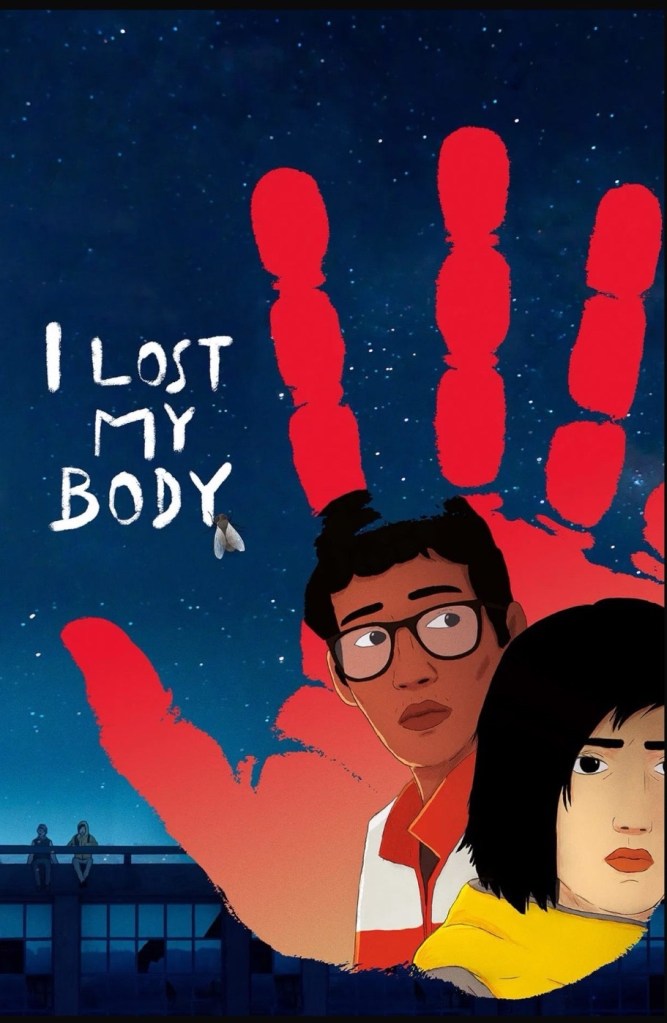
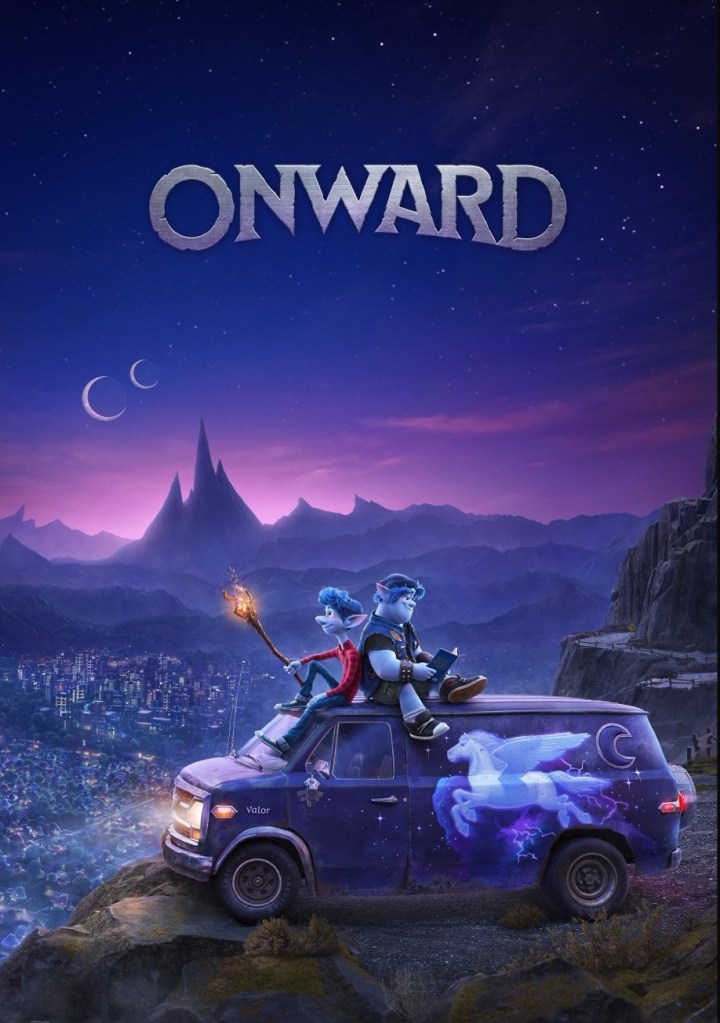
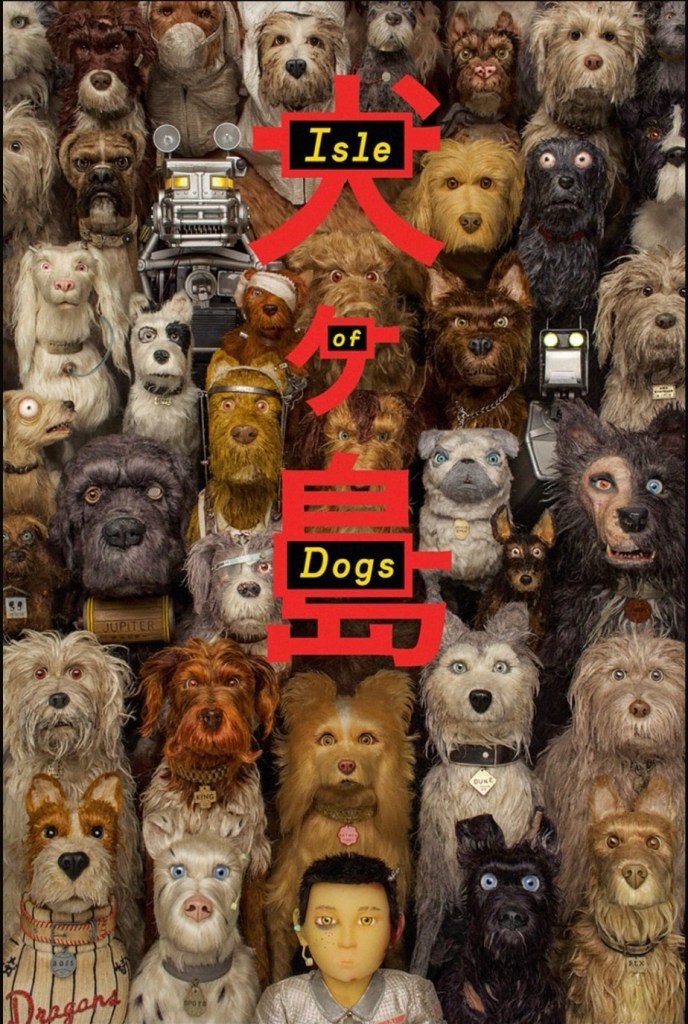
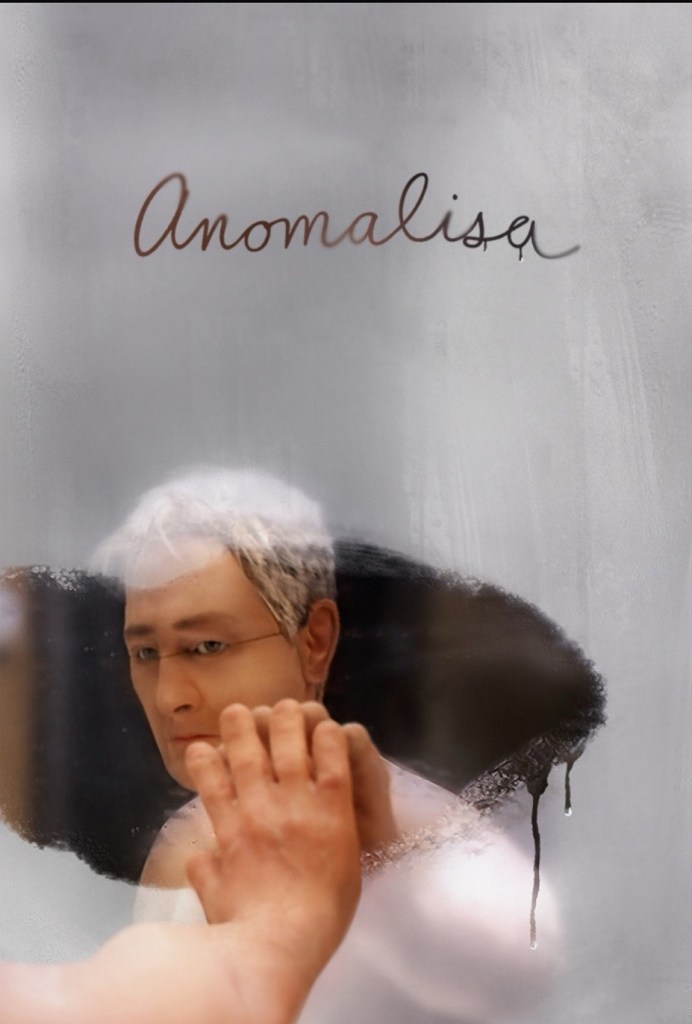
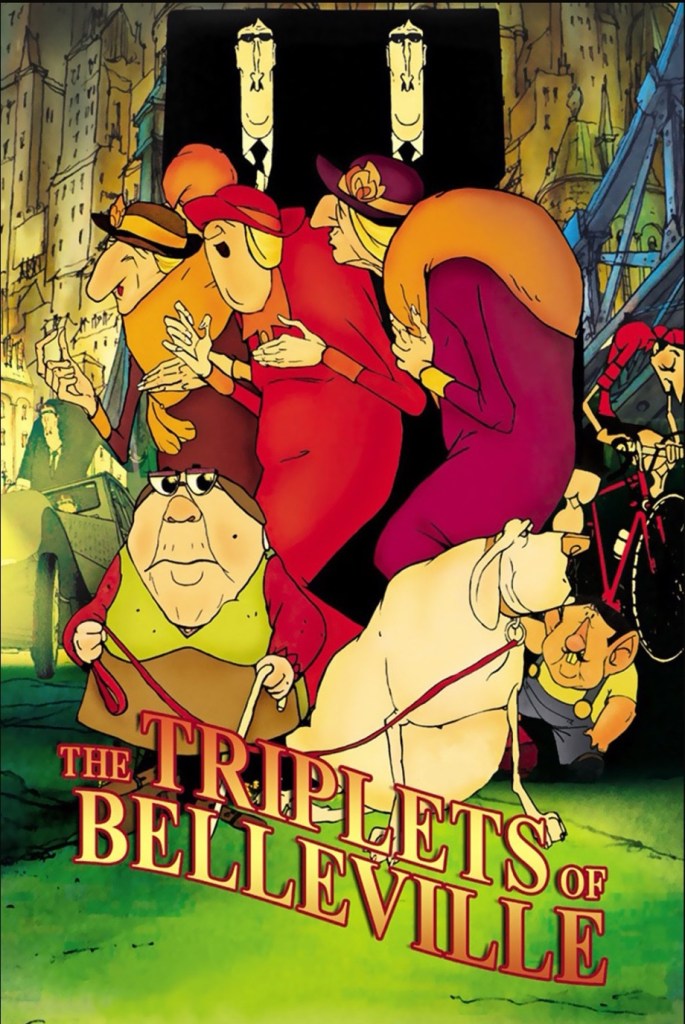
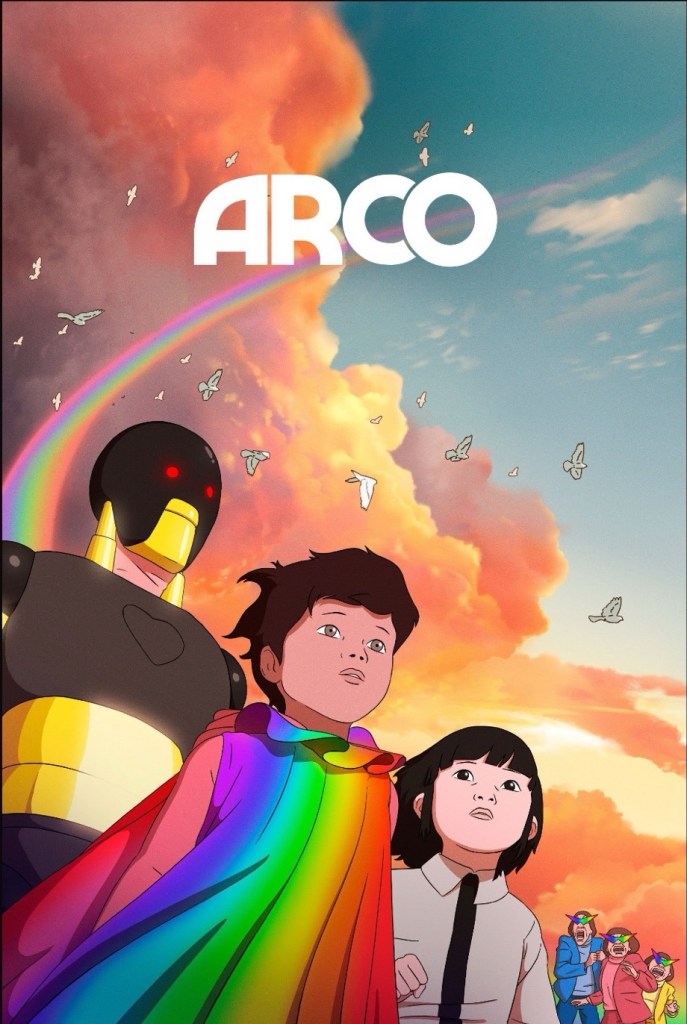

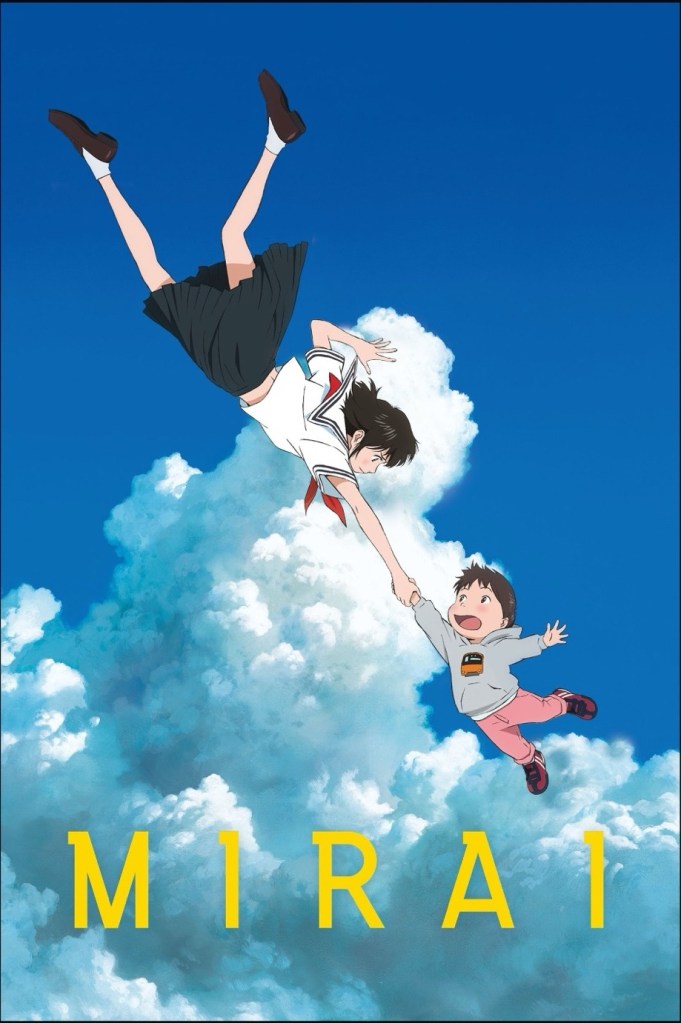
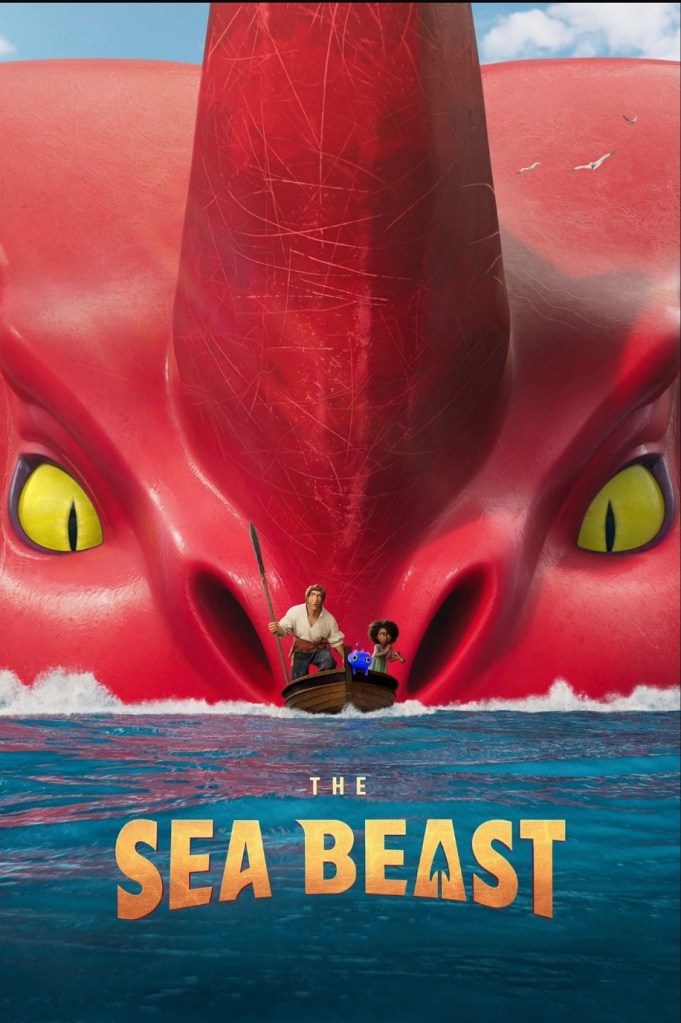
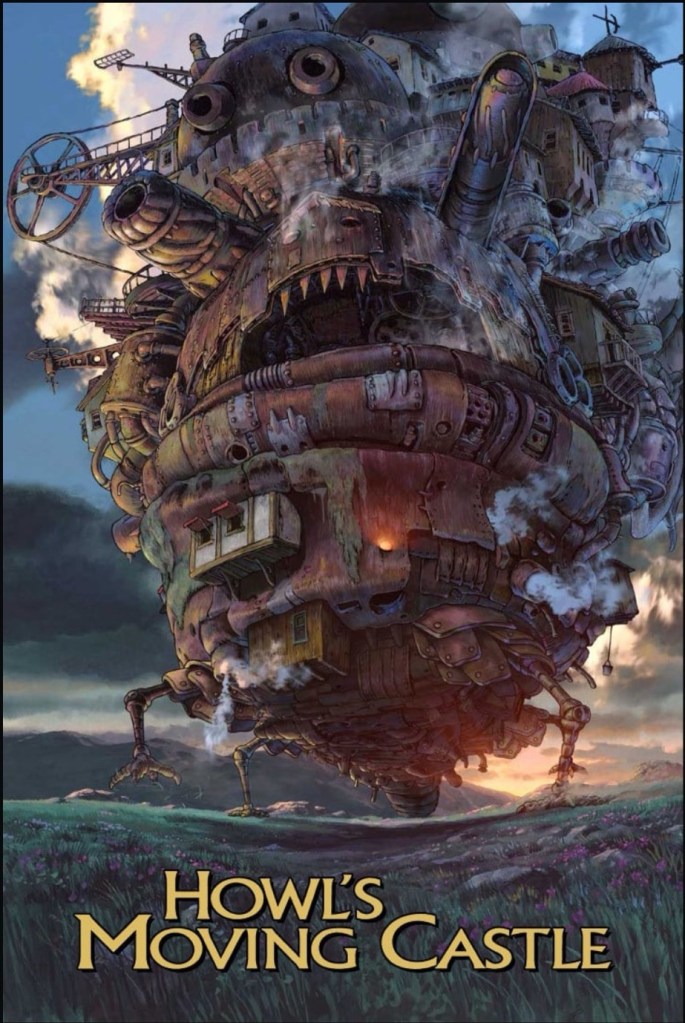
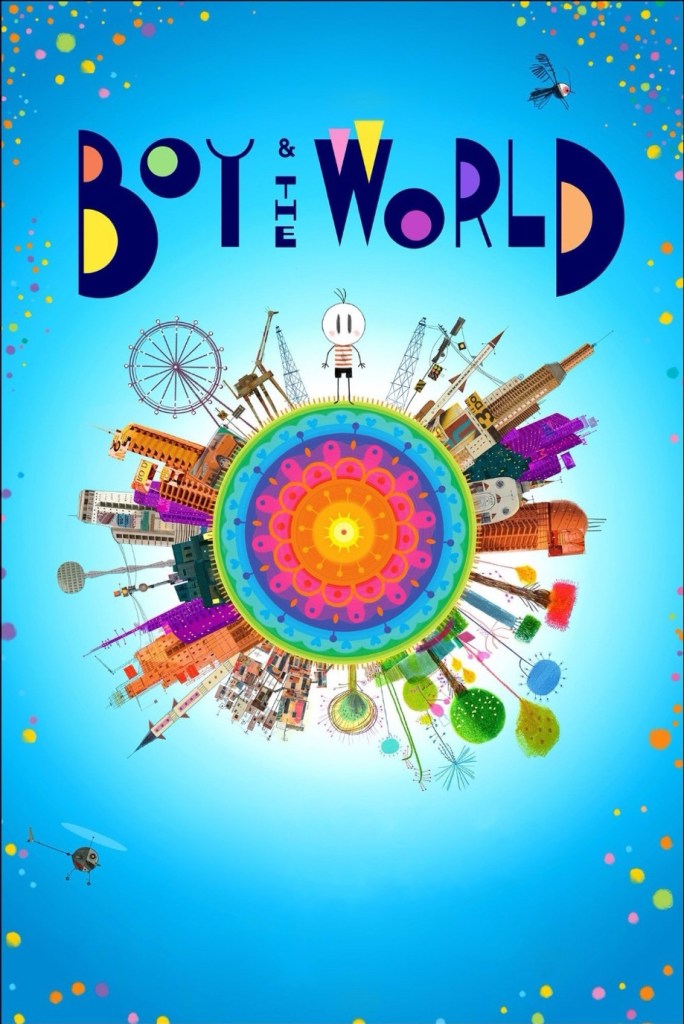
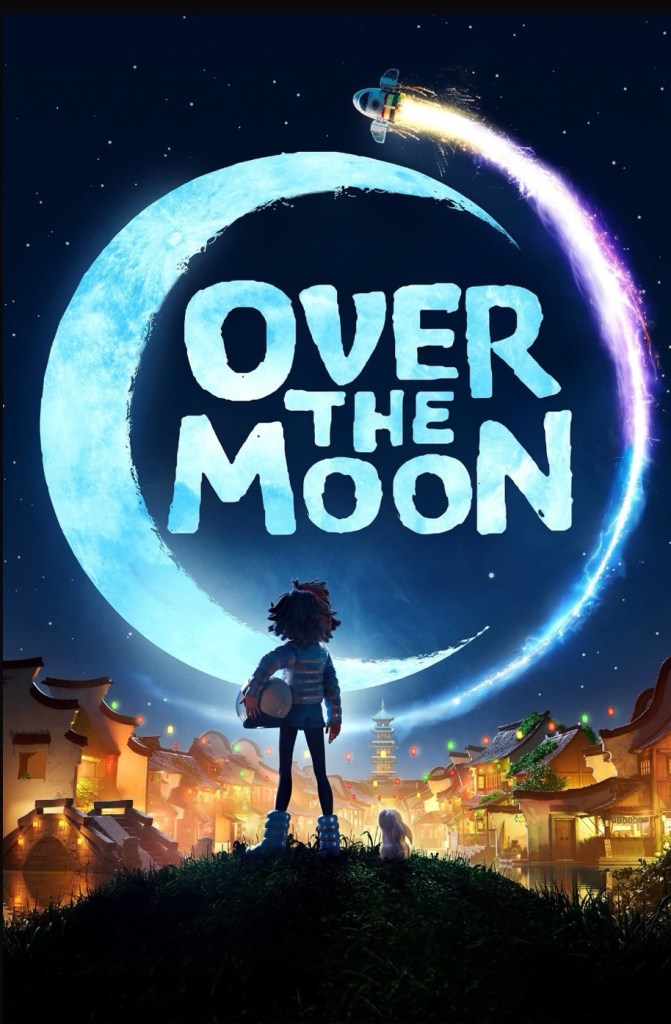
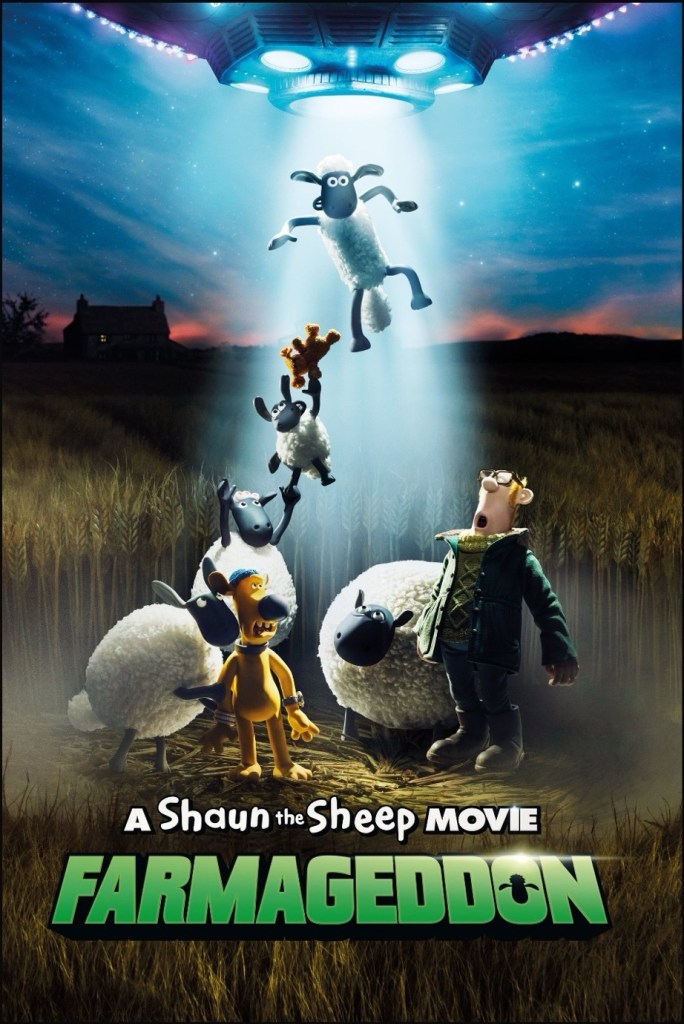

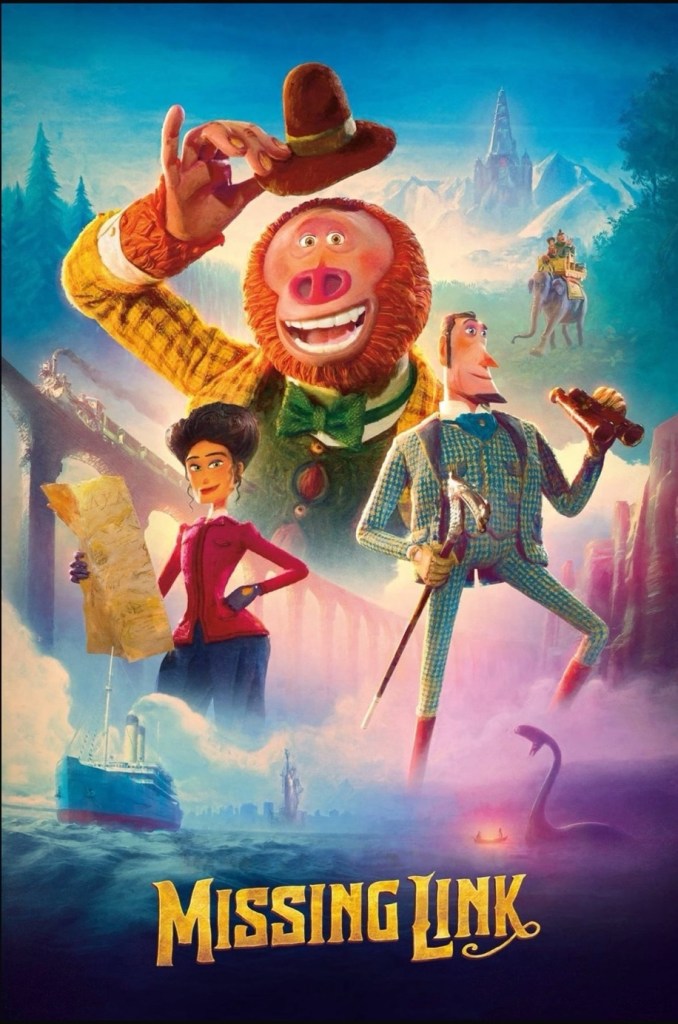
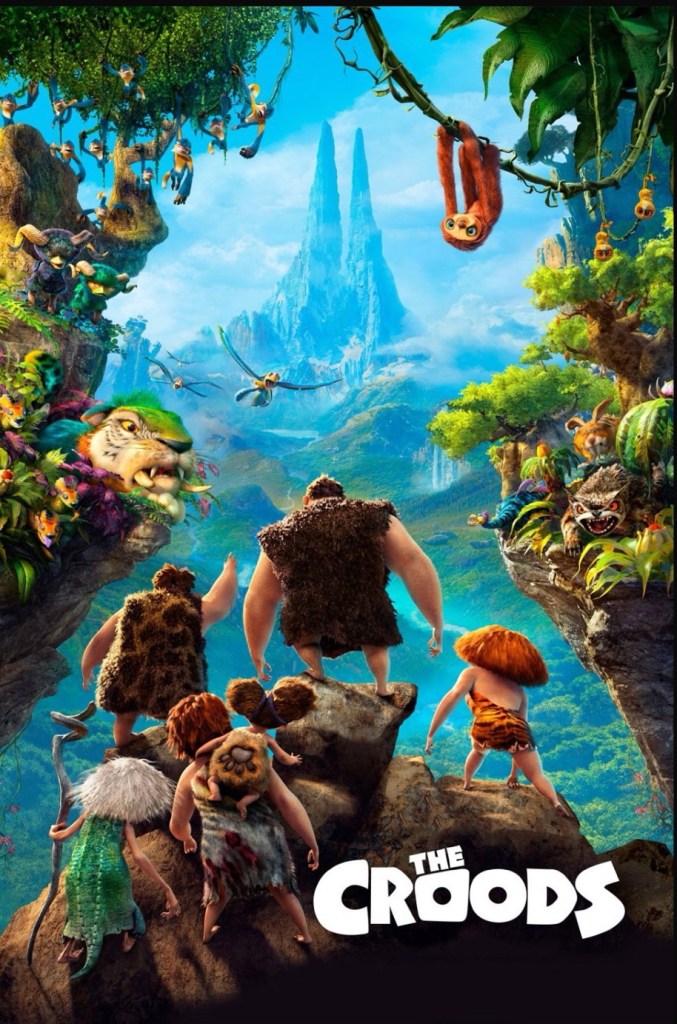
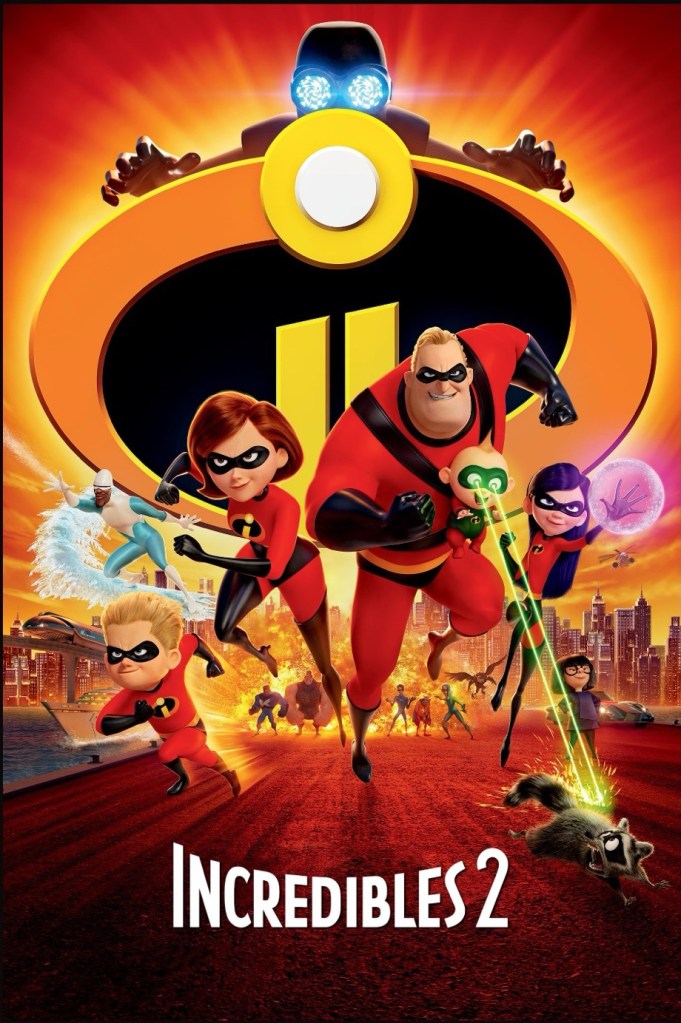

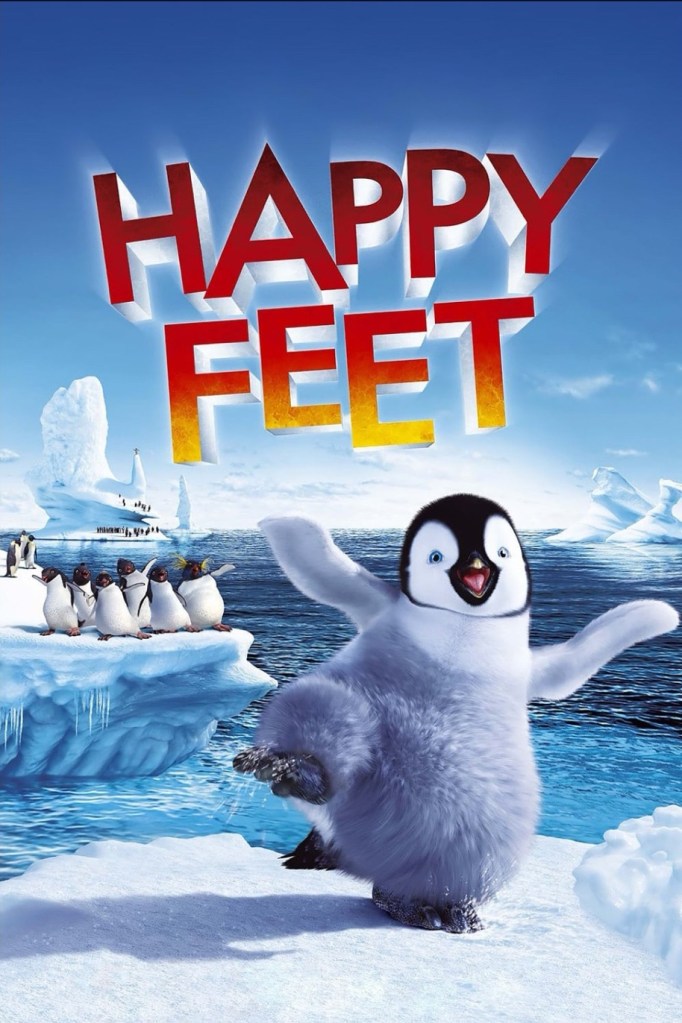

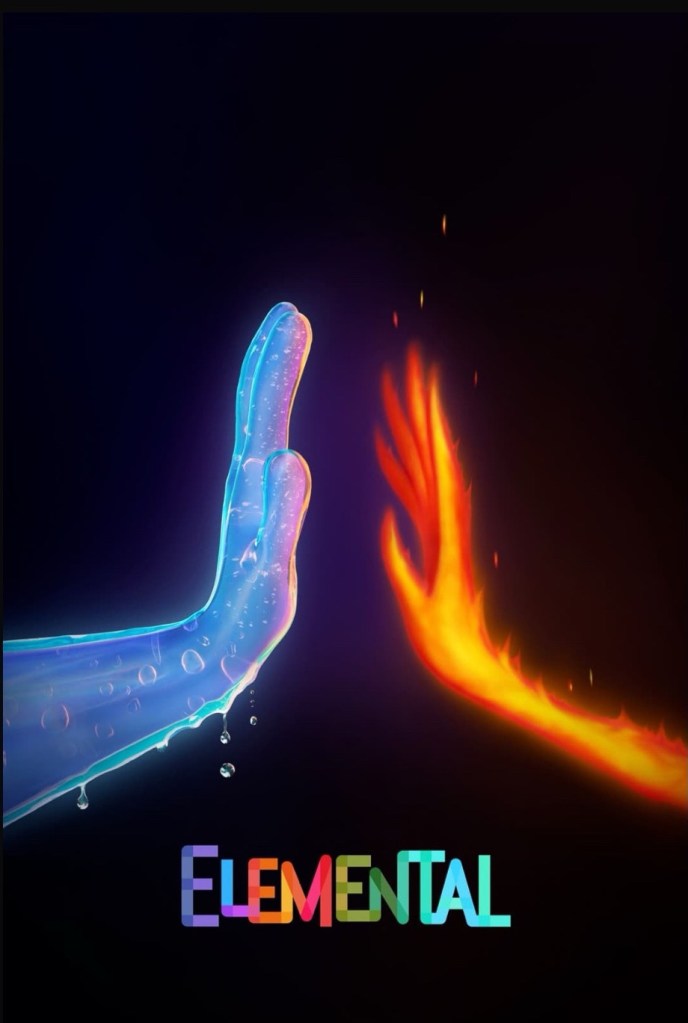
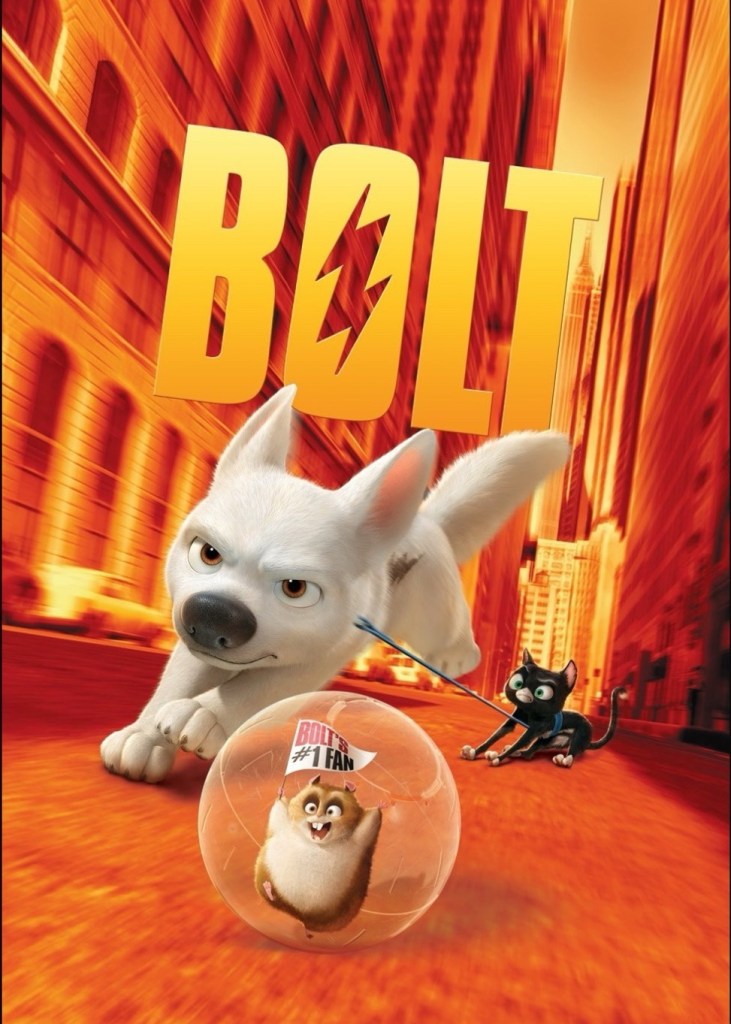
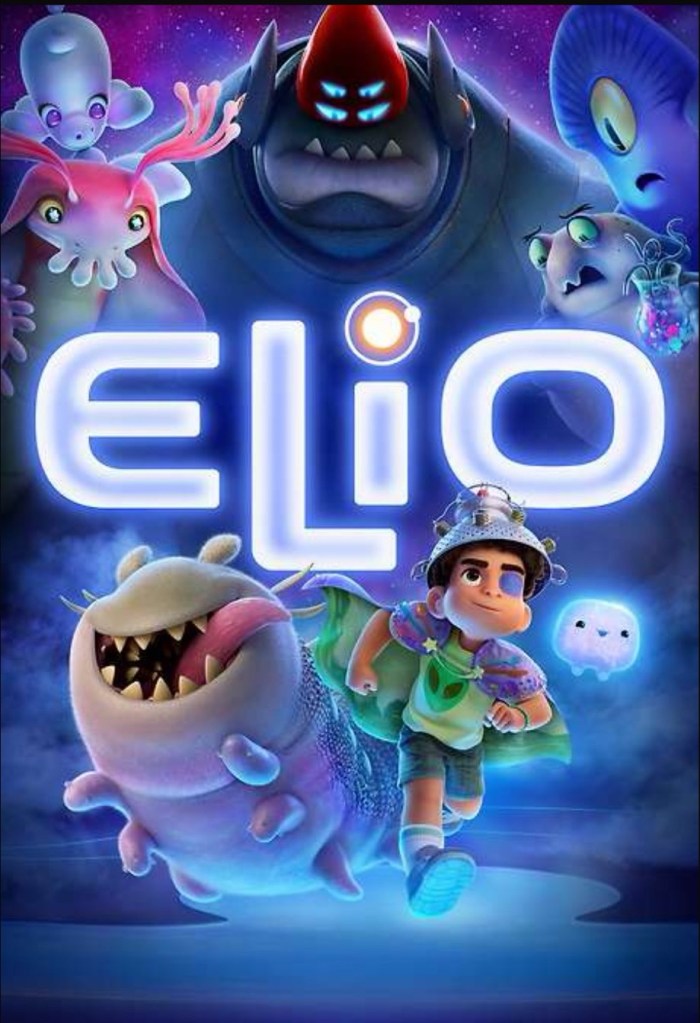
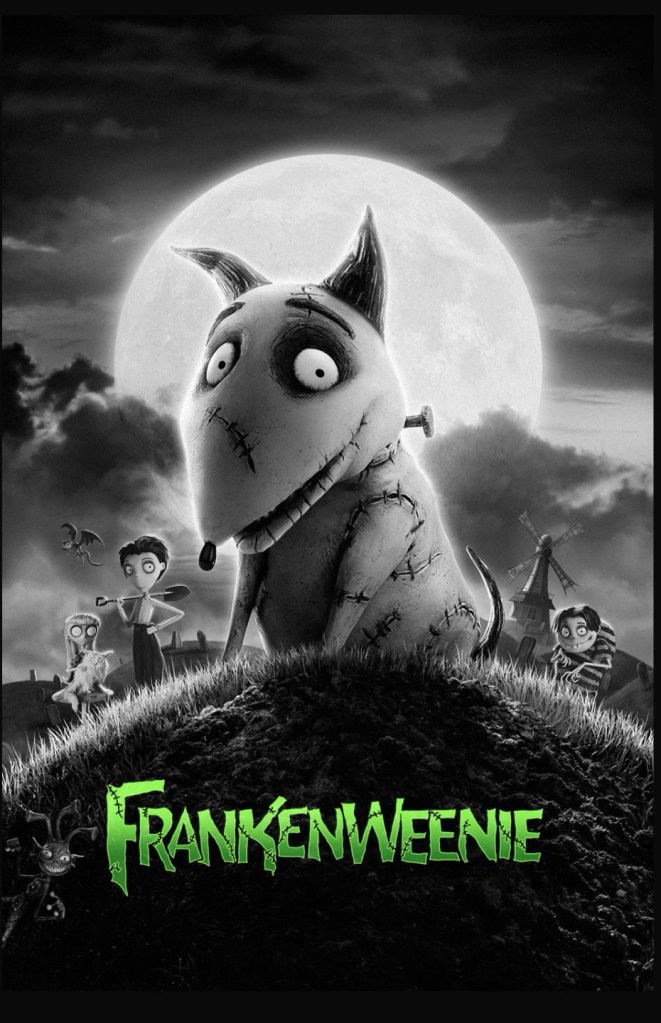

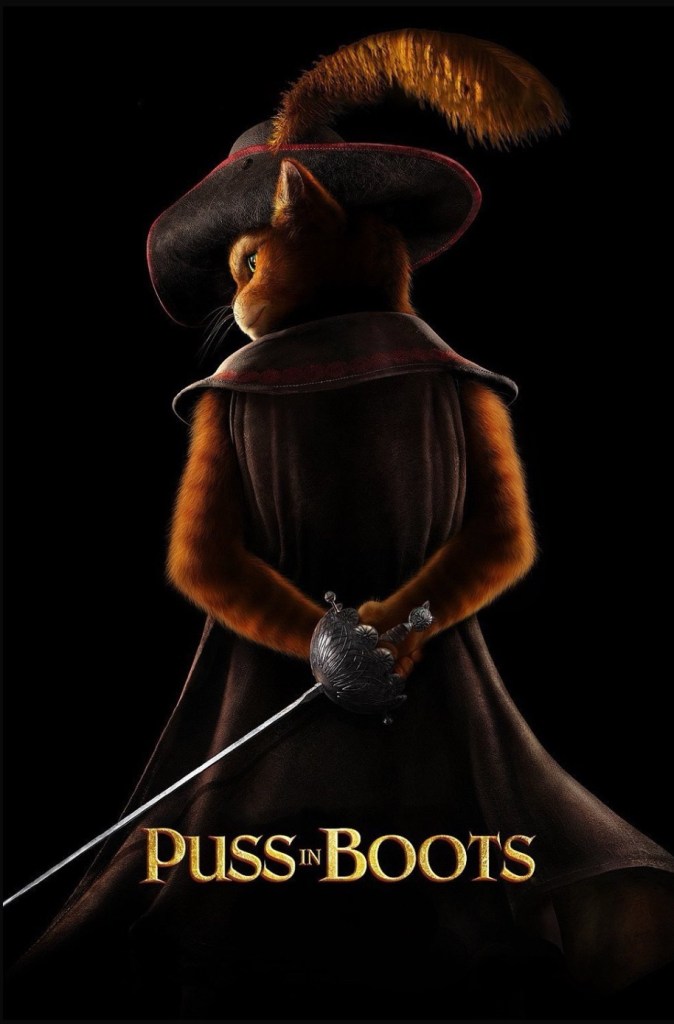
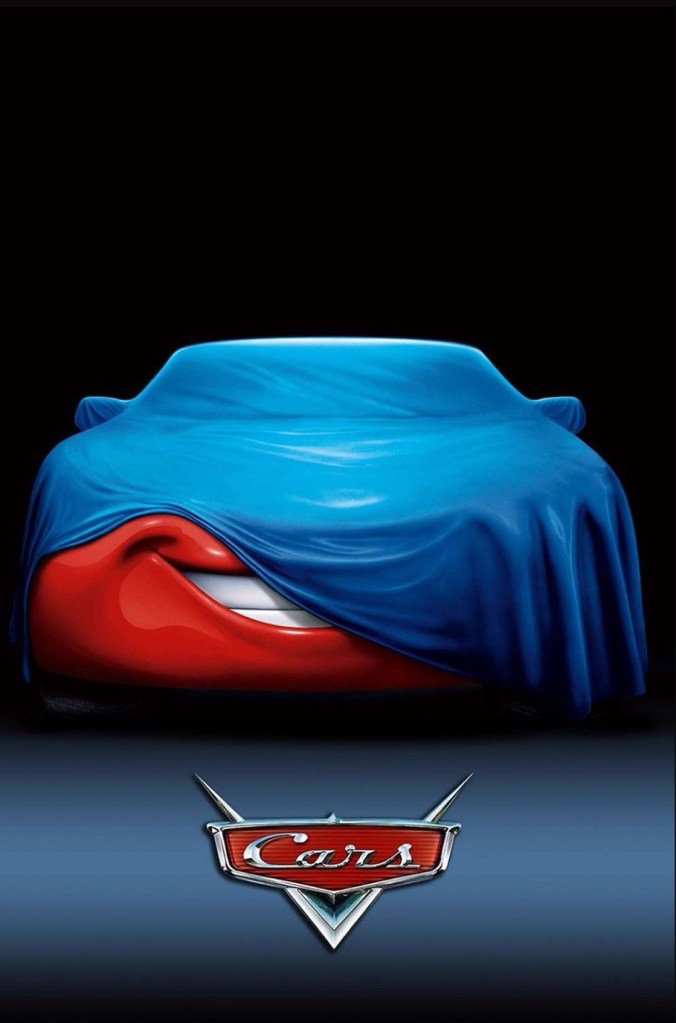
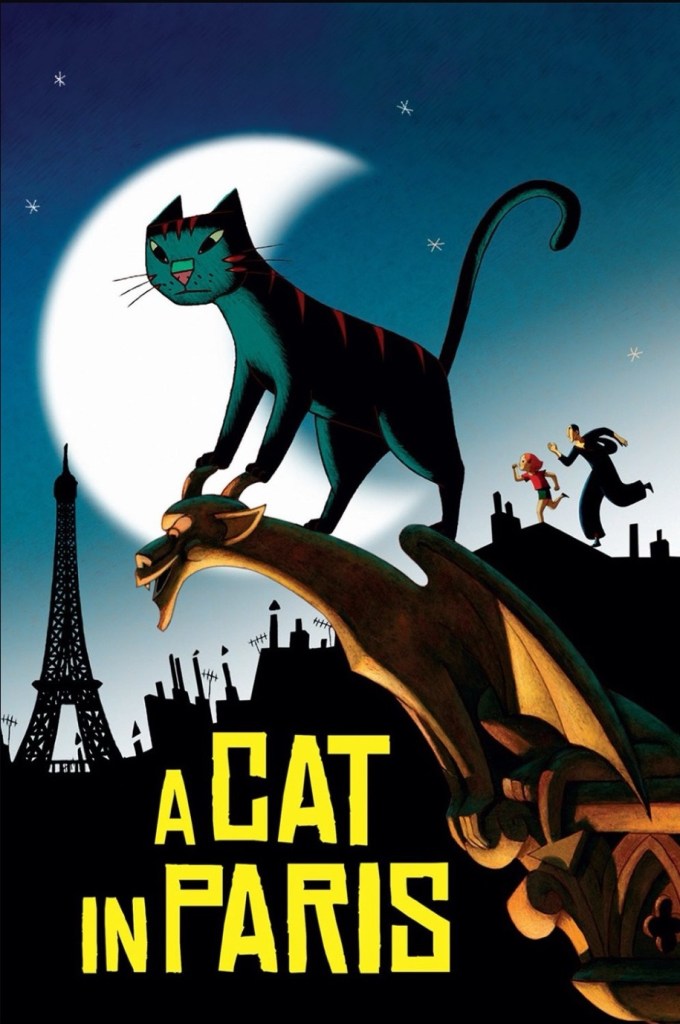
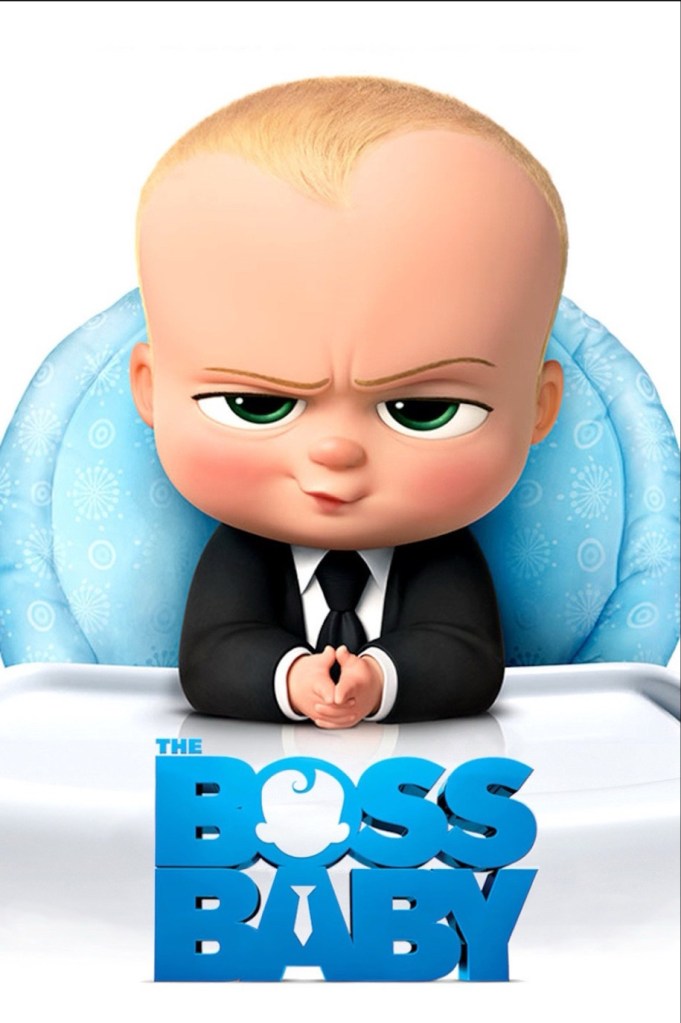
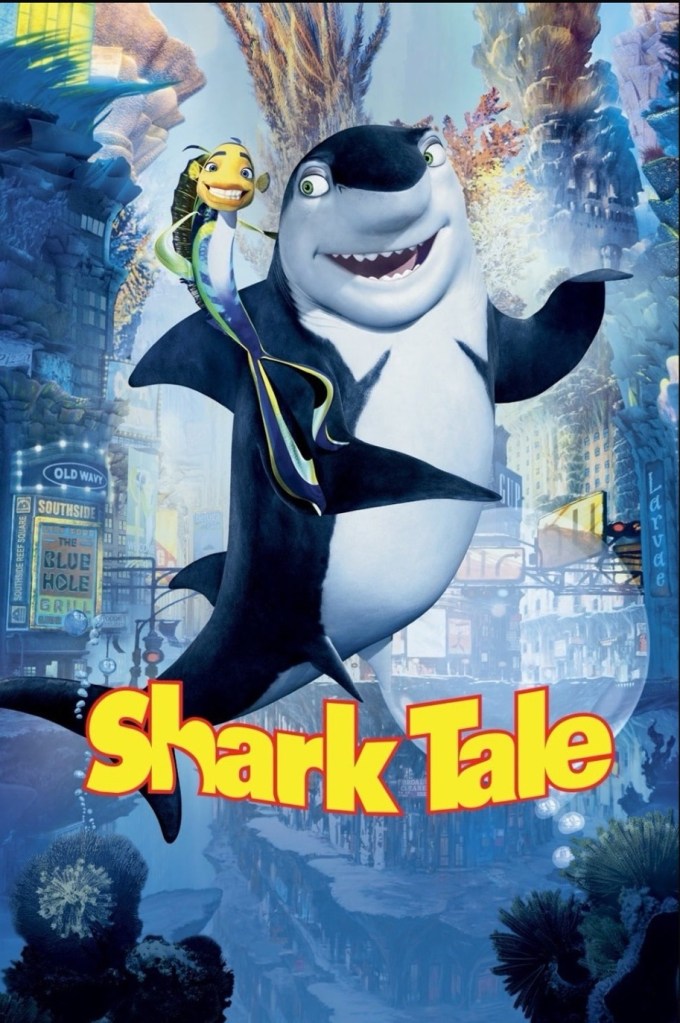
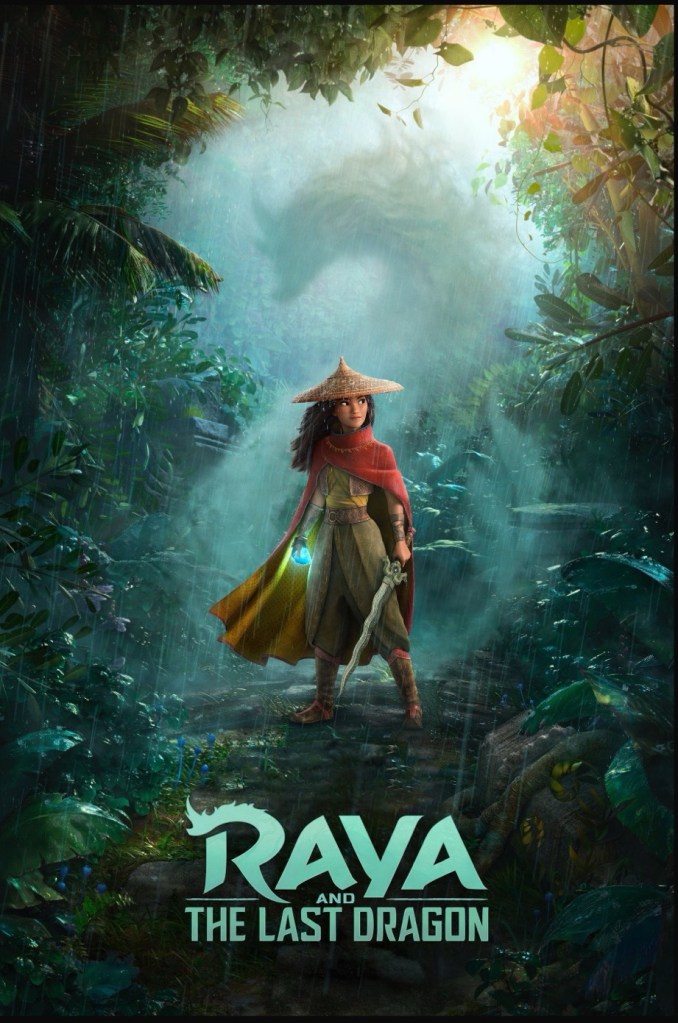
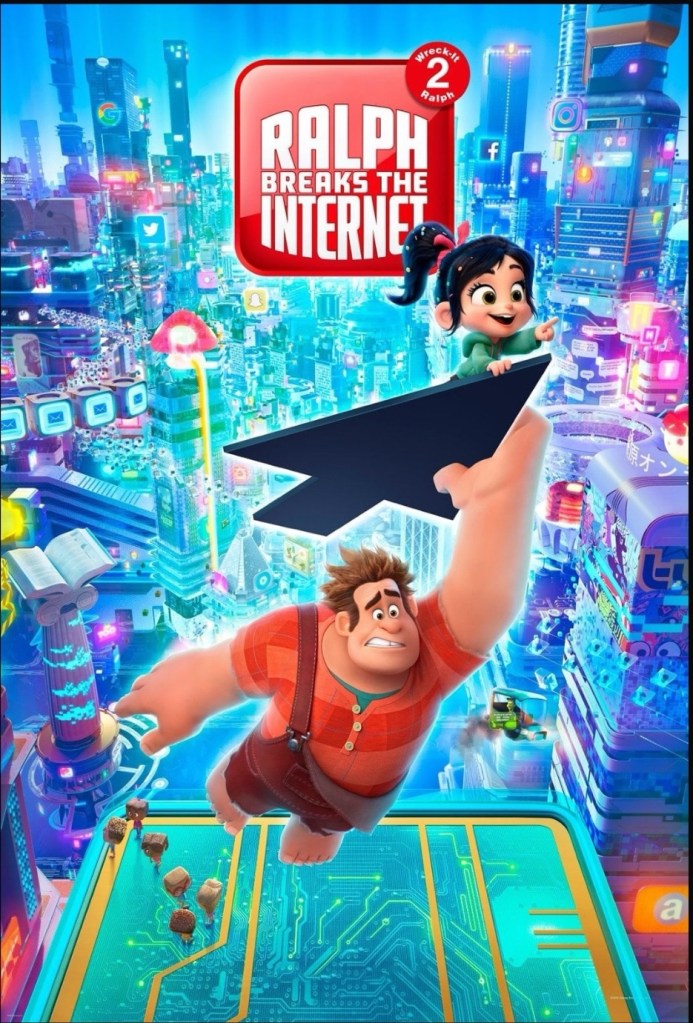
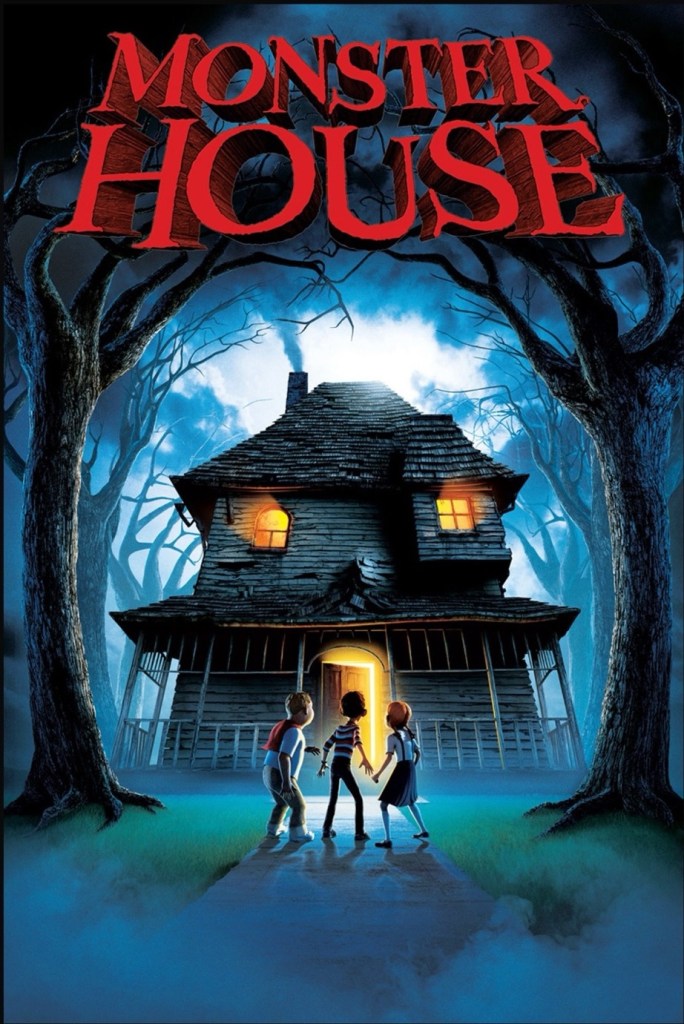


















 Chaz’s Cinematic Odyssey
You must be logged in to post a comment.