I am a film lover, animation geek of everything from Disney to DreamWorks, lover of the Pokemon Anime and a avid fan of Rayman, Spyro, Kingdom Hearts, Star Wars, DC and Marvel Studios I am a film lover, animation geek of everything from Disney to DreamWorks, lover of the Pokemon Anime and a avid fan of Rayman, Spyro, Kingdom Hearts, Star Wars, DC and Marvel Studios. Home to over a thousand film reviews!
Starring: Donald Glover, Chiwetel Ejiofor, Seth Rogen, Billy Eichner, John Kani, John Oliver, Alfre Woodard, Florence Kasumba, Eric André, Keegan Michael-Key, JD McCrary, Shahadi Wright Joseph, Beyoncé Knowles-Carter and James Earl Jones
Music by: Hans Zimmer
Rated: PG
In the Pride Lands which is an African kingdom of animals ruled by lions, a young lion cub named Simba (JD McCrary and Donald Glover), is next in the line for the throne. However, after Simba’s cruel Uncle Scar (Chiwetel Ejiofor), murders his beloved father, Mufasa (James Earl Jones) and blames Simba for it, the little cub is forced to go into exile. Growing up with a meerkat named Timon (Billy Eichner) and a Warthog named Pumbaa (Seth Rogen), a chance encounter with his childhood friend Nala (Shahadi Wright Joseph and Beyonce Knowles-Carter), and a wise mandrill named Rafiki (John Kani), will force Simba to make a choice about how to deal with Scar….
Although most of the films released during the 1989-1999 time period known as the Disney Renaissance such as The Little Mermaid , Beauty and the Beast and Aladdin are all regarded as some of the best mainstream animated films at the time in a pre-Pixar environment, The Lion King was (no pun intended), a different beast altogether. Aside from its controversial Kimba the White Lion rip-off claims, this epic tale of the trials of Simba the lion took additional inspiration from Hamlet and the Bible Stories of Joseph and Moses, some of the best hand-drawn animation seen at the time and amazing songs from the likes of Elton John and Tim Rice, to create the highest-grossing hand-drawn animated film of all time, with numerous sequels, tv shows and a stage musical by Julie Taymor, that became a massive success in its own right, adding to the legacy of this timeless animal story.
One would think that this film would be safe from the live-action remake obsession that started with Tim Burton’s 2010 Alice in Wonderland film, given its impact on popular culture. However, after having a huge success with 2016’s photorealistic retelling of The Jungle Book, Iron Man director Jon Favreau brings us another example of the groundbreaking visual style from that film with this new film. However, aside from the visuals, this is possibly not only his worst film, but this is also the worst example of the laziness of these remakes.
While the likes of the 2017 and 2019 remakes of Beauty and the Beast and Aladdin have been heavily criticised for being shot-by-shot remakes with no identity, at least those films did add some different elements such as new songs and characters that gave those films some of their own identity. In the case of The Lion King however, about ninety percent of the film literally traces over the original film so much that if it wasn’t made by the same company, it would have been sued to bankruptcy. It’s clear that Jon had no amount of the creative freedom that Julie Taymor was given to her stage adaptation with her unique character designs and unique form of visual storytelling, making this feel soulless in comparison.
The over-reliance on realism is another problem, as real animals are much harder to depict human emotions onto, making this feel incredibly out-of-place with some of the more cartoony moments of this film. Aside from Billy Eichner and Seth Rogen’s more extreme take on Timon and Pumbaa, the voice-acting from the likes of Donald Glover, Beyoncé and Chiwetel Ejiofor is mostly bland and flat. Even James Earl Jones, the only returning actor from the original film reprising his role as Mufasa, sounds off, mostly due to his advanced age which made it difficult for him to keep up his usual amazing voice-acting skills, in his final years of doing voice-acting, along with his Star Wars roles.
Overall, this photorealistic take on The Lion King, is yet another example as to why the 1990s remake of Psycho should not be used as an inspiration for making remakes, no matter how visually impressive it looks.
Rating: 1.5/5
4. Mufasa: The Lion King (2024)
Directed by: Barry Jenkins
Written by: Jeff Nathanson
Starring: Aaron Pierre, Kelvin Harrison Jr., Tiffany Boone, Mads Mikkelsen, Seth Rogen, Billy Eichner, John Kani, Donald Glover, Blue Ivy Carter, Thandiwe Newton, Lennie James, Anika Noni Rose, Keith David and Beyoncé Knowles-Carter
Music by: David Metzger and Nicholas Britell
Rated: PG
A few years after Simba (Donald Glover) saved the Pride Lands and became king, both the young lion and his queen, Nala (Beyoncé Knowles-Carter) have become parents to a female cub named Kiara (Blue Ivy Carter). When Simba and Nala leave to attend a ritual ceremony, Kiara’s babysitters, Rafiki (John Kani), Timon (Billy Eichner) and Pumbaa (Seth Rogen) decide to tell her a legendary story of her grandfather, the late King Mufasa (Aaron Pierre), during his childhood as a stray cub, his adoption into a royal family where he becomes a brother to that Pride’s prince, Taka (Kelvin Harrison Jr.) and an incredible journey he takes across Africa, along with his brother, his future mate, Sarabi (Tiffany Boone), and eventually Zazu (Preston Nyman) and even a younger Rafiki (Kagiso Lediga), that will eventually lead to his destiny as King of Pride Rock…
Despite the fact that the 2019 photorealistic animated remake of 1994’s legendary classic, The Lion King, ended up becoming the highest grossing worldwide animated film for five years, Jon Favreau’s take on the legendary story of Simba, has also become infamous as the least original, and the most completely pointless example of Disney’s recent obsession with live-action remakes, which isn’t made better with its overly realistic animation style.
However, even if the sequels to Disney’s remakes such as Alice Through the Looking-Glass and Maleficent: Mistriss of Evil, haven’t done as well financially as the remakes, there is a lot of potential for the premise of an origin story of Simba’s late father, King Mufasa, whose original voice actor, James Earl Jones, passed away earlier in 2024, which is also on the thirtieth anniversary of the 1994 film.
This is made more apparent by the hiring of Best Picture winner director of Moonlight , Barry Jenkins, and the fact that the animators have listened to previous complaints and have made these animal characters, a lot more expressive in their emotions. However, even if Jenkins does lose a lot of the creativity of his previous films as a result of going into mainstream cinema, he does manage to tell the origin story of the Pride Lands, with powerful animation and a strong use of cinematic storytelling in the cinematography and editing.
While being a very good origin story for Mufasa, Sarabi, Zazu and Rafiki, some minor plotholes and a terrible depiction of the fall of the lion that will become Scar, Taka, prevents Mufasa: The Lion King from reaching its true potential. However, Aaron Pierre, Kelvin Harrison Jr. and Mads Mikkelsen do great jobs as younger versions of Mufasa, Scar and the new white lion antagonist, Kiros, as well as returning faces from the 2019 film, Seth Rogen, Billy Eichner and John Kani’s takes on Pumbaa, Timon and Rafiki.
Overall, Mufasa: The Lion King, despite being attached to one of the least popular Disney remakes, was always going to be a much better film solely on the more expressive character animation, some good songs from Lin-Manuel-Miranda and having an original story about one of the most beloved Disney characters out there. It may not be perfect, but given the quality of most Disney remakes these days, that’s a massive achievement.
Rated: 3/5
3. The Lion King 1 1/2 (2004)
Directed by: Bradley Raymond
Written by: Tom Rogers
Starring: Nathan Lane, Ernie Sabella, Julie Kavner, Jerry Stiller, Matthew Broderick, Robert Guillaume, Moria Kelly, Whoopi Goldberg, Cheech Marin and Jim Cummings
Music by: Don L. Harper
Rated: U
Timon (Nathan Lane) and Pumbaa (Ernie Sabella), relate their backstory while watching The Lion King in a cinema. After being thrown out of his meerkat colony for messing up sentry duty, Timon and Pumbaa embark on an epic quest for a new home and to find out the true meaning of “Hakuna Matata”…
Standing out from any other sequel or spin-off to the Disney’s Animation studios Canon, The Lion King 1 1/2 is a prequel, a midquel, and a parody of The Lion King that shifts the spotlight to Timon and Pumbaa, that manages to be both outrageously funny, yet surprisingly heart-warming at the same time.
Aside from a few plotholes regarding Rafiki (Robert Guillaume) and some missed opportunities for funnier jokes, the Mystery Science Theater-style framing device of the duo commenting during the film and the riffs on the “Circle of Life” and “I Just Can’t Wait to be King” are so funny, that it’s kinda sad how a straight-to-DVD film is willing to show more creativity than a certain $260 remake.
Overall, The Lion King 1 1/2 is a highly entertaining Rosencrantz and Guildenstern are Dead-style twist on the 1994 classic that is a much-watch for Timon and Pumbaa fans, even if the TV Show is pretty much ignored in this story.
Rating: 3.5/5
2. The Lion King II: Simba’s Pride (1998)
Directed by: Darrell Rooney
Written by: Flip Kobler and Cindy Marcus
Starring: Neve Campbell, Matthew Broderick, Jason Marsden, Nathan Lane, Ernie Sabella, Moria Kelly, Robert Guillaume, Suzanne Pleshette, Andy Dick and Lacey Chabert
Music by: Nick Glennie-Smith
Rated: U
The Pride Lands have been restored to peace and Simba (Matthew Broderick) and Nala (Moira Kelly) now have a beautiful daughter named Kiara (Neve Campbell). However, Zira (Suzanne Pleshette), a supporter of Scar (Jim Cummings), has raised an army of lionesses to retake the throne. She assigns her son Kovu (Jason Marsden) to assassinate Simba, but things get complicated when he starts falling in love with Kiara.
Despite having massive plotholes regarding the origins of the Outsider Lionesses and underwhelming arcs for the likes of characters such as Zazu (Edward Hibbert), Timon (Nathan Lane) and Pumbaa (Ernie Sabella), it’s easy to see why The Lion King 2: Simba’s Pride has a large cult following in Disney fandom.
The animation, for direct-to-video standards, is very impressive, the songs, including the iconic “He Lives in You from the mindblowing Broadway show, are outstanding and although the old characters don’t get much to do, the new characters such as Kiara, Kovu, and the villainous Zira are solid additions.
Overall, The Lion King 2: Simba’s Pride is a sweet, yet flawed take on a lion version of Romeo and Juliet, much like how the first film took influence from Hamlet.
Rating: 3.5/5
1. The Lion King (1994)
Directed by: Roger Allers and Rob Minkoff
Written by: Irene Mecchi, Linda Woolverton and Jonathan Roberts
Starring: Matthew Broderick, Jonathan Taylor Thomas, James Earl Jones, Jeremy Irons, Moria Kelly, Niketa Calame, Nathan Lane, Ernie Sabella, Robert Guillaume, Rowan Atkinson, Whoopi Goldberg, Cheech Marin, Jim Cummings and Madge Sinclair
Music by: Hans Zimmer
Rated: U
Deep within the Pride Lands, an African kingdom of animals is ruled by lions. Simba (Jonathan Taylor Thomas and Matthew Broderick), the cub of the current king, Mufasa (James Earl Jones), is expected to become the next ruler. However, Scar (Jeremy Irons), Mufasa’s evil brother, kills Simba’s father and frames the young lion for his death. Forced into exile, Simba finds a new lifestyle of having “no worries” from the meerkat Timon (Nathan Lane) and the warthog, Pumbaa (Ernie Sabella). But when a childhood friend of his, Nala (Moria Kelly) comes back into his life, Simba must finally face his past and his destiny…
With the Biblical, Shakespearian (and anime) influences, The Lion King, in terms of visuals and narrative ambition, is one of Walt Disney Animation Studio’s most cinematic films. This is impressive given its troubled production where Oliver and Company’s George Scribner was removed from the original nature documentary version of the early version, King of the Kalahari, Disney President Frank Wells died in a helicopter crash during production and the animators were forced to work from home before it was cool, due to a massive earthquake. Although the act of balancing both the drama with the comedy could have been done better in the second half, the majority of the epic narrative is helped with the incredible animation and Hans Zimmer’s haunting score.
Along with Andy Gaskill and Chris Sanders’s beautiful art direction and production design and the slightly flawed, yet powerful message about redemption and the pitch-perfect voice acting from the likes of James Earl Jones, Jeremy Irons, and Nathan Lane, It is not surprising why The Lion King became the second-highest grossing film ever at the time of its release.
Overall, much has already been said about The Lion King already, so take a look at how the “Circle of Life” took Disney Animation to the highest peak in the Renaissance era.
John Ronald Reuel Tolkien, or J,R.R. Tolkien, was one of the most influential figures in the history of modern fantasy fiction. Created out of a desire to give England its own mythology that wasn’t copied from other world cultures, and further built on in 1911 when he began writing The Silmarillon (which wouldn’t be finished until after his death), it was his two most popular books, 1937’s The Hobbit and its three volume long sequel in the 1950s, The Lord of the Rings, that made him a household name.
Telling the stories of two hobbits, small human-like creatures with hairy feet, named Bilbo and Frodo Baggins and their encounters with wizards, dragons, goblins, elves and dwarves, until their lives are forever changed by their discovery of the ultimate source of evil power, the One Ring, both of these stories have been the subject of numerous film adaptations, with the most famous examples being Peter Jackson’s unique approach to these stories.
This list will rank the ten feature film adaptations of Tolkien’s two books and writings in Middle Earth. Only feature length films will count, so 1966’s short film based on The Hobbit, along with all television shows have been left out, including The Rings of Power.
10. The Return of the King (1980)
Directed by: Jules Bass and Arthur Rankin Jr.
Written by: Romeo Muller
Starring: Orson Bean, John Huston, Roddy McDowell, Theodore Bickel, William Conrad , Casey Kasem, Sonny Melendrez, Paul Frees and Brother Theodore
Music by: Maury Laws
Rated: N/A
Over eight decades after Bilbo Baggins (Orson Bean) the hobbit, came back from his grand adventure with the dwarves, his nephew, Frodo (Also Orson Bean) recounts to him on the former’s 129th birthday, the final days of the War of the Ring four years previously. As Frodo and his loyal gardener, Samwise Gamgee (Roddy McDowell) make their final stretch towards Mount Doom to destroy the One Ring, Gandalf (John Huston), Aragorn (Theodore Bikel), the Prince of Gondor, and Frodo’s two cousins, Merry (Casey Kasem) and Pippin (Sonny Melendrez), must protect the city of Minas Tirith from the forces of Sauron, the Nazgûl and the orc armies…
While it was only intended to be a sequel to Rankin/Bass’s charming 1977 television adaptation of The Hobbit, The Return of the King ended up being an unofficial sequel to Ralph Bakshi’s The Lord of the Rings, after United Artists decided not to move forward with a sequel, despite being a box office success.
Although Rankin/Bass’s attempts to remain faithful to the dark tone of Rings is admirable, the heavily stylistic depictions of the characters, which worked with Hobbit as that was always meant to be a story for younger audiences, is too distracting, especially with the questionable designs of the Witch-King (John Stephenson) and the Nazgûl.
While watching this back to back with 1977’s Hobbit and 1978’s Rings, does surprisingly work as a passable animated trilogy of Tolkien’s two stories, The Return of the King, as it was originally intended as just a sequel to Hobbit, feels extremely confusing to anyone not familiar with the source material, with so much critical plot points either left out, or poorly executed, especially with how Frodo gets himself captured off screen at the beginning, with no apparent explanation of whether it was Shelob or not.
Overall, despite having great voice-acting and some interesting details that the Peter Jackson films didn’t have, such as Denethor (William Conrad) having a more interesting fall into madness and the orcs having more three-dimensional personalities, The Return of the King is a complete mess. That Where’s a Whip song however, absolute banger!
Rating: 2/5
9. The Lord of the Rings (1978)
Directed by: Ralph Bakshi
Written by: Chris Conkling and Peter S. Beagle
Starring: Christopher Guard, William Squire, Michael Scholes, John Hurt, Simon Chandler, Dominic Guard, Michael Graham Cox, Anthony Daniels, Peter Woodthrope, Norman Bird and David Buck
Music by: Leonard Rosenman
Rated: PG
Middle-Earth, a land populated by wizards, dwarves, elves, and small people known as hobbits, is thrown into danger by the threat of the Dark Lord, Sauron. When a young hobbit named Frodo Baggins (Christopher Guard) inherits a magic ring from his uncle Bilbo (Norman Bird), the wizard Gandalf (William Squire), reveals to him that it’s actually Sauron’s source of power, The One Ring. With the help of his friends, Sam (Michael Scholes), Merry (Simon Chandler) and Pippin (Dominic Guard), an elf named Legolas (Anthony Daniels), a Dwarf named Gimli (David Buck), a warrior of Gondor named Boromir (Michael Graham Cox) and a mysterious ranger named Aragorn (John Hurt), Frodo must set out on a quest to destroy the ring before Sauron can use it to regain his strength…
Ralph Bakshi’s passion for J.R.R. Tolkien’s masterpiece of fantasy fiction is admirable, given the length of the books and the fact that animation was not doing well during the 1970s in terms of mainstream distribution. Although this heavily flawed adaptation of The Fellowship of the Ring and The Two Towers never got the chance to adapt the whole story due to United Artists losing faith in the project despite it doing well in the box office, the first ninety minutes in which the first book is adapted is still a mostly faithful retelling of the story and the voice acting is solid, with John Hurt’s powerful take on Aragorn being the only thing that actually surpasses the Peter Jackson films.
The animation however, is not Ralph’s best, even by 70’s standards as the overuse of rotoscoping and the odd visual style, does make the film feel like a poor Picasso art piece, rather than the epic landscapes of Middle-Earth. Don’t even get started on how badly The Two Towers segment is handled.
Overall, Ralph Bakshi’s The Lord of the Rings is an interesting precursor to how Middle-Earth would be depicted on film, despite its many, many flaws.
Rating: 3/5
8. The Hobbit: The Battle of the Five Armies (2014)
Directed by: Peter Jackson
Written by: Peter Jackson, Fran Walsh, Philippa Boyens and Guillermo del Toro
Starring: Martin Freeman, Ian McKellen, Richard Armitage, Luke Evans, Evangeline Tilly, Lee Pace, Benedict Cumberbatch, Ken Stott, James Nesbitt, Aidan Turner, Dean O’Gorman, Billy Connolly, Graham McTavish, Stephen Fry, Ryan Gage, Cate Blanchett, Ian Holm, Christopher Lee, Hugo Weaving, Manu Bennett and Orlando Bloom
Music by: Howard Shore
Rated: 12A (theatrical), 15 (Extended Edition)
The reign of the evil dragon, Smaug (Benedict Cumberbatch), is finally brought to an end by the brave human bowman, Bard (Luke Evans), but Lake-Town has ended up destroyed as a result. With the backing of King Thranduil (Lee Pace) of the Woodland Realm, Bard and the citizens of Lake-Town travel to Erebor to convince Thorin Oakenshield (Richard Armitage), Balin (Ken Stott), Bofur (James Nesbitt) and the rest of the company of dwarves to share Smaug’s wealth. Thorin, however, has become corrupted by dragon sickness and Bilbo Baggins (Martin Freeman) is forced to make a decision that could cost him all of his new friends. Meanwhile, Gandalf (Ian McKellen), having learnt the truth about the Necromancer (also Benedict Cumberbatch), rides as fast as he can towards Erebor, while Azog (Manu Bennett) and his forces get closer towards the mountain…
Although the first two entries of this much-despised prequel trilogy to the Lord of the Rings films are still mostly great despite their flaws, the last film in this trilogy, unfortunately, has a lot more problems to be considered a great film.
The production design and Howard Shore’s score are still fantasic as always and most of the acting from the likes of Martin Freeman and Ian McKellen, has still been the best elements of these films. However, huge problems with the narrative such as dropping established plot points from the first two films in order to rush the plot, the greater presense of the worst elements of those films, such as the increased presence of CGI orcs and the awful love-triangle between the dwarf Kili (Aidan Turner) , Tauriel (Evangeline Lilly) and Legolas (Orlando Bloom) and some incredibly silly moments, makes those films less exciting to watch.
Although the battle itself is incredibly fun to watch, with the best moments coming from the extended edition such as an insane chariot chase and bloody orc deaths, it drags on for so long and even though Billy Connolly is a joy to have in the world of Middle-Earth, the last minute decison to turn him into a CGI creation is incredibly distracting.
Overall, The Hobbit: The Battle of the Five Armies is a disappointing ending to a flawed, but enjoyable trilogy that has its moments, but the missed opportunities prevent it from getting the gold.
Rating: 3/5
7. The Hobbit (1977)
Directed by: Jules Bass and Arthur Rankin Jr.
Written by: Romeo Muller
Starring: Orson Bean, Richard Boone, Hans Conried, John Huston, Otto Preminger, Cyril Ritchard and Brother Theodore
Music by: Maury Laws
Rated: N/A
Long ago, in the land of Middle-Earth, a hobbit named Bilbo Baggins (Orson Bean), is hired by the powerful wizard, Gandalf (John Huston), to join a company of travelling dwarves to reclaim their land and treasure from the evil dragon, Smaug (Richard Boone). As Bilbo and his new friends venture across the regions of Wilderland, surviving encounters with trolls, elves, spiders and a mysterious creature named Gollum (Brother Theodore), the easily rattled hobbit will soon find his courage on “The Greatest Adventure”…
The first feature length adaptation of J.R.R Tolkien’s Middle Earth books, has gained a cult following over the years, thanks to numerous recent parodies on South Park and Smiling Friends. However, aside from having a charming nature and an interesting atmosphere, The Hobbit is mostly average.
The animation style, being completely different when compared to John Howe and Alan Lee’s iconic style for the Peter Jackson films, combines the fantasy illustrations of Arthur Rackham with Eastern mythology, to create very unique takes on the likes of the elves, Gollum and Smaug the dragon. However, the wood elves and some of the dwarves look very awkward, with the former looking like gremlins with German accents.
Overall, despite having some great voice-acting, especially Orson Bean’s more upbeat Bilbo Baggins and John Huston’s powerful take on Gandalf and some great songs, The Hobbit is passable, but not much else.
Rating: 3/5
6. The Lord of the Rings: The War of the Rohirrim (2024)
Directed by: Kenji Kamiyama
Written by: Jeffrey Addiss, Will Matthews, Phoebe Gittins and Arty Papageorgiou
Starring: Brian Cox, Gaia Wise, Luke Pasqualino, Lorraine Ashbourne and Miranda Otto
Music by: Stephen Gallagher
Rated: 12A
One hundred and twenty-three years before Bilbo Baggins left on his adventure with Gandalf and the dwarves of Erebor, the Kingdom of Rohan, realm of the horse lords, suffers a major crisis. When King Helm Hammerhand (Brian Cox) of Edoras accidentally kills Freca (Shaun Dooley), chief of the Dunlendings during a duel, the latter’s vengeful son, Wulf (Luke Pasqualino), declares war. With the Rohirrim greatly overwhelmed by the Dunlendings, Helm and his beloved daughter, a headstrong shield maiden named Héra (Gaia Wise), find themselves stranded at the Hornberg tower, where they must find a way to save their people from certain death…
A decade after Peter Jackson left behind Middle-Earth for the seemingly final time with The Hobbit: The Battle of the Five Armies in 2014, J.R.R Tolkien’s franchise of hobbits, wizards, elves and dwarves has found new life in newly published collections of writings of Professor Tolkien, several video games and a very controversial streaming series on Amazon, The Lord of the Rings: The Rings of Power, which, as of 2024, has just finished its second season.
However, recently, Warner Bros., New Line Cinema and Peter Jackson’s company, WingNut Films, have begun to bring the most popular version of Middle Earth, the one established in Peter Jackson’s six Hobbit and Lord of the Rings films, back in popular culture, with a film based on The Hunt for Gollum on the way for 2027. However, as the companies had to have quickly made another Lord of the Rings film by the end of 2024 to keep the rights to the franchise, a completely new approach has been done to keep costs down, with War of the Rohirrim being an anime adaptation of one of the Appendices chapters from the book version of The Return of the King, that told the story of the founding of the iconic fortress from The Two Towers, Helm’s Deep.
Although Middle-Earth has had its fair share of history in animated films such as Ralph Bakshi’s 1978 Lord of the Rings adaptation and the two Rankin/Bass Hobbit and Return of the King films, this is the first time that one has been set in the same universe of Jackson’s films, as well as the first film in the franchise to not feature Hobbits, elves or dwarves as main characters.
By being focused entirely on the history of Rohan, the human kingdom of the Horse Lords that played a major role in Two Towers and Return of the King, director Kenji Kamiyama tells a much more gritty and bleak story about the consequences of provoking war with enemy nations, even when done with good intentions. Both Helm Hammerhand and his daughter, Héra, make for fantastic new protagonists, even if more could have been done for the former’s iconic moments. As for Wulf, he may be one of the cruelest and most realistic antagonists of the franchise, as he is just an angry human commander rather than a Dark Lord, evil wizard or Orc commander, and his conclusion is a surprising one, but well deserved.
Overall, while the character animation does take some getting used to, the background and character animation are incredibly beautiful to look at, the likes of Brian Cox, Gaia Wise and the returning Miranda Otto as Éowyn serving as a narrator, all do solid voice acting, and it is a treat hearing those classic Howard Shore music soundtracks on the big screen again, to tell this untold story of Middle-Earth.
Rating: 3.5/5
5. The Hobbit: The Desolation of Smaug (2013)
Directed by: Peter Jackson
Written by: Fran Walsh, Philippa Boyens, Peter Jackson and Guillermo del Toro
Starring: Martin Freeman, Ian McKellen, Richard Armitage, Benedict Cumberbatch, Evangeline Lilly, Lee Pace, Luke Evans, James Nesbitt, Ken Stott, Sylvester McCoy, Manu Bennett and Orlando Bloom
Music by: Howard Shore
Rated: 12A
Still on the run from the ruthless orc commander, Azog (Manu Bennett), Bilbo Baggins (Martin Freeman), Thorin Oakenshield (Richard Armitage), Balin (Ken Scott), Bofur (James Nesbitt) and the rest of the company of dwarves, are forced to part ways with Gandalf (Ian McKellen), when the latter receives word to investigate the fortress of Dol Goldur and the Necromancer (Benedict Cumberbatch). As the company experiences further adventures in the dark forest of Mirkwood, the dungeons of the Wood-Elves and the corrupt human village of Lake-Town, the threat of the mighty dragon Smaug (also Benedict Cumberbatch) grows closer and closer…
The second film of Peter Jackson’s divisive film adaptations of The Hobbit, does start showing the flaws of changing the planned two film adaptation into three films. The cringworthy love triangle between the dwarf Kili (Aidan Turner), new elf character Tauriel (Evangeline Lilly), and the returning Legolas (Orlando Bloom), the over-reliance of orc attacks, the overlong climax, and most of the CGI redesigns of the orcs are what really started the downfall of this trilogy.
However, Peter Jackson and the crew at WingNut Films’s skill at world-building, with the new locations of Mirkwood and Lake-Town, the amazing production design of these locations and a lot of the new faces such as Lee Pace’s Thranduil, Luke Evans’s Bard and the incredible Benedict Cumberbatch as the sinister dragon Smaug and the chilling tone are still as great as ever and both Martin Freeman and Ian McKellen do the best they can do with their separate stories.
Overall, The Hobbit: The Desolation of Smaug still has all the elements people love about the Middle-Earth films, even if the major problems start becoming more prominent.
Rating: 4/5
4. The Hobbit: An Unexpected Journey (2012)
Directed by: Peter Jackson
Written by: Fran Walsh, Philippa Boyens, Peter Jackson and Guillermo del Toro
Starring: Martin Freeman, Ian McKellen, Richard Armitage, Ken Stott, James Nesbitt, Hugo Weaving, Ian Holm, Cate Blanchett, Christopher Lee, Barry Humphries, Sylvester McCoy, Manu Bennett, Elijah Wood and Andy Serkis
Music by: Howard Shore
Rated: 12A
Sixty years before Frodo Baggins (Elijah Wood) left on his epic adventure through Middle-Earth, his future guardian, Bilbo Baggins (Martin Freeman), is convinced by Gandalf the Grey (Ian McKellen) to join Thorin Oakenshield (Richard Armitage) and a band of Dwarves on a quest to reclaim the kingdom of Erebor from the powerful dragon, Smaug. However throughout their encounters with goblins, trolls and even Gollum (Andy Serkis), Gandalf discovers rumours of a powerful Necromancer living in the fortress of Dol Goldur…
Putting aside the massive differences from the source material and the messed up production history involving New Zealand politics, the removal of Guillermo del Toro as director and the last minute decison to extend the planned two-film adaptation of Tolkien’s child-friendly prelude to The Lord of the Rings to three films, The Hobbit: An Unexpected Journey does manage to keep the spirit of the other film intact.
As with Peter Jackson’s first trilogy, the acting is top-notch with Martin Freeman perfectly capturing the spirit of Bilbo Baggins, Richard Armitage, Ken Scott, James Nesbitt and the rest of the actors playing the company of dwarves bring a sense of humour and gravity to the film with each one having their own personalities and the returning actors consisting of Ian McKellen, Hugo Weaving, Cate Blanchett, Christopher Lee and the outstanding Andy Serkis, even a majority of their characters don’t appear in the book, all once again bring their talents towards these iconic roles with the latter getting one of the best scenes of the entire franchise.
Although the more prominant use of CGI in the design of the orcs and goblins does feel distracting at times, the rest of the presentation still looks flawless, with the New Zealand cinematography, Dan Hennah’s outstanding production design of both old and new locations such as Hobbiton, Rivendell and Goblin Town and Howard Shore’s outstanding score, brings audiences back to the world of Middle-Earth with success.
Overall, the sequels may have a lot more problems and the CGI isn’t that great, but The Hobbit: An Unexpected Journey does manage to capture the feeling of the original trilogy the best, thanks to its plot structure, size and Bilbo’s coming of age arc.
Rating: 5/5
3. The Lord of the Rings: The Two Towers (2002)
Directed by: Peter Jackson
Written by: Fran Walsh, Philippa Boyens, Stephen Sinclair and Peter Jackson
Starring: Elijah Wood, Ian McKellen, Liv Tyler, Viggo Mortenson, Sean Astin, Cate Blanchett, John Rhys-Davis, Bernard Hill, Christopher Lee, Billy Boyd, Dominic Monaghan, Orlando Bloom, Hugo Weaving, Miranda Otto, David Wenham, Brad Dourif, Karl Urban and Andy Serkis
Music by: Howard Shore
Rated: 12A
As the forces of Sauron and Saruman (Christopher Lee) plot to wipe out all humans in Middle-Earth, Aragorn (Viggo Mortensen), Legolas (Orlando Bloom), Gimli (John Rhys-Davis) and the newly revived Gandalf the White (Ian McKellen), must save the kingdom of Rohan from the forces of Isengard. At the same time, Frodo (Elijah Wood) and Sam (Sean Astin) are forced to rely on the One Ring’s previous bearer, a small tormented creature named Gollum (Andy Serkis), to guide them into Mordor…
Despite having a less linear narrative than the first film, with three plot lines revolving around Frodo and Sam’s journey, Aragorn’s quest and the comic relief hobbits, Merry (Dominic Moughaun) and Pippin (Billy Boyd) encountering Treebeard (Also John Rhys-Davis) and the treelike Ents, all of these plots, although the latter one tends to drag a bit, all succeed in further developing the characters. This is shown with Frodo’s growing corruption to the Ring, Merry taking responsibility for his actions and Aragorn embracing his role as the future saviour of humankind. The population of the home of the Horse Lords, Edoras, such as the reluctant King Theoden (Bernard Hill), the slimy Grima Wormtongue (Brad Dorif) and the shield-maiden Ewoyn (Miranda Otto) help to establish both the frail, yet hopeful theme revolving humanity, while also giving the audience the chance to fully explore a human culture in a world populated by fantastical creatures.
Although the score is amazing and the setpieces such as the Battle of Helm’s Deep are stunning to look at, the biggest achievement in terms of visual effects comes in the form of Gollum. Being the first character in a live-action film to filmed in the revolutionary preformance capture system, Andy Serkis’s physical and emotional performance captures both the good and evil sides of the tormented creature, with the conversation sequence being one of the most intense psychological sequences put to film.
Overall, despite the Treebeard scenes sometimes dragging the film down, The Lord of the Rings: The Two Towers is still masterful filmmaking in terms of worldbuilding and character development and helped audiences get excited enough for the epic conclusion.
Rating: 5/5
2. The Lord of the Rings: The Return of the King (2003)
Directed by: Peter Jackson
Written by: Fran Walsh, Philippa Boyens and Peter Jackson
Starring: Elijah Wood, Ian McKellen, Liv Tyler, Viggo Mortensen, Sean Astin, Cate Blanchett, John Rhys-Davis, Bernard Hill, Billy Boyd, Dominic Monaghan, Orlando Bloom, Hugo Weaving, Miranda Otto, David Wenham, Karl Urban, John Noble, Ian Holm, Sean Bean and Andy Serkis
Music by: Howard Shore
Rated: 12A
With the forces of Isengard defeated, Aragorn (Viggo Mortensen) and the armies of Rohan and Gondor prepare to face Sauron for the fate of Middle-Earth. Meanwhile, as Frodo Baggins (Elijah Wood) and Sam Gamgee (Sean Astin) move closer and closer towards Mordor, Gollum (Andy Serkis), now fully consumed by his evil side, plots to lead the two Hobbits into a fatal trap…
Although the last two films had their fair share of cool setpieces, a majority of scenes in those films were used for the worldbuilding of Middle-Earth and to establish characters. With the final film however, Peter Jackson goes all out in filming some of the best battle sequences ever put to film, with the infamous Battle of the Pelennor Fields being a marvel in terms of spectacle and cinematography.
The butt-numbing running time of over four hours can be tiring for some, it is thankfully not boring, as time is used to wrap up every character’s arc beautifully. Frodo, Sam, Aragorn, Gandalf (Ian McKellen), Gollum and the rest of the cast are characters that the audience has grown to love. In spite of the criticism of the numerous endings, they are essential in giving each of them the send-off they deserve.
Overall, with all these things said about it, The Lord of the Rings: The Return of the King is a triumphant conclusion to Tolkien’s story and being the first fantasy film to win the Oscar for Best Picture, a crowning victory for fans of the much underappreciated genre. “The Road goes ever on” indeed…
Rating: 5/5
1. The Lord of the Rings: The Fellowship of the Ring (2001)
Directed by: Peter Jackson
Written by: Fran Walsh, Philippa Boyens and Peter Jackson
Starring: Elijah Wood, Ian McKellen, Liv Tyler, Viggo Mortensen, Sean Astin, Cate Blanchett, John Rhys-Davis, Billy Boyd, Dominic Monaghan, Orlando Bloom, Christopher Lee, Hugo Weaving, Ian Holm and Andy Serkis
Music by: Howard Shore
Rated: PG (theatrical), 12A (Extended Edition)
When the evil forces of the Dark Lord Sauron (Sala Baker), threaten Middle-Earth, a land populated by peaceful Hobbits, Wizards, Elves, Dwarves and Humans, a young Hobbit named Frodo Baggins (Elijah Wood) and his brave companions are entrusted to destroy the one thing that can give Sauron unlimited power, The One Ring. But evil forces such as the traitorous wizard Saruman (Christopher Lee), armies of Orcs, Goblins, Trolls and even the Ring itself with its seductive qualities, will do anything to stop them in their tracks.
From the opening speech that tells the audience the history of the Ring, right up to the powerful cliffhanger of Frodo and his best friend Samwise Gamgee (Sean Astin) leaving the group to destroy the Ring, Director Peter Jackson and his co-writers Fran Walsh and Phillipa Boyens, manage to bring J.R.R. Tolkien’s world of hobbits, elves and dwarves to life. The sweeping use of cinematography of New Zealand gives Middle-Earth a massive scope and Grant Major’s impressive production design of locations such as the countryside villages of Hobbiton, the beautiful nature-friendly Elf homes of Rivendell and Lothlorien and the dark forboding Mines of Moria, brings artists John Howe and Alan Lee’s visualisation of Tolkien’s world into a believable, yet fantastical reality.
The decision to only focus on Frodo’s quest, though purists may disagree, was a smart one as the story itself gives a lot of room in the development of the characters. Although Frodo himself is a good wide-eyed innocent forced into an unfriendly world, it’s the characters that surround him such as the wise, yet kind wizard Gandalf the Grey (Ian McKellen), Sam, the powerful elf-lords Elrond (Hugo Weaving) and Galadriel (Cate Blanchett), and the members of the Fellowship themselves such as Aragorn (Viggo Mortensen), the destined saviour of the humans of Middle-Earth, the elf prince Legolas ( Orlando Bloom) and the Dwarf warrior Gimli (John Rhys-Davis) and the world building of Middle Earth itself that makes this film such a joy to watch.
Overall, despite some dated CGI in terms of how it blends in the amazing practical and model work, The Lord of the Rings: The Fellowship of the Ring is an amazing experience that few films of this century have topped and is a great start to the greatest fantasy story of all time.
Reviews listed below of all the live-action Spider-Man films. This list does not include the Marvel Cinematic Universe films that feature Spider-Man as a supporting character (Captain America: Civil War, Avengers: Infinity War and Avengers: Endgame), Sony’s Spider-Man films that don’t include Spider-Man at all (Morbius, Madame Web, Kraven the Hunter and the Venom trilogy) and the animated Spider-Verse films from Sony Pictures Animation.
Spider-Man (2002)
Directed by: Sam Raimi
Written by: David Keopp
Starring: Tobey Maguire, Willem Dafoe, Kirsten Dunst, James Franco, Cliff Robertson, Rosemary Harris and J.K. Simmons
Music by: Danny Elfman
Rated: 12A
Peter Parker (Tobey Maguire) is an awkward young man who excels in the classes, but is shunned by his fellow students apart from his best friends, Mary Jane Watson (Kirsten Dunst) and Harry Osborn (James Franco). His life seems to change for the better as he gains supernatural powers, such as the ability to shoot webs and climb up walls after being bitten by a radioactive spider. However, a selfish decision to let a thief get away from justice leads to a tragic loss, which sets Peter on the path into becoming Spider-Man. Meanwhile, Harry’s father, Norman Osborn (Willem Dafoe), undergoes a hideous transformation into the powerful Green Goblin, who vows revenge on New York City for rejecting his mind…
Plans to adapt Stan Lee’s favourite superhero to the big-screen, Spider-Man, had been on and off again throughout the 1980s and 1990s, with the likes of Roger Corman and James Cameron both being attached as directors at one point. After numerous legal battles between MGM, Sony and Cannon Films, the creator of the Evil Dead trilogy Sam Raimi, was chosen from a list that included the likes of Tim Burton and Roland Emmerich, to finally bring the origin story of the amazing web-crawler to life.
It may not have aged well in terms of dialogue and visuals, but Sam Raimi’s take on the friendly neighbourhood Spider-Man still manages to be a great film, thanks to it’s faithfulness in spirit to the source material, Danny Elfman’s majestic score and even though he may not have done a good job as Spider-Man, Tobey Maguire does manage to capture the heart and soul of Peter Parker.
Despite having numerous other issues such as the weird design of The Green Goblin and the second act being a bit unfocused, Spider-Man managed, along with Blade and X-Men , to kickstart the modern age of superhero movies with a bang.
Rating: 4/5
Spider-Man 2 (2004)
Directed by: Sam Raimi
Written by: Alvin Sargent
Starring: Tobey Maguire, Kirsten Dunst, James Franco, Alfred Molina, Rosemary Harris, Donna Murphy and J.K. Simmons
Music by: Danny Elfman
Rated: 12A
Two years after defeating the Green Goblin, Peter Parker (Tobey Maguire) is struggling with his new double life as Spider-Man. His best friends Mary-Jane Watson (Kirsten Dunst) and Harry Osborn (James Franco) have fallen out with him due to the former being frustrated with his dishonesty over his commitment to keep her out of his life for her safety and the latter for protecting Spider-Man from his desire for revenge for his father’s death. Things are made even worse due to Aunt May’s (Rosemary Harris) money problems, Peter slowly losing his powers and worst of all, his new mentor Dr. Otto Octavius (Alfred Molina) has become the supervillain Doctor Octopus after a lab accident who wants to recreate a dangerous experiment that could wipe out New York…
Aside from having a few goofy moments, Spider-Man 2 is still the greatest Spider-Man film thanks to the heartbreaking, yet powerful journey that Peter Parker is forced to go through due to his commitments as Spidey causing him to fall out with his friends, losing his powers and not getting any support for his actions. The late Alvin Sargent of Ordinary People fame, did a great job in tying Peter’s story with Octavius’s arc, in terms of the same message of someone being forced to give up their dreams to save the world. Alfred Molina owns the role and manages to deliver the right balance of camp and drama to make his version of Doctor Octopus one of the best comic-book villians ever.
Add in an amazing setpiece involving a train, more funny Jameson moments curtesy of J.K Simmons and Rosemary Harris delivering a powerful speech on heroes that would bring anyone out of depression forever, Spider-Man 2 is a bodafide classic.
Rating: 5/5
Spider-Man 3 (2007)
Directed by: Sam Raimi
Written by: Sam Raimi, Ivan Raimi and Alvin Sargent
Starring: Tobey Maguire, Kirsten Dunst, James Franco, Thomas Haden Church, Topher Grace, Bryce Dallas Howard, James Cromwell, Rosemary Harris and J.K. Simmons
Music by: Christopher Young
Rated: 3.5/5
Life seems to have taken a turn for the better for Peter Parker (Tobey Maguire) who has finally managed to balance his life as Spider-Man with his studies, work and his budding romance with Mary Jane Watson (Kirsten Dunst). However things get complicated when after trying to kill Peter as the new Green Goblin, Harry Osborn (James Franco) gets injured and loses his memory, Peter learns that the true killer of Uncle Ben (Cliff Robertson), a thief named Flint Marko (Thomas Haden Church) is still at large as the powerful Sandman and M.J. loses her job while at the same time Peter starts getting distracted by his new classmate Gwen Stacy (Bryce Dallas Howard). Just when things couldn’t get any worse, an alien symbiote attaches itself to Peter’s suit making him more aggressive and brutal as a result…
It was never going to be an easy task for Evil Dead creator Sam Raimi to top what he did for the Spider-Man franchise after the critically acclaimed second film in 2004, but that doesn’t change the fact that Spider-Man 3 is still slightly disappointing as both a sequel and as a Spider-Man film, in spite of being slightly better than expected.
Although some of the subplots such as Peter having to face the truth about how his Uncle Ben’s death was more complex than he thought originally and Harry Osborn finally getting closure in his built-up character arc throughout the other films are some of the best ideas for an outstanding Spider-Man film, others such as the decision about the romance between Peter and M.J. going back to square one with a terrible romantic triangle between Peter, M.J. and Bryce Dallas Howard’s Gwen Stacy, and the forced origin story for the fan favourite villain Venom (Topher Grace) that was shoehorned into the film despite Sam Raimi’s protests is simply too much for one film to handle.
The visual effects are still stunning though, with the sequence of the Sandman’s birth standing out in how good the CGI looks even by 2007 standards, and even if this Venom lacks the bulky body of the comics and animated shows, the design does manage to capture the animal-like nature of this character well.
Overall, Spider-Man 3 may not be the worst Spider-Man film out there, but compared to the last two films, it just misses the swing of the first films.
Rating: 3.5/5
The Amazing Spider-Man (2012)
Directed by: Marc Webb
Written by: James Vanderbilt, Alvin Sargent and Steve Kloves
Starring: Andrew Garfield, Emma Stone, Rhys Ifans, Denis Leary, Campbell Scott, Irrfan Khan, Martin Sheen and Sally Field
Music by: James Horner
Rated: 12A
In a universe separated across space and time from the world of the first three films, a different variant of Peter Parker (Andrew Garfield) has spent his entire childhood living with his Uncle Ben (Martin Sheen) and Aunt May (Sally Field), after he was left there shortly before his parents, Richard (Campbell Scott) and Mary Parker (Embeth Davidtz), were assassinated in a plane crash. When Peter discovers a photo of his father’s lab partner Dr. Curt Connors (Rhys Ifans) in an old briefcase, he eventually ends up exploring the Oscorp building where he gets bitten by a radioactive spider. After gaining mysterious powers from the spider’s venom and losing Ben to gunfire, Peter decides to become a masked vigilante called Spider-Man to avenge his death. But when Connors uses a faulty experimental drug to transform himself into the savage Lizard, Peter must rely on the help of his new girlfriend, Gwen Stacy (Emma Stone), if he ever hopes to save New York City from being turned into literal lizard-people…
The Amazing Spider-Man had the potential to be outstanding, it really did. Marc Webb and Andrew Garfield really wanted to something different from the Sam Raimi trilogy by setting it entirely in Peter Parker’s high school days, with a slightly altered origin story with the added elements of Peter’s relationships to both his real parents and Gwen Stacy.
However it ultimately falls short due to the need to rehash numourous elements from the previous ones, and having too many important scenes cut from the film, that would have given the narrative a bit more bite. Andrew Garfield and Emma Stone have absolutely adorable chemistry as both Peter and Gwen, Denis Leary is a lot of fun as the cynical Captain George Stacy and both Martin Sheen and Sally Field manage to make their versions of Uncle Ben and Aunt May unique when compared to other versions. However, Rhys Ifan’s Lizard is one of the weakest antagonists of the film franchise due to rehashed motives and having way too many scenes cut to make his plot interesting.
Overall, The Amazing Spider-Man would have been better if a bit more risks were taken with rebooting the source material and those crucial deleted scenes were left in.
Rating: 3/5
The Amazing Spider-Man 2 (2014)
Directed by: Marc Webb
Written by: Alex Kurtzman, Roberto Orci and Jeff Pinkar
Starring: Andrew Garfield, Emma Stone, Jamie Foxx, Dane DeHaan, Campbell Scott, Embeth Davidtz, Colm Feore, Paul Giamatti, Felicity Jones and Sally Field
Music by: Hans Zimmer and The Magnificent Six
Rated: 12A
Two years after defeating the Lizard, Peter Parker (Andrew Garfield) is struggling to keep the promise he made to Captain George Stacy (Denis Leary) to keep his daughter and Peter’s loyal girlfriend Gwen Stacy (Emma Stone), out of his life as Spider-Man. Although Gwen and Peter are still madly in love with each other, a series of unfortunate events such as an electrician named Max Dillon (Jamie Foxx) becoming the sinister Electro, the truth about Peter’s father Richard (Campbell Scott) finally being revealed and Peter’s childhood friend Harry Osborn (Dane DeHaan) desperately trying to cure himself of a genetic illness that claimed his father Norman’s (Chris Cooper) life, will tragically tear them apart forever….
Despite having a lot more entertaining set-pieces than the last entry such as the Times Square battle with Electro, and having genuine chemistry between Andrew Garfield’s Peter Parker and Emma Stone’s Gwen Stacy, The Amazing Spider-Man 2 does a terrible job at handling narrative structure by cramming six subplots revolving around Electro, the mystery of Peter’s parents, setting up the Sinister Six, Peter trying to keep his promise to stay away from Gwen, Aunt May (Sally Field) getting a job at a hospital and lastly, shoehorning the Green Goblin into the climax, solely to reenact The Death of Gwen Stacy which makes this one of the most unfocused examples of the entire superhero genre.
Plot motivations make no sense such as Max’s motivations for turning evil and Hans Zimmer’s score, while epic at times, does feel too silly in some scenes. While both Andrew Garfield and Emma Stone have always been the highlight of this short-lived series, both Jamie Foxx and Dane DeHaan are given such odd directions with their characters, with the latter’s Green Goblin looking even worse than the Sam Raimi costume.
Although it does have its moments such as having the most intense final battles of the entire franchise, I’m glad that The Amazing Spider-Man 2’s failure at the box office led Sony to collaborate with Marvel Studios for the next reboot.
Rating: 2.5/5
Spider-Man: Homecoming (2017)
Directed by: Jon Watts
Written by: Jonathan Goldstein, John Francis Daley, Jon Watts, Christopher Ford, Chris McKenna and Erik Sommers
Starring: Tom Holland, Michael Keaton, Jon Favreau, Jacob Batalon, Zendaya, Laura Harrier, Tony Revolori, Donald Glover, Bokeem Woodbine, Tyne Daley, Marisa Tomei, Gwyneth Paltrow and Robert Downey Jr.
Music by: Michael Giacchino
Rated: 12A
A few months after being recruited by Iron Man (Robert Downey Jr.) to fight in the Avengers Civil War, Peter Parker (Tom Holland), returning to school life in Queens, can’t wait to become a full-time Avenger as Spider-Man. But when a group of disgruntled thugs led by Adrian Toomes (Michael Keaton) steal technology from the Avengers’ past battles to become super powered themselves, with the latter becoming the deadly Vulture, Spidey must swing into action while also having to deal with his best friend Ned Leeds (Jacob Batalon) knowing his identity.
Throughout the last decade, it had been a really rough ride for your friendly neighbourhood Spider-Man in terms of his film career. Spider-Man 3, The Amazing Spider-Man and The Amazing Spider-Man 2 all suffered from Sony’s ruthless executive meddling and poor attempts at trying to emulate the Marvel Cinematic Universe solely to keep Spidey in their greedy hands. However after the latter underperformed at the box office and Sony got hacked thanks to a certain Seth Rogen comedy upsetting certain nations, in early 2015, Sony finally agreed to a deal with Marvel Studios to allow the WebCrawler to appear alongside the likes of Captain America, Thor and the Hulk in future films, in which the first example of this was seen in Tom Holland’s more youthful portrayal of the character in 2016’s Captain America: Civil War. Now that this young Spidey has his first solo film, it thankfully does manage to keep audiences interested in a smaller scale narrative than usual.
Due to the existence of the Sam Raimi trilogy and the Marc Webb films, Homecoming establishes it’s own identity from the other films by having much smaller stakes for the WebCrawler as Peter Parker is shown trying to balance school life with underground super-heroics while having to deal with his best friend Ned Leeds knowing about his double life. This John Hughes inspired adventure may lack the thrills and life or death stakes of both Raimi and Webb, but it’s light-hearted approach to Spidey’s world does give it’s own charm while also subverting a lot of the clichés present in those films such as showing Uncle Ben’s death and not focusing on a boring love story.
Tom Holland once again proves that his Peter Parker is fantastic by staying true to his sense of responsibility while also adding in quirks related to his age, Zendaya and Jacob Batalon do great as Peter’s friends Michelle and Ned, although a twist regarding the former does raise a lot of questions with the MCU’s take on Spidey’s mythos and despite not having as much screen-time as the advertising suggested, Tony Stark’s inclusion in the film does lead to a nice subplot with his father-son relationship with Peter coming full circle. Michael Keaton does an impressive job as The Vulture, although despite having an interesting twist to his relationship with Peter compared to the other Spidey villains, he once again falls under the shadow of forgettable Marvel villains.
Overall it may not be as exciting as the first two Raimi films, but Spider-Man: Homecoming is miles better than Sony’s last three films thanks to Marvel Studios’s understanding about why the character works in the first place and it’s willingness to move the character away from plots motivated entirely by romance and family tragedy for a change, opens up many new possibilities for Peter in his future career as a new Avenger.
Rating: 4/5
Spider-Man: Far From Home (2019)
Directed by: Jon Watts
Written by: Chris McKenna and Erik Sommers
Starring: Tom Holland, Samuel L. Jackson, Zendaya, Jacob Batalon, Cobie Smulders, Jon Favreau, J.B. Smoove, Martin Starr, Tony Revolori, Marisa Tomei and Jake Gyllenhaal
Music by: Michael Giacchino
Rated: 12A
Thanos has finally been vanquished for good and all of the victims of the snap have been brought back to life, but at the cost of the life of Tony Stark. Heartbroken over the death of Iron Man, the revived Peter Parker (Tom Holland) decides to take a break from being Spider-Man and go on a trip to Europe with his friends Ned (Jacob Batalon) and MJ (Zendaya). However, Nick Fury (Samuel L. Jackson) puts a stop to Peter’s plans when he hires him to work with Mysterio (Jake Gyllenhaal), a superhero from another universe, to stop numerous monsters called the Elementals from destroying Europe…
Throughout the third Phase of the ever-expanding Marvel Cinematic Universe, the most difficult character to adapt into the Infinity Saga has been the character that was once Marvel’s most iconic superhero before the likes of Iron Man and the Guardians of the Galaxy ever came to the screens, Your Friendly Neighbourhood Spider-Man. Already having a successful movie trilogy from Sam Raimi, two divisive Mark Webb films and hundreds of animated appearances and videogames, it’s not surprising that despite finally getting permission to share the rights with Sony in 2015, Marvel Studios have had to make their version unique compared to all of the other versions of Stan Lee’s favorite superhero.
Introducing Peter Parker as a minor character in Captain America: Civil War, 2017’s Spider-Man: Homecoming dropped the elements of Uncle Ben, The Osborn Family and any villains which had already appeared on the big screen and gave audiences a much younger Spidey with a friend who knew his secret identity, a more realistic version of Aunt May (Marisa Tomei) and looked up to Iron Man as a father figure in a high-school setting. Now, after pitting him against Thanos alongside the Avengers, killing him off and bringing him back to life in both Avengers: Infinity War and Avengers: Endgame, returning director Jon Watts is finally allowed into full superhero mode with Spidey’s second solo MCU film.
Although some of the plot twists are a bit too obvious and Zendaya acts like a completely different character compared to her performance in Homecoming, Spider-Man: Far from Home is one of the most entertaining Spider-Man films to date in terms of scope and action even if Sony Animation’s Into the Spider-Verse will never be topped.
Tom Holland’s acting has gotten a lot better over the last few years, and his friendship with Jacob Batalon’s Ned still gets the biggest laughs, Samuel L. Jackson is great as always as Nick Fury, but the highlight goes to Jake Gyllenhaal’s scene-stealing Mysterio, whose look and character arc proves that Marvel still has life left after saying goodbye to Robert Downey Jr.
Overall, Spider-Man: Far From Home is a mostly satisfying epilogue to the 22-film arc of the MCU films released so far at that point in time, even if the general public may get tired of so much Spidey in films.
Rating: 4.5/5
Spider-Man: No Way Home (2021)
Directed by: Jon Watts
Written by: Chris McKenna and Erik Sommers
Starring: Tom Holland, Zendaya, Benedict Cumberbatch, Jacob Batalon, Willem Dafoe, Alfred Molina, Jamie Foxx, Thomas Haden Church, Rhys Ifans, Jon Favreau, Benedict Wong, Tony Revolori, J.K. Simmons, Marisa Tomei, Andrew Garfield and Tobey Maguire
Music by: Michael Giacchino
Rated: 12A
Seconds after Mysterio revealed the secret identity of Spider-Man to the world, Peter Parker (Tom Holland), his Aunt May (Marisa Tomei), his best friend Ned Leeds (Jacob Batalon) and his girlfriend MJ (Zendaya) have had their lives completely turned upside down with constant government interference and all four of them getting harassed by everyone. In a desperate attempt to return things to normal, Peter seeks the help of fellow Avenger Doctor Strange (Benedict Cumberbatch) to make the world’s population forget his identity, but Peter accidentally messes up the spell when he tries to alter it midway into completion. Their worst fears are confirmed when villains from two alternate universes such as Doctor Octopus (Alfred Molina), Green Goblin (Willem Dafoe) and Electro (Jamie Foxx) start being drawn into the Marvel Cinematic Universe itself…
Despite it being half a decade since he was introduced in Captain America: Civil War, Tom Holland’s version of Spider-Man, being the third live-action actor to take on the role of Stan Lee’s favourite character, has grown to be a bit divisive when compared to previous ones. Whether he was fighting battles alongside the rest of the Avengers in Civil War, Avengers: Infinity War and Avengers: Endgame or doing his own thing with his classmates in 2017’s Spider-Man: Homecoming and 2019’s Spider-Man: Far From Home, a lot of critics have said that Holland’s version of this beloved character feels a bit too far-removed from how he was depicted in other forms of media by being too reliant on the other characters of the Marvel Cinematic Universe to be interesting , especially when other recent versions such as the PS4/5 Insominac video games and Sony Pictures Animation’s Spider-Man: Into the Spider-Verse have given fans much more interesting options.
Thankfully, director Jon Watts seems to have heard these complaints for the third and final instalment of the Homecoming trilogy which not only brings Tom Holland’s Spider-Man’s coming-of age character arc to a satisfying conclusion, but also brings closure to twenty-years worth of Spider-Man theatrical films by also being a crossover between the 2002-2007 Sam Raimi trilogy and the 2012-2014 Marc Webb duology as well.
Although comic fans will be slightly disappointed to know that the group of villains are one member short of being the Sinister Six film that so many have desired, it is so entertaining to see the likes of Willem Dafoe, Alfred Molina, Jamie Foxx and even Thomas Haden Church and Rhys Ifans back as these iconic characters, with some even getting some of the most character development out of any Spider-Man film. Defoe in particular, steals the show as possibly the most terrifying depiction of the Green Goblin to date.
Tom Holland finally comes full-circle as a Peter Parker that can stand on his own terms with some moments getting the biggest cheers and tears, both Jacob Batalon and Zendaya are absolutely wonderful as his supportive friends Ned and MJ and although one may have to wait for Doctor Strange in the Multiverse of Madness for better character development, Doctor Strange does a good job in following the footsteps of Iron Man and Nick Fury as the supportive MCU hero mentor that the other two played in the first two films.
Overall, aside from a few plotholes regarding certain character’s motivations, Spider-Man: No Way Home is both a fantastic Marvel Cinematic Universe film for being the biggest game changer since Avengers: Endgame and an emotional Spider-Man film for going back to the roots of the characters best movies by finally addressing why people love the web-slinger in the first place and bringing back the message of “with power comes great responsibility!”
Starring: Dakota Fanning, Teri Hatcher, Jennifer Saunders, Dawn French, Keith David, John Hodgman, Robert Bailey Jr. and Ian McShane
Music by: Bruno Coulais
Rated: PG
Coraline Jones (Dakota Fanning), an 11 year old girl from Michigan moves into the mysterious Pink Palace Apartments with her loving but busy parents (Teri Hatcher and John Hodgman). Despite receiving warnings from the eccentric neighbours Mr. Bobinsky (Ian McShane), Miss Spink (Jennifer Saunders), Miss Forcible (Dawn French) and even a talking Cat (Keith David), she decides to enter a small door inside her apartment that leads to a world in which everything is perfect. But when the ruler of this world, the seemingly sweet “Other Mother” (Also Teri Hatcher) tells her that in order to stay, Coraline needs to have buttons sewn into her eyes like the other residents of this reality, the young girl must do everything in her power to try and get back home…
Coraline, Laika’s first animated film, is a jaw-dropping work of art in production design and stop-motion animation. Coming from the director of The Nightmare Before Christmas and James and the Giant Peach, Henry Selick, the world of Coraline takes visual inspiration from Lewis Carroll’s works with numerous elements such as tiny doors, talking cats and living flowers populating the “other” world.
Selick is also good at creating contrasts between the grey colourless backdrops of the real world with the bright colourful “other” world until the turning point in which Coraline is asked to have buttons sewn into her eye in exchange for staying by the Other Mother in which the world starts to slowly transform into something resembling a decaying Spider’s nest with insect furniture and dead rats. This is further emphasized when the Other Mother or “Beldam” as the unfortunate ghost children call her, starts slowly morphing into a spider-like skeleton creature with metal hands, making her one of the most visually spectacular monsters seen on screen in the last decade.
Another aspect of Lewis Carroll’s influences can be found in the episodic narrative structure of Coraline going back and forth between the real and other worlds and the role of the supporting characters with the most obvious element being Keith David’s talking cat. Dawn French, Jennifer Saunders and Ian McShane also give entertaining performances as the seemingly eccentric, but all-knowing neighbours, to play off against Coraline’s role as a blank state, even though Dakota does give the character her own level of spunkiness as well.
Overall, despite the narrative sometimes not having the best pacing, which is made most obvious in the last action-focused ten minutes involving a fight with the Beldam’s severed hand, Coraline is a visually beautiful, yet really unsettling debut for one of the most successful stop-motion studios of this day.
Rating: 5/5
8. Kubo and the Two Strings (2016)
Directed by: Travis Knight
Written by: Marc Haimes and Chris Butler
Starring: Art Parkinson, Charlize Theron, Matthew McConaughey, Rooney Mara, George Takei and Ralph Fiennes
Music by: Dario Marianelli
Rated: PG
Set in feudal Japan, Kubo (Art Parkinson) is a young one-eyed boy who entertains the villagers by using his skill of moving origami with his shamisen to tell exciting stories by day, and cares for his sick mother by night. However, after being attacked by his mother’s two evil sisters (Rooney Mara), she sacrifices herself to keep him safe. Kubo then wakes up to discover that his monkey talisman (Charlize Theron), has come to life to protect him and along with a giant Beetle (Matthew McConaughey), the group sets out on a quest to retrieve a set of armour belonging to Kubo’s father, Hanzo and defeat the evil Moon King (Ralph Fiennes)…
Kubo and the Two Strings is a rarity in the mainstream animation field by not only being gorgeously realized through the art of stop-motion animation, that Laika have been providing over the last seven years, with the likes of Coraline and ParaNorman. But also in the dramatic storytelling and unexpected bitter-sweet morals on learning to let go of departed ones and forgiveness, making this the closest thing to an American version of a Studio Ghibli film that we’ve ever had.
As mentioned before, the stop-motion is absolutely gorgeous with the numerous monsters that Kubo and his companions have to face such as a gigantic red Skeleton and huge jellyfish-like creatures with eyes on their backs being so large, you wouldn’t believe that they were done practically. The production design of Ancient Japan is also very well crafted, with several sequences revolving around Kubo using his shamisan to bring origami paper to life to tell stories in particular, serving as a work of art on its own.
In the tradition of Laika’s ability to frighten its target audience, like with The Other Mother in Coraline, Rooney Mara’s Sister characters stand out from the rest of the cast, by being extremely threatening with their emotionless masks and pure ruthlessness when battling Kubo. Charlize Theron and Matthew McConaughey, both bring charm to their roles as Kubo’s protectors while engaging in funny, yet tender banter, that becomes extremely meaningful during the climax and Art Parkinson, along with Neel Sethi and Ruby Barnhill earlier that year, is another excellent young talent in acting.
Overall, despite having a few twists that are extremely obvious, Kubo and the Two Strings is an artistic masterpiece that proves why Laika is one of the biggest success stories to have come out of the animation field.
Rating: 5/5
7. The Incredibles (2004) (Winner of 2004 Best Animated Feature Award)
Directed by: Brad Bird
Written by: Brad Bird
Starring: Craig T. Nelson, Holly Hunter, Sarah Vowell, Spencer Fox, Jason Lee, Samuel L. Jackson, Brad Bird and Elizabeth Peña
Music by: Michael Giacchino
Rated: U
Fifteen years after being forced out of the job he loved due to property damage, Bob Parr (Craig T. Nelson), formerly known as the world’s greatest superhero, Mr. Incredible, is hired by a mysterious organisation to resume hero work on a remote island. But when he discovers that the whole operation is a ploy to destroy superheroes around the world, it is up to Mr. Incredible, Elastigirl (Holly Hunter), his super-stretching wife, Violet (Sarah Vowell), his invisible, force field projecting daughter and Dash (Spencer Fox), his speedy son, to band together as a family and save the world…..
Although Pixar Animation Studios was taking the world by storm throughout the late 1990s and early 2000s with the likes of A Bug’s Life, Monsters Inc., Finding Nemo and the first two Toy Story films, the reason why all these films focused on the likes of bugs, plastic toys, monsters and fish, was because back in its infancy, CGI was not good at animating human characters. Looking back at those films, the human’s character animation such as Andy, Darla and Boo have not aged well compared to Pixar’s other characters. All that changed when Brad Bird, fresh off of The Iron Giant, introduced to the world the best Fantastic Four film ever made, even if this has nothing to do with Marvel’s first family.
The animation still holds up incredibly (for lack of a better term) well, even by today’s standards. The locations such as the island’s lavafall office, a waterfall that hides a hidden space station and the robot birds, would make even James Bond impressed, while the overall look captures the creativity and spirit of the hyper-futuristic spy films of the 1960s.
Of course, as with most Pixar films, the characters and story is complex, yet heartwarming and funny at times, with Jason Lee’s sadistic Syndrome being one of the most intense villains in the companies history and Brad Bird himself as the scene-stealing Edna Mode.
Overall, it may be a bit more intense when compared to the other Pixar films, But The Incredibles still manages to deliver as being the best original animated superhero film ever made.
Rating: 5/5
6. Wall-E (2008) (Winner of 2008 Best Animated Feature Award)
Directed by: Andrew Stanton
Written by: Andrew Stanton and Jim Reardon
Starring: Ben Burtt, Elissa Knight, Jeff Garlin, Fred Willard, John Ratzenberger, Kathy Najimy and Sigourney Weaver
Music by: Thomas Newman
Rated: U
Seven hundred years into the future, mankind has left the ruined Earth behind on the luxury space cruiser Axiom, while robots are left behind to clean up the Earth in the event of humanity’s return. However, only one robot has survived named WALL-E (Ben Burtt), who spends his days cleaning trash, playing with his pet cockroach and collecting objects such as VHS tapes and bubble foil to play with in his free time. When WALL-E discovers a living plant during one of his self-imposed shifts, a wild series of events will lead to the little robot falling in love with one of the Axiom’s probes named EVE (Elyssia Knight), and onto the ship itself, where the two robots end up playing key roles in getting humanity back to Earth…
Conceived as one of Pixar’s earliest film ideas in a meeting between John Lasseter, Joe Ranft, Pete Docter and Andrew Stanton along with A Bug’s Life, Monsters Inc. and Finding Nemo shortly after the release of Toy Story in 1995, WALL-E is an outstanding triumph in terms of visual representation and emotion that even Pixar’s best films haven’t come close to replicating.
The outstanding cinematography throughout both the space sequences and the first forty minutes set on the ruined Earth are incredible to look at alone. But the homages to silent film in how most of the characters use Charlie Chaplin style body language rather than dialogue, Stanley Kubrick films, with the main antagonist AUTO bearing a strong resemblance to 2001’s HAL 9000 and classical romances from the 1920s with the love story between WALL-E and EVE serving as a unique contrast to the post-apocalyptic which strengthens the film’s theme of hope and redemption. That’s not even mentioning the incredible score from Thomas Newman that makes this film a wonderful tribute to the art of filmmaking and the importance of Earth and life itself, despite the sudden shift of tone after the flawless forty minutes and the heavy handed environmental message.
Overall, WALL-E is without a doubt, Pixar’s most daring and unique film during the studio’s Golden Age that proves that this studio was and still is, capable of making modern masterpieces.
Rating: 5/5
5. Coco (2017) (Winner of 2017 Best Animated Feature Award)
Directed by: Lee Unkrich
Written by: Adrian Molina and Matthew Aldrich
Starring: Anthony Gonzalez, Gael García Bernal, Benjamin Bratt, Alanna Ubach, Renée Victor, Ana Ofelia Murguía and Edward James Olmos
Music by: Michael Giacchino
Rated: PG
Miguel Rivera (Anthony Gonzalez), is a young boy who has a deep passion for music, despite living with a shoe-making family that despises it for causing the husband of their most important ancestor, Mama Imelda (Alanna Ubach), to seemingly abandon his family. Miguel shortly discovers that the identity of his great-great grandfather could be the most famous musician in all Mexico, Ernesto De La Cruz (Benjamin Bratt) and through a series of events he ends up in the Land of the Dead on the night of Día de Muertos (The Day of the Dead) in which if he doesn’t receive a blessing from one of his departed family members, he will end up dead himself. With Imelda and the rest of his departed family not willing to send him back unless he gives up music forever, Miguel is forced to team up with a smooth-talking skeleton named Héctor (Gael García Bernal), to see if he can find Ernesto and convince him to send him back home…
Although Coco isn’t the first mainstream animated film to focus on Mexico’s famous holiday where families come together to remember and celebrate the lives of their deceased relatives, with that honor going to 2014’s underrated gem Book of Life, Lee Unkrich, seven years after his outstanding debut with Toy Story 3, brings both Mexico’s traditions and folklore to breathtaking life with one of the most beautiful looking films in Pixar Animation Studio’s library.
The Land of the Dead, while being a more modernized take on the Mexican afterlife when compared to Book of Life’s fairy tale atmosphere, is stunning to look at. The best examples of these aspects is the outstanding character animation consisting of appealing skeletons with eyeballs, the shape-shifting alebrije creatures and the screenplay’s deep respect for Mexican culture which explains to audiences the importance of Mexican family traditions, the concepts of the most interesting aspects of the holiday such as ofrendas being vital for the deceased to visit the land of the living and the deep importance of being remembered.
It’s true that this film does contain numerous tropes present in other Pixar films, with the most obvious examples being Ratatouille and Brave, But Coco‘s beautiful animation, impressive voice-acting that is surprisingly not overtaken by celebrity voices when compared to other mainstream animated films, its deep respect for Mexican culture, outstanding use of music and its willingness to address death in a positive light like the best of Tim Burton’s filmography, makes this, along with 2015’s Inside Out, the strongest Pixar film of the 2010s.
Rating: 5/5
4. Ratatouille (2007) (Winner of 2007 Best Animated Feature Award)
Directed by: Brad Bird
Written by: Brad Bird
Starring: Patton Oswalt, Lou Romano, Ian Holm, Brad Garrett, Janeane Garofalo, Brian Dennehy, Peter Sohn, Will Arnett and Peter O’Toole
Music by: Michael Giacchino
Rated: PG
Remy (Patton Oswalt) is a young rat, who rather than eat garbage with his father Django (Brian Dennehy) and brother Emile (Peter Sohn), prefers to spend time learning how to cook from his hero, the late human chef, Auguste Gusteau (Brad Garrett). Remy soon ends up in the cooking capital of the world, Paris, France after being separated from the rest of the rat colony and befriends a young garbage boy working in Gusteau’s restaurant named Linguini (Lou Romano). In order to finally get Remy’s talents on the plates, he devises a plan to keep himself hidden from carving knifes by hiding in Linguini’s hat and controlling him via hair to finally become a chef…
Originally conceived as the directorial debut of Geri’s Game director Jan Pinkava, problems with the story and some characters in the early versions of this masterpiece of animation, led to Pixar to fire him and replace him with Incredibles director Brad Bird. Although this was a small sign of slight tensions between some of the staff at the time which would only get worse in the 2010s, Bird thankfully made an incredible experience that is possibly the best American animated film of the 2000s.
Despite its episodic narrative, Ratatouille works because of the powerful message of the importance of artistic talents and the fact that Paris itself is incredibly beautiful to look at makes this as stunning as a Studio Ghibli film. Patton Oswalt is fantastic as one of the most interesting protagonists of any Pixar film, Lou Romano, Ian Holm and Janeane Garofalo are all great as supporting characters, but the last ten minutes and the late Peter O’ Toole as the food critic Anton Ego, is what makes this film so wonderful and his final speech is one of the greatest moments in not just animation, but film in general.
Overall, Ratatouille is a fantastic celebration of artistic talent and despite the odd concept, it is one of the best incarnations of a dreamer’s story ever put on film.
Rating: 5/5
3. Spirited Away (2001) (Winner of 2002 Best Animated Feature Award)
While moving to a new home, a ten year old girl named Chihiro Ogino (Rumi Hiiragi and Daveigh Chase) and her parents (Takashi Naitō and Michael Chiklis, Yasuko Sawaguchi and Lauren Holly), end up taking a tunnel that leads them to a bathhouse in which the spirits of the world, come to relax every night. When her parents get transformed into pigs as punishment for eating the spirit’s food, Chihiro, on the advice of a mysterious boy named Haku (Miyu Irino and Jason Marsden), convinces the grumpy witch owner of the bath house, Yubaba (Mari Natsuki and Suzanne Pleshette), to give her a job. Now renamed “Sen”, Chihiro must find a way to save her parents, in spite of many obstacles and creatures…
While Hayao Miyazaki and Studio Ghibli had always been popular within animation communities and even the mainstream, with 1997’s Princess Mononoke being the film that brought the world round to the kingdom of Totoro, everything changed with the former’s next film, Spirited Away.
Taking inspiration from the likes of Alice’s Adventures in Wonderland, Labyrinth and The Wizard of Oz, Chihiro/Sen’s journey takes the classic monomyth structure and themes of coming of age and applies it to the kami folklore that Miyazaki previously did with My Neighbor Totoro. Every character, from the antagonistic witch Yubaba and her kinder twin sister, to the four-armed boulder room manager Kamaji (Bunta Sugawara and David Ogden Stiers), is memorable and lovable in their own way.
There is absolutely nothing else to add about this masterpiece of animation, other than people definitely needing to witness the moment that changed the fortunes of Japanese animation forever. Spirited Away is simply, a perfect film and Hayao Miyazaki’s greatest triumph.
Rating: 5/5
2. Spider-Man: Across the Spider-Verse (2023)
Directed by: Joaquim Dos Santos, Kemp Powers and Justin K. Thompson
Written by: Phil Lord, Christopher Miller and Dave Callaham
Starring: Shameik Moore, Hailee Steinfeld, Brian Tyree Henry, Lauren Vélez, Jake Johnson, Jason Schwartzman, Issa Rae, Karan Soni, Shea Whingham, Greta Lee, Daniel Kaluuya, Mahershala Ali and Oscar Isaac
Music by: Daniel Pemberton
Rated: PG
Sixteen months after he became his universe’s Spider-Man, Miles Morales (Shameik Moore) is trying to balance his new life as a hero alongside his relationships with his parents (Brian Tyree Henry and Luna Lauren Vélez). Shortly after encountering the Spot (Jason Schwartzman), a new villain capable of travelling across dimensions, Miles is soon reunited with his former teammate, Gwen Stacy (Hailee Steinfeld). Following her into a portal, Miles soon discovers the existence of the Spider-Society, a group of multiple Spider-People dedicated to protecting the multiverse from all threats. However, the group’s leader, the aggressive and violent Spider-Man 2099 (Oscar Isaac) has different ideas about how a Spider-Man should be, causing a rift between Miles and his friends…
After the outstanding experience that was Sony Pictures Animation’s Oscar-winning 2018 masterpiece, Spider-Man: Into the Spider-Verse, it seems that theatrical animation and the superhero genre has undergone a transformation, much like how Miles became Spider-Man in the film. The incredible stylistic animation has been also used in the likes of Sony’s own The Mitchells vs. The Machines and DreamWorks Animation’s The Bad Guys and Puss in Boots: The Last Wish and the concept of a multiverse has shown up in the MCU with Spider-Man: No Way Home, Loki and Doctor Strange in the Multiverse of Madness. That is not even mentioning the fact that the most recent Best Picture winner, Everything, Everywhere All at Once, also revolved around the multiverse.
With so much pressure and after releasing four films in a row on streaming (Mitchells, Wish Dragon, Vivo and Hotel Transylvania: Transformania), it was expected that Sony Pictures Animation would struggle to deliver an encore of their 2018 magnum opus. Thankfully, despite additional complications of announcing that the sequel would follow in the footsteps of Pirates of the Caribbean: Dead Man’s Chest and At World’s End, by being made as a two part film, (with the second part, Beyond the Spider-Verse, set to arrive at a later date), Spider-Man: Across the Spider-Verse, is not only better than the original, but stands with The Dark Knight as one of the best superhero sequels ever made.
With co-writers Phil Lord and Chris Miller’s full talent of making gimmicky concept’s interesting on display here, Across the Spider-Verse is not only a fun ride through numerous alternate dimensions, but also serves as a clever deconstruction about Spider-Man’s history and the moral implications of forcing someone to make a decision, just because everyone else did it as well. While the fact that it is the first part of a two part story, does lead the film to end abruptly, the cliffhanger is one of the most exciting and chilling moments since Avengers: Infinity War and will leave everyone clamouring for more.
Fans of Spider-Man’s long history in comics, film and animation, will love pointing out numerous cameos and Easter eggs on display and if you thought the animation of Into the Spider-Verse was amazing, it is nothing compared to the creativity of the six universes on display here. From the futuristic base of the Spider-Society, to the watercolour backgrounds of Gwen’s universe and even a world that merges Mumbai and Manhattan together, it would be a crime if this film didn’t win awards for the production design alone.
Both Shameik Moore and Hailee Steinfeld bring new depths to Miles and Gwen, Oscar Isaac is great as the threatening Spider-Man 2099, and Daniel Kaluuya, Karan Soni and Issa Rae all shine as the likes of Spider-Punk, Spider-Man India and Spider-Woman. Although Jason Schwartzman and a returning Jake Johnson could have been given more to do as new villain, Spot and Peter B. Parker, both of them also steal the show at times, especially with the latter having an adorable baby to take care of.
Overall, it seems that the superhero fatigue fear was greatly exaggerated, as both Guardians of the Galaxy Vol. 3 and this film have proved! With a film as amazing, spectacular and incredibly emotional and powerful as Spider-Man: Across the Spider-Verse, the third film cannot come soon enough. It is films like this that prove that there is still life in the superhero genre and makes one proud to see them on the big-screen!
Rating: 5/5
1. Spider-Man: Into the Spider-Verse (2018) (Winner of 2018 Best Animated Feature Award)
Directed by: Bob Persichetti, Peter Ramsey and Rodney Rothman
Written by: Phil Lord and Rodney Rothman
Starring: Shameik Moore, Jake Johnson, Hailee Steinfeld, Mahershala Ali, Brian Tyree Henry, Lily Tomlin, Luna Lauren Vélez, John Mulaney, Kimiko Glenn, Nicolas Cage and Liev Schreiber
Music by: Daniel Pemberton
Rated: PG
Miles Morales (Shameik Moore), an average teenager from Brooklyn, is forced to take up the mantle of Spider-Man (Chris Pine), after getting bitten by a new radioactive spider and witnessing the web-crawler getting murdered by the ruthless Kingpin (Liev Schreiber) and the deadly Prowler (Mahershala Ali). However, when the crimelord activates a device capable of accessing alternate dimensions, a middle-aged, divorced Peter Parker (Jake Johnson) ends up getting sucked into Miles’s dimension. Along with other Spider-people from other dimensions such as the cool Spider-Gwen (Hailee Steinfeld), the brooding Spider-Man Noir (Nicolas Cage), the tech-loving anime girl Peni Parker (Kimiko Glenn) and the cartoon character Spider-Ham (John Mulaney), Peter must train Miles to become the “Ultimate Spider-Man” before Kingpin destroys all of reality…
It’s no secret among animation fans that Sony Pictures Animation has had it really rough in the last few years. Despite having some success stories with Phil Lord and Chris Miller’s 2009 debut feature Cloudy with a Chance of Meatballs, the underrated surfing mock-umentary Surf’s Up and the Hotel Transylvania trilogy, a lot of their other films such as the live-action Smurfs and Peter Rabbit films have been mostly critical disasters which came to its boiling point in 2017 with The Emoji Movie being the first animated film to win multiple Razzies, including Worst Picture. With this awful reputation, one can’t blame people for not being too excited about plans to collaborate with Sony’s Spider-Man franchise to produce the long-awaited animated debut for everyone’s favourite webslinger.
But interest in this film grew when it was announced that it will not focus on Peter Parker again, but instead would tell the story of Miles Morales, a more recent character from the comics who replaced Peter as Spider-Man after he was killed off in Brian Michael Bendis’s Ultimate Spider-Man series in 2011. With Phil Lord and Chris Miller back at Sony in producing roles and with the added addition of seeing fan-favourite characters like Spider-Ham and Spider-Gwen make their big-screen debuts, Spider-Man: Into the Spider-Verse, despite being the third reboot of Spidey in just a decade, is so outstanding, that it’s impossible to believe that just a year ago, this company was also responsible for making one of the worst animated films of the decade.
What sets Spider-Man: Into the Spider-Verse apart from all other versions of Spider-Man along with every film of the superhero genre from the last decade, is that it uses the fact that its an animated film to it’s advantage. The insane use of colours, the different animation styles of the different Spider-people and the clever insertion of comic-book panels, thought bubbles and comic-style framing, is basically what would happen if Ang Lee’s 2003 Hulk film had a higher budget and a better idea of how to apply this style to a feature film.
Not since Pixar’s The Incredibles and Laika’s early films such as Coraline and ParaNorman has an animated film actually deserved the PG rating more than this film. Most of the more violent aspects of Miles’s origin and the brutality of the main antagonists are surprisingly left intact, with the deaths being permanent and the fact that every character has an emotional motivation to their actions, makes this one of the most heart-wrenching Spider-Man stories in a while.
Shameik Moore makes a compelling protagonist as Miles who sets himself apart from Peter Parker with the fact that he has parents and is much younger than Peter was when he got bitten. Speaking of Peter himself, Jake Johnson is really entertaining as an middle-aged and overweight mentor-figure and although they don’t get as much screentime with the exception of love-interest Spider-Gwen, Nicolas Cage, Kimiko Glenn and John Mulaney all shine as widely different versions of Spider-Man with their own quirks being major highlights. Special mention should also go to Brian Tyree Henry going completely against type with Miles’s tough, but loving cop father, Lily Tomlin as the most badass Aunt May in history and Liev Schreiber for coming incredibly close to Vincent D’onofrio’s incredible version of the character of Kingpin, despite the limitations of the PG rating.
Overall, with Easter eggs galore, groundbreaking animation that brings a comic to life like never seen before, and one of the best stories that captures the spirit of Stan Lee and Steve Ditko’s creation like never before, Spider-Man: Into the Spider-Verse is not only one of the best animated films of the decade, but also the best non-MCU film of the 2010s that opens untold possibilities for the superhero genre and animation in general….
Starring: John C. Reilly, Sarah Silverman, Jack McBrayer, Jane Lynch and Alan Tudyk.
Music by: Henry Jackman
Rated: PG
Within the plug sockets of the arcade machines of Litwick’s Arcade, numerous video-game characters interact with each other whenever the place is closed. Wreck-it Ralph (John C. Reilly), the designated villain of the 8-bit game Fix-it Felix Jr.,is getting tired of being treated like a bad guy, even in his free-time and sets out to win a medal from the modern-shooter game, Hero’s Duty. A freak accident with one of the game’s “cybug” enemies ends up getting Ralph stranded in the candy-themed racer game Sugar Rush, and the unlucky bad guy is forced to team up with a young outsider named Vanellope (Sarah Silverman), to get his medal back by helping her get into the races before the arcade opens…
One of the biggest success stories of the 2010s Disney Revival films, Wreck-it Ralph is a wonderful tribute to all eras of videogames which also offers a fresh take on the bad guy becoming good narrative, by having Ralph’s role as a bad guy being vital to his entire game’s existence.
The character and background animation is outstanding with each of the three featured video game worlds of Fix-it Felix Jr.,Hero’s Duty and Sugar Rush having their own animation styles in thier characters and world design, with the Nicelanders of the former having jerky 8 bit movements, and the other two, being essentially reworked versions of modern sci-fi shoot em up’s and Nintendo racing games.
Both John C. Reilly and Sarah Silverman work off each other very well as Ralph and Vanellope, while Jack MacBrayer and Jane Lynch share funny chemistry as well in their character arcs as a overly optimistic hero and a traumatised war veteran.
Overall this is the best videogame film ever made and one of Walt Disney Animation Studio’s finest achievements.
Rated: 5/5
18. Wallace & Gromit: The Curse of the Were-Rabbit (2005) (Winner of 2005 Best Animated Feature Award)
Directed by: Nick Park and Steve Box
Written by: Nick Park, Steve Box, Mark Burton and Bob Baker
Starring: Peter Sallis, Ralph Fiennes, Helena Bonham Carter, Peter Kay, Nicholas Smith and Liz Smith
Music by: Julian Nott
Rated: U
Cheese-loving inventor Wallace (Peter Sallis), and his faithful smart dog, Gromit, have started new jobs as pest control officers to deal with a rabbit infestation plaguing their town’s yearly Giant Vegetable Competition. After one of Wallace’s inventions goes hay-wire and creates a were-rabbit, their most loyal customer, Lady Tottington (Helena Bonham Carter), gives the duo a chance to safely capture the beast, before her bitter suitor,Victor Quartermaine (Ralph Fiennes), can blast it with his gun…
The second stop motion film of 2005, along with the first one to win the coveted Best Animated Feature Award, Wallace & Gromit: The Curse of the Were-Rabbit, was the culmination of sixteen years of Aardman’s Animation’s legacy with this legendary duo.
After three amazing short films starting with Nick Park’s college film that was turned into 1989’s A Grand Day Out, with the latter two, The Wrong Trousers and A Close Shave, winning Oscars for Best Animated Short in 1993 and 1995, Wallace and Gromit’s first feature film keeps their trademark British identity intact in this funny parody of Universal monster films and Hammer Horror cinema.
With some of the funniest lines and sight gags in the companies history, The Curse of the Were-Rabbit gets the biggest laughs from the pompous new villain, Victor Quartermaine the petty hunter, even if he is a bit of a downgrade when compared to the likes of Feathers McGraw and Preston the Cyber-Dog.
Although the narrative does feel a bit stretched out when compared to the shorts, the claymation, voice-acting from both mainstay Peter Sallis and new additions Ralph Fiennes and Helena Bonham Carter and the always funny British humour, makes The Curse of the Were-Rabbit a cracking film, Gromit!
Rating: 5/5
17. Kung Fu Panda 2 (2011)
Directed by: Jennifer Yuh Nelson
Written by: Jonathan Aibel and Glenn Berger
Starring: Jack Black, Angelina Jolie, Dustin Hoffman, Gary Oldman, Seth Rogen, Lucy Liu, David Cross, James Hong, Michelle Yeoh and Jackie Chan
Music by: Hans Zimmer and John Powell
Rated: PG
Several years after defeating Tai Lung, Po the Panda (Jack Black) is enjoying his new life as the Dragon Warrior of the Valley of Peace. When Lord Shen (Gary Oldman), a ruthless white peacock murders a Kung Fu Master with a cannon, an invention designed to rid China of Kung Fu forever, Po, along with the Furious Five, Tigress (Angelina Jolie), Mantis (Seth Rogen), Crane (David Cross), Monkey (Jackie Chan) and Viper (Lucy Liu), are sent by Master Shifu (Dustin Hoffman) to Gongham City to stop Shen. However, things get complicated when Po starts to struggle in his fighting skills when he learns a heartbreaking truth about his past…
The willingness, like the How to Train Your Dragon franchise did, to explore darker territory and themes for this sequel to Kung Fu Panda, the film that set Dreamworks Animation on a new path towards story-driven narratives in 2008 and having a much larger Chinese influence in the animation and art direction, makes Kung Fu Panda 2 just as awesome as its predecessor.
Even if the Furious Five could have been given more to do, everything else such as the character development of Po, everything revolving around the new villain, Lord Shen, the animation and Hans Zimmer and John Powell’s awe-inspiring score is so good that I’m glad that it led to Dreamworks opening a new studio in Shanghai for production on the third film (even if it was short-lived).
Overall, with great voice-acting, stunning animation and art direction and a powerful message about not letting past events define you, Kung Fu Panda 2 is what makes DreamWorks Animation, the most consistently successful at making quality sequels to their franchises.
Rating: 5/5
16. Guillermo del Toro’s Pinocchio (2022) (Winner of 2022 Best Animated Feature Award)
Directed by: Guillermo del Toro and Mark Gustafson
Written by: Guillermo del Toro and Patrick McHale
Starring: Gregory Mann, David Bradley, Ewan McGregor, Burn Gorman, Ron Perlman, John Tuturro, Finn Wolfhard, Cate Blanchett, Tim Blake Nelson, Christoph Waltz and Tilda Swinton
Music by: Alexandre Desplat
Rated: PG
Set in 1930s Fascist Italy, an old toy maker named Geppetto (David Bradley) has become a depressed alcoholic due to losing his beloved son, Carlo (Gregory Mann) in a bombing raid during WWI. In a fit of drunken rage, Geppetto cuts down the tree on top of the grave and vows to carve Carlo back to life. However, he gets more than he bargained for, when a sympathetic Wood Sprite (Tilda Swinton) brings his new puppet son to life. While the wooden boy, named Pinocchio (Also Gregory Mann) is nothing like Carlo in terms of personality, with the help of a friendly cricket named Sebastian (Ewan McGregor), he is desperate to make Geppetto proud of him. Unfortunately, forces such as the performer, Count Volpe (Christoph Waltz), the local Podestà (Ron Perlman) and even Death itself (Also Tilda Swinton), have other ideas…
One of the most anticipated films of the last decade in the animation community, this latest version of Carlo Collodi’s 1883 novel, The Adventures of Pinocchio, has unfortunately been released in a year full of adaptations of Italy’s famous wooden boy. With Disney’s live-action remake of the 1940 animated masterpiece, a creepy version from 2019 that was incredibly successful in Pinocchio’s home country and of course, Russia and Pauly Shore’s unintentionally funny disaster that was Pinocchio: A True Story, it would seem that Guillermo Del Toro’s passion project since 2008, may have come out at the wrong time.
However, this incredible director’s patience with finally trying to get his 1930s take on the tale of the wooden boy, has finally paid off, as this is possibly not only one of the best adaptations of the story, but is one of the best films this director has ever made. The stop-motion animation and character designs are absolutely stunning, from the more animalistic take on characters such as the Blue Fairy and the Talking Cricket, to the human designs feeling like being taken from an old European storybook, Guillermo del Toro’s Pinocchio does manage to make this feel like something out of Grimm’s Fairy Tales, despite the 1930s setting.
Speaking of the setting, the film does not shy away from the harshness of living in Mussolini-era Italy, with characters getting shot, bombed and ran over without any mercy and it does manage to give a reason for the original obedience moral of the book and most adaptations to be given a solid update. Unlike the confusing morals of the Robert Zemeckis film, the reality of living under the command of a dictator, gives a good reason to say that blind obedience to anyone, can be even worse than breaking the rules and sometimes, naughtiness is required to save you and your family.
Despite the setting update and more realistic morals, the story remains faithful to previous adaptations, with the likes of Gregory Mann, Ewan McGregor, David Bradley and Tilda Swinton being great new versions of Pinocchio, The Cricket, Geppetto and The Fairy. Since this version of Pinocchio is a more realistic version, updates have been made towards the fantasy elements of the source material, with the Fox and the Cat being changed to the human Count Volpe and the Coachman of the Land of Toys being a military commander of Mussolini, with Christoph Waltz and Del Toro regular, Ron Perlman, giving the slimy performances that these roles require.
Overall, Guillermo Del Toro’s Pinocchio was worth the long wait. The incredible updates to the classic story, the fantastic animation and the emotional moments between the characters make this one of the best fantasy films in years and a triumph in the career of one of the best filmmakers of the last two decades.
Rating: 5/5
15. Toy Story 3 (2010) (Winner of 2010 Best Animated Feature Award)
Directed by: Lee Unkrich
Written by: Michael Arndt
Starring: Tom Hanks, Tim Allen, Joan Cusack, Don Rickles, Wallace Shawn, John Ratzenberger, Estelle Harris, Ned Beatty, Michael Keaton, Jodi Benson and John Morris
Music by: Randy Newman
Rated: U
Andy (John Morris) has finally grown up and is about to leave for college, leaving Woody (Tom Hanks), Buzz Lightyear (Tim Allen), Jessie (Joan Cusack) and the rest of the toys uncertain about their future. A misunderstanding leads to the toys being donated to Sunnyside Daycare, a seeming paradise for outgrown toys led by a kindly teddy-bear named Lotso (Ned Beatty) and as a result, Woody splits up with the gang. However, after getting taken home by a kid named Bonnie (Emily Hahn), he learns from her toys that Sunnyside is not what it seems…
Although the reactions that both critics and audiences had towards the infamous ending may have been somewhat tainted regarding certain events in Toy Story 4 and Lasseter’s fall into disgrace in the years after this film, Lee Unkrich’s solo directorial debut is still one of the best third films out there, compared to most animated franchises.
Aside from the obvious animation improvements in the backgrounds and the human characters, the lighting and the cinematography helps set a foreboding tone in both the prison escape and landfill sequences, making Toy Story 3 one of the darkest films in Pixar’s canon.
Lotso may share a few similarities with Stinky Pete in terms of his character arc, but Ned Beatty’s chilling performance and his actions help make him one of the evilest Pixar characters to date.
Overall, Toy Story 3 may not have ended the franchise like many people hoped it would, but the fantastic voice-acting, the beautiful animation and the closure of the Andy saga, makes this film essential viewing for both Toy Story and Pixar fans alike.
Rating: 5/5
14. Finding Nemo (2003) (Winner of 2003 Best Animated Feature Award)
Directed by: Andrew Stanton
Written by: Andrew Stanton, Bob Peterson and David Reynolds
Starring: Albert Brooks, Alexander Gould, Ellen DeGeneres, Willem Dafoe, Geoffrey Rush and Bill Hunter
Music by: Thomas Newman
Rated: U
In the depths of the Great Barrier Reef, a small clownfish named Marlin (Albert Brooks) has spent the last few years being overprotective of his son, Nemo (Alexander Gould), due to his mother Coral (Elizabeth Perkins) and siblings being killed by a barracuda when he was just an egg. When Nemo gets kidnapped by the human dentist, Philip Sherman (Bill Hunter), and taken to Sydney, Australia, Marlin must now team up with a forgetful regal blue tang fish named Dory (Ellen DeGeneres), on a journey across the entire ocean in order to save his son.
Taking inspiration from a trip in 1992 to Six Flags in which he became fascinated with the fish on display there and the relationship with his son, Andrew Stanton wanted to follow up Pete Docter’s debut feature Monsters, Inc. with an epic tale across the ocean and he definitely succeeded in making an impact when this film finally knocked The Lion King off its perch as the highest grossing animated film at the time (Before being dethroned by Shrek 2) and won Pixar’s first Best Animated Feature Academy Award.
Even by 2020s standards, the film is absolutely breathtaking to witness ,with the ocean environments being the best ever created at this point in time and even if the story is far less funny than other Pixar films, the change of tone is a welcome change of pace. Even if the overprotective parent plot would eventually get overused in later animated films, Marlin and Nemo’s story is one of the most emotional takes of this type of plot and although her reputation has gone downhill in recent years, Ellen DeGeneres makes for a fantastic supporting character as Dory.
Overall, Finding Nemo is an incredibly heartwarming and jaw-dropping emotional experience that cemented Pixar’s impact on feature animation that has one of the most emotional scores ever done by Thomas Newman.
Rating: 5/5
13. The Wild Robot (2024)
Directed by: Chris Sanders
Written by: Chris Sanders
Starring: Lupita Nyong’o, Pedro Pascal, Kit Connor, Bill Nighy, Stephanie Hsu, Matt Berry, Ving Rhames, Mark Hamill and Catherine O’Hara
Music by: Kris Bowers
Rated: U
In the near future, on an island of animals, ROZZUM Unit 7134 (Lupita Nyong’o), a self-service robot, ends up getting stranded without a purpose. Despite being unsuccessful in finding a task, even after learning the language of the animals, “Roz” ends up adopting a Canada goose named Brightbill (Kit Connor), after he imprints on her. With the help of a mischievous fox named Fink (Pedro Pascal), a mother opossum named Pinktail (Catherine O’Hara) and a falcon named Thunderbolt (Ving Rhames), Roz must find a way to teach Brightbill to survive before winter arrives…
In mainstream American animation, one of the best types of protagonists for some of the best films has been the robot. While the likes of the droids of Star Wars, Robbie from Forbidden Planet and the T-800 have dominated popular culture, ones from animated films, such as Wall-E and EVE from WALL-E and the titular character from The Iron Giant, have become just as beloved as those examples.
After three decades of content, DreamWorks Animation have finally decided to make their own robot feature with The Wild Robot, an adaptation of the book series by Peter Brown, which may be the company’s best original film since How to Train Your Dragon. This isn’t surprising, given the fact that the director of that film, Chris Sanders, who also directed Lilo & Stitch for Walt Disney Animation Studios and The Croods for DreamWorks, has returned to the latter company to bring this story to life, after a brief foray into live-action with 2020’s The Call of the Wild.
Continuing the successful use of the technology that was seen in The Bad Guys and Puss in Boots: The Last Wish, The Wild Robot’s painterly stylised CGI, blends together to make the forest and futurist environments, look like a blend of Bambi, Castle in the Sky and My Neighbor Totoro’s art direction. While some people that were let down by the later trailer’s revelation of talking protagonists after the first teaser trailer hinted at a silent film, the likes of Lupita Nyong’o, Pedro Pascal, Kit Connor and Catherine O’Hara, all bring so much life to their robot and animal characters, with the former three making for such a lovable adoptive family unit of Roz the robot, Fink the fox and Brightbill the goose.
Overall, with beautiful animation, a heartwarming story about adoptive family love and timeless themes of belonging, The Wild Robot is proof that Chris Sanders is easily one of the best of the ex-Disney animators and a fitting way to celebrate the thirtieth anniversary of the house that Shrek (and The Prince of Egypt and Chicken Run), built.
Rating: 5/5
12. How to Train Your Dragon (2010)
Directed by: Chris Sanders and Dean DeBlois
Written by: Will Davis, Chris Sanders and Dean DeBlois
Starring: Jay Baruchel, Gerard Butler, Craig Ferguson, America Ferrera, Jonah Hill, Christopher Mintz-Plasse, T.J. Miller and Kristen Wiig
Music by: John Powell
Rated: PG
In the Viking village of Berk, it’s the rule of kill or be killed by dragons that motivates the residents in their daily lives. Hiccup (Jay Baruchel), the outcast son of the chief, Stoick the Vast (Gerard Butler) shoots down the most dangerous breed of dragon, A Night Fury, but cannot bring himself to kill the beast. While the young Viking is enrolled into lessons on dragon-slaying, he slowly starts to form a bond with the strange dragon and names him “Toothless”. But fellow student Astrid (America Ferrera), starts having suspicions about him…
Although Dreamworks Animation had made some dramatic films early in their existance with the likes of The Prince of Egypt and Spirit: Stallion of the Cimmeron, the financial success of comedies such as the Shrek and Madagascar films gave Jeffrey Katzenberg’s studio a reputation for films that relied entirely on humour. However, Kung Fu Panda and this very loose adaptation of Cressida Cowell’s How to Train Your Dragon books, would mark a new era of experimentation in more character-driven narratives for the studio.
Although the plot itself is a mesh of two of the most commonly used stories with the typical “boy meets creature” and “loser to success” narratives that films like The Iron Giant, E.T. and Superman have used, the directors of Lilo and Stitch, Chris Sanders and Dean DeBlois, manage to make these old stories interesting again with the perfect use of pacing with the heartwarming connection made between Hiccup and Toothless, with the “Forbidden Friendship” sequence being one of the most powerful animated sequences ever made.
Much has been said already about the animation and how Roger Deakins helped push the boundaries for CGI for Dreamworks, but the flying scenes, the backgrounds of the island of Berk and the designs of the dragons, are so beautiful that it comes close to Studio Ghibli territory in terms of creativitiy.
Jay Baruchel may not have the best suited voice for animation, but the character of Hiccup does manage to come across as an awkward, yet endearing character. Both America Ferrera and Gerard Butler bring most of the emotional weight as the love interest Astrid and the stern father Stoick to the film, with the latter being one of the rare animated fathers to feel like a real character instead of a bland stereotype.
Overall, How to Train Your Dragon is so stunning in its animation ,backgrounds and well developed characters, that it’s a shame that the poor box office performace of Rise of the Guardians, led to Dreamworks abandoning these types of films again. Thank God for the sequels and TV shows though!
Rating: 5/5
11. Shrek 2 (2004)
Directed by: Andrew Adamson, Kelly Asbury and Conrad Vernon
Written by: Andrew Adamson, Joe Stillman, J. David Stern and David N. Weiss
Starring: Mike Myers, Eddie Murphy, Cameron Diaz, Julie Andrews, Antonio Banderas, John Cleese, Rupert Everett and Jennifer Saunders
Music by: Harry Gregson-Williams
Rated: PG
Shrek (Mike Myers) and Princess Fiona (Cameron Diaz) are married and have finally achieved their happy ending. However, after getting invited to a royal ball in the Beverly Hills of the fairytale universe, Far Far Away, Shrek finds out that her parents, King Harold (John Cleese) and Queen Lillian (Julie Andrews), do not approve of their daughter’s choice. Desperate to prove himself, Shrek, along with Donkey (Eddie Murphy) and a new ally, the suave Spanish feline, Puss in Boots (Antonio Banderas), steal a potion from the local Fairy Godmother (Jennifer Saunders) in order to give Fiona a better life. However, the Fairy Godmother has more devious plans of her own…
After changing the animation industry with the anti-fairytale comedy smash, Shrek, Dreamworks Animation’s first sequel is much funnier with its use of comedy and storytelling, with Shrek 2’s Guess Who’s Coming For Dinner’s inspired plot, leading to one of the best love stories between Shrek and Fiona.
New cast members Antonio Banderas, John Cleese, Julie Andrews, Rupert Everett and Jennifer Saunders are all fantastic, with the former standing out as breakout character Puss in Boots, and Rupert Everett hamming it up as the lazy Prince Charming.
Although the story itself is great, it does feel stretched out at times and the pop-culture references become a bit over-used to where it’s inappropriate in the story. However, nearly all of them are so funny, that it’s forgivable in this case, with the KNIGHTS, Shirley Bassey and unexpected cameos, being some of the most laugh-out loud moments in DreamWorks Animation’s entire history.
Overall, Shrek 2 did a fantastic job as the first sequel from Dreamworks Animation, but judging from the quality of the other Shrek sequels (at least, the main franchise without the Puss in Boots films) from this point on, it should have been all “ogre” here.
Rating: 5/5
10. Up (2009) (Winner of 2009 Best Animated Feature Award)
Directed by: Pete Docter
Written by: Bob Peterson and Pete Docter
Starring: Ed Asner, Jordan Nagai, Christopher Plummer and Bob Peterson
Music by: Michael Giacchino
Rated: U
Ever since his beloved wife, Ellie passed away, an elderly retired balloon-salesman named Carl Fredricksen (Ed Asner) has been obsessed with making her dream come true, which is to go to Paradise Falls, a gigantic waterfall located in South America. When he ties millions of balloons to his house in order to fly there himself, Carl ends up getting more than he bargained for when Russell (Jordan Nagai), a young wilderness explorer stows away on his house and when they do end up arriving at the Falls, a gigantic bird named Kevin and a dog with a talking collar named Dug (Bob Peterson), end up joining this unusual adventure…
Quite possibly one of the most down-to-earth and the most unique of Pixar’s entire canon, Pete Docter’s second film as director, Up, is an incredible film about the importance of letting go and moving on from grief which is masterfully shown in the infamous first ten minutes in which an entire montage of married life could easily pass as its own short film.
Taking inspiration from 1930s-1940s adventure films, the rest of the film is just as entertaining, with the character of Dug being one of the most realistic depictions of a dog’s behaviour ever seen in mainstream animation and although his age may be questionable given what happens in the first ten minutes, the character of Charles Muntz (Christopher Plummer), is one of the creepiest Pixar antagonists due to his implied insanity over trying to get Kevin.
Overall, Up was a grand farewell to the 2000s Pixar Golden Era in which the fantastic characters, emotional core and outlandish spirit of adventure made this a true indication that Pete was and still is, Pixar’s best director!
Starring: Auliʻi Cravalho, Dwayne Johnson, Rachel House, Temuera Morrison, Jemaine Clement, Nicole Scherzinger and Alan Tudyk.
Music by: Mark Mancina
Rated: PG
Long ago in Ancient Polynesia, the residents of the island of Motunui live a very sheltered lifestyle eating coconuts, fishing and dancing while the Chief, Tui (Temuera Morrison), tries to raise his teenage daughter, Moana (Auli’i Cravalho), to take his place. Moana, however, soon sees that the island’s strict rules of never leaving the coast, are costing the islanders their fish and ripe food, so after being convinced by her much more-open grandmother, Tala (Rachel House), Moana sets sail to save Motunui from ruin. To do this, she needs to take a jewel called the Heart of Te Fiti and convince the arrogant demigod Maui (Dwayne Johnson) to return it to the goddess it belongs to…
After releasing the thought-provoking commentary on prejudice and bias with Zootopia earlier in 2016, Walt Disney Animation Studio’s second film of that year, Moana, went back to a more traditional musical narrative in the style of the 90s Disney Renaissance. This is definitely not a bad thing though, as Moana is the most entertaining example of the genre since Ron Clements and John Musker’s last feature, 2009’s The Princess and the Frog. Despite a few issues with the first act repeating a lot of cliches from other Disney films such as the over-protective parents and a heavy reliance on the theme of destiny, once Moana leaves her island and finds Maui, does the film really kick off into a highly entertaining Harryhausen-inspired adventure.
The background animation of each of the islands and the dangerous oceans that Moana and Maui encounter, are breathtaking with the most impressive work being done on the water, the designs of several monsters such as the lava monster, Te Ka, the giant David Bowie-inspired crab Tamatoa (Jemaine Clement), and the living hand-drawn tattoos on Maui’s body which provides some of the biggest laughs with Maui arguing with his disobedient tattoos.
The songs are amazing as well, with Lin-Manuel Miranda of Hamilton fame providing a wide variety of different musical numbers for his first collaboration with Disney, such as a few Polynesian-inspired epics such as We Know the Way and How Far I’ll Go, a 70’s inspired disco sequence with Shiny and Dwayne Johnson finally getting a chance to sing with the joyful and colourful You’re Welcome.
Overall, it may not be as original as Zootopia, but Moana does manage to succeed in being a really entertaining musical adventure with relatable characters, show-stopping numbers and beautiful animation.
Rating: 4.5/5
28. Lilo & Stitch (2002)
Directed by: Chris Sanders and Dean DeBlois
Written by: Chris Sanders and Dean DeBlois
Starring: Daveigh Chase, Chris Sanders, Tia Carrere, Ving Rhames, David Ogden Stiers, Kevin McDonald, Jason Scott Lee, Zoe Caldwell and Kevin Michael Richardson
Music by: Alan Silvestri
Rated: U
Experiment 626 (Chris Sanders) is a small, furry, cute and utterly naughty and destructive alien who escapes his recent banishment to a desert asteroid, by landing on the island of Kaua’i in Hawaii. Although The Grand Councilwoman (Zoe Caldwell) sends 626’s creator, Dr. Jumba Jookiba (David Ogden Stiers) and Agent Pleakley (Kevin McDonald) to Earth to recapture him, the mischievous alien soon has his view on life changed when he is adopted by Lilo Pelekai (Daveigh Chase) , a six year old girl who is having a difficult time adjusting to life without her parents along with her older sister Nani (Tia Carrere), and is renamed Stitch…
After the huge amount of money spent of a majority of Disney’s animated features produced between the late 90s and early 2000s such as Tarzan and Atlantis: The Lost Empire, Michael Eisner felt that Walt Disney Feature Animation needed to make cheaper films to balance things out, much like how Walt Disney made Dumbo for a lower budget in the early days of the studio after the financial failures of Pinocchio and Fantasia, and hired the head of story on Mulan, Chris Sanders, to work on a project that Sanders had originally planned as a children’s book in the 1980s.
Originally set in Kansas and had Stitch be an intergalactic gangster with Jumba being a vengeful member of his gang wanting revenge, the project that would become Lilo & Stitch eventually became one of the best films to have come out of the 2000-2009 Experimental Era once the setting was changed to Hawaii and the theme of “ohana” a Hawaiian term meaning “extended family” was used as the main selling point of the plot.
Although some of the more depressing elements of realism are suddenly dropped in the third act without ever coming up again, the subplot revolving around Lilo possibly being removed from Nani’s care by social worker Cobra Bubbles (Ving Rhames), is possibly one of the saddest and most emotional arcs of Disney’s entire filmography and while some would argue that the science fiction elements clash badly with this aspect of realism, Stitch’s arc to find a family is just as compelling, with the little blue monster being extremely cute in spite of his naughty behaviour.
Overall, with a beautiful use of watercolour backgrounds in the animation, a heartwarming story about finding family and one of the most emotional uses of “Aloha Oe” ever put on film, Lilo & Stitch was a rare bright spot in the mixed era of the 2000s in Disney Animation that is a “Hawaiian Roller-Coaster Ride” of fun!
Rating: 4.5/5
27. Flow (2024) (Winner of 2024 Best Animated Feature Award)
Directed by: Gints Zilbalodis
Written by: Gints Zillalodis and Matīss Kaža
Starring: N/A
Music by: Gints Zilbalodis and Rihards Zalupe
Rated: U
In a flooded post apocalyptic world, a black cat lives a solitary existence in an abandoned forest cabin. When flooding causes the cat to lose his home, he has to team up with a group of other animals, including a overly friendly Labrador retriever, a wise capybara, a lemur that collects human objects and a mysterious secretarybird, on a voyage to find a new life…
Having recently made history for being the first independent animated film to win Best Animated Feature at the Academy Awards, as well as the most successful Latvian film in history, Flow is a powerful and unique film that serves as one of the best examples of visual storytelling in animation in recent years.
Similar in tone to DreamWorks Animation’s Spirit: Stallion of the Cimarron and Disney’s The Incredible Journey, Flow does use the premise of mismatched animals learning to bond over an epic adventure, only with an interesting flooded post-human Earth in its worldbuilding and the fact that none of the characters speak. Despite this style of narrative development being divisive for some modern audiences, it is the use of the character animation of the numerous animal characters and the subtle themes of working together, that really makes the film work, especially with the cat’s reactions to the world around him. Despite not speaking, each of the other animals, especially the capybara and the rarely seen secretarybird, each have their own distinct personalities without being too anthropomorphic.
Overall, despite a few over-the-top moments in the third act, Flow is an amazing achievement in animation, while also being an incredibly beautiful story about a little feline’s journey to the ends of the Earth.
Rating: 4.5/5
26. Monsters, Inc. (2001)
Directed by: Pete Docter
Written by: Andrew Stanton and Daniel Gerson
Starring: John Goodman, Billy Crystal, Steve Buscemi, James Coburn, Jennifer Tilly and Mary Gibbs
Music by: Randy Newman
Rated: U
In a world where monsters live their daily lives, children’s screams are a vital energy source. The largest of these scream factories is Monsters Inc.,where monsters enter children’s bedrooms and collect their screams by scaring them. When the best scarer in the company, a big blue and purple spotted monster named James P. “Sully” Sullivan (John Goodman), accidentally lets a human child into the world, he and his best friend, a loudmouthed one-eyed, yet adorable monster named Mike Wazowski (Billy Crystal), must find a way to send “Boo” (Mary Gibbs) home, before the slimy second-best scarer Randall Boggs (Steve Buscemi), can use her in a conspiracy….
Much like how the former CEO of Pixar, John Lasseter used a child’s idea of toys coming to life when people aren’t around in his directorial debut, the current CEO of Pixar, Pete Docter used another child’s fantasy, monsters hiding in closet doors, in his first film to create one of the most creative worlds in Pixar’s canon with the door vault sequence being one of the best climaxes in animated films.
Although it’s obvious that a lot of the background characters are reused constantly and the conspiracy subplot does have its confusing moments, the banter between the characters of Sully and Mike and the heartwarming friendship between Sully and Boo is what carries this charming film.
John Goodman is perfectly cast as the big, yet cuddly Sully, Steve Buscemi proves that he is born to play sneaky characters with Randall and Billy Crystal steals the show as Mike, even if he does come across as a bit unlikable in the second act.
Overall, as the first Pixar made without the disgraced John, Monsters Inc. is a cute, funny and visually inventive film that proved that Pixar could scare away any competition at the beginning of their golden age!
Rating: 4.5/5
25. Puss in Boots: The Last Wish (2022)
Directed by: Joel Crawford and Januel Mercado
Written by: Paul Fisher and Tommy Swerdlow
Starring: Antonio Banderas, Salma Hayek, Harvey Guillén, Florence Pugh, Olivia Colman, Ray Winstone, Samson Kayo, John Mulaney and Wagner Moura
Music by: Heitor Pereira
Rated: PG
Years after his adventures with Shrek, Donkey and Fiona, Puss in Boots (Antonio Banderas) is forced to retire as the swashbuckling feline hero of legend, after being informed that he has lost eight of his nine lives and losing a fight with a mysterious wolf (Wagner Moura). During his humiliating exile to a cat’s home, he soon learns that the only hope of getting his eight lost lives, lies in finding the legendary Wishing Star. Now, with the help of his old flame, Kitty Softpaws (Salma Hayek Pinault), and a friendly therapy dog named Perrito (Harvey Guillén), Puss must face the triple threats of the Wolf, Goldilocks (Florence Pugh) and the Three Bears crime family (Ray Winstone, Olivia Colman and Samson Kayo) and the corrupt pastry chef, Big Jack Horner (John Mulaney), in order to find the star…
Despite the fact that Shrek is the most important franchise in DreamWorks Animation’s history, as the first film defined them as a major competitor to both Disney and Pixar in the rise of CGI animation and inspired new popularity for fairy tale parodies, there hasn’t been any notable films in the last decade for everyone’s favourite ogre, now the subject of internet memes.
However, the one exception to this, has been the spin-off franchise focusing on Shrek’s feline buddy, Puss in Boots. Ever since his debut in 2004’s Shrek 2, this lovable feline warrior got some of the funniest moments in the other sequels, his own spin-off film in 2011 and a Netflix series that lasted for six seasons from 2015 to 2018. Now, after years of development problems, with a planned Arabian Nights version of the script scrapped after the company’s purchase by Universal, Puss’s second solo film has finally arrived, and shockingly, is the franchise’s best film since that feline was first introduced in the Poison Apple in 2004.
Much has already been said about the phenomenal new animation style that DreamWorks has taken from Sony’s Spider-Man: Into the Spider-Verse with The Bad Guys and this film, giving Puss in Boots: The Last Wish, a groundbreaking European illustration style mixed with a comic-book feel. However, the best thing about this new film, is that the story, while still having the same humorous moments that people love in the Shrek films, is one of the most emotional and deeply moving ones, not just for the franchise, but for DreamWorks in general, especially with Puss, Perrito and even Goldilocks’s character arcs.
Antonio Banderas, while still being as funny as ever as Puss, is taken in an interesting direction over his paranoia over losing his final life, Salma Hayek Pinault’s returning character from the first Puss in Boots film, Kitty Softpaws, is a welcome addition, while new character, Perrito the therapy dog, is so cute and loving, that he may be one of the studio’s most lovable characters in years. While the huge amount of villains may be overwhelming, Wagner Moura’s Wolf character is without a doubt, one of the most memorable antagonists in years, while John Mulaney’s Big Jack Horner, is a type that is sorely missing from recent films, an unrepentant greedy monster with no soul at all.
Overall, if future DreamWorks Animation films can be as amazing as Puss in Boots: The Last Wish, two things are obvious, Director Joel Crawford will do a fantastic job with the upcoming Kung Fu Panda 4, and that the Shrek franchise may finally have a chance to open the book again!
Rating: 4.5/5
24. Fantastic Mr. Fox (2009)
Directed by: Wes Anderson
Written by: Wes Anderson and Noah Baumbach
Starring: George Clooney, Meryl Streep, Jason Schwartzman, Bill Murray, Willem Dafoe and Owen Wilson
Music by: Alexandre Desplat
Rated: PG
After promising to stop his thieving habits, Mr. Fox (George Clooney) has spent twelve fox-years living in a hole with his wife, Felicity (Meryl Streep) and his son, Ash (Jason Schwartzman). When the family moves into a tree overlooking the three largest farms in the valley, Fox makes plans with his opossum assistant, Kylie (Wallace Wolodarsky), for one last heist. However, Fox’s actions catch the attention of the farmer’s leader, Frank Bean (Michael Gambon), resulting in himself declaring war on all the animals in the valley….
A loose adaptation of one of Mr. Dahl’s most underrated books, Fantastic Mr Fox uses its complete use of stop-motion animation and the quirky directing style of Wes Anderson, to deliver one of the most unique animated films of the 2000s.
Although the humor can be hit or miss at times due to its deadpan delivery and the narrative does sometimes feel overstuffed with subplots, the voice-acting consisting of George Clooney’s wisecracking Mr. Fox, Michael Gambon’s menacing Bean and Willem Dafoe’s twisted Rat is mostly flawless. Tristan Oliver’s beautifully staged cinematography and Alexandre Desplat’s Western-inspired score is also what makes this film unique in its presentation and visual style that only Anderson can deliver.
Wes Anderson’s first animated film is an overall fantastic one, and can only look at his next animated film, Isle of Dogs,to see how his filmmaking style can be brought to new heights in the realm of animation.
Rating: 4.5/5
23. Shrek (2001) (Winner of 2001 Best Animated Feature Award)
Directed by: Andrew Adamson and Vicky Jenson
Written by: Ted Elliott, Terry Rossio, Joe Stillman and Roger S.H. Schulman
Starring: Mike Myers, Eddie Murphy, Cameron Diaz and John Lithgow
Music by: Harry Gregson-Williams and John Powell
Rated: U
Shrek (Mike Myers) is a green, smelly and sarcastic ogre who loves his solitary life in a swamp located in a country where fairytale, nursery rhyme and fantasy literacy characters co-exist. When Lord Farquaad of Duloc (John Lithgow), dumps several characters such as the Three Bears, Pinocchio (Cody Cameron) and the Big Bad Wolf (Aron Warner) on the ogre’s swamp, Shrek heads to the kingdom along with a talkative Donkey (Eddie Murphy), to demand his land back. Farquaad only agrees on one condition, Shrek and Donkey must rescue a feisty Princess named Fiona (Cameron Diaz) from a dragon-guarded tower…
Known nowadays as the film that changed the future of DreamWorks Animation forever and the first animated film to win the newly created Best Animated Feature category created by the Oscars in 2001 in response to the controversies of not nominating Aardman’s critically acclaimed Chicken Run for Best Picture, Shrek started off life as a children’s book by William Steig in 1990 before having Steven Spielberg try to create his own adaptation in 1991, before giving it to Jeffrey Katzenberg for his new studio, DreamWorks in 1996.
Although some of the jokes and use of CGI haven’t aged well, Shrek is still one of the funniest films of the entire 2000 decade, with Eddie Murphy and Mike Myers’s comedic banters being some of the most quotable dialogue of any comedy in existence. Even if some of the relentless use of Disney jokes and pop culture gags such as the design of Duloc resembling Disneyland and The Magic Mirror (Chris Miller) acting like a dating show host, may not be for everyone’s tastes, the film also has a surprisingly mature take on the importance of acceptance and has one of the best representations of this message in the heartwarming ending.
Overall, the endless fairytale parody rip-offs that followed this film such as Happily N’ver After , Hoodwinked and even Disney’s Enchanted may have turned people off from this film, but in spite of the endless memes and spoofs, Shrek is still one of the best animated films of the 2000s decade. This film helped establish DreamWorks Animation to make the likes of Madagascar, Kung Fu Panda and How to Train Your Dragon which has made the studio one of Disney’s most significant rivals to date! A legacy that will never be ogre!
Rating: 4.5/5
22. The Boy and the Heron (2023) (Winner of 2023 Best Animated Feature Award)
In World War II era, Japan, a teenage boy named Mahito Maki (Soma Santoki and Luca Padovan) is struggling to deal with the death of his mother in a bombing, and adapting to a new family, as his father (Takuya Kimura and Christian Bale) has found new love with her sister, Natsuko (Yoshino Kimura and Gemma Chan). When Natsuko ends up disappearing into a fantasy world populated by strange water creatures, folk creatures and talking birds, Mahito is forced to team up with a grumpy heron-man (Masaki Suda and Robert Pattinson), a fire-girl named Lady Himi (Aimyon and Karen Fukuhara), and even a younger version of a neighbouring local old lady called Kiriko (Ko Shibasaki and Florence Pugh), in order to save her…
After initially planning to retire from Studio Ghibli after directing The Wind Rises in 2013, it seems that nothing is ever going to stop animation legend, Hayao Miyazaki, from doing yet another masterpiece. Shortly after developing a short film called Boro the Caterpillar, Miyazaki took inspiration from the 1937 novel, How Do You Live?, and created this wonderful, gripping and thoughtful experience. While going back to steer Studio Ghibli on a better path may also have been motivated by other factors such as Isao Takahata’s death in 2018, Hiromasa Yonebayashi of Arrietty and When Marnie Was There leaving to create his own studio and, to put it bluntly, Goro Miyazaki’s reputation coming down again with Earwig and the Witch, The Boy and the Heron still feels like a passion project, rather than a course correction film.
With the same beautiful animation that fans of Studio Ghibli have loved for decades, The Boy and The Heron truly stands out in the worldbuilding of the mystical realms, the emotional subtext of legacy and in the character’s journeys. Being the first male main protagonist of a Ghibli film since 2006’s Tales From Earthsea, Mahito is a massive improvement over that film’s muddled approach to how it handled grief. However, both Masaki Suda and Robert Pattinson completely steal the show as both the Japanese and English voices of the titular heron, with both of them giving deranged, yet entertaining voices as this lovable grumpy bird.
Overall, even if it does share some plot elements from Spirited Away, Howl’s Moving Castle and My Neighbor Totoro, The Boy and the Heron is a fantastic and emotional story about dealing with loss and the impact of legacy. Even though Hayao Miyazaki is still making films as of this writing, if he does pass away before he finishes his next project, he ended his legacy on a high note!
Rated: 5/5
21. Spirit: Stallion of the Cimarron (2002)
Directed by: Kelly Asbury and Lorna Cook
Written by: John Fusco
Starring: Matt Damon, James Cromwell, Daniel Studi, Chopper Bernet, Richard McGonagle, Charles Napier, Michael Horse and Donald Fullilove
Music by: Hans Zimmer
Rated: U
Spirit (Matt Damon) lives a happy life as the leader of a herd of wild Mustang horses in the old American West of the nineteenth century. When he ends up getting captured by the American Army and taken to a fort to be tamed into serving humans, Spirit befriends a young Lakota native named Little Creek (Daniel Studi), and his beautiful mare Rain, as he struggles to regain his freedom..
An emotionally gripping, yet heartwarming fable depicting life in the old American West in the eyes of a wild Mustang, Spirit: Stallion of the Cimarron is one of the best and most underrated films in Dreamworks’s catalog. This is thanks to its powerful message of refusing to allow others to break you, the beautiful background and character animation on the horses and its willingness to take risks rarely seen in mainstream animation today such as not having the animals talk aside from Matt Damon’s narration of Spirit’s thoughts, and in depicting the dark side of the taming of the west.
Overall, Spirit: Stallion of the Cimarron just edges out The Prince of Egypt as the best hand-drawn Dreamworks Animation film, for its better handling of humour and its more universal story.
Rated: 5/5
20. Inside Out (2015) (Winner of 2015 Best Animated Feature Award)
Directed by: Pete Docter
Written by: Pete Docter, Meg LeFauve and Josh Cooley
Starring: Amy Poehler, Phyllis Smith, Richard Kind, Bill Hader, Lewis Black, Mindy Kaling, Kaitlyn Dias, Diane Lane and Kyle MacLachlan
Music by: Michael Giacchino
Rated: U
Inside the head of an eleven-year old girl named Riley (Kaitlyn Dias), an entire world operates based on her feelings and emotions. Five of the latter, Joy (Amy Poehler), Sadness (Phyllis Smith), Fear (Bill Hader), Disgust (Mindy Kaling) and Anger (Lewis Black) are in charge of Riley’s life and make sure it is happy, careful, fair and healthy. When Riley moves from Minnesota to San Francisco, an accident inside headquarters leads Joy and Sadness to get separated from the other emotions. With the help of Riley’s former imaginary friend Bing-Bong (Richard Kind), Joy and Sadness need to find a way back to HQ before Riley can make bad choices in her life…
For nearly fifteen years at the time of this film’s release , Pixar Animation Studios had managed to revolutionize the art of CGI animation with their compelling stories, complex themes, daring ideas and memorable characters, whether it be a grumpy old man who flies his house to South America, Toys coming to life, Rats cooking in Paris, or even an old robot living in a dystopian future. However, ever since Cars 2 got poor critical reception in 2011, the studio underwent a bit of bad luck ranging from getting attacked by feminazis due to Brenda Chapman getting removed from her passion project Brave, to having to shut down the entire Pixar Canada lot after The Good Dinosaur got delayed from May 2014 to November 2015. True both Brave and Monsters University got better reviews then the misguided Mater-romp. But it looked as if Pixar’s golden age was over with other animation studios such as Illumination and Reel FX rising from their ashes, until this film came out.
Coming from Pixar veteran director and future head of the studio, Pete Docter, in his third film after Monsters Inc. and Up, Inside Out, like several other Pixar films before it such as the monsters in the closet doors in Monsters Inc. and the living toys in the Toy Story trilogy takes another element that had been done in other works, in this case emotions working inside someone’s head which has been seen in The Beano’s Numbskulls and Herman’s Head. but the execution of this both this formula and the entire world that exists in Riley’s head is executed so well as it not only focuses on the emotions themselves, but also in other areas such as the origin of dreams, the subconscious, long-term and short term memories and even Abstract thought which makes this not only the best Pixar world, but one of the most inventive ever seen in years.
As for the emotions themselves, unlike their other counterparts in which they only display one emotion that they are matched up to, are fully fleshed characters with their personality traits and flaws. For example, Joy’s desire for Riley to be happy all the time causes her to struggle with situations in which happiness is not appropriate, Sadness’s pessimistic outlook on life, on the other hand, ends up being the most understanding of the emotions, especially in one scene in which imaginary friend Bing- Bong loses something valuable to him and while Joy tries to cheer him up with laughter, Sadness is empathetic with him.
Same goes to the three other emotions who are left to run Riley while Joy and Sadness go missing. Bill Hader does a good job as Riley’s safety emotion Fear and the character animation of him uses some of the best squash and stretch Seen since the Chuck Jones cartoons of Warner Bros. Mindy Kaling’s Disgust is a cool character serving her purpose of keeping Riley looking and feeling good, but the best emotion has got to be Lewis Black’s Anger who besides having a lifetime’s ambition to learn every swear word in existence, goes to EXTREME levels to make sure Riley is treated fairly, whenever anyone likes it or not. As for Bing Bong, even though he didn’t appear in most of the advertising, is funny and charming, yet has one of the most tragic story arcs of any Pixar character.
Overall, Inside Out is not only the best animated film of 2015, But one of the best films of that year alongside Mad Max Fury Road, Shaun the Sheep Movie, Ex Machina and Kingsman: The Secret Service, with one of the most emotional stories ever made by Pixar, beautiful animation of the Mind World and giving an important message to young people that we understand what their going through, and that it’s OK to be scared, angry, happy, disgusted or even sad, because that’s what makes us human.
Written by: Dean Fleischer Camp, Jenny Slate and Nick Paley
Starring: Jenny Slate, Dean Fleischer Camp, Rosa Salazar, Thomas Mann, Lesley Stahl and Isabella Rossellini
Music by: Disasterpiece
Rated: PG
Marcel (Jenny Slate) is a little shell with shoes on, who lives with his grandmother, Connie (Isabella Rossellini) and his best friend, a divorced human filmmaker named Dean (Dean Fleischer Camp), who makes short YouTube documentaries about Marcel’s daily life. After their shorts gain online success, Marcel decides to use his newfound fame to search for his lost family…
Originally beginning life as a trilogy of YouTube short mockumentaries by Director Dean Fleischer Camp and his former wife, Jenny Slate from 2010 to 2014, the adventures of Marcel, a little talking shell going through daily life, would eventually get adapted for a feature-length film, that is one of the most heartwarming films of the year.
While animation has recently had success with real life documentaries such as Waltz With Bashier and Flee, family-friendly examples of fictional documentaries can be found with Aardman’s Creature Comforts franchise and Sony Pictures Animation’s Surf’s Up, and this is no exception. While Marcel the Shell with Shoes On does have an awkward way of balancing both the documentary feeling of the shorts, with a conventional narrative structure about Marcel’s quest for his family, the tender moments and great stop-motion sequences are what makes this such a cute film.
Jenny Slate once again, brings this character to life with adorable curiosity and innocence, while also getting a moving emotional subplot of his relationship with his grandmother, voiced wonderfully by Isabella Rossellini. Even if some of the internet gags do ruin some moments, Marcel the Shell with Shoes On is still a wonderful and sweet little film about how even one of the oddest characters, can tug on heartstrings.
Rating: 4.5/5
38. The Breadwinner (2017)
Directed by: Nora Twomey
Written by: Anita Doron and Deborah Ellis
Starring: Saara Chaudry, Soma Bhatia, Ali Badshah, Noorin Gulamgaus, Kawa Ada and Ali Kazmi
Music by: Mychael and Jeff Danna
Rated: 12
In the months before the United States invasion of Afghanistan, a young girl named Parvana (Saara Chaudry) has her father (Ali Badshah) taken away from her and her family, after he defends her from the Taliban. To provide food and water for her family, Parvana decides to dress up as a boy in order to be allowed to buy provisions, with the help of another girl named Shauzia (Soma Chhaya)…
A bleak and emotional departure from the style of Cartoon Saloon’s Irish Folklore projects, The Breadwinner, adapted from Deborah Ellis’s book of the same name, is a harrowing tale about oppression so severe and unfair, that it makes Persepolis look more cheerful by comparison.
While some may argue that the Irish Studios’s cartoon like art style doesn’t fit for this more realistic story about Taliban rule in Afghanistan, it does help in easily making the characters much more sympathetic and engaging. However, these bleak moments are balanced out with Parvana’s arc of finding her father and with her subplots with Shauzia and a much more open-minded man repaying her for delivering news about her family to him, which gets a really emotional payoff in the climax.
Overall, in spite of a rushed ending, The Breadwinner is still one of the best films from Cartoon Saloon that, despite the bleakness of oppression depicted here, shows that one of the newest animation studios, is capable for telling all kinds of film genres through the magic of animation.
Rating: 4.5/5
37. Song of the Sea (2014)
Directed by: Tomm Moore
Written by: Will Collins
Starring: David Rawle, Brendan Gleeson, Fionnula Flanagan, Lisa Hannigan, Pat Shortt, Jon Kenny, Liam Hourcan and Lucy O’Connell
Music by: Bruno Coulais and Kíla
Rated: PG
Ever since losing his mother Bronagh (Lisa Hannigan) in the Irish seas, Ben (David Rawle) has blamed it on his mute sister, Saoirse. When it is discovered that the young girl is a selkie, a human with the ability to turn into a seal when wearing a magical cloak, Ben and Saoirse are forced to work together in order to get her back to the Irish Coast so she can sing a song designed to send a group of mythical creatures back to their homes..
The second instalment in Cartoon Saloon’s unofficial Irish Folklore trilogy, is absolutely a visual masterpiece and the most tearjerking entry in this series. Even though the main protagonist, Ben, is very hard to like in the first act given his awful treatment of his sister, it is clear that his family is a deeply heartbroken one, especially with his depressed father Conor (Brenden Gleeson) and his strict, but well-meaning Granny (Fionnula Flanagan), leading to an incredibly emotional ending.
As expected from this series, the world-building revolving around Irish legends is really interesting, especially with the morally grey witch, Macha (Also Fionnula Flanagan), the funny aos Sí and the quirky Great Seanachaí (Jon Cooper). Even though the selkie mystery is a bit overblown as they are depicted as creatures on the same power level as Jesus, the singing sequences are incredibly beautiful to listen to.
Overall, Song of the Sea is a powerful and deeply emotional story about a broken family brought back together again by the power of myth and the bond of enemy siblings becoming friends.
Rating: 4.5/5
36. Memoir of a Snail
Directed by: Adam Elliott
Written by: Adam Elliott
Starring: Sadie Snook, Kodi Smit–McPhee, Eric Bana, Magda Szubanski, Magda Szubanski, Dominique Pinon, Tony Armstrong, Paul Capsis and Jacki Weaver
Music by: Elena Kats-Chernin
Rated: 15
Set in 1970s Australia, Grace (Sadie Snook and Charlotte Belsey as a child) and Gilbert Pudel (Kodi Smit-McPhee and Mason Litsos as a child), live a quiet, but happy life in Melbourne until their father (Dominique Pinon) dies in his sleep. With Gilbert being sent away to an abusive religious family in Perth, Grace finds purpose in Canberra by collecting snails, while also befriending an eccentric elderly woman named Pinkie (Jacki Weaver), who encourages her to look for silver linings in life, no matter how dark it can get…
Being only the second R-rated animated film to be nominated for Best Animated Feature at the Academy Awards after Anomalisa, Adam Elliot, after his outstanding debut, Mary & Max failed to get the nomination in 2009 due to the overwhelming competition that year, finally got a nomination with Memoir of a Snail.
While the film does repeat a lot of the themes and even a pivotal moment in the climax from Elliot’s first film, Memoir of a Snail does manage to be a lot more emotional, especially in how it gives an honest message about the dangers of hoarding and the importance of bravery in order to change your life. However, it still remembers that, much like that previous film, to add a lot of the Australian director’s signature quirky humour, as well as having the ability to make his unconventional stop-motion animation style, look incredibly charming with its weirdness.
Overall, with great voice-acting from Sadie Snook, Kodi Smith-McPhee and especially Jacki Weaver as the incredibly amusing elderly woman, Pinkie, powerfully emotional themes about finding happiness in bad situations and the celebration of quirkiness as only Adam Elliott can provide, Memoir of a Snail is another great example of the potential of Australian animation in telling incredible stories.
Rating: 4.5/5
35. Klaus (2019)
Directed by: Sergio Pablos
Written by: Sergio Pablos, Jim Mahoney and Zach Lewis
Starring: Jason Schwartzman, J.K. Simmons, Rashida Jones, Will Sasso, Neda Margrethe Labba, Sergio Pablos. Norm McDonald and Joan Cusack
Music by: Alfonso G. Aguilar
Rated: PG
A selfish and lazy young postman named Jesper (Jason Schwartzman) is sent by his father to Smeerensburg, an isolated, violent village in the Arctic Circle, to set up a post office and deliver six thousand letters within one year, or risk getting cut off from his wealthy lifestyle. When Jesper encounters a lonely old toy-maker named Klaus (J.K. Simmons), letters finally start getting written and the behaviour of the townspeople slowly starts to change for the better…
Before creating the Despicable Me franchise for Illumination Entertainment, Spanish animator Sergio Pablos worked as a character designer for Walt Disney Animation Studios on films such as The Hunchback of Notre Dame, Hercules and Tarzan. After releasing a test-footage trailer in 2015 of a revised origin story for Santa Claus, this ambitious attempt to evolve the declining art-form of hand-drawn animation, definitely succeeds in pure visual wonder.
Although the narrative is devoid of much surprises in plot terms and the decision to replace the original voice-actor from the teaser trailer for the character of Jesper with Jason Schwartzman, makes one wonder whether Netflix and Pablos had to compromise the quality in order to get the film made, Klaus is still a wonderful story about the importance of good deeds and selflessness in spite of the environment you live in.
Overall, the beautiful animation, the (mostly) wonderful voice-acting and the timeless message about kindness, makes Klaus one of the best animated Christmas films of recent years, along with Aardman’s Arthur Christmas.
Rating: 4.5/5
34. Kung Fu Panda (2008)
Directed by: John Stevenson and Mark Osborne
Written by: Jonathan Aibel and Glenn Berger
Starring: Jack Black, Dustin Hoffman, Angelina Jolie, Ian McShane, Seth Rogen, Lucy Liu, David Cross, Randall Duk Kim, James Hong and Jackie Chan
Music by: Hans Zimmer and John Powell
Rated: PG
In a version of Ancient China populated by anthropomorphic animals, Po (Jack Black) is a fun-loving, yet lonely giant panda, who works as a noodle salesman along with his goose father, Mr. Ping (James Hong) in the Valley of Peace. When the strongest Kung Fu master in the world, Grand Master Oogway (Randall Duk Kim), has a vision of the return of Tai Lung (Ian McShane), a vicious snow leopard warrior who once destroyed the Valley, he unexpectedly chooses Po as the “Dragon Warrior”, a legendary hero that is the only one capable of stopping Tai Lung. However, as Po works hard to win the approval of Oogway’s student and greatest teacher of Kung Fu, Master Shifu (Dustin Hoffman) and his heroes, The Furious Five, (Angelina Jolie, Seth Rogen, David Cross, Jackie Chan and Lucy Liu), Po must figure out his own inner strength in order to save his home….
With beautiful art direction, a refreshing take on the hero’s journey narrative, a respectful depiction of Chinese culture and a willingness to tone down Dreamworks’s usual reliance on gags in service of storytelling and atmosphere, Kung Fu Panda marked a positive change for Dreamworks Animation towards more story-driven narratives and is one of the finest animated films of the 2000s decade.
Originally planned as an animated spoof on martial arts films, directors John Stevenson and Mark Osbourne instead decided to make a character driven wuxia film, that just happened to be a comedy as well. While the jokes are still really entertaining as expected, the character arcs of Po, Master Shifu and even the antagonist, Tai Lung, are far more interesting and emotionally powerful, especially with the touching message of “there is no secret ingredient.”
While the impact that this film had was overshadowed by the huge success of How to Train Your Dragon in 2010, Kung Fu Panda is still an incredibly entertaining, action-packed and heartwarming movie that marked a new beginning for DreamWorks Animation, even after the Shrek films had started to decline in popularity in the late 2000s.
Rating: 4.5/5
33. Robot Dreams (2023)
Directed by: Pablo Berger
Written by: Pablo Berger
Starring: N/A
Music by: Alfonso de Vilallonga
Rated: PG
Set in a world populated by anthropomorphic animals, in 1984 New York City, a lonely Dog finally finds his best friend, a Robot that he built himself. At the end of the summer however, Dog is forced to leave his friend behind on the Coney Island beach after Robot rusts as a result of too much swimming. As the seasons pass, Dog and Robot go through life-changing experiences, which change their perspectives of life, love and friendship…
After being originally conceived as a CGI film in the late 2000s and a possible production for Cartoon Saloon the following decade before COVID scrapped those plans, this delightful and bittersweet adaptation of Robot Dreams, a 2008 comic book by Sara Varon, would finally get made across numerous independent Spanish and French animation companies.
Much like the Shaun the Sheep movies, Robot Dreams has absolutely no dialogue, and relies on the facial and body moments of its animal and robot characters to tell this friendship story. Both the character arcs of Dog and Robot are so emotionally devastating, yet heartwarming as well, with several fantasy sequences really twisting the knife on the sadness of their situation. While some could say that the character designs are too simplistic for a story like this, the cuteness of the animals does help in making it feel like a less cynical and adult Bojack Horseman at times.
Overall, Robot Dreams is both a heartwarming and heartbreaking tale of why the best friendships are the most important in your life, even if they don’t have to last forever.
Rating: 4.5/5
32. Wolfwalkers (2020)
Directed by: Tomm Moore and Ross Stewart
Written by: Will Collins
Starring: Honor Kneafsey, Eva Whittaker, Sean Bean, Simon McBurney, Tommy Tiernan, Jon Kenny, John Morton and Maria Doyle Kennedy
Music by: Bruno Coulais and Kíla
Rated: PG
Set in 1650s Ireland, a young girl named Robyn Goodfellowe (Honor Kneafsey) hopes to join her father, Bill (Sean Bean) in his wolf hunting profession, after the latter was assigned by the authoritative Lord Protector (Simon McBurney) to remove all the wolves from the forest surrounding Kilkenny. However, when Robyn ends up getting saved from a trap by Mebh Óg MacTíre (Eva Whittaker), another young girl who has the power of “wolfwalking”, turning into a wolf whenever she falls asleep, Robyn has her eyes opened to the true nature of wolves, especially when she ends up becoming one herself after Mebh accidentally bites her…
The grand finale of Cartoon Saloon’s unofficial Irish Folklore Trilogy, that began with The Secret of Kells and continued with Song of the Sea, is a fantastic conclusion to Tomm Moore’s tributes to Irish mythology. After telling stories about the creation of the Book of Kells and selkies, both Moore and co-director Ross Stewart gives the audience, an amazing twist on the werewolf scenario, basing this story on the legends of the Werewolves of Ossory, with the world of the Wolfwalkers, showing the benefits of transformation into animals.
Both Robyn and Mebh make for fantastic protagonists, with the latter in particular, having a really fun personality and design, and, as expected from Cartoon Saloon, the character designs, background animation and music are beautifully crafted and feel like a fantasy illustration coming to life. While the plot does follow the (very literally in this case), Dances with Wolves plot structure, of a person from one side of a conflict coming to understand and join the other side, the emotional relationships between the characters and absolutely heartwarming ending makes this, along with Studio Ghibli’s Princess Mononoke, one of the best versions of this story.
Overall, Wolfwalkers is a fantastic and engaging fantasy story that brings everything that Cartoon Saloon and Tomm Moore have done for independent animation, to full circle here. You’ll laugh, cry and howl in delight.
Rated: 4.5/5
31. How to Train Your Dragon 2 (2014)
Directed by: Dean DeBlois
Written by: Dean DeBlois
Starring: Jay Baruchel, Cate Blanchett, Gerard Butler, Craig Ferguson, America Ferrera, Jonah Hill, Christopher Mintz-Plasse, T.J. Miller, Kristen Wiig, Djimon Hounsou and Kit Harington
Music by: John Powell
Rated: PG
The Vikings of Berk, with the help of Hiccup (Jay Baruchel), Astrid (America Ferrera) and the rest of the Dragon Riders, have been living in peace with dragons in the last five years. But when Drago Bludvist (Djimon Hounsou), a ruthless warlord threatens to destroy their existence, Hiccup plans to try and find a way to reason with him. which gets more complicated with the sudden reappearance of his mother Valka (Cate Blanchett) into his life…
Taking place after the events of the Dragons animated series, How to Train Your Dragon 2 doesn’t feel as well organised as the first film in terms of pacing and it’s obvious that some intended character arcs had to be dropped over time. After Chris Sanders left the franchise to work on The Croods, his co-director Dean DeBlois would take over the story, and regardless over the dropped story elements, such as Valka’s more darker role and the original plans for Drago expanding to the third film, more could have been done to make the story tighter.
However, it doesn’t really matter as the risks in the storytelling, the beautiful animation and of course, the heartwarming bond between Toothless and Hiccup, elevatates this worthy sequel up to the most emotional film that Dreamworks Animation had done since The Prince of Egypt. As with the first film, How to Train Your Dragon 2 is absolutely stunning animation wise and while the side characters have devolved into annoying ones, the main characters of Hiccup, Stoick (Gerard Bulter), Toothless and Valka are given fantastic development, although the latter’s role could have been stronger.
Overall, How to Train Your Dragon 2 was yet another masterpiece sequel that DreamWorks Animation had perfected with the likes of Shrek 2 and Kung Fu Panda 2.
Rating: 4.5/5
30. The Mitchells vs. the Machines (2021)
Directed by: Mike Rianda
Written by: Mike Rianda and Jeff Rowe
Starring: Abbi Jacobson, Danny McBride, Maya Rudolph, Mike Rianda, Eric André, Olivia Colman, Fred Armisen, Beck Bennett, John Legend, Chrissy Teigen, Blake Griffin, Conan O’Brien and Doug the Pug
Music by: Mark Mothersbaugh
Rated: U
Katie Mitchell (Abbi Jacobson) is a teenage girl who loves films so much that her filmmaking talents have managed to get her accepted into film school in California. Only one problem however, her technophobe father Rick (Danny McBride), decides to take her, her mother Linda (Maya Rudolph), her dinosaur-obsessed little brother Aaron (Mike Rianda), and the family pug Monchi, on one last roadtrip before she leaves. But the crazy Mitchell family will soon have to put their problems aside when PAL (Olivia Colman), a sinister AI, takes over all of the world’s machines and captures nearly all of humanity, except for the one family that can (or try) to save the world…
After the disastrous results of 2017’s The Emoji Movie, it would seem that Sony Pictures Animation, despite some earlier successes with Surf’s Up and Cloudy with a Chance of Meatballs, was going to go down in flames. However, all of that changed when the directors of Cloudy came back to the studio to have more involvement in their film’s productions and as a result of this, in just one year, Sony turned itself around with the award-winning and critically adored Spider-Man: Into the Spider-Verse. Now, after making a surprisingly good sequel to Sony Imagework’s The Angry Birds Movie, Sony Pictures Animation is out to prove that Spider-Verse was not just a one-hit wonder, by hiring Mike Rianda from Disney’s Gravity Falls, to create their first original film since 2017’s The Star.
Although this family friendly take on a Terminator-style robot apocalypse does follow the “child reconnects with estranged parent” formula from the likes of A Goofy Movie and Finding Nemo, what makes The Mitchells vs. The Machines so great is its emotional honesty about the pros and cons of having a crazy family, while also fleshing out the relationship between Katie and Rick as two flawed people who just want what’s best for the other. Even the brother character, Aaron gets some heartwarming development as one of the best depictions of autism in mainstream family animation in a long time.
But of course, even if Phil Lord and Chris Miller didn’t direct or write this film, their fingerprints are all over this as like their entire filmography, the jokes are some of the funniest gags in years revolving around subverting expectations, geek references and much like how Spider-Verse pushed boundaries in changing animation for good, The Mitchells vs. The Machines is absolutely stunning with its mix of CGI, hand-drawn animation and even live-action puppetry for sight gags.
Overall, The Mitchells vs. The Machines is a wonderful encore for the new age of Sony Pictures Animation. As 2021 is proving to be their most interesting year to date, if this film is anything to come by, we may have a new powerhouse studio on our hands!
Written by: Michaël Dudok de Wit and Pascale Ferran
Starring: N/A
Music by: Laurent Perez del Mar
Rated: PG
During a storm, a man gets stranded on a deserted island where his escape attempts are constantly thwarted by a mysterious giant red turtle. When the man lets his emotions get the better of him and seemingly kills the turtle, the reptile then transforms into a beautiful red-haired woman, who not only survives, but falls in love with the man…
Between When Marnie Was There and the embarrassment that was Earwig and the Witch, there was another project that Studio Ghibli managed to complete during their half-a-decade long hiatus. When their current European dubbing company, Wild Bunch, first joined up with the house that Miyazaki built, they decided to collaborate with each other, along with other French companies, to make their only collaboration that isn’t considered part of Ghibli’s canon.
The Red Turtle uses is dialogue-free Cast Away/Robinson Crusoe scenario, to tell an emotional story of love and family, in spite of being stranded. While the titular red turtle doesn’t appear for as long in the story, it is the unnamed man and his emotional journey, that is in line with Ghibli’s best works. As expected, the background animation is stunning and the ending is extremely emotional.
Overall, The Red Turtle is a charming and powerful film about finding love even in the darkest moments of life and the beauty of nature.
Rating: 4.5/5
49. Chico and Rita (2010)
Directed by: Fernando Trueba, Javier Mariscal and Tono Errando
Written by: Fernando Trueba and Ignacio Martínez de Pisón
Starring: Limara Meneses, Eman Xor Oña, Mario Guerra, Jon Adams and Renny Arozarena
Music by: Bebo Valdés
Rated: 15
Set in Havana, Cuba, an old man named Chico (Eman Xor Oña) thinks about his youth in the late 1940s, where he met and fell in love with a beautiful singer named Rita (Limara Meneses). Despite their immature approach to maintaining a stable relationship, Rita’s career as a Latin singer leads to them ending up in New York City, where dreams are made, or broken forever…
The second of two European indie films to be nominated for Best Animated Feature in the 2012 Academy Awards along with A Cat in Paris, Chico & Rita is a sensual and heartbreaking look into the troubles Latin American artists and singers had to go through in the mid twentieth century. While the love story is passionate enough, it is the subtext where this film shines strongly.
Directors Fernando Trueba, Javier Mariscal and Tono Errando manage to blend hand-drawn characters with stylistic CGI backgrounds to create a living graphic novel-feel to the film. While some of the blending could have been done better, it is the dance sequences that really gives Chico & Rita its identity.
Overall, Chico & Rita is a bittersweet and sexy love story that pays tribute to Latin American artists and is a sweet romance story as well.
Rating: 4.5/5
48. Soul (2020) (Winner of 2020 Best Animated Feature Award)
Directed by: Pete Docter
Written by: Pete Docter, Mike Jones and Kemp Powers
Starring: Jamie Foxx, Tina Fey, Graham Norton, Rachel House, Alice Braga, Richard Ayoade, Phylicia Rashad, Donnell Rawlings, Questlove and Angela Bassett
Music by: Trent Reznor, Atticus Ross and Jon Batiste
Rated: PG
Joe Gardner (Jamie Foxx) is a middle-school music teacher from New York, who wants to become a famous jazz musician due to his passion for the art. When he finally gets his big break by being asked to perform for jazz celebrity Dorothea Williams (Angela Bassett), he falls into a manhole cover and gets his soul separated from his body. Desperate to avoid being sent to The Great Beyond, he ends up going to a place where souls gain personalities before being born on Earth called the You Seminar, where he is assigned to guide 22 (Tina Fey), a sarcastic soul who doesn’t want to leave, to gaining her personality…
Out of all of the names attached to the incredible Pixar Animation Studios, few have left an impact than the current CEO of the Emeryville company, Pete Docter. Along with Andrew Stanton, Joe Ranft and the disgraced John Lasseter, Pete was one of the main founders of what Pixar became today by being a writer on the first two Toy Story films, before finally becoming the first director that wasn’t John with 2001’s Monsters Inc. His next two films, 2009’s Up and 2015’s Inside Out, proved to be far more ambitious than even most Pixar films produced at the time by tackling more risky ambitions for mainstream animation such as having an elderly protagonist in the former and giving a powerful message about the inevitability of change and the importance of sadness in the latter.
As 2020 marks the third time in the studio’s history in which they released two films in one year after 2015’s Inside Out and The Good Dinosaur and 2017’s Cars 3 and Coco, animation fans and audiences alike were highly anticipating Pete’s fourth film and his first since being promoted to CEO in 2018, especially when Soul would be the first Pixar film to have a black protagonist and would be a spiritual successor to Inside Out, by being focused on the existential experiences of being human, only instead of emotions, it is souls and personalities.
Although the story does lack some of the emotional weight of Docter’s last two films due to the confusing implications of how the Soul world works, the rushed first act and some of the concepts being bit too ambiguous, it is worth remembering that that it is still an incredible film with a touching message on how easy it is to lose sight of the meaning of life.
The animation is absolutely fantastic with the design of the human characters being so impressive that one must congratulate Pixar on coming so far since the plastic human designs of the first Toy Story film while The Great Before, the You Seminar and the Astral Plane are just as impressive as Riley’s emotion world from Inside Out with a dash of Spider-Man: Into the Spider-Verse, in terms of animation variety.
Overall, Soul may not be Docter’s best film due to the already mentioned problems and the second act may throw a lot of people off due to its similarities to Brave of all things, but it is still another wonderful Pixar classic that pushes animation to new heights and celebrates the wonders of life itself!
Rating: 4.5/5
47. How to Train Your Dragon: The Hidden World (2019)
Directed by: Dean DeBlois
Written by: Dean DeBlois
Starring: Jay Baruchel, America Ferrera, F. Murray Abraham, Cate Blanchett, Craig Ferguson, Gerard Butler, Jonah Hill, Christopher Mintz-Plasse, Kristen Wiig, Justin Rupple and Kit Harington
Music by: John Powell
Rated: PG
A year after becoming the chief of Berk and alpha dragon, Hiccup (Jay Baruchel) and Toothless have saved hundreds of dragons and brought them home. But his friends Astrid (America Ferrera), Gobber (Craig Ferguson) and his mother, Valka (Cate Blanchett), have started to realise that a dragon-viking utopia might not be enough to keep them safe. Their fears are realised when Grimmel the Grisly (F. Murray Abraham), a dragon trapper responsible for wiping out nearly all of the Night Furies, destroys the village. In desperation, Hiccup decides to relocate the Vikings and the Dragons to “The Hidden World” a place where dragons are rumoured to have come from, while Toothless gets distracted by the arrival of a female “Light Fury”…
Although DreamWorks Animation did start to move away from their early 2000s image of pop culture comedies like Shrek and Madagascar in 2008 with the excellent Kung Fu Panda, it wasn’t until 2010 when the company released How to Train Your Dragon, a loose adaptation of Cressedia Cowell’s book series of the same name that cemented a short lived era of character-driven films thanks to critics and audiences falling in love with the adventures of Hiccup, a young Viking and Toothless the adorable Night Fury dragon.
After numerous short films, a tv series spanning eight seasons, a Walking With Dinosaurs-inspired arena show and an excellent sequel released in 2014, the saga of Hiccup and Toothless finally came to an end in 2019, with DreamWorks Animation’s first film under their new partnership with Universal, in a bittersweet, yet emotionally satisfying way.
Although the story does lack the shocking twists that made the first two films memorable, and the main antagonist Grimmel, while having an interesting background, is just a replacement for the second film’s Drago, the love-story between Toothless and the Light Fury is so adorable and sweet and Hiccups’ arc, while a bit rushed at times, does tackle issues that other animated film don’t address often, such as failure to achieve a dream and having to accept reality.
As with the last two films, the animation is stunning thanks once again to Roger Deakin’s influence in the cinematography and editing. The Hidden World in particular, takes influence from numerous Studio Ghibli films in terms of production design and in some of the newer dragons such as the antlered one and Grimmel’s mind-controlled armies, and John Powell’s score is outstanding as usual.
Overall, How to Train Your Dragon: The Hidden World ends the story of Hiccup and Toothless on a wonderful, yet tearjerking high. Although the villain is a missed opportunity and those expecting something darker than “that moment” in the second film may be disappointed, DreamWorks Animation can finally claim Pixar’s title for best animated trilogy due to Toy Story 4‘s existence!
Rating: 4.5/5
46. Wallace & Gromit: Vengeance Most Fowl (2024)
Directed by: Nick Park and Merlin Crossingham
Written by: Mark Burton
Starring: Ben Whitehead, Peter Kay, Lauren Patel and Reece Sheersmith
Music by: Julian Nott and Lorne Balfe
Rated: U
Getting into a habit of inventing loads more stuff than usual, Cheese-loving inventor, Wallace (Ben Whitehead) annoys his best friend, Gromit, when his latest invention, a “smart-gnome” named Norbert (Reece Shearsmith), starts doing all of Gromit’s work, even though the lovable dog loves doing things himself. After Gromit accidentally plugs Norbert into a computer, it soon catches the attention of his and Wallace’s old nemesis, Feathers McGraw. the criminal chicken (penguin), from The Wrong Trousers, who seeks “Vengeance most fowl” after spending years of imprisonment at the zoo…
After making two sequels in a row with Farmageddon: A Shaun the Sheep Movie and Chicken Run: Dawn of the Nugget for Netflix, Aardman Animations have decided to go back to their most famous franchise for their third sequel in five years. Although the creator of everyone’s favourite inventor and dog duo, Wallace and Gromit, Nick Park previously stated that there would be no more feature-length films, due to clashes with DreamWorks Animation during production of the duo’s first movie, The Curse of the Were-Rabbit, feeling that they worked best in commercials and shorts such as 2008’s A Matter of Loaf and Death and the tragic death of Wallace’s voice actor, Peter Sallis in 2017, the company’s recent success in their distribution deal with Netflix, would eventually lead them back to 62 West Wallaby Street, almost two decades after Were-Rabbit.
As expected from Aardman’s talents, the stop-motion animation and humour are still incredibly impressive and extremely funny, with some of the funniest sight gags in the entire franchise. Furthermore, Wallace & Gromit: Vengeance Most Fowl does manage to break the conventional rules of each entry being stand-alone adventures, by having this film be a direct sequel to the events of the second short film, 1993’s The Wrong Trousers.
As that film is, as of 2024, the most critically acclaimed entry of the franchise and was the film that won the duo their first Academy Award and their mainstream success around the world, it was a only a matter of time before that film’s breakout character, the evil penguin, Feathers McGraw, would return in another film (After being a main antagonist in a 2003 video game, Project Zoo and in the long lost stage adaptation of Wallace & Gromit in the late 1990s). However, while the little penguin is still as creepy as ever, more could have been done with him, as most of the film is taken up by his new minions, the robot smart-gnomes.
Reece Shearsmith does manage to get some of the biggest laughs as Norbert the gnome, Petey Kay makes a welcome return from Curse of the Were-Rabbit as an older Pc Mackintosh, but it is Ben Whitehead, who, after debuting as the new voice of Wallace in the video game, Wallace & Gromit’s Grand Adventures in 2008 and refining his skills over the last decade in commercials, whose work has finally paid off in sounding exactly like the late Peter Sallis, who would be extremely proud of him.
Overall, Wallace & Gromit: Vengeance Most Fowl, aside from a padded out subplot involving a young police officer (Lauren Patel), is one of the best things to have come out of Aardman in years and a cracking return for a new era of invention, cheese and crackers for one man and his loyal dog.
Rating: 4.5/5
45. Ernest & Célestine (2012)
Directed by: Stéphane Aubier, Vincent Patar and Benjamin Renner
Written by: Daniel Pennac
Starring: Lambert Wilson/ Forest Whitaker, Pauline Brunner/ Mackenzie Foy, Anne-Marie Loop/ Lauren Bacall, Pierre Baton/ Paul Giamatti, Dominique Collignon/ William H. Macy, Brigitte Virtudes/ Megan Mullally and Patrice Melennec/ Nick Offerman
Music by: Vincent Courtois
Rated: U
In a society in which bears and rodents live apart in fear and resentment live two outcasts. Ernest (Lambert Wilson and Forest Whitaker) is a poor hungry grizzly who loves music and Célestine (Pauline Brunner and Mackenzie Foy) is a young mouse forced to abandon her love of drawing for a boring internship for a dentist. While on a mission to retrieve bear cub’s teeth to replace mice incisors, Célestine ends up meeting Ernest and, after a series of mishaps involving sweet and tooth stealing, ends up living with him while both the bear and mouse communities are hunting them down…
Based on a series of French children’s books by Gabrielle Vincent, Ernest & Célestine is an adorable film about overcoming differences and unlikely friendships. Being one of the rare independent animated films to have been successful enough for a franchise, gaining a television series and a sequel in 2022, it is easy to see why this happened, as its story of a bear and a mouse’s friendship in spite of their prejudicial backgrounds, is so heartwarming, and very funny in its satire.
While the resolution to the prejudice plot is resolved a little too abruptly, the highlights of Ernest & Célestine is the storybook-like animation style and the two main leads. In spite of having really funny moments, the emotional moments don’t shy away from the sadness of their situation, especially in the radio and courtroom scenes.
Overall, Ernest & Célestine is an adorable, funny and beautifully animated friendship story that is so much fun to watch. While the ending could have been longer, the film deserves its status as one of the best European animated films of the last decade.
Rating: 4.5/5
44. Inside Out 2 (2024)
Directed by: Kelsey Mann
Written by: Meg LeFauve and Dave Holdstein
Starring: Amy Poehler, Maya Hawke, Kensington Tallman, Liza Lapira, Tony Hale, Phyllis Smith, Lewis Black, Ayo Edebiri, Lilimar, Grace Lu, Sumayyah Nuriddin-Green, Adèle Exarchopoulos, Diane Lane, Kyle MacLachlan and Paul Walter Hauser
Music by: Andrea Datzman
Rated: U
Two years after settling into life in San Francisco, Riley Anderson (Kensington Tallman) is now a teenager, with her emotions, Joy (Amy Poehler), Sadness (Phyllis Smith), Anger (Lewis Black), Fear (Tony Hale) and Disgust (Liza Lapira) ready to guide her throughout the next stage of her life. However, when Riley goes to a hockey camp for the weekend, Joy and her friends are kicked out of headquarters by four new emotions named Anxiety (Maya Hawke), Envy (Ayo Edebiri), Ennui (Adèle Exarchopoulos) and Embarrassment (Paul Walter Hauser), who are convinced that Riley only needs them to get through teenage life. However, Joy and the gang also have to recover Riley’s “sense of self” a device that can influence Riley’s personality, in order to stop her from making bad decisions to fit in…
It is fair to say that both Walt Disney Animation Studios and Pixar Animation Studios have been hit pretty hard by not only the COVID pandemic, but also changing audience tastes as well. While Pixar’s Disney+ trilogy (Soul, Luca and Turning Red) and Disney’s Encanto have been huge successes on the streaming service and 2023’s Elemental ended up being mildly successful at the box office due to excellent financial legs, everything else has been an utter disaster. Lightyear ended up taking the Toy Story franchise in a direction that was extremely divisive, Strange World became one the biggest financial bombs for Walt Disney Animation, and, to make matters worse, their 100th anniversary film, Wish, became one of the biggest disappointments in years for the company.
As a result of this, both Disney and Pixar have decided to go back to something that they previously said they would do less of in the 2020s, sequels. With a two-part third Frozen adventure, Zootopia 2 and even a fifth Toy Story film planned from both studios, the first of these new sequels is thankfully, something that can be interesting, if done right. Out of all of Pixar’s films, the one with the most potential to be expanded is the 2015 hit, Inside Out, a fantastic film that explored the living emotions of a young girl to help her get through life.
Much like how the first film saved Pixar from their first slump in the early 2010s, this sequel does the same thing for helping the studio get out of its current state, by expanding the concepts that Pete Doctor introduced, and, much like Toy Story 2 and 3, made it feel like a natural continuation instead of a rehash. While not as emotionally devastating as the first film, Inside Out 2 does manage to contain the same powerful messages that made the studio’s best films work so well, with Joy’s conflict with new emotion Anxiety, having a powerful moral about staying true to yourself, in spite of having more complex feelings as a teenager.
Amy Poehler, Lewis Black and Phyllis Smith are once again fantastic as Joy, Anger and Sadness, and new voices for Fear and Disgust, Tony Hale (who voiced Forky in Toy Story 4) and Liza Lapira, do good jobs as these lovable characters. However, it’s Maya Hawke’s Anxiety who completely steals the show, complete with an adorable muppet-like character design and a more complex role as an antagonistic, yet well-meaning character. Although there has been a recent trend of animated films depicting panic attacks, Inside Out 2’s take in the concept, may be one of the best examples, with it leading to the emotionally intense third act that people have loved about the best of Pixar’s filmography. However, the film is also very funny in how it depicts concepts such as the “sar-chasm”, two hilarious moments involving new “Bing Bong”-like characters, and another emotion only there for nostalgia jokes.
Overall, with stunning animation. entertaining characters old and new, and an emotional new story about having even more complicated feelings, Inside Out 2 is a step in the right direction for Pixar, that balances the needs for expanding franchises, along with telling a story worth telling.
Rating: 4.5/5
43. The Tale of the Princess Kaguya (2013)
Directed by: Isao Takahata
Written by: Isao Takahata and Riko Sakagucchi
Starring: Aki Asakura/ Chloë Grace Moretz, Kengo Kora/ Darren Criss, Takeo Chii/ James Caan and Nobuko Miyamoto/ Mary Steenburgen
Music by: Joe Hisaishi
Rated: U
A long time ago, in tenth century Japan, an old bamboo cutter (Takeo Chii and James Caan) discovers a tiny baby girl inside a bamboo pole. While raising the young girl, Lil’ Bamboo (Aki Asakura and Chloë Grace Moretz), alongside his wife (Nobuko Miyamoto and Mary Steenburgen), the Bamboo Cutter is convinced that she should have the life of a princess, and moves his family to the capital. However, as Lil’ Bamboo, now renamed Princess Kaguya, grows up within her strict new life, she slowly starts to remember the true reason she came to Earth…
A passion project for Studio Ghibli’s other most important director, Isao Takahata, ever since trying to get an adaptation off the ground in 1960, The Tale of the Princess Kaguya is a powerful and visually stunning version of one of the most iconic legends of Japanese folklore, The Tale of the Bamboo Cutter, in which the stories influence can be seen in the likes of Naruto, Sailor Moon and even an episode of Pokémon.
For what would end up being Takahata’s last film before his death in 2018, Princess Kaguya is set apart from other versions, by being a character driven take on the story. As the titular protagonist is forced to keep changing her lifestyle in order to make her family happy, the emotional breakdowns, especially in the heartbreaking final moments, does give her relationships with her adopted parents and her friends, much more weight.
Even though the groundbreaking animation style could have been pushed even further in some scenes, Isao Takahata’s take on The Tale of the Princess Kaguya is still one of the best adaptations of the folktale, and an excellent tragedy about family love and life itself, on its own terms.
Rating: 4.5/5
42. Encanto (2021) (Winner of 2021 Best Animated Feature Award)
Directed by: Jared Bush and Byron Howard
Written by: Charise Castro Smith and Jared Bush
Starring: Stephanie Beatriz, María Cecilia Botero, John Leguizamo, Mauro Castillo, Jessica Darrow, Angie Cepeda, Carolina Gaitán, Diane Guerrero and Wilmer Valderrama
Music by: Germiane Franco
Rated: U
Hidden within the mountains and jungles of Columbia, South America, a house known as a Casita has a will of its own and serves as the home of the Madrigal family. Over the years, the Casita has granted every member a supernatural ability, except for the youngest daughter, Mirabel (Stephanie Beatriz), who desperately wants to make her family proud of her. When a series of events leads to Mirabel having visions of the destruction of the magic house, she must search through the entire place to find out the truth about it and herself…
It has been eleven years since Walt Disney Animation Studios celebrated reaching a major milestone in their animated filmography with Tangled being their fiftieth officially made film in 2010. Fast-forward years of enjoying success with the likes of Wreck-it Ralph, Big Hero 6, Zootopia, Moana and the Frozen films throughout the 2010s Disney Revival Era, the studio’s second animated film of 2021 after Raya and the Last Dragon, Encanto, finally brings that number of films up to sixty.
Being the fourth animated Disney film to be set in South America after the two 1940s package films Saludos Amigos and The Three Caballeros and 2000’s The Emperor’s New Groove, Encanto brings together both magical realism and traditions of Columbia for a mostly entertaining film that has much smaller stakes than other Disney films due to most of the action happening in one house, but still has the same wonders and magic that one comes to expect from these films.
The background and character animation stands out for giving every member of the Madrigals their own personalities, especially with Mirabel herself and her older sister, Luisa (Jessica Darrow) who might be the most unique character designs that Disney Animation have done in a while, with the latter in particular taking a “strong woman” archetype literally.
Being the second Disney Animated musical to have songs written by Lin-Manuel Miranda after 2016’s Moana, they may not be as memorable as that film, but they all have a fun, upbeat melody that would make this ideal for a double-bill viewing of this and Sony Animation’s Vivo, since that film had Lin as well.
Overall, Encanto is another great achievement for Lin-Manuel Miranda’s ever expanding career and serves as further proof that Jennifer Lee’s run as the head of Walt Disney Animation Studios is off to a great future.
Rating: 4.5/5
41. Zootopia (2016) (Winner of 2016 Best Animated Feature Award)
Directed by: Byron Howard and Rich Moore
Written by: Jared Bush and Phil Johnston
Starring: Ginnifer Goodwin, Jason Bateman, Idris Elba, Jenny Slate, Nate Torrence, Bonnie Hunt, Don Lake, Tommy Chong, J.K. Simmons, Octavia Spencer, Alan Tudyk and Shakira
Music by: Michael Giacchino
Rated: PG
Set in a universe in which mammals have adopted modern lifestyles and abandoned eating others for prey, Judy Hopps (Ginnifer Goodwin), a young adult rabbit has moved to Zootopia, a massive city divided into numerous districts for every kind of animal in existence, to become a police officer. After being given a dose of reality from her boss Chief Bogo (Idris Elba) and Nick Wilde (Jason Bateman), a streetsmart con-artist fox, Judy finally gets a chance to prove herself when a string of unexplained predator disappearances occur throughout the city. But with Nick joining her investigation, Judy soon discovers a larger conspiracy that threatens to tear apart Zootopia from within…
Starting with 2009’s The Princess and the Frog, Walt Disney Animation Studios was on a massive road of success throughout the 2010s with Frozen becoming the highest grossing film of 2013, Wreck-it Ralph was a good video game movie in 2012, despite the video game movie sub-genre producing mostly awful results and giving us a nice blend of American and Japanese culture with a superhero formula with 2014’s Big Hero 6.
Zootopia not only managed to continue this streak of good luck, not only by cleverly re-imagining the talking animal concept that Walt Disney Animation Studios have used in films such as Robin Hood and The Rescuers with amazing production design on the city itself and how each animal, not matter how tall or small can each function in this universe, depending on the area where they live, and their own size, but it also delivers a powerful message about prejudice and segregation that was hugely relevant then ever at the time, in spite of the execution of this being flawed.
Although this film is very funny, such as the heavily advertised DMV sloth scene and having numerous parodies to the gangster and film-noir genres, with the best moment coming from a Marlon Brando-esque shrew, this film, is first and foremost a mystery/thriller,with extremely brave twists in the narrative as Judy and Nick discover more details about the mystery and are forced to face harsh truths about both themselves and the city. As mentioned before, the different areas of the city that both characters visit are really well-designed, such as the icy Tundratown, the rodents-only town of Rodentina, the treetop village of the Rainforest District, just to name a few.
Both Goodwin and Bateman do excellent jobs as Judy and Nick, and like most animated duos such as Woody and Buzz, Sully and Mike and Timon and Pumbaa, they work off each other perfectly with Judy using a carrot recording device to keep Nick in check, while he gets them out of trouble with his smart-alec attitude. Idris Elba, Shakira, Jenny Slate and J.K Simmons are also entertaining as numerous supporting characters, with my personal favourite being the donut-crazy, yet lovable police secretary cheetah, Clawhauser (Nate Torrence) due to his high energy, and funny reactions. The only major problem with this film is that, the villain is once again, for the fourth time in a row for Disney Animation, a seemly nice person, who is revealed to be an evil mastermind, as it had become extremely predictable.
Despite this minor problem with the narrative, Zootopia is overall one of the best films of the Disney Revival Era due to its inventive ideas, complex character arcs, and having one of the best morals seen in a family film. This is not just a film that families would love, It’s a film that all families NEED.
Rating: 4.5/5
40. Shaun the Sheep Movie (2015)
Directed by: Mark Burton and Richard Starzak
Written by: Mark Burton and Richard Starzak
Starring: Justin Fletcher, John Sparkes and Omid Djalili
Music by: Ilan Eshkeri
Rated: U
Shaun (Justin Fletcher) is a sheep that lives a boring life with his flock and his Farmer (John Sparkes). When a scheme to get a day off ends up going wrong with the Farmer accidentally ending up lost in The Big City, Shaun, his flock and the long-suffering farm dog, Bitzer (also John Sparkes) embark there to find him. But a sinister animal control officer has other ideas…
Ever since his first appearance in the 1995 Wallace and Gromit short, A Close Shave, Shaun the Sheep over the last two decades, has proven to be one of the most popular characters created by Aardman Animations. From his small cameos in Japanese pudding commercials, his appearance in one of the Cracking Contraptions shorts in 2002, Shopper 13, up to 2007 where he received his own spin-off show, which has been Aardman’s longest running television series with over five seasons produced and in 2015, the same year as his twentieth birthday, he finally received his first film.
Although the plot itself is fairly basic , what makes this story really stand out is that anyone who is familiar with the show would know that in stuff like Wallace and Gromit, or even the Minions movie although silent characters were the focal points, there were still several speaking characters such as Wallace or Scarlet Overkill.
In the universe of the show however, absolutely no-one talks, not even the humans, which makes it not only the most unique films made by Aardman , but in animated films in general, as the characters have to rely on facial expressions and Charlie Chaplin-inspired body language which is not only funny, but also refreshing for people who want a change from exposition-heavy films.
As for the animation, it’s exactly what you’d expect from Aardman, with the city sets looking really impressive, with the stunning combination of models and matte paintings. Most of the characters share the exact same roles as in the series such as Shaun being both the leader and the most clever sheep, Bitzer the dog trying to keep the flock in check, Timmy the lamb being the cute one, Shirley being the fat one and the farmer himself being incredibly funny in a deadpan sort of way, especially through his amnesia subplot.
There are also two new characters which consist of a female abandoned puppy who helps out the flock and Trumper (Omid Djalili) who although serving as an antagonistic animal-trapper, has numerous funny moments as well, with the highlights coming from his weird crush on one of the sheep when the flock disguise themselves as humans.
Overall, it may not be as good as Chicken Run or The Curse of the Were-Rabbit, Shaun the Sheep Movie is overall, one of the most charming films of Aardman’s filmography, with silent movie-inspired storytelling, great British humour and a lot of “Sheer” heart, “ewe’ll” have a great time.
Written by: Michael Berg, Michael J. Wilson and Peter Ackerman
Starring: Ray Romano, John Leguizamo, Denis Leary, Goran Višnjić and Jack Black
Music by: David Newman
Rated: U
Set during the Ice Age, a grumpy woolly mammoth named Manny (Ray Romano) finds himself stuck in the company of Sid (John Leguizamo), an annoying ground sloth, after saving his life from angry rhinos. However, after rescuing a human infant from drowning, Manny and Sid learn from a Smilodon named Diego (Denis Leary), that the local human tribe have already migrated north, and all three decide to head there in order to return the baby. Little do Manny and Sid know, that Diego is secretly working as second-in-command for the Smilodon leader responsible for the separation, Soto (Goran Visnjic)…
Notable as the late Blue Sky Studio’s first feature film after working for years as a visual effects studio for films like Alien: Resurrection and A Simple Wish, it is shocking to watch Ice Age and see how far the sequels fell in quality as the first film is an incredibly emotional and epic animated adventure that just happens to have creatures from the Ice Age in it.
Although the Scrat segments are really funny despite having nothing to do with the narrative, it is Ray Romano, John Leguizamo and Denis Leary that carry this film, with Manny’s tragic past and Diego’s redemption arc being some of the best character development arcs for the entire early 2000s animation era of the rise of CGI. Speaking of the CGI, although the animation is a bit dated even by that time as Monsters, Inc. had already done wonders with the challenge of animating fur, Ice Age still looks impressive as a first film from a new studio at the time.
Overall, Ice Age is an incredibly entertaining and heartwarming adventure that will warm the coldest of hearts and make you wonder how in hell the sequels fell so far!
Rating: 4/5
58. ParaNorman (2012)
Directed by: Sam Fell and Chris Butler
Written by: Chris Butler
Starring: Kodi Smit-McPhee, Tucker Albrizzi, Anna Kendrick, Casey Affleck, Christopher Mintz-Plasse, Leslie Mann, Jeff Garlin, Elaine Stritch, Bernard Hill, Jodelle Ferland, Tempestt Bledsoe, Alex Borstein and John Goodman
Music by: Jon Brion
Rated: PG
Norman Babcock (Kodi Smit-McPhee) is a young outcast from the witch-obsessed town of Blithe Hallow, who has the ability to speak with the dead. When his recently deceased Uncle Prenderghast (John Goodman) gives him a task to stop a witch’s curse, Norman, along with his best friend Neil (Tucker Albrizzi), his older sister Courtney (Anna Kendrick), Neil’s older brother, Mitch (Casey Affleck) and the dim-witted bully, Alvin (Christopher Mintz-Plasse) find their whole town overrun by zombies….
Although it may not be as fresh as Coraline in terms of character depth, ParaNorman is still a visual treat to look at, with a surprising twist warning of the dangers of prejudice, but not in the way you may expect with the zombies.
The throwbacks to 1980s slasher films, such as being set in a town out of touch from the rest of the world and having a cast mostly consisting of teenage stereotypes, are mostly a hit or miss. Although there are funny moments that come from this such as the Puritan zombie’s reaction to the modern world or a majority of the townsfolk being represented as even more crazy and bloodthirsty than the zombies, a lot of the humour is very low-brow and mostly goes for the easy route of stereotype humor, although both the characters of Mitch and Alvin get their moments from time to time.
What this film does better than Coraline, is having a much more stylized art style and character designs of the humans ,due to technological advancements in stop-motion and 3D printing allowing for more complex facial expressions for the characters with the most impressive being Aggie the witch, presented in all three animation forms, with stop-motion for her body, CGI for her hair and hand-drawn animation for her lightning bolts.
Overall ParaNorman is brilliant to look at, has a strong message about the consequences of prejudice and wonderful stop-motion animation to keep horror fans entertained for weeks.
Rating: 4/5
57. Persepolis (2007)
Directed by: Majane Satrapi and Vincent Paronnaud
Written by: Majane Satrapi and Vincent Paronnaud
Starring: Chiara Mastroianni, Catherine Deneuve, Danielle Darrieux/Gena Rowlands, Simon Abkarian/Sean Penn and Gabriele Lopes/ Amethyste Frezignac
Music by: Olivier Bernet
Rated: 12
After changing her mind on boarding a plane to Tehran, Iran, Marjane “Marji” Satrapi (Chiara Mastroianni) reflects on her life while waiting in a French airport. From her childhood being changed forever in the aftermath of the 1979 Iranian Revolution, having social freedoms removed, leaving Iran to escape the Iran-Iraq Wars and facing difficulties in both Western and Iranian environments, Marji can only rely on her beloved grandmother (Danielle Darrieux and Gena Rowlands), to help her get through this difficult period of history…
While not the first independent animated film to be nominated for Best Animated Feature at the Academy Awards, Persepolis, based on a series of biographical graphic novels by Marjane “Marji” Satrapi, was the first one to be based on subject matter only for adults. While being humorous at times, this film doesn’t shy away from the awful and complex aspects of a young woman’s life in post revolution Iran.
While the pacing is poorly handled in the second act, in which a longer running time would have given Marji’s story a lot more depth, the film’s use of black and white animation, helps in both the contrast of her struggles, even when she is in a free country like Vienna. Overall, Persepolis is an important film for both detailing the struggles of Iranian women, and for opening a pathway for films like Flee, The Breadwinner and Loving Vincent to get award recognition in a category that mostly consists of family films.
Rating: 4/5
56. Treasure Planet (2002)
Directed by: Ron Clements and John Musker
Written by: Ron Clements, John Musker and Rob Edwards
Starring: Joseph Gordon-Levitt, Brian Murray, Emma Thompson, David Hyde Pierce, Martin Short, Michael Wincott, Laurie Metcalf, Roscoe Lee Browne and Patrick McGoohan
Music by: James Newton Howard
Rated: U
In an alternative universe in which humans, aliens and robots live together in a steampunk galaxy, a young teenage boy named Jim Hawkins (Joseph Gordon-Levitt), spends his time living as a trouble-maker on the planet Montressa. One day, his life is turned upside down when, as a result of getting a spherical map from an old alien named Billy Bones (Patrick McGoohan), his mother’s (Laurie Metcalf) inn is destroyed by pirates. When it’s discovered that the map leads to Treasure Planet, the secret hideout of the legendary Captain Nathaniel Flint (Peter Cullen), Jim, along with family friend Dr. Doppler (David Hyde Pierce),hire a crew and a ship to travel there, led by the no-nonsense Captain Amelia Smollot (Emma Thompson), who assigns Jim to work as a cabin-boy with the cyborg chef, Silver (Brian Murray). As the journey progresses, Jim and Silver form a close bond with each other, despite the fact that the old cyborg has dark secrets of his own…
This science fiction retelling of Robert Louis Stevenson’s 1883 classic pirate novel, Treasure Island, was planned as far back as 1985, when it was suggested as a possible future animated film by Ron Clements and John Musker on the same day that the likes of Oliver and Company, The Little Mermaid, The Rescuers Down Under, The Prince and the Pauper, Beauty and the Beast and Pocahontas were presented to Michael Eisner as part of a Gong Show.
Rejected multiple times by Eisner and Katzenberg as Clements and Musker went on to develop Mermaid and Aladdin for Walt Disney Feature Animation throughout the years, until the latter made a deal with them to allow them to make their passion project if they agreed to direct Hercules first. Clements and Musker finally got to make Treasure Planet, which sadly became one of the biggest box-office bombs for the company, due to the mainstream audience losing interest in traditional animation, in favour of CGI at the time.
Thankfully, that does not represent the quality of the actual film as despite the fact that Disney had already adapted this story twice as their first fully live-action film in 1950 and in 1996 with the Muppets, Treasure Planet stands as the absolute best in terms of emotion, with the complicated father and son relationship between Jim and Silver being one of the best arcs of all of the Disney films.
The animation of the worlds and space is absolutely stunning and the worldbuilding revolving around this steampunk alternate version of 1883 with planets, aliens and robots is so interesting that it is easy to see why the cult-following is so massive online. Both David Hyde Pierce and Emma Thompson have adorable chemistry as the bumbling dog-man Dr. Doppler and the no-nonsense cat-lady Captain Amelia, but unfortunately Martin Short’s B.E.N. (this version of marooned shipmate of Flint, Benjamin Gunn) can be extremely annoying, even by Disney sidekick standards.
Overall, Treasure Planet stands as the most underrated Disney Animation film thanks to its original take on this classic pirate story and having one of the best father and son relationships depicted on film!
Rating: 4/5
55. Loving Vincent (2017)
Directed by: Dorota Kobiela and Hugh Welchman
Written by: Dorota Kobiela, Hugh Welchman and Jacek Dehnel
Starring: Robert Gulaczyk/Jochum ten Haaf, Douglas Booth, Jerome Flynn, Saoirse Ronan, Helen McCrory, Chris O’Dowd, John Sessions, Eleanor Tomlinson and Aidan Turner
Music by: Clint Mansell
Rated: 12A
A year after the suicide of artist Vincent Van Gogh (Robert Gulaczyk and Jochum ten Haaf as his voice), a postmaster named Joseph Roulin (Chris O’Dowd) sends his son, Armand (Douglas Booth), to deliver the former’s last letter to his brother, Theo (Cezary Lukaszewicz). When Armand discovers that Theo is also deceased, he decides to head for the town of Auvers-sur-Oise, the place where Vincent spent his final weeks, to ask the locals what really happened to the artist…
While a bit drawn out in some places narratively, Loving Vincent is a stunning visual experience from the animation alone. Bringing the tragic story of Vincent van Gogh’s final weeks, with the oil painting artstyle of the famous artist telling the story, was an incredible idea from directors Dorota Kobiela and Hugh Welchman, delivering an animated film unlike anything that has been seen before.
Even though it is a bit disappointing that this animation style isn’t used for much outside of dialogue sequences between rotoscoped actors, they do a fine job with the material they are given with. Armand’s character arc of learning what type of man Vincent was, does go through the motions that is expected, while the likes of Jerome Flynn, Saoirse Ronan and the late Helen McCrory, all get interesting moments as the locals who have differing opinions on Van Gogh.
Overall, Loving Vincent is a stunning visual representation of Van Gogh’s final days and fans of his work will be absolutely delighted with the respect given to his legacy. However, this new style of rotoscoping animation has the potential to be used in projects that can be fully explored in differing styles, which is becoming a missed potential over the years.
Rating: 4/5
54. Rango (2011) (Winner of 2011 Best Animated Feature Award)
Directed by: Gore Verbinski
Written by: John Logan
Starring: Johnny Depp, Isla Fisher, Abigail Breslin, Alfred Molina, Bill Nighy, Harry Dean Stanton, Ned Beatty, Ray Winstone and Timothy Olyphant
Music by: Hans Zimmer
Rated: PG
Stranded in the Nevada desert after getting separated from his owners in a car crash, a unnamed chameleon (Johnny Depp) with a love of theatrical action and stories, ends up in Dirt, a town populated by animals living within a Western style community. After accidentally saving Dirt from a hawk attack, the town tortoise mayor, John (Ned Beatty), assigns the chameleon with the title of sheriff to investigate the dwindling water supply. Now newly renamed as “Rango”, the green reptile must gather the townsfolk on an adventure through the desert to find the truth of the water disappearance, even though he has no idea how to be a true hero and that the infamous gunslinger, Rattlesnake Jake (Bill Nighy), is on his trail…
Quite possibly the weirdest and most unorthodox animated film to ever win the Best Animated Feature Award at the Academy Awards, Rango may not have the most original story out there, but the stunning visuals and much more darker themes, makes this something worthy of checking out.
While the animation would be later overtaken in quality by the stunning The Adventures of Tintin a few months later, the absolutely incredible background animation and cinematography of the Nevada desert, makes this film a great love letter to John Wayne and Spaghetti Westerns, with a cameo appearance from one of the most iconic characters from that era of cinema, being one of the major highlights.
Even though Johnny Depp does his usual typecast role in the role of the eccentric Rango, and Isla Fisher isn’t that interesting as love interest iguana, Beans, it is the vocal work revolving around the villains that really shines. Ned Beatty, fresh off of his success with Lotso in Toy Story 3, is great as the corrupt mayor, Ray Winstone is a lot of fun in the minor role of Bad Bill, but the true highlight is Depp’s Pirates of the Caribbean co-star, Bill Nighy, as the terrifying Rattlesnake Jake, that is the best character of this film, with blood red eyes and a machine-gun tail.
Overall, with stunning visuals, strange character designs and moments of violence, murder and dark themes that actually earn its PG rating, Rango is an underrated film that deserved to end Pixar’s winning streak in this category, even though the next wins are a little questionable, as the Disney bias really started getting bad in the 2010s.
53. Toy Story 4 (2019) (Winner of 2019 Best Animated Feature Award)
Directed by: Josh Cooley
Written by: Andrew Stanton and Stephany Folsom
Starring: Tom Hanks, Tim Allen, Annie Potts, Tony Hale, Keegan-Michael Key, Jordan Peele, Madeleine McGraw, Christina Hendricks, Keanu Reeves, Ally Maki, Jay Hernandez, Lori Alan and Joan Cusack
Music by: Randy Newman
Rated: U
Two years after being donated to Bonnie (Madeleine McGraw) by Andy (John Morris), Sheriff Woody (Tom Hanks) is given a new purpose when his new owner makes a spork named Forky (Tony Hale). During a family road trip with Buzz Lightyear (Tim Allen), Jessie (Joan Cusack) and the other toys, Forky jumps out of the van and Woody leaves to go after him. However, an unexpected reunion with a toy long thought gone, Bo Peep (Annie Potts), forces Woody to realize that his future has more options than he previously thought…
Nine years after Pixar’s most iconic franchise was seemingly brought to an end with Toy Story 3 concluding the story of Andy’s relationship with the likes of Woody and Buzz, this unexpected third sequel to the first CGI animated film ever made, had a lot to live up to. Although Josh Cooley’s directorial debut does have some odd pacing issues and character development for some characters, Toy Story 4 is still a really good film on its own terms.
New faces such as Ducky (Keegan-Michael Key), Bunny (Jordan Peele) and Duke Caboom (Keanu Reeves) are really funny to watch, but the biggest highlight comes from the 1950s doll antagonist Gabby-Gabby (Christina Henricks), and how her arc subverts expectations from the likes of previous characters such as Stinky Pete and Lotso. Forky may lose importance in the overall plot by the time the second act comes, but Tony Hale’s performance makes the little spork excel in both the comedic and more tender moments.
Tom Hanks gives one of the best performances of his career as an older version of Woody desperately seeking for a purpose and although his role in the story does override some aspects of Toy Story 3, the closure of his character arc does fit in with the previously established themes of the franchise.
However, aside from Annie Potts giving a completely different take on the Bo Peep character from the first two films, the rest of the old characters barely get any screentime. While in the case of some characters like Mr. Potato Head (Don Rickles via archive recordings), is understandable due to the passing of their voice-actors, others such as Jessie barely get anything to do, with the worst example being Buzz’s dumbing down to pure comic relief.
Overall, Toy Story 4 may not have been necessary, but it is still an excellent epilogue (not anymore) and stand-alone film to one of the greatest trilogies of all time.
Rating: 4.5/5
52. The Illusionist (2010)
Directed by: Sylvain Chomet
Written by: Sylvain Chomet
Starring: Jean-Claude Donda and Eilidh Rankin
Music by: Sylvain Chomet
Rated: PG
Set in 1950s Europe, an elderly magician is struggling to keep his vaudeville magic acts relevant in an ever-changing environment. After unsuccessful gigs in Paris and London, his next performance takes him to Scotland, where a teenage girl named Alice joins with him in his desperate attempts to keep the magic alive…
A complete polar opposite of French animator Sylvain Chomet‘s comedic debut feature, The Triplets of Belleville, The Illusionist is a bleak, yet beautiful film about the dark truths of staying relevant in the entertainment industry. Adapted (very controversially) from a 1959 script written by the late French director, Jacques Tati, this emotional film serves its purpose as a tribute from a father to his estranged daughter, as shown in the sweet relationship between the magician and Alice.
While there are still funny moments to be found in the character animation and the dialogue-less physical comedy, The Illusionist doesn’t shy away from how depressing the situation that the magician and his fellow performers find themselves in. With a beautiful score by Sylvain Chomet as well, The Illusionist is a heartbreaking, yet powerful film about the fall of an entertainer.
Rating: 4.5/5
51. Nimona (2023)
Directed by: Nick Bruno and Troy Quane
Written by: Robert L. Baird and Lloyd Taylor
Starring: Chloë Grace Moretz, Riz Ahmed, Eugene Lee Yang, Beck Bennett, Lorraine Toussaint, Karen Ryan and Frances Conroy
Music by: Christophe Beck
Rated: PG
In an alternate reality where medieval culture kept evolving alongside modern technology, Ballister Boldheart (Riz Ahmed), has his future career as the first knight with a commoner background, cruelly snatched away when he is framed for murdering Queen Valerin (Lorainne Toussaint). With the whole kingdom, including his boyfriend and the descendant of the ancient heroine, Gloreth (Karen Ryan), Ambrosius Goldenloin (Eugene Lee Yang), hunting him down, Ballister is forced to team up with Nimona (Chloë Grace Moretz), a shapeshifting teenage girl, in order to clear his name. Unfortunately, Nimona’s love for destruction and mayhem makes this easier said than done…
Out of all of the more recent animated films to have come out of Netflix, none (apart from Guillermo del Toro’s Pinocchio) have received as much attention as Nimona. Back in 2015, Blue Sky Studios, the same animation studio that created Horton Hears A Who, The Peanuts Movie, Robots and the Rio and Ice Age franchises, bought the rights to Nimona, a subversive graphic novel by RD Stevenson, that was a collection of previously published webcomics chronicling the adventures of a shapeshifting girl and a knight framed as a villain. Unfortunately, when The Walt Disney Company shut down Blue Sky Studios in 2021, the film adaptation was scrapped despite being 70% completed, another example of the terrible effects Bob Chapek’s awful time as CEO had on the company.
Thankfully, Netflix and Annapurna Pictures came on board in 2022 to salvage the project, and as a result, this fantastic finale to the legacy of the house that Scrat built, was worth the wait. While sharing a lot of plot elements with Shrek, in being set in a fantasy world with modern technology and being about two outsiders going against the world, what makes Nimona stand out, is the incredible worldbuilding and the powerful allegory for LGBT acceptance, which is desperately needed in these dark times.
While not being as violent as her comic counterpart, Chloë Grace Moretz steals the film as this delightfully twisted titular character and her shapeshifting abilities lead to some really creative fight sequences. Riz Ahmed shines as Ballister Boldheart and his relationship with Eugene Lee Yang’s Goldenlion, is so adorable and heartwarming, in spite of him being forced to track him down. The Spider-Verse animation revolution continues with Nimona’s fantastic artstyle, finally using the technology that Disney created for Paperman and Feast, to create a more painterly look to CGI, making the half-medieval, half-modern world look like a twisted Disney fairytale on steroids.
Overall, Nimona is a terrific twisted fairytale that makes one what wonder the future of Blue Sky Studios would have been like, had they continued to exist. This fantastic film was their magnum opus, and even if the way it was shut down was unforgivable, at least they ended on a high note!
Starring: Jacob Tremblay, Jack Dylan Grazer, Emma Berman, Saverio Raimondo, Maya Rudolph, Marco Barricelli and Jim Gaffigan
Music by: Dan Romer
Rated: U
Luca Paguro (Jacob Tremblay) is a young sea monster who is bored to death with his life as a goatfish farmer with his parents Daniela (Maya Rudolph) and Lorenzo (Jim Gaffigan) and Grandmother (Sandy Martin). After spending time with a more extroverted teenage monster named Alberto Scorfano (Jack Dylan Grazer), Luca has a desire to see the world and teams up with Alberto to go to the Italian Riveria town of Portorosso and win a race to get enough money to buy a Vespa bike to travel the world. With only their human disguises and a streetsmart human girl named Giulia (Emma Berman) keeping them safe, Luca and Alberto soon discover that their ideas of a free life might be more different than expected…
Loosely based on the childhood summer days of Enrico Casarosa, a Pixar storyboard artist who directed the 2011 short film, La Luna, his first job with directing a feature film, Luca may not be the studio’s best film in terms of plot when compared to the likes of Soul, but the film’s focus on childhood friendships and love for 1950s Italian culture, makes this one of Pixar’s most heartwarming films in years.
Taking inspiration from The Little Mermaid in terms of a sea creature coming to land to live as a human(which is ironic given that Jacob Tremblay would play Flounder the Fish in Rob Marshall’s live-action remake of Disney’s 1989 film) and slice-of life Studio Ghibli films like Kiki’s Delivery Service and Ponyo, but replacing the Japanese settings with Italian ones, Luca shines the best with the latter portion of the similarities, as the background animation of the town of Portorusso and the excellent voice-acting from the likes of Jacob Tremblay and Jack Dylan Grazer is what makes this film truly charming to watch. However , the gender-swapped, aged-down Little Mermaid parallels such as the subplot revolving around Luca and Giulia feels a lot less interesting and does result in an extremely forced second-act breakup moment, that does shoot this film in the foot a bit.
Overall, Luca is one of the most unique and sweet Pixar films in years in terms of character dynamics and stylised character designs. Let’s hope that if more films based on different world cultures come out of the studio, like Coco before it, they will build on this film’s foundations to expand their horizons even more now, since the disgraced John Lasseter is no longer in charge.
Rating: 4/5
67. Surf’s Up (2007)
Directed by: Ash Brannon and Chris Buck
Written by: Don Rhymer, Ash Brannon, Chris Buck and Chris Jenkins
Starring: Shia LaBeouf, Jeff Bridges, Zooey Deschanel, Jon Heder, Diedrich Baker and James Woods
Music by: Mychael Danna
Rated: PG
As filmed by a documentary crew (Ash Brannon and Chris Buck), teenage rockhopper penguin, Cody Maverick (Shia LaBeouf) travels from Shiverpool, Antarctica to the tropical island of Pen-Gu to compete in the tenth Big Z Memorial surfing tournament. After suffering an embarrassing defeat to the current champion, Tank (Diedrich Baker), Cody discovers that Big Z (Jeff Bridges), the legendary surfer, is actually still alive and living in retirement. While Cody tries to convince Z to train him, Z decides to teach him life lessons as well…
Early on in Sony Pictures Animation’s history, there were signs that this new animation studio in the late 2000s that they had potential to be something special. While their first film, 2006’s Open Season, was basically a diet-Madagascar set in the woods, their next outing would instead be something incredibly rare in mainstream feature animation, a surfing mockumentary that featured animated characters talking to camera crews during the story, even if the characters were cartoon birds.
Even though this came out at the very end of the penguin film craze of the mid-2000s that also included Madagascar, March of the Penguins and Happy Feet, Tarzan and Toy Story 2 directors Chris Buck and Ash Brannon manage to make this surfing story really entertaining, with the documentary aspects getting the biggest laughs and most creative sight-gags.
Overall, with beautiful surfing animations, better than usual voice-acting from the likes of James Woods, Shia LaBeouf, Jeff Bridges and an extremely funny Jon Heder as Cody’s friend, Chicken Joe, Surf’s Up was a step in the right direction for setting up not only Sony Animation’s future, but was the stepping stone towards Chris Buck creating the story of one of the most iconic Disney characters, when he returned to the studio a few years later.
Rating: 4/5
66. Corpse Bride (2005)
Directed by: Tim Burton and Mike Johnson
Written by: John August, Caroline Thompson and Pamela Pattler
Starring: Johnny Depp, Helena Bonham Carter, Emily Watson, Tracey Ullman, Paul Whitehouse, Joanna Lumley, Albert Finney, Christopher Lee, Richard E. Grant and Michael Gough
Music by: Danny Elfman
Rated: PG
Set in a miserable Victorian era town, Victor Van Dort (Johnny Depp) is an awkward young man who is set to be married to Victoria Everglot (Emily Watson), the abused daughter of the socially high (yet bankrupt) aristocrats, Lady and Lord Everglot (Joanna Lumley and Albert Finney). When Victor accidentally screws up the rehearsal, he is sent to practice his vows alone, where, after placing his ring on a branch, he finally says his vows correctly. However, the “branch” turns out to be the finger of Emily (Helena Bonham Carter), an undead young woman dressed as a bride, who takes Victor to the lively Land of the Dead to celebrate their “marriage”…
While not as iconic as the much more well known The Nightmare Before Christmas, Corpse Bride, based on a 17th century Jewish folktale that was introduced to Tim Burton as the former was wrapping up production, is notable as the director’s first animated film that he actually directed (along with Mike Johnson), rather than just produced or wrote.
As expected from a Tim Burton film, the production design and the Gothic look of this fable are absolutely stunning to witness. The contrasting differences between the dreary land of the living and the party-filled land of the dead, is a clear love letter to Burton’s ideas about the beauty of death and being an outcast. Even though some details of the third act could have been given more time to develop, the love story between the three leads is bittersweet, yet beautifully told, with Emily the titular Corpse Bride, being one of the best characters that Helena Bonham Carter has ever done.
Overall, with horror movie in-jokes (Love that Peter Lorre maggot), great Danny Elfman songs and a touching story about the meaning of love, Corpse Bride is one of Tim Burton’s most underrated and beautifully told films.
Rating: 4/5
65. The Pirates! In an Adventure with Scientists/ Band of Misfits (2012)
Directed by: Peter Lord
Written by: Gideon DeFoe
Starring: Hugh Grant, David Tennant, Martin Freeman, Imelda Staunton, Salma Hayek and Jeremy Pivan
Music by: Theodore Shapiro
Rated: U
Winning the coveted “Pirate of the Year” award is the lifelong goal of the Pirate Captain (Hugh Grant) and the rest of the crew of The Briny Rose. When an encounter with Charles Darwin (David Tennant), ends up getting the Pirates into hot water with the insane pirate-hating Queen Victoria (Imelda Staunton), the Captain must use all of his wit and piracy skills in order to outwit the angry queen.
Although The Pirates! In an Adventure with Scientists may lack the intensity or charm of Aardman’s other films, there is still a lot to like from this loose adaptation of the Gideon Dafoe book series.
Sure, the plot does feel a bit cliched at times, but the set designs of locations such as Blood Island, the streets of London and the huge ships are some of the largest and most impressive props Aardman has ever built, even if a lot of CGI had to be used for a majority of the background animation and the sequences at sea.
As with most Aardman films, the casting keeps Aardman’s British traditions alive, with Hugh Grant, Brian Blessed, David Tennant and Brendan Gleeson just to name a few, all giving incredibly funny performances throughout.
Overall, The Pirates! should satisfy both Aardman fans and kids who love pirates, but are a bit too young for Jack Sparrow’s adventures.
Rating: 4/5
64. The Princess and the Frog (2009)
Directed by: Ron Clements and John Musker
Written by: Ron Clements, John Musker and Rob Edwards
Starring: Anika Noni Rose, Bruno Campos, Keith David, Michael-Leon Wooley, Jim Cummings, Jennifer Cody, Peter Bartlett, Jenifer Lewis, Oprah Winfrey, Terrence Howard and John Goodman
Music by: Randy Newman
Rated: U
Set in 1920s New Orleans, Tiana (Anika Noni Rose) is a hardworking young waitress who has a dream of owning her own restaurant in honour of her late father (Terrence Howard). After getting outbid shortly after finally getting enough money to buy a building to convert into a restaurant, Tiana makes a deal with Naveen (Bruno Campos), the Prince of Maldonia who has recently been turned into a frog by the Shadow Man of Voodoo, Dr. Facilier (Keith David), that in return for a kiss, he will pay for the restaurant. However, after Tiana gets turned into a frog herself, she and Naveen are forced to team up with a trumpet-playing alligator named Louis (Michael-Leon Wooley) and a Cajun firefly named Ray (Jim Cummings), in order to find the mysterious Mama Odie (Jenifer Lewis), to turn them back to humans…
Although The Princess and the Frog ultimately did not succeed in reviving mainstream theatrical hand-drawn animation for Disney, due to being released at the same time as Avatar, this combination of two projects that Walt Disney Animation Studios and Pixar were developing that both used the Brothers Grimm fairytale of The Frog Prince as inspiration, is an absolutely charming and lovable start to the Disney Revival Era.
The story does get a bit too complicated at times whenever it has to explain the role of Voodoo magic in the plot and its many rules and complications, but the characters are extremely likeable and Randy Newman’s songs perfectly fit the New Orleans backdrop.
Overall, the hand-drawn animation is once again brought to life with such imagination, the songs are so catchy and despite the unfortunate implications regarding the time she spends as a frog throughout the film, Tiana stands out as one of the best leads in Disney Animation in a long time, making The Princess and the Frog an underrated gem in Disney’s library!
Rating: 4/5
63. Flee (2021)
Directed by: Jonas Poher Rasmussen
Written by: Jonas Poher Rasmussen and Amin Nawabi
Starring: Amin Nawabi, Jonas Poher Rasmussen and Kasper
Music by: Uno Helmersson
Rated: 15
Told within the viewpoint of animation, a man from Afghanistan (renamed Amin Nawabi as an alias) tells the director, Jonas Poher Rasmussen (Himself), of his life as a refugee in Moscow after escaping from Afghanistan’s fallout from the departure of the Soviets. As Amir is trying to prepare himself for a new life with his boyfriend, Kasper (Himself), he is forced to also recount how he managed to successfully get away from Moscow, to make peace with his past trauma…
Following in the footsteps of Waltz with Bashir, in being the second animated film to be nominated for Best International Film, as well as being the first one to be nominated for Best Documentary, Flee is a powerful documentary about the struggles of a refugee to find freedom, even if some of its more complex elements could have been fully explored in the form of a miniseries, rather than a ninety minute film.
Much like two other similar examples of Best Animated Feature nominated films that focus on living in oppressive countries, Persepolis and The Breadwinner, Flee, while not as brutally tragic as those films, doesn’t shy away from the difficult reality that refugees go through, passing from one oppressive regime into another, before they can finally find somewhere safe to live. While some of the changing animation styles do clash with the pacing, Flee’s greatest strengths lie in the bond between Amin and his family, and in Uno Helmersson‘s haunting score.
Overall, Flee may lack some of the emotional devastation of the two previous films that dealt with the same subject matter. However, this powerful true story is one that needs to be told to help people understand the troubles that refugees face on a daily basis.
Rating: 4/5
62. My Life as a Courgette/ Zucchini (2016)
Directed by: Claude Barras
Written by: Céline Sciamma, Claude Barras, Germano Zullo and Morgan Navarro
Starring: Gaspard Schlatter/Erick Abbate, Sixtine Murat/Ness Krell, Paulin Jaccoud/Romy Beckman and Michel Vuillermoz/Nick Offerman
Music by: Sophie Hunger
Rated: PG
In modern day Switzerland, a young boy nicknamed “Courgette” (Gaspard Schlatter and Erick Abbate) is taken to a children’s home after he accidentally kills his mother (Natacha Koutchoumov and Susanne Blakeslee) in self defence when she tried to physically attack him. While Courgette adapts to his new life among the other children, the arrival of Camille (Sixtine Murat and Ness Krell), another abused child, gives Courgette an opportunity to help her out…
Far shorter and much less complicated than other Best Animated Feature nominees, My Life as a Courgette (or Zucchini in the USA and Australia), is a charming little stop-motion film about the lives of abused children finding sanctuary in foster care. Based on a 2002 French book by Gilles Paris, this film doesn’t shy away from the disturbing circumstances regarding the reasons why some children are placed into care, in spite of most of the violence happening off screen.
However, the film also shows one of the few instances of positive film depictions of foster homes, which is shown with the bond between the children and the adults in charge, with the titular Courgette’s bonds with a sympathetic police officer (Michel Vuillermoz and Nick Offerman), getting the most heartwarming moments alongside his relationship with Camille.
Overall, while the stop-motion designs are a bit too distracting for this kind of story and the short length does prevent some of the other kid characters to get development apart from the “frenemy” role of Simon (Paulin Jaccoud and Romy Beckman), My Life as a Courgette is a charming and heartwarming film about the bonds of children, regardless of backgrounds.
Rating: 4/5
61. When Marnie Was There (2014)
Directed by: Hiromasa Yonebayashi
Written by: Masashi Ando, Keiko Niwa and Hiromasa Yonebayshi
Starring: Sara Takatsuki/Hailee Steinfeld, Kasumi Arimura/Taylor Autumn Bertman, Hana Sugisaki/Ava Acres, Hitomi Kuroki/Vanessa Williams and Ryoko Moriyama/Kiernan Shipka and Catherine O’Hara
Music by: Takatsugu Muramatsu
Rated: U
Anna Sasaki (Sara Takatsuki and Hailee Steinfeld) is a lonely 12-year old girl, who is sent to spend the summer holidays with relatives of her foster mother, Yoriko (Nanako Matsushima and Geena Davis), after suffering an asthma attack at school. Feeling depressed due to a lifetime of repressed feelings, Anna soon befriends a mysterious girl named Marnie (Kasumi Arimura and Kiernan Shipka), who is constantly appearing and disappearing around her abandoned mansion…
Although his career at Studio Ghibli ended up being shorter than expected, Director Hiromasa Yonebayashi’s second and final film for the company, before he would establish his own Studio Ponoc, would be one with a fitting tone for the company’s haitus that would last until 2021. This emotional take on Joan G. Robinson’s 1967 novel, When Marnie Was There, hits all the right moments for being a powerful friendship story between two young girls.
With a far more detailed animation style and in spite of some pacing issues, When Marnie Was There is still a great female friendship story and a celebration of love and life.
Rating: 4/5
60. The Wind Rises (2013)
Directed by: Hayao Miyazaki
Written by: Hayao Miyazaki
Starring: Hideaki Anno/ Joseph Gordon-Levitt, Miori Takimoto/ Emily Blunt, Hidetoshi Nishijima/ John Krasinski, Masahiko Nishimura/ Martin Short, Morio Kazama/ William H. Macy, Keiko Takeshita/ Edie Mirman, Mirai Shida/ Mae Whitman, Jun Kunimura/ Mandy Patinkin, Shinobu Otake/ Jennifer Grey and Nomura Mansai/ Stanley Tucci
Music by: Joe Hisashi
Rated: PG
Ever since he was a child, Jiro Horikoshi (Hideaki Anno and Joseph Gordon-Levitt) has dreamed of becoming an airplane designer. As he grows up during Japan’s path that will eventually lead them to their loss in World War II, Jiro ends up working for the Mitsubishi company, takes advice from a spiritual version of his idol, Giovanni Battista Caproni (Mansai Nomura and Stanley Tucci), and falls in love with a terminally ill woman named Nahoko Satomi (Miori Takimoto and Emily Blunt)…
Part-biopic of Japan’s chief engineer of aircraft during WWII, Jiro Horikoshi, part-adaption of a Hayao Miyazaki manga based on his life, and partly taking inspiration from Tatsuo Hori‘s The Wind has Risen, it is easy to see why the iconic Studio Ghibli director, at one point, wanted to make The Wind Rises as his final film, as it is a wonderful tribute to Miyazaki’s passion for flight.
In spite for the incredibly disturbing implications that Jiko’s inventions eventually caused during the war, this film is strongest when focused on his personal life and his dream sequences. While she may not have existed in real life, Nahoko’s love story with Jiko is incredibly emotional and leads to a very powerful ending. While the animation is as beautiful as ever, The Wind Rises truly shines in the fantasy sequences, in which Jiko interacts with a spiritual version of Italian flight legend, Giovanni Battista Caproni.
Overall, while it ultimately didn’t end up being the swan song for Miyazaki as expected, The Wind Rises is still a moving story about the positives and negatives of innovation.
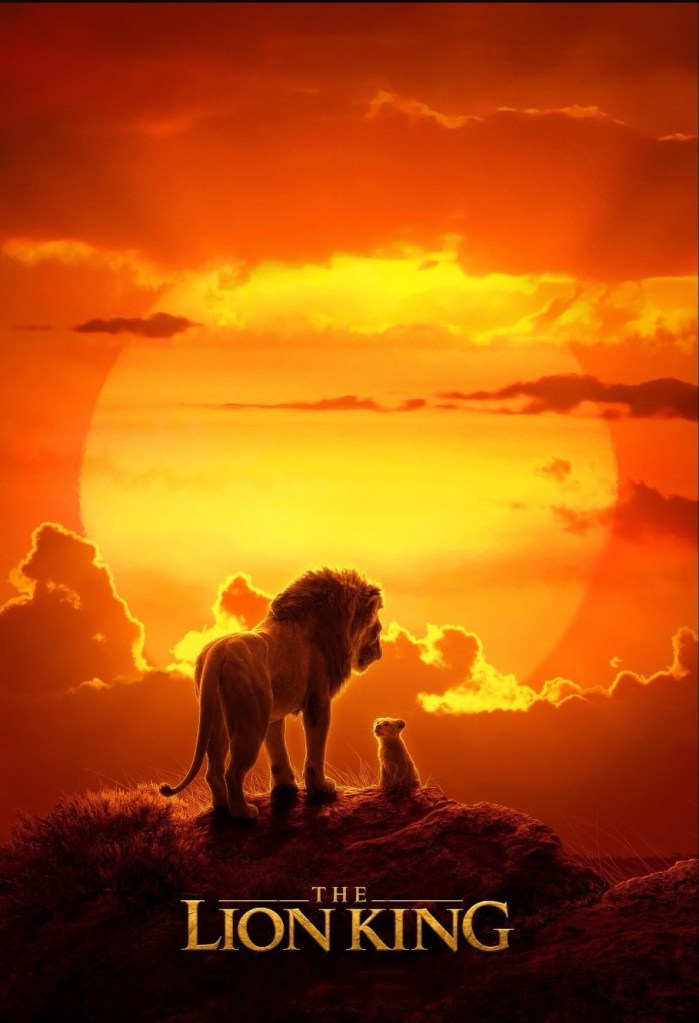
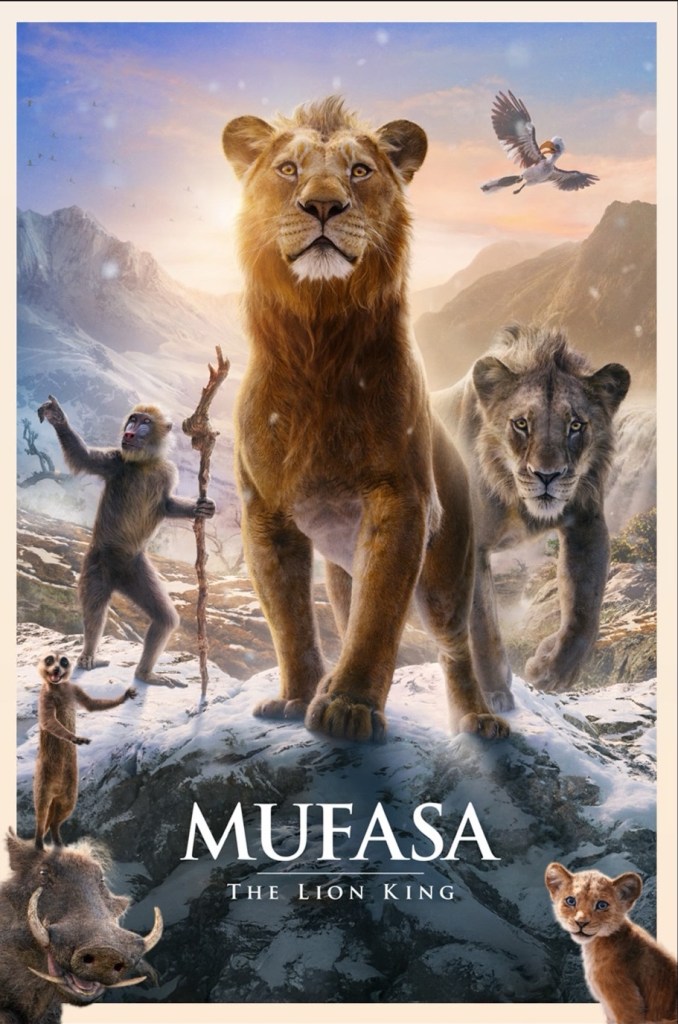
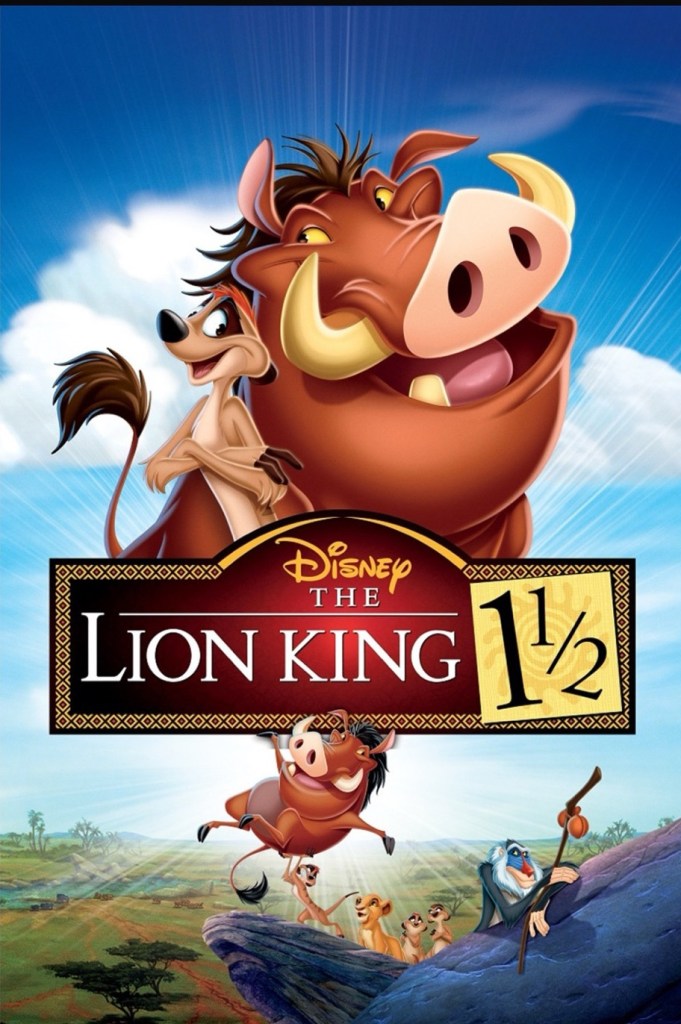

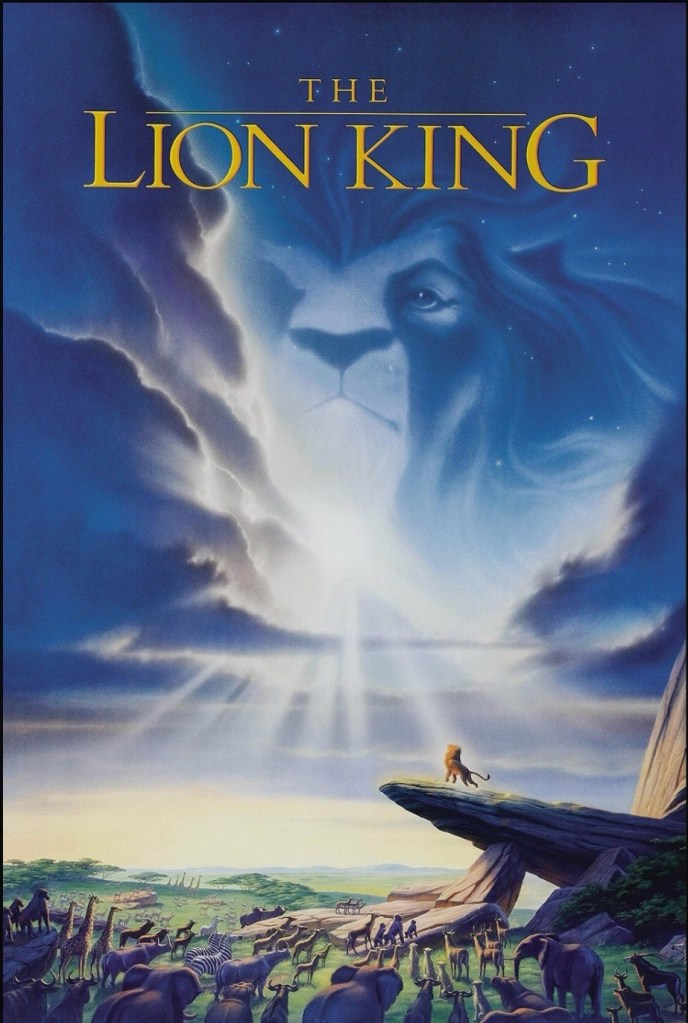
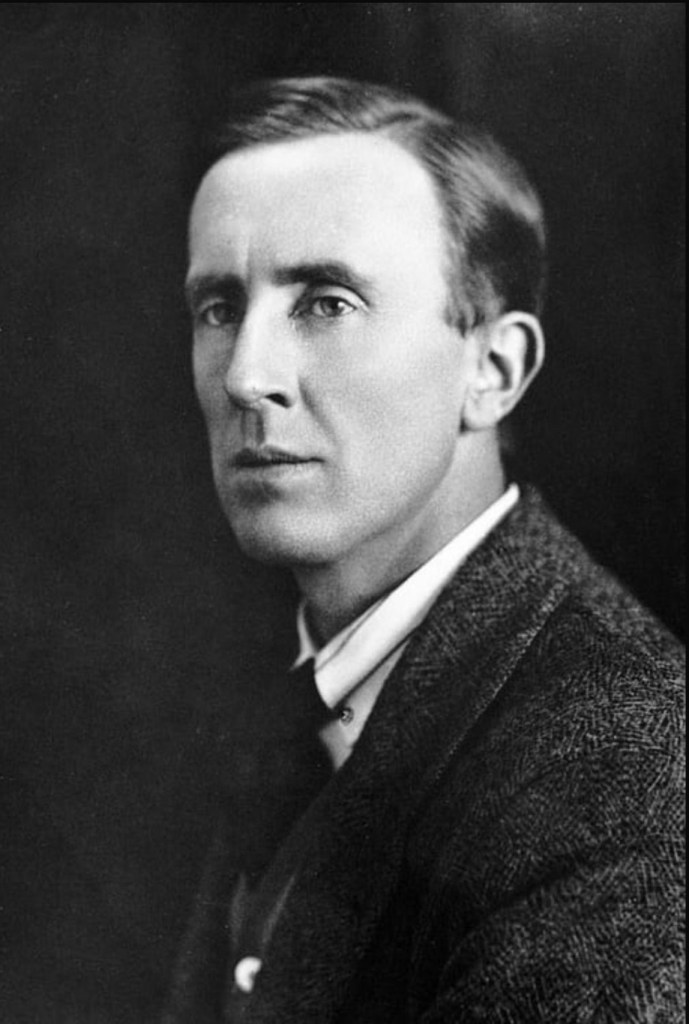
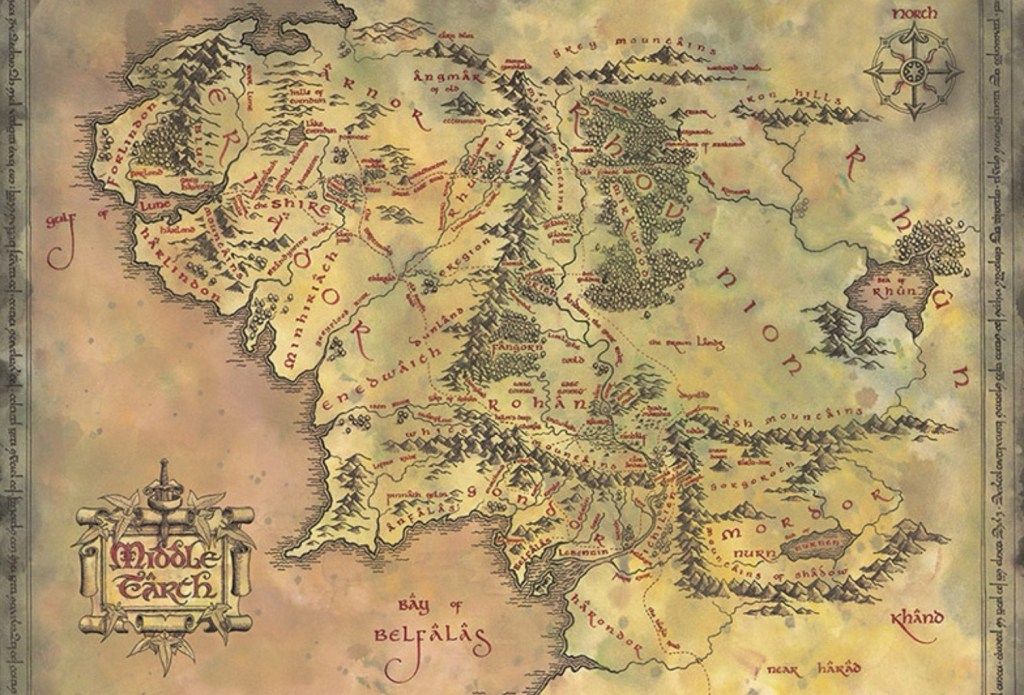
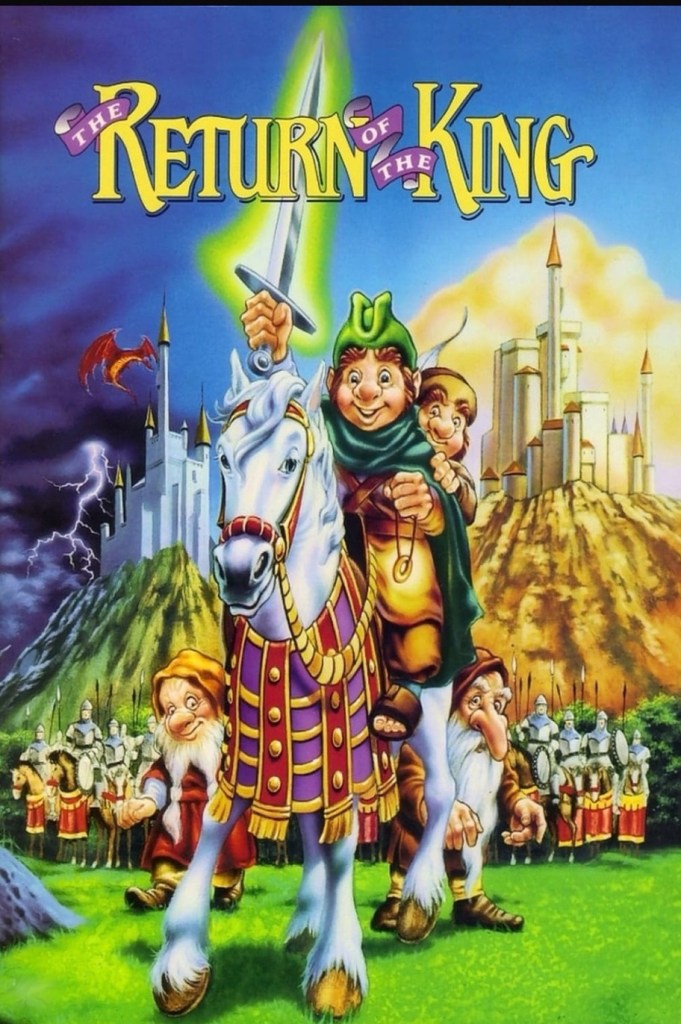
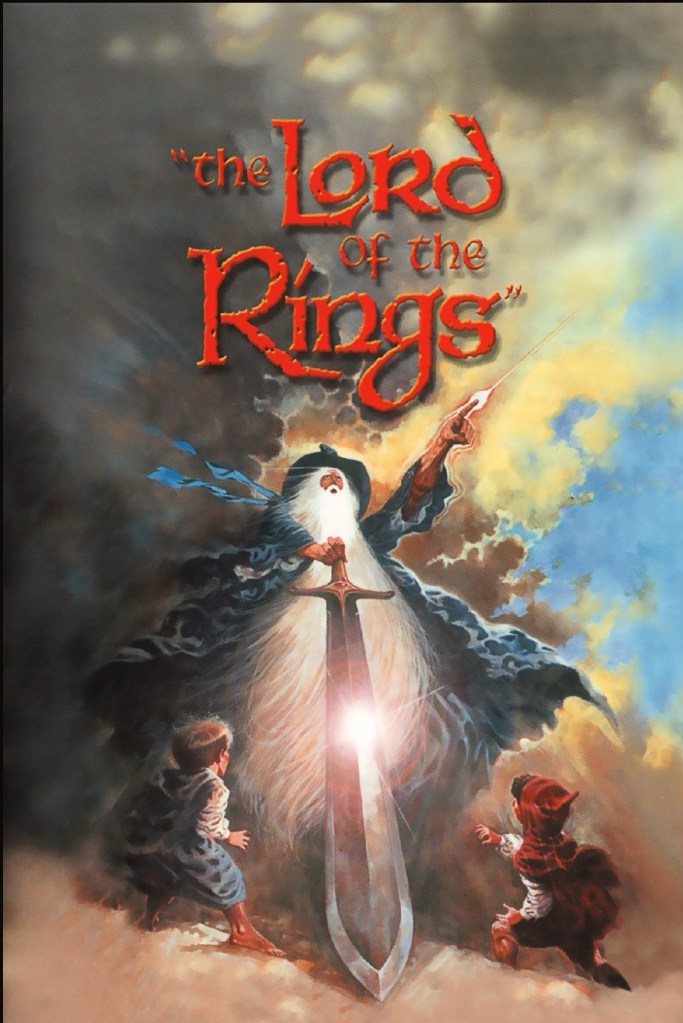
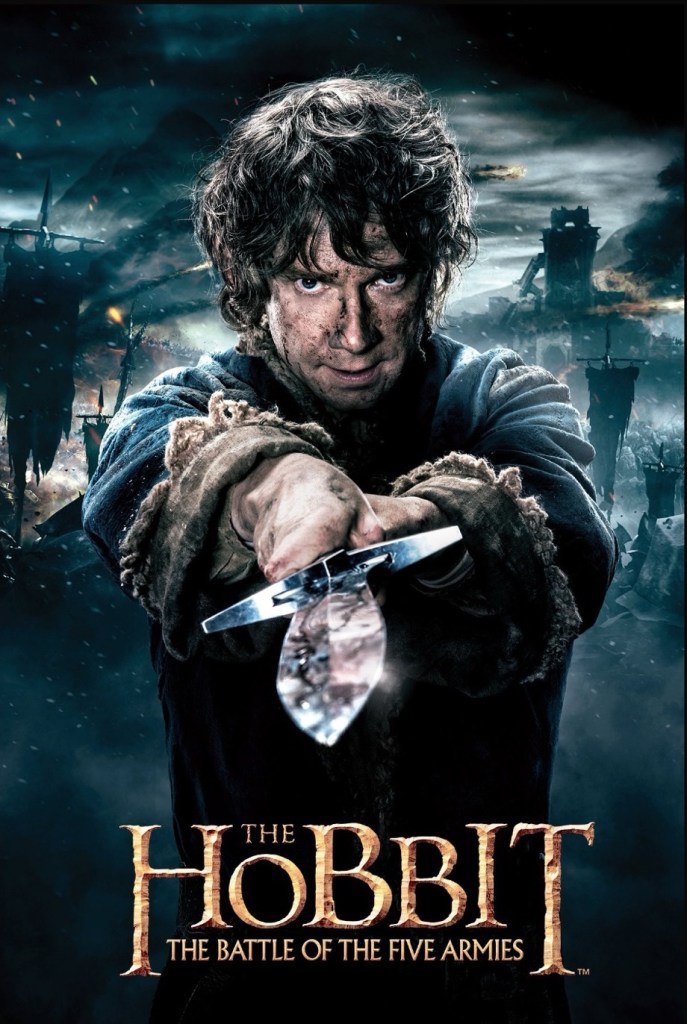

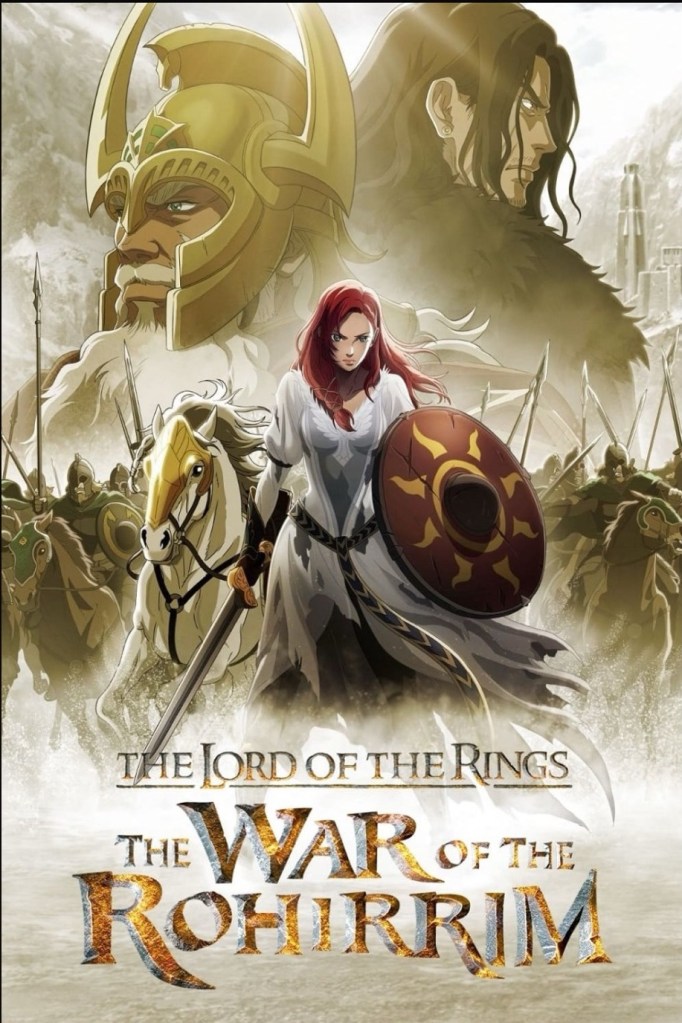
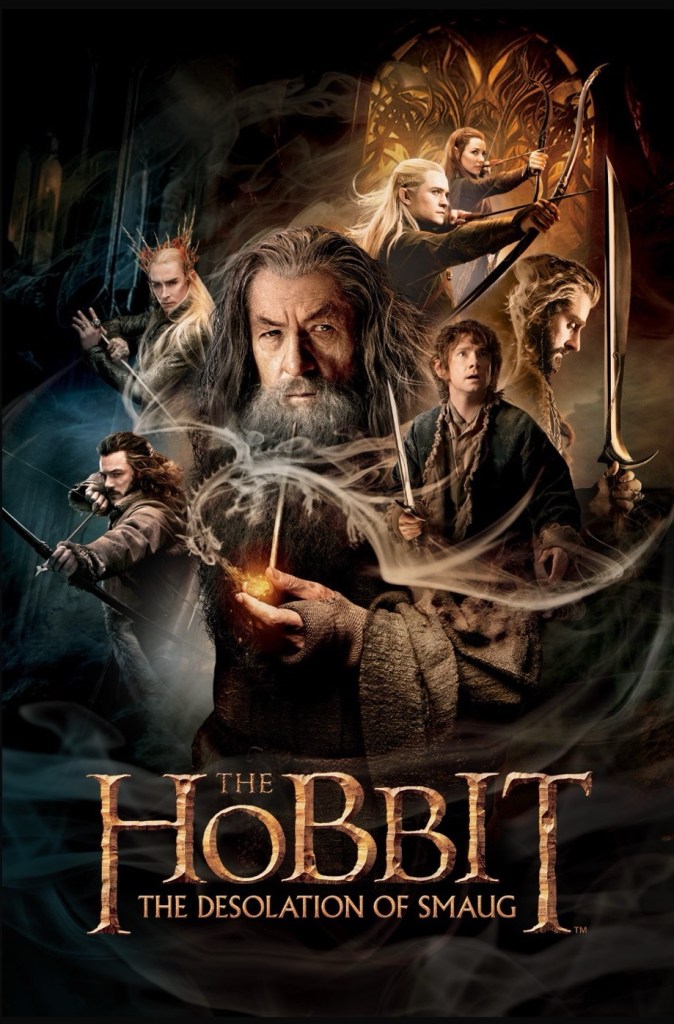
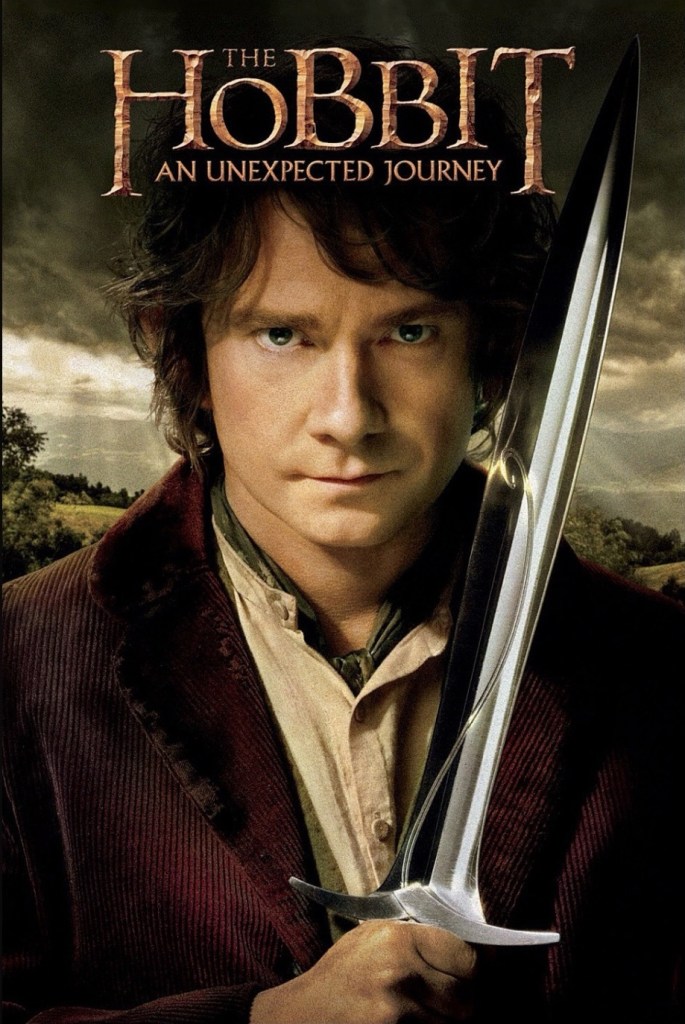

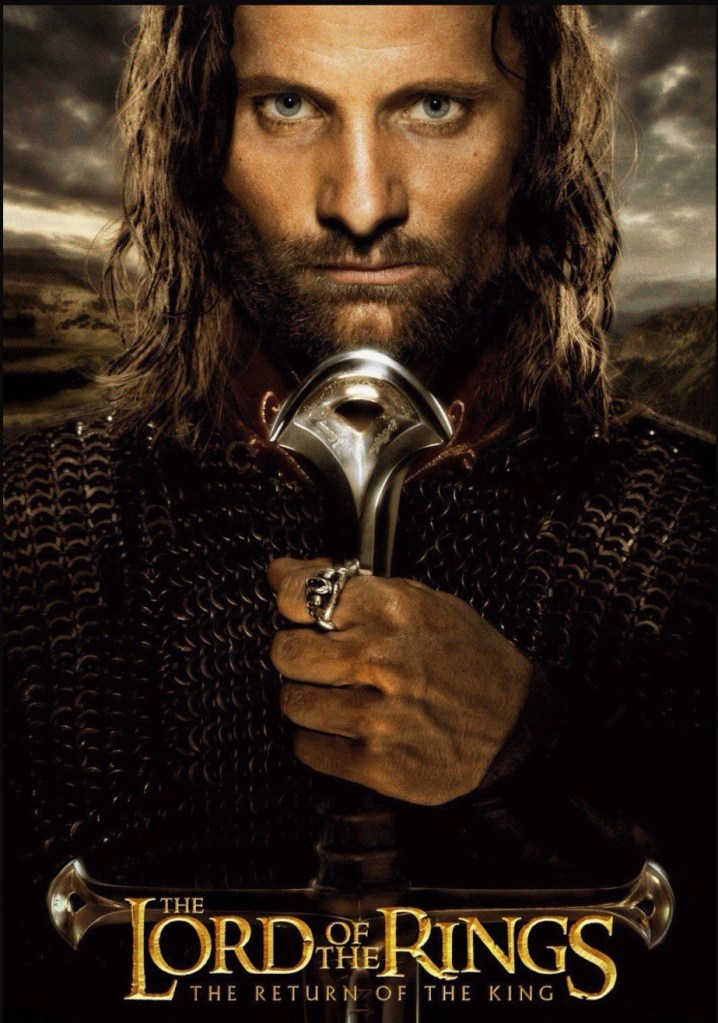
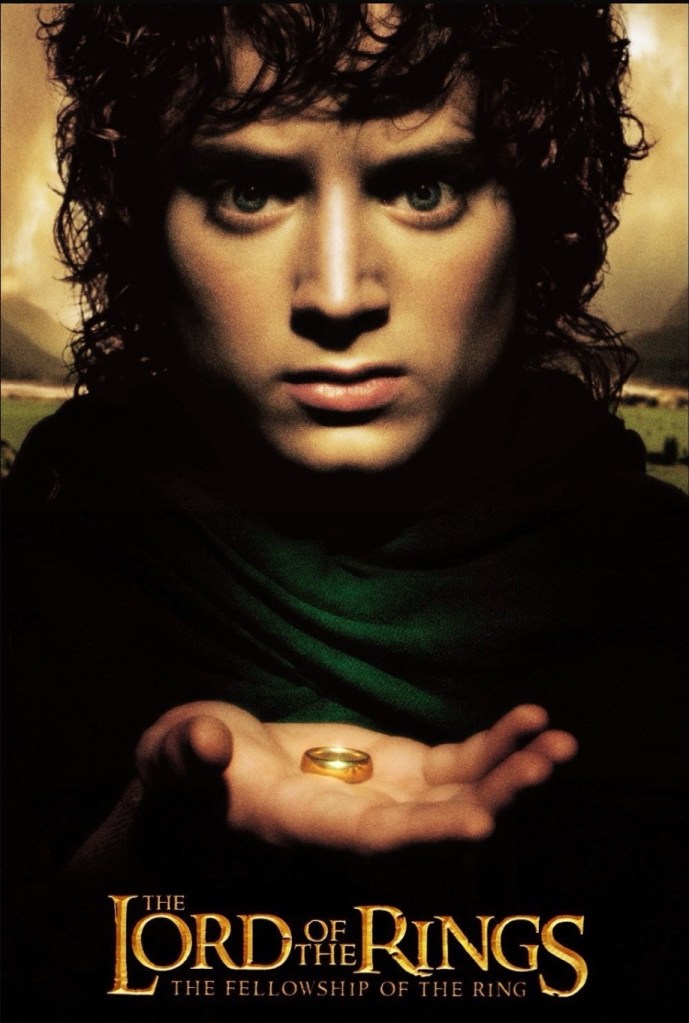
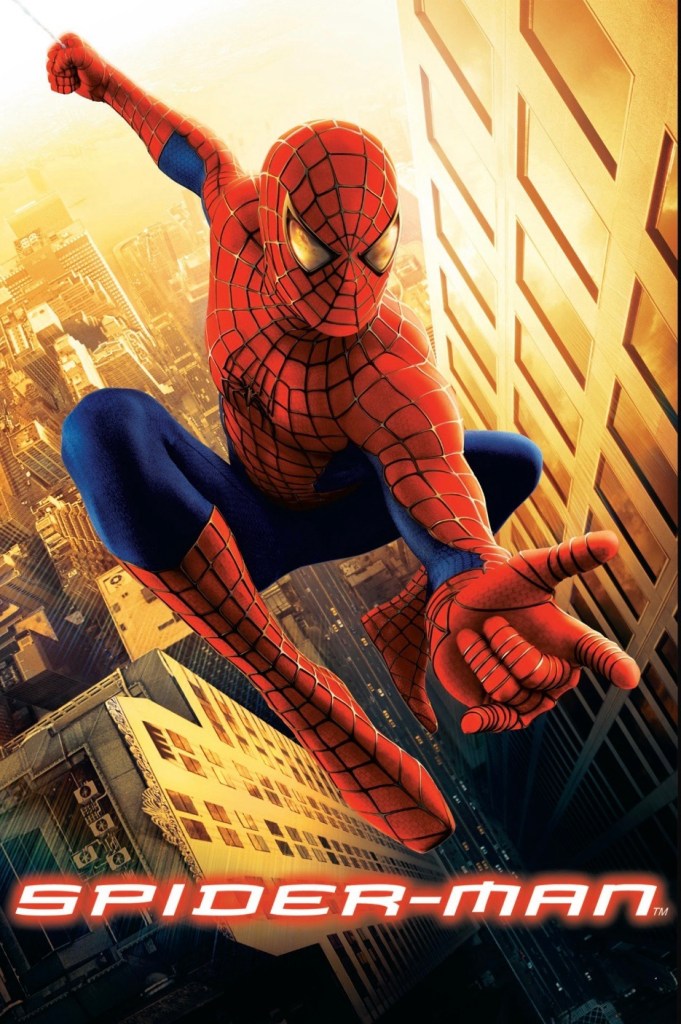
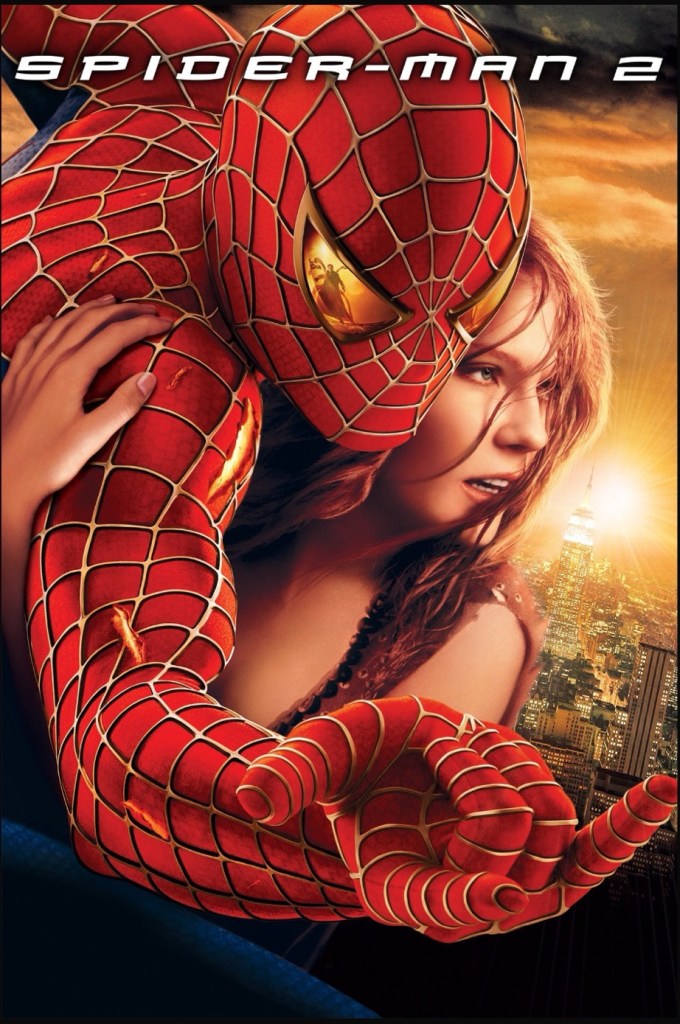
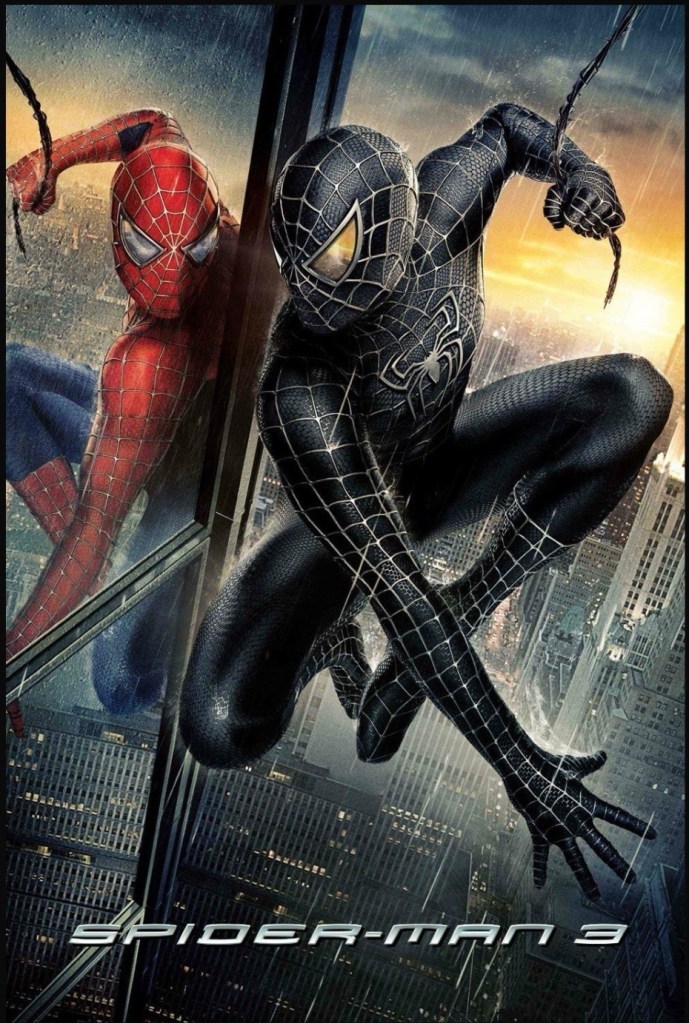
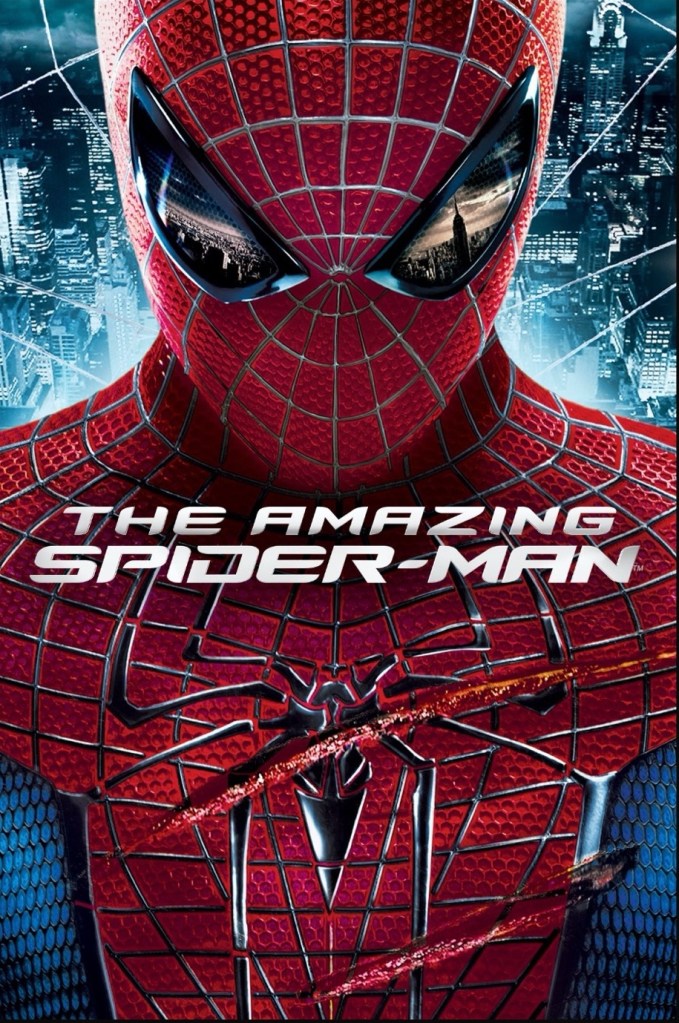
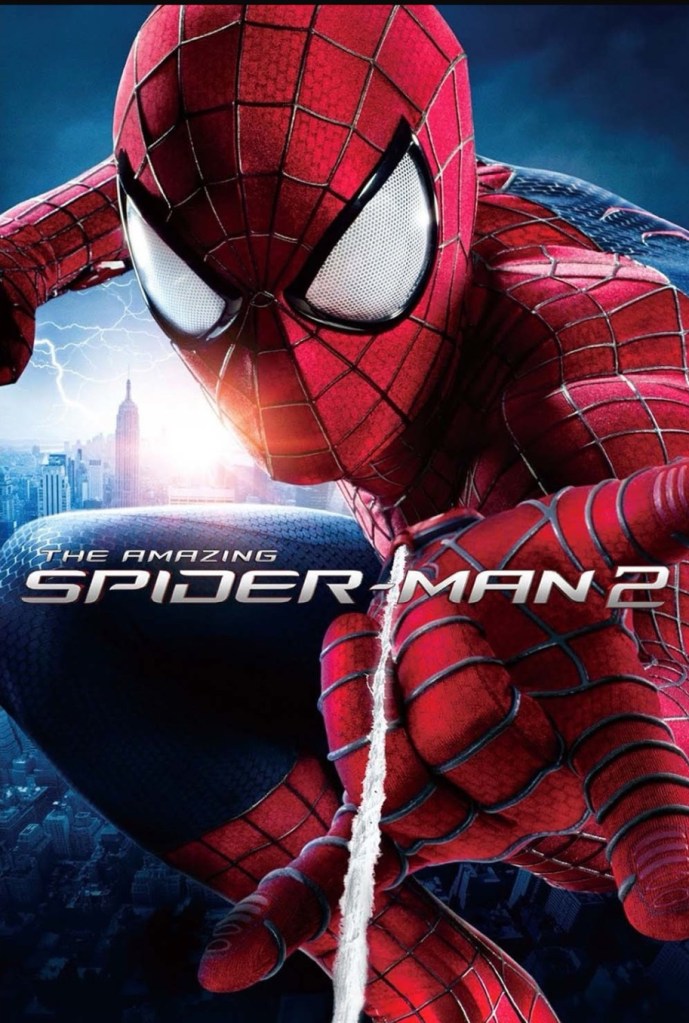
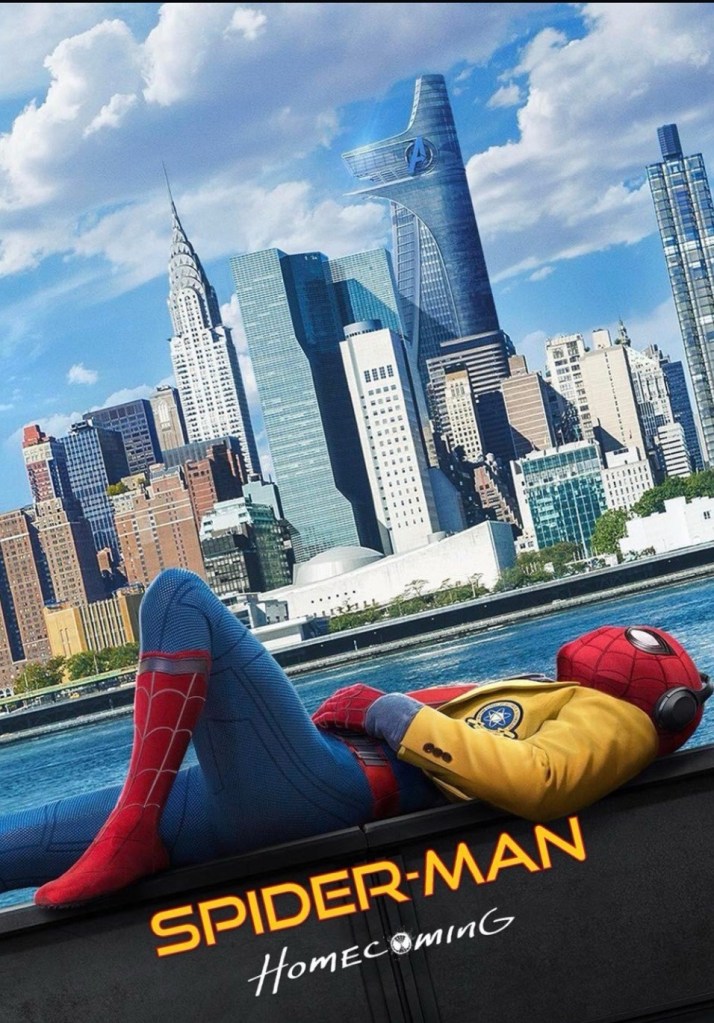
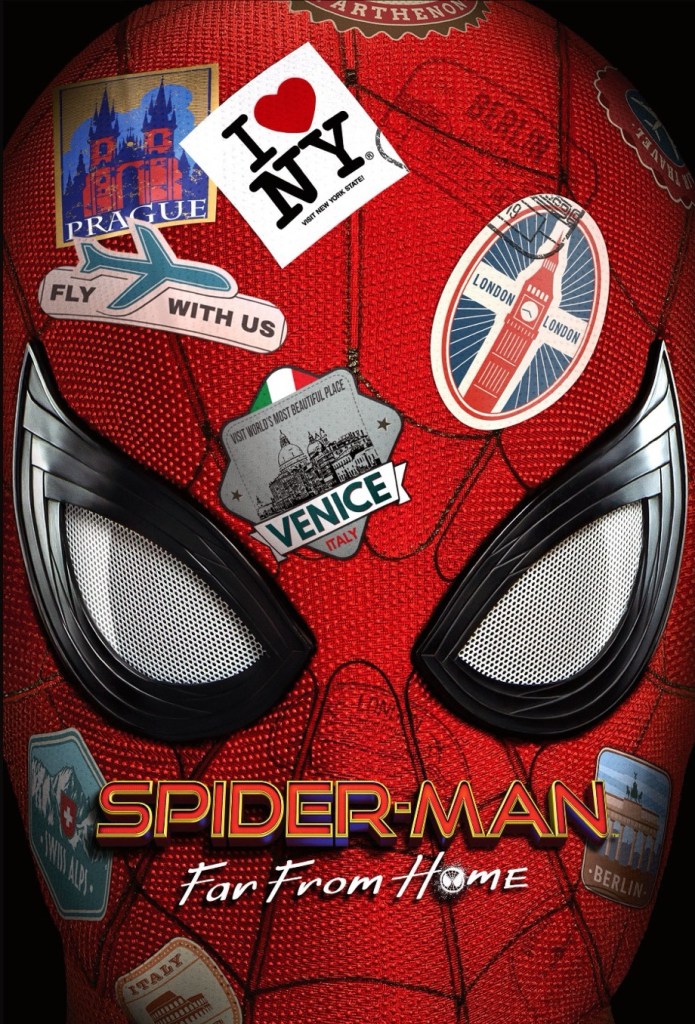
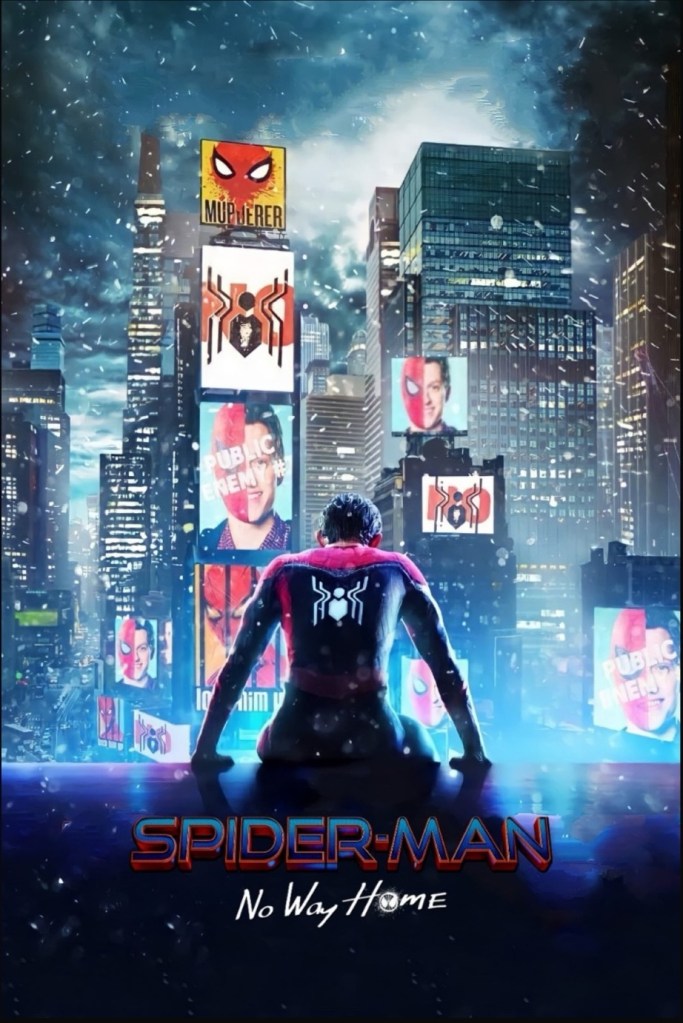
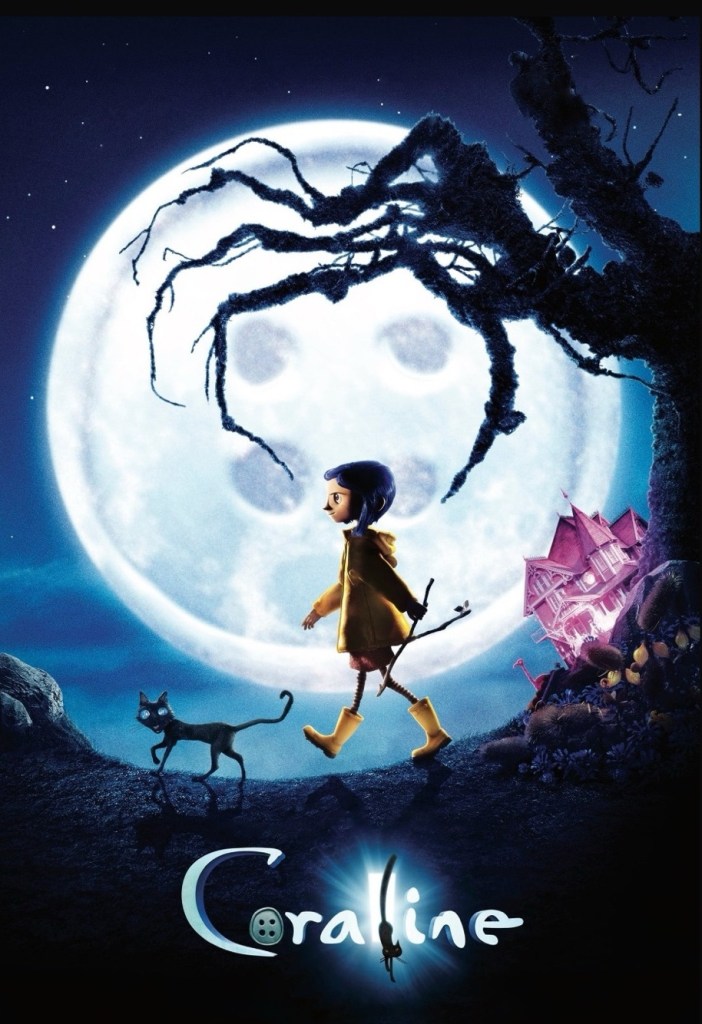
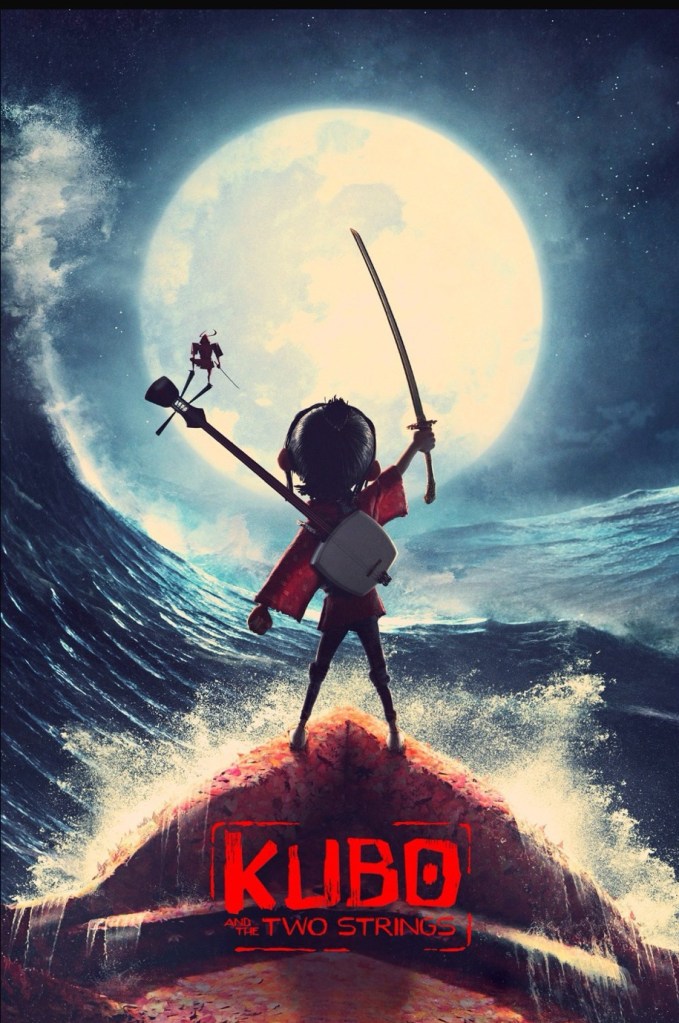
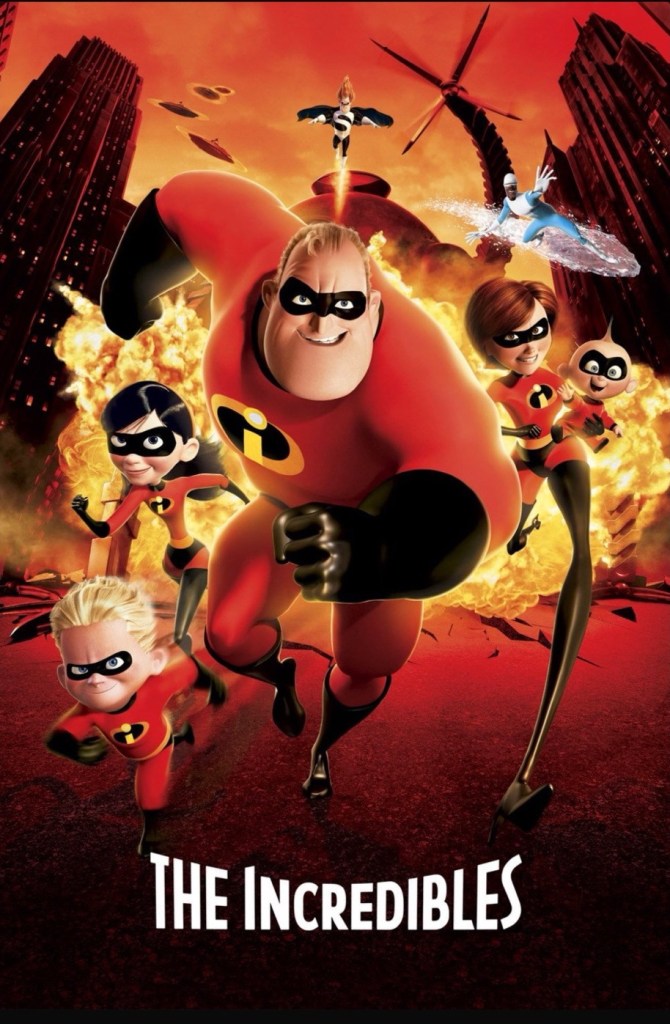
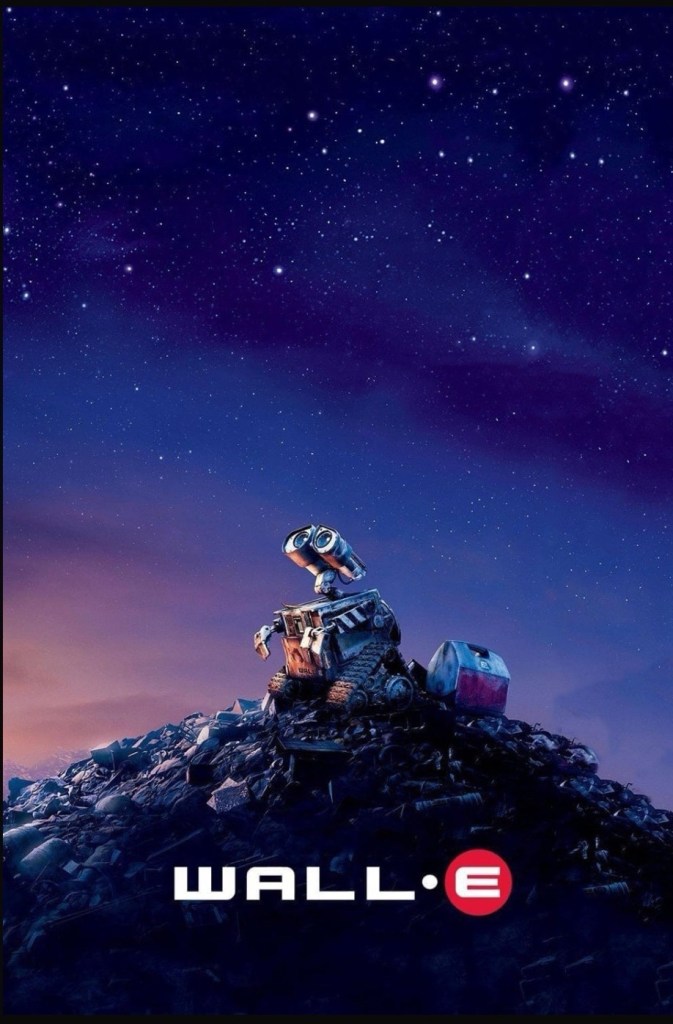
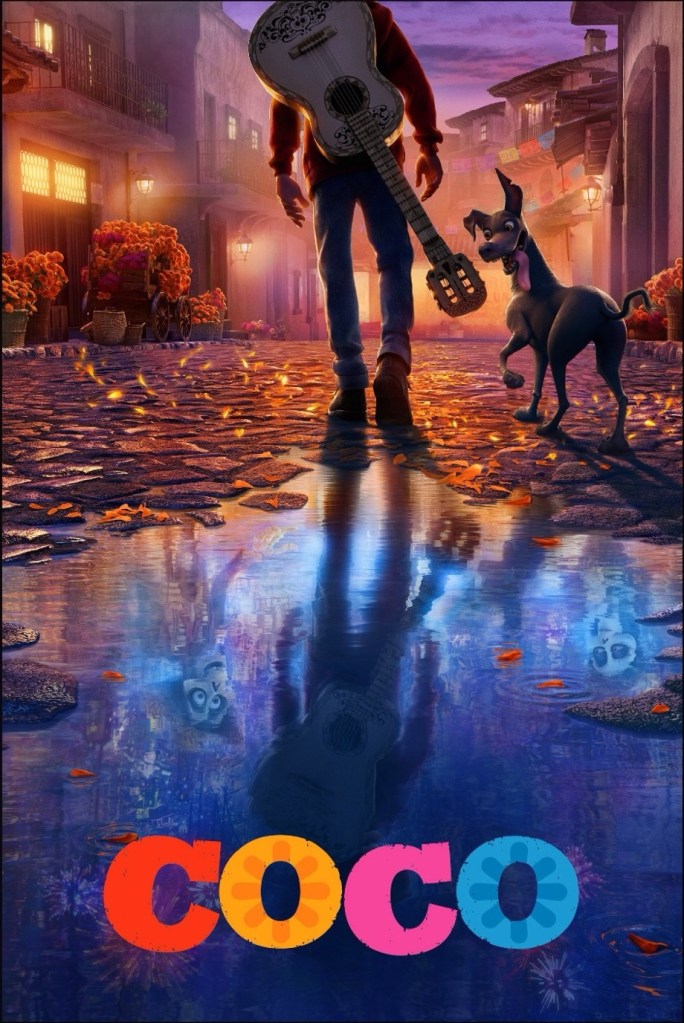
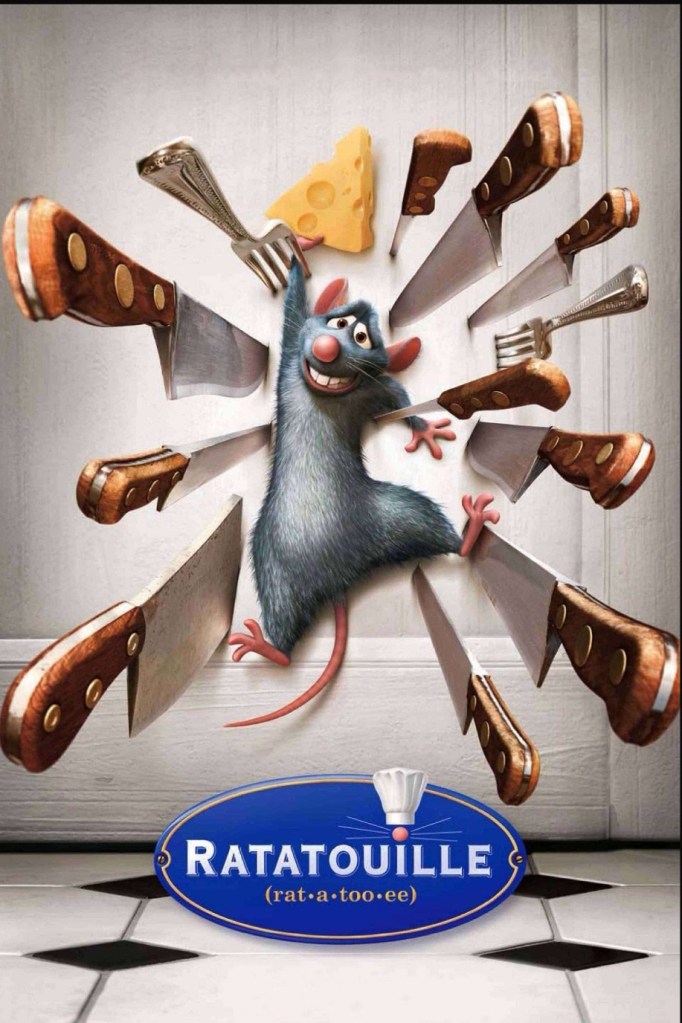
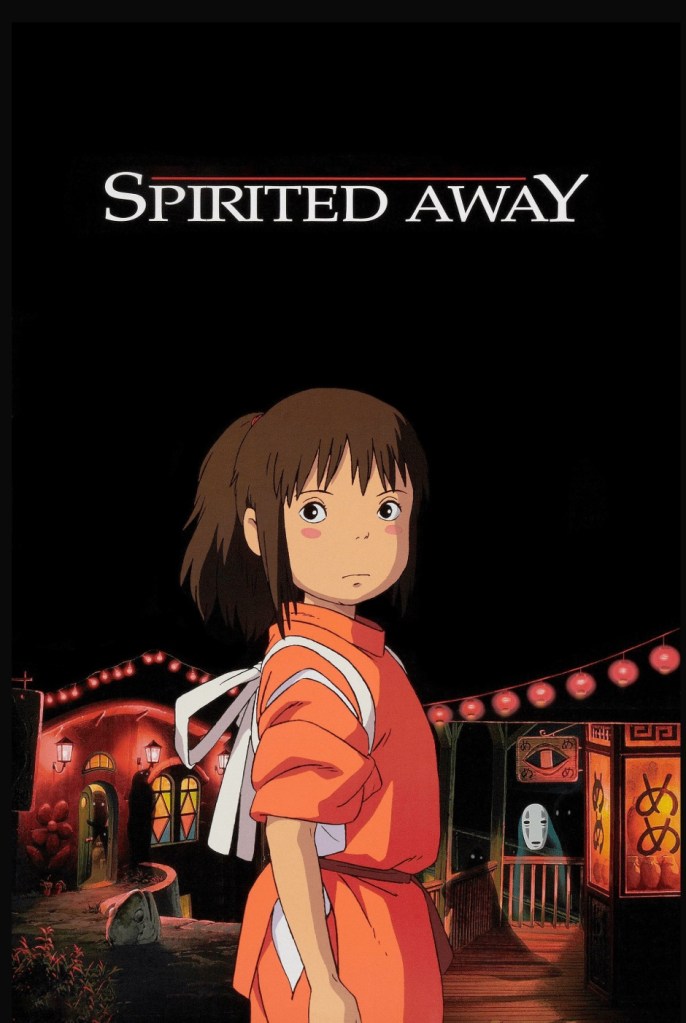
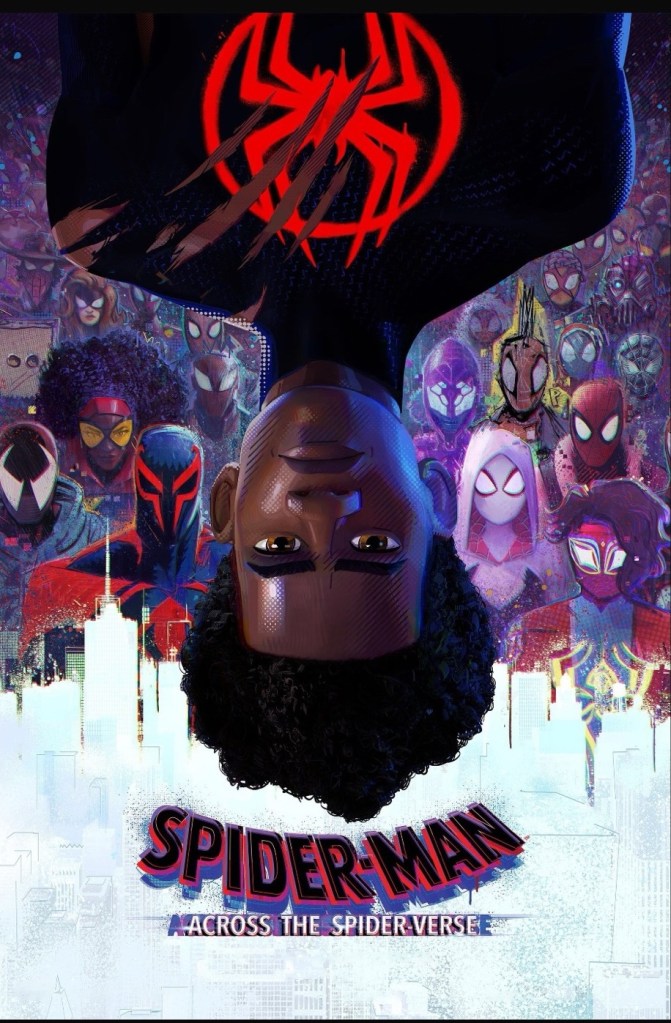
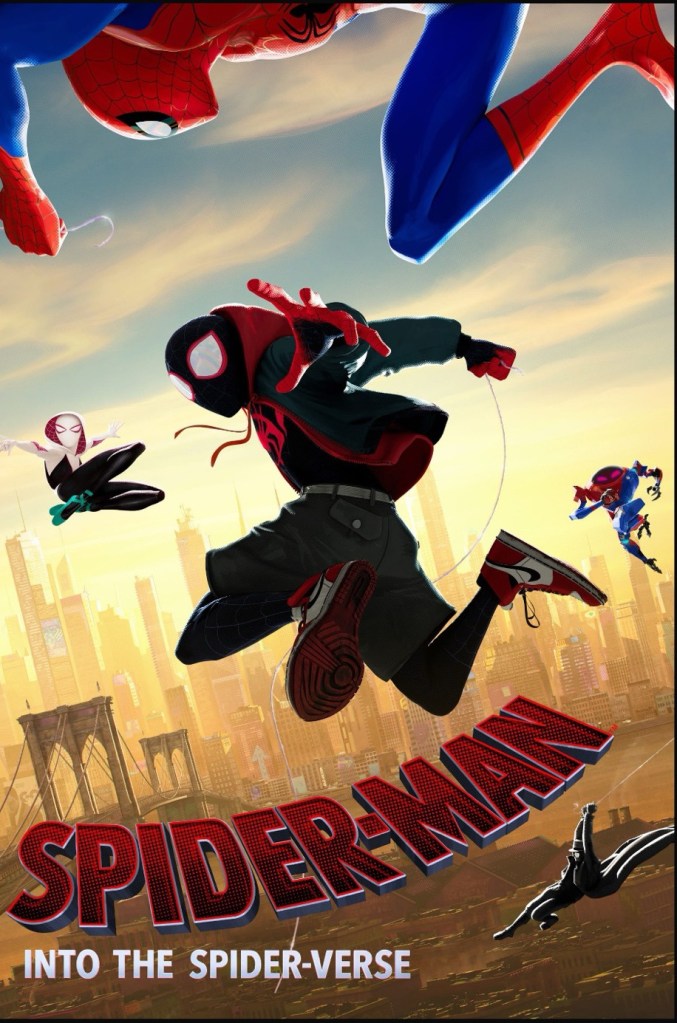
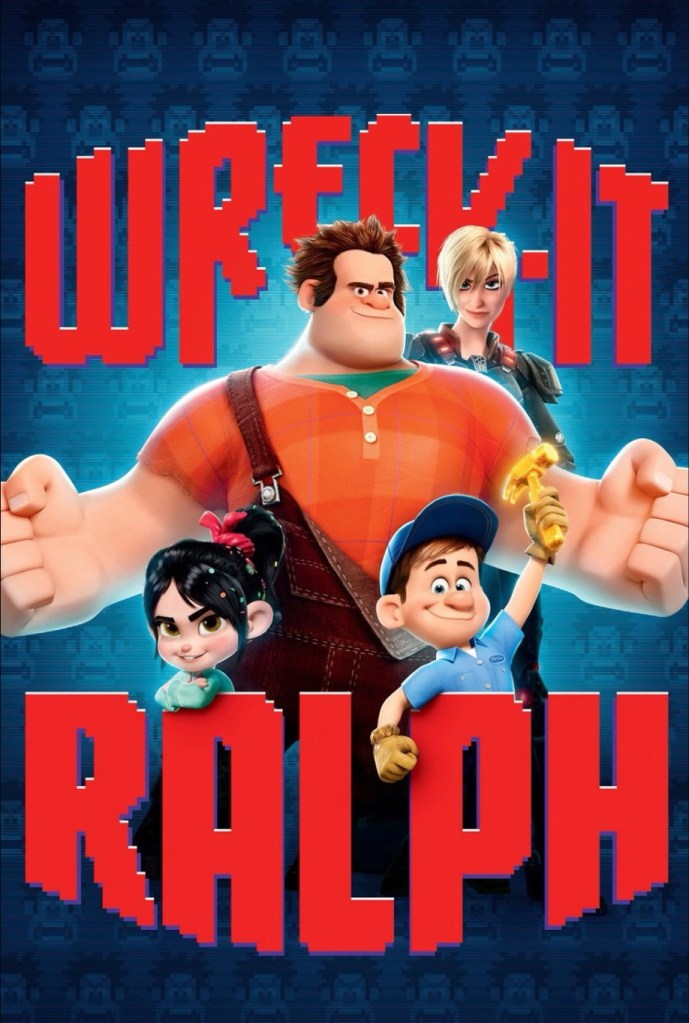
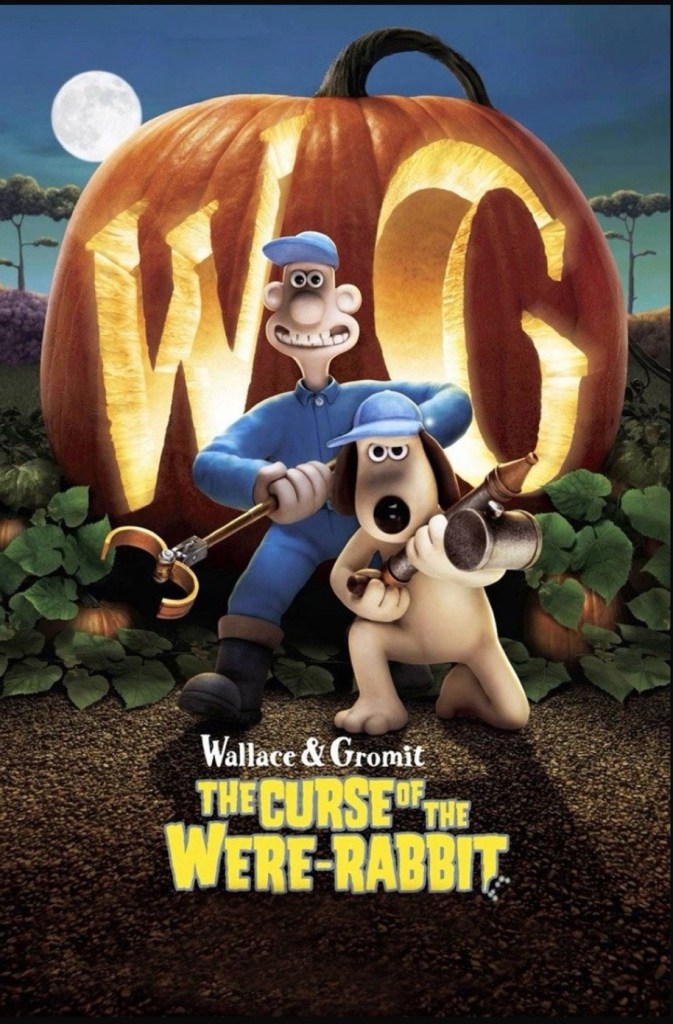
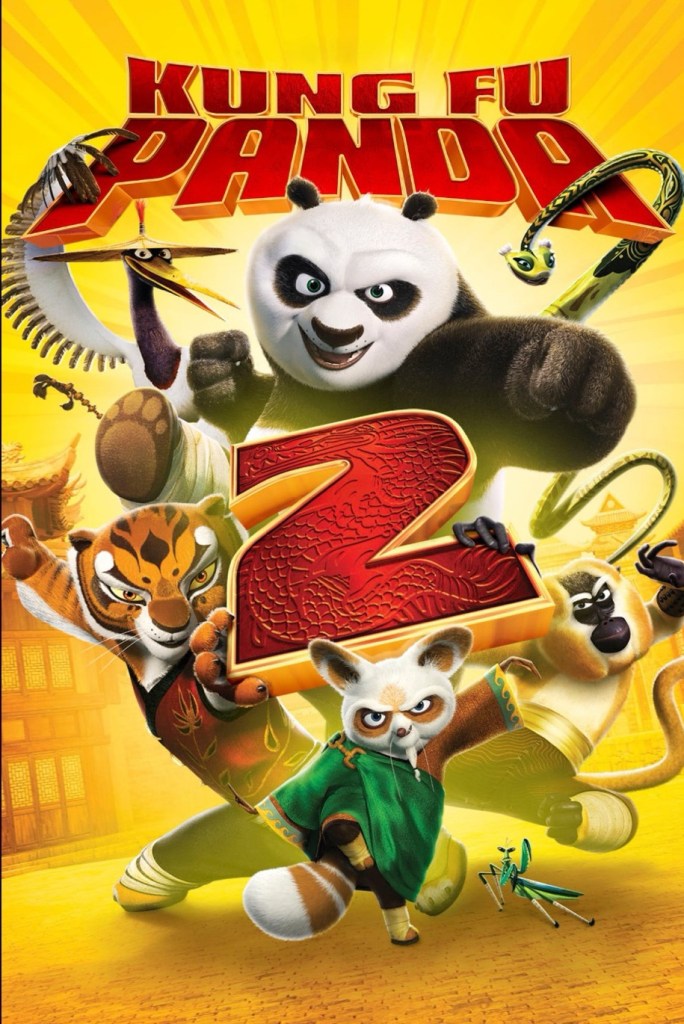

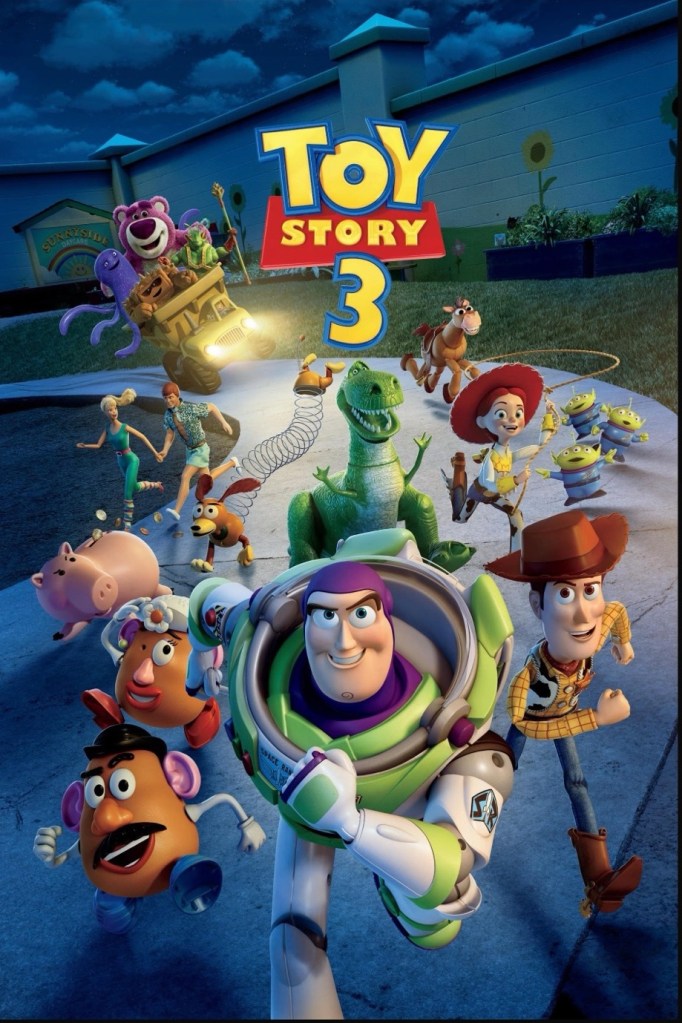


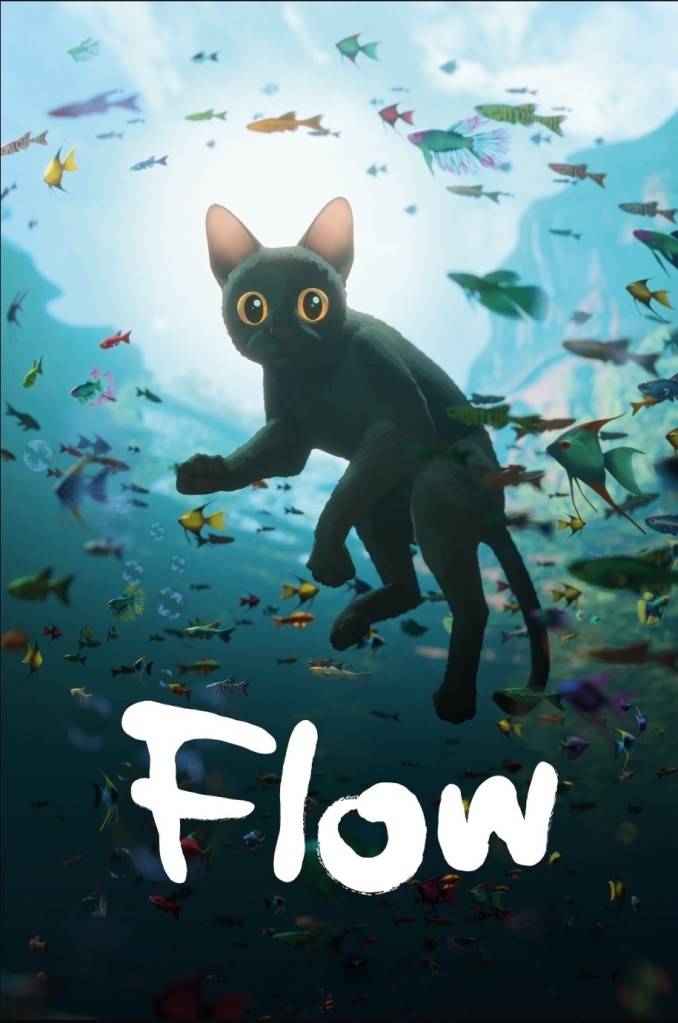
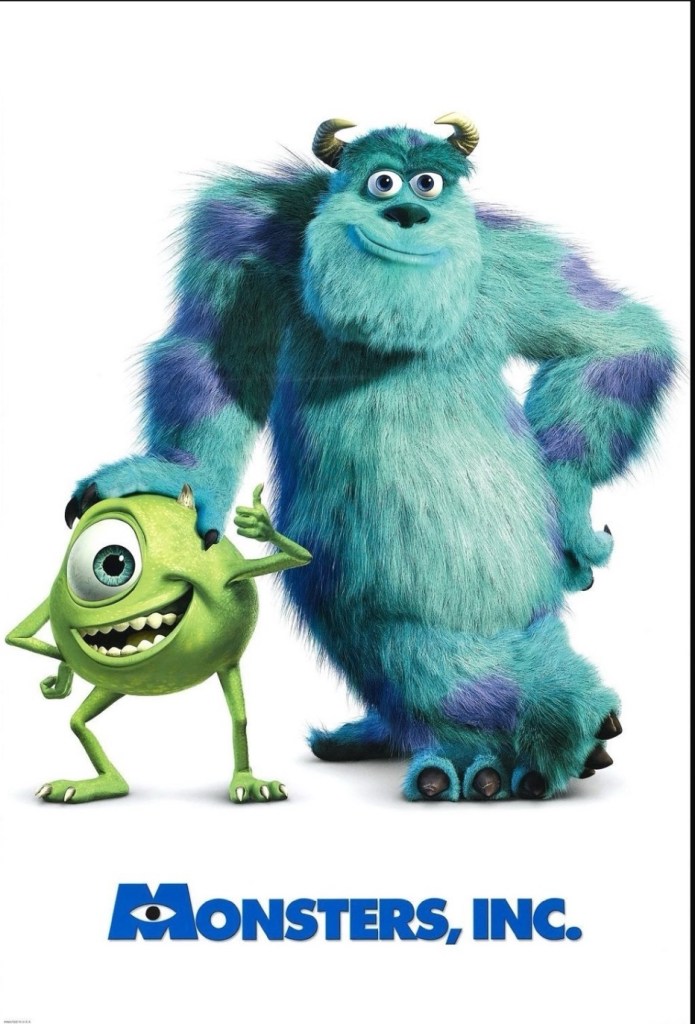
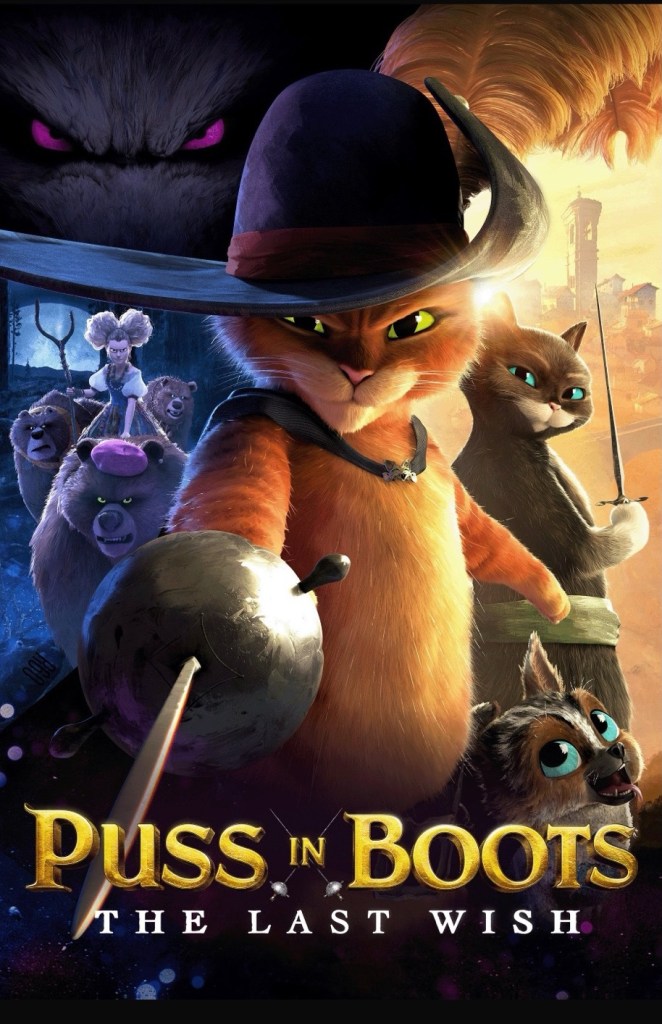
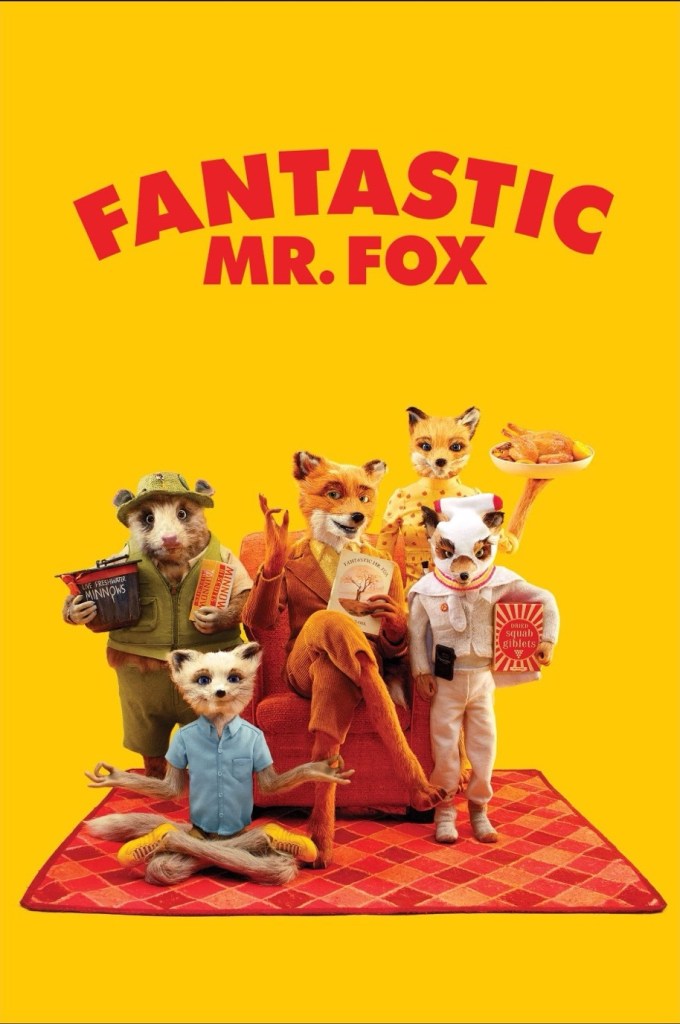
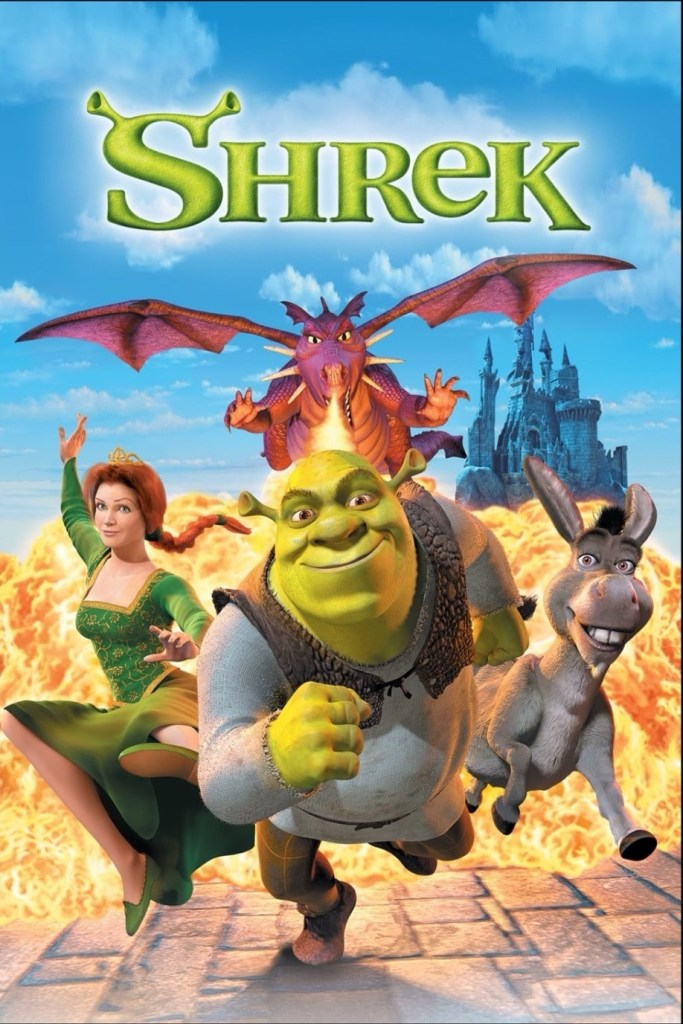


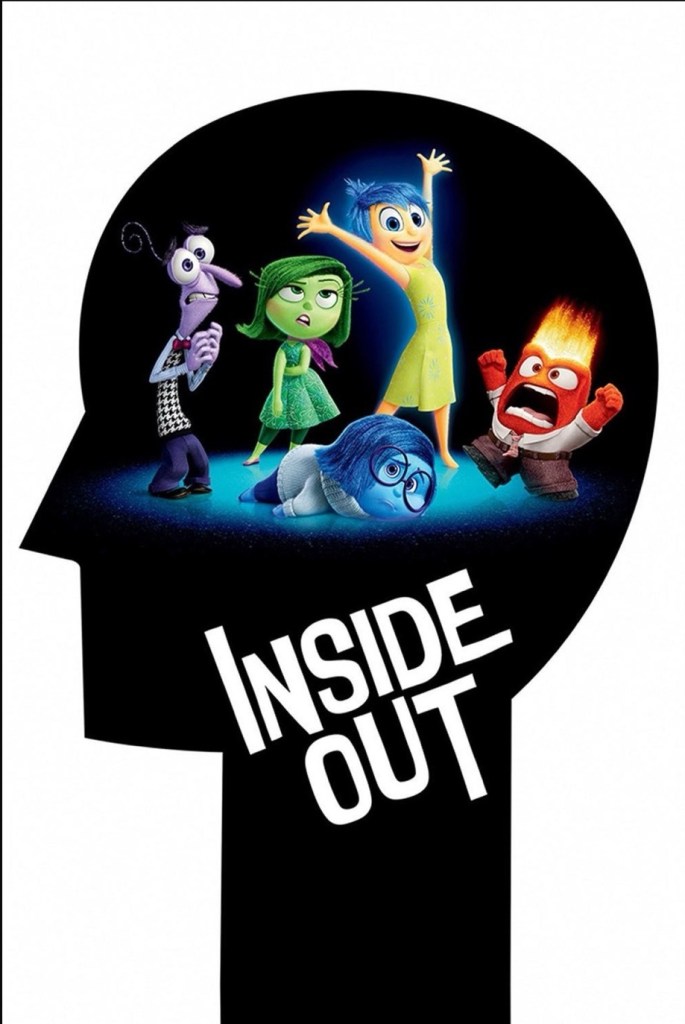

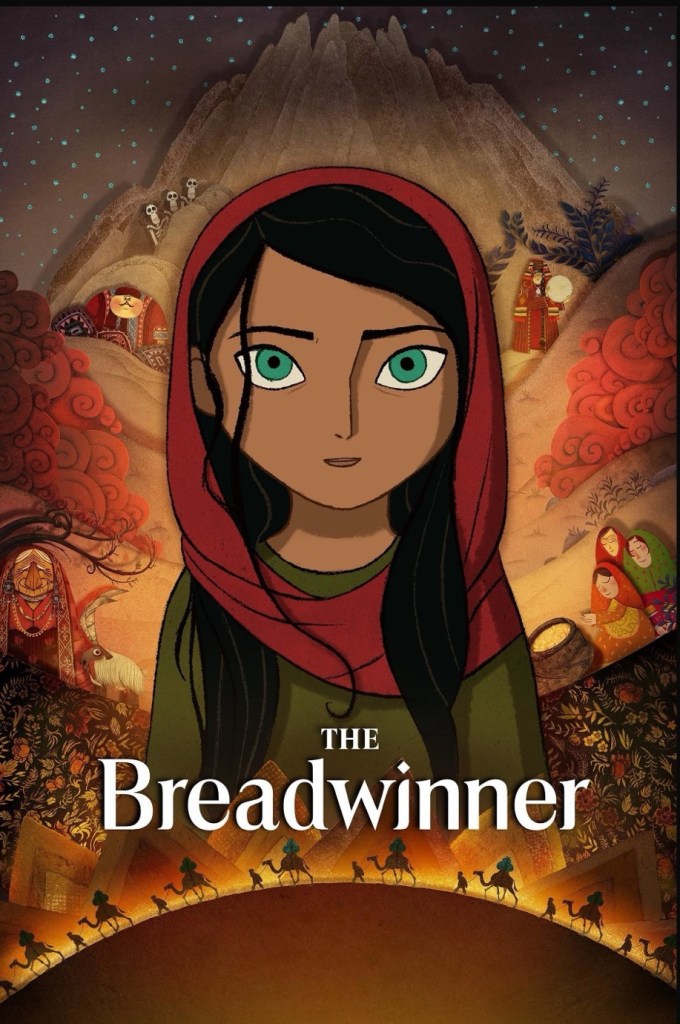
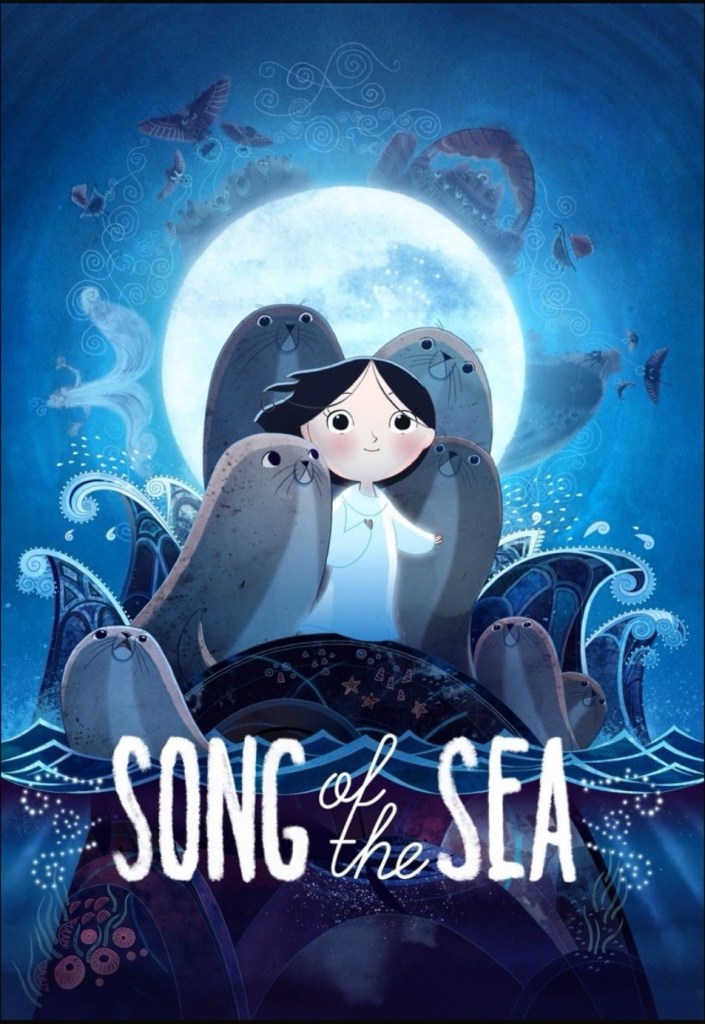
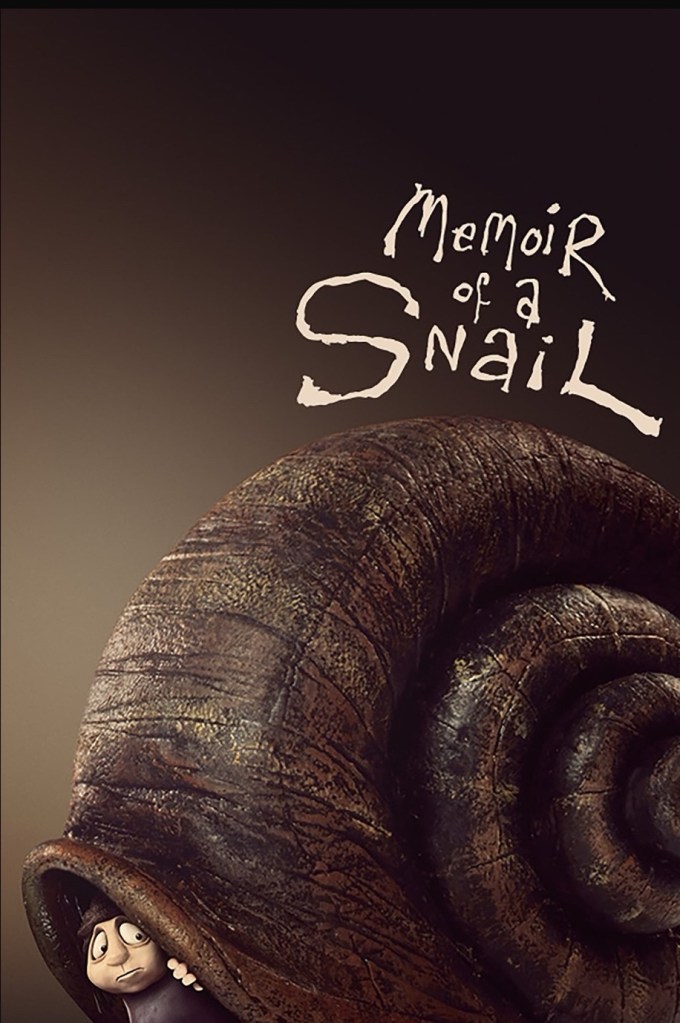


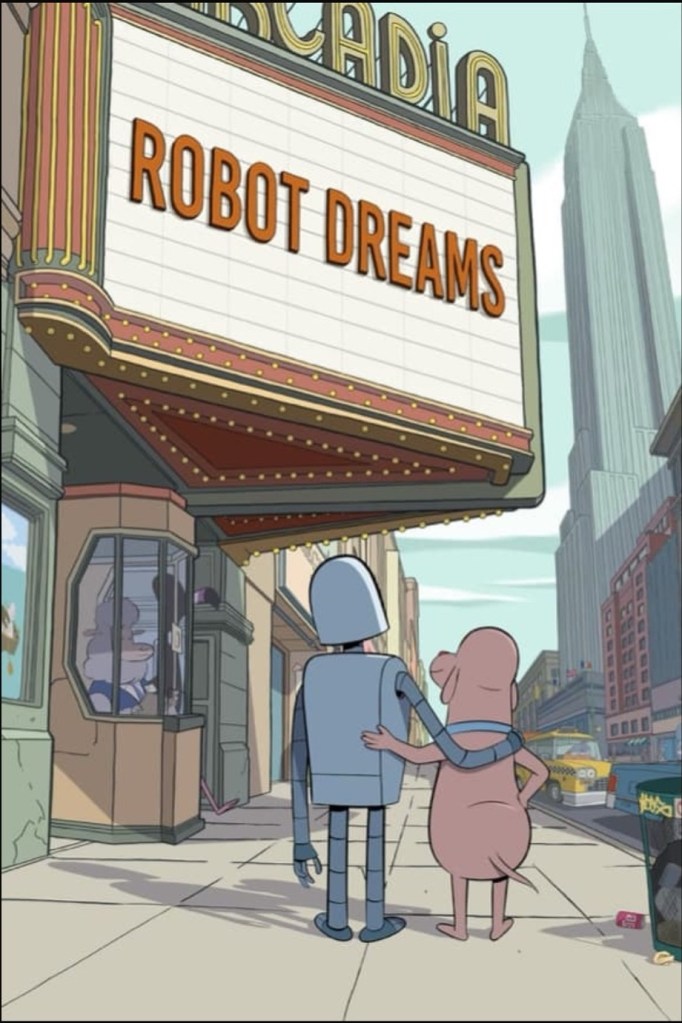
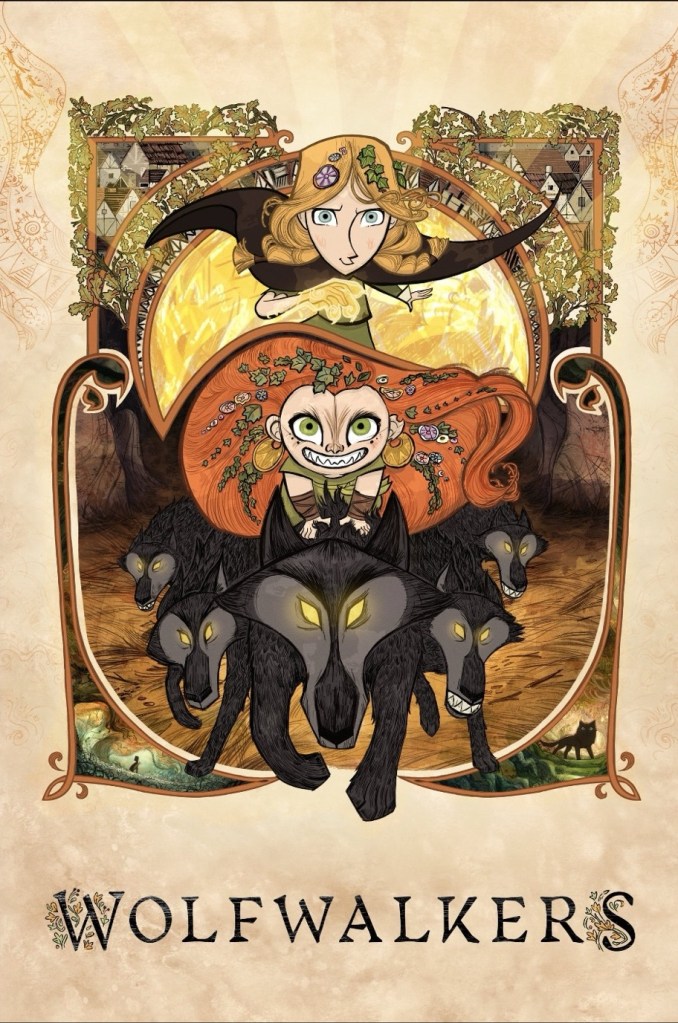

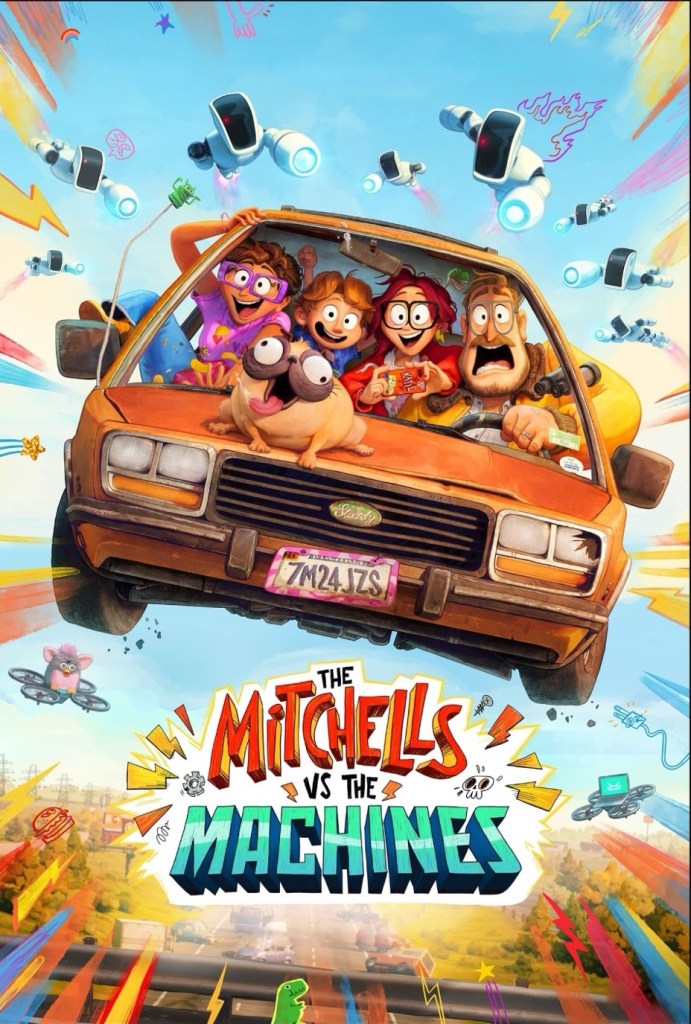
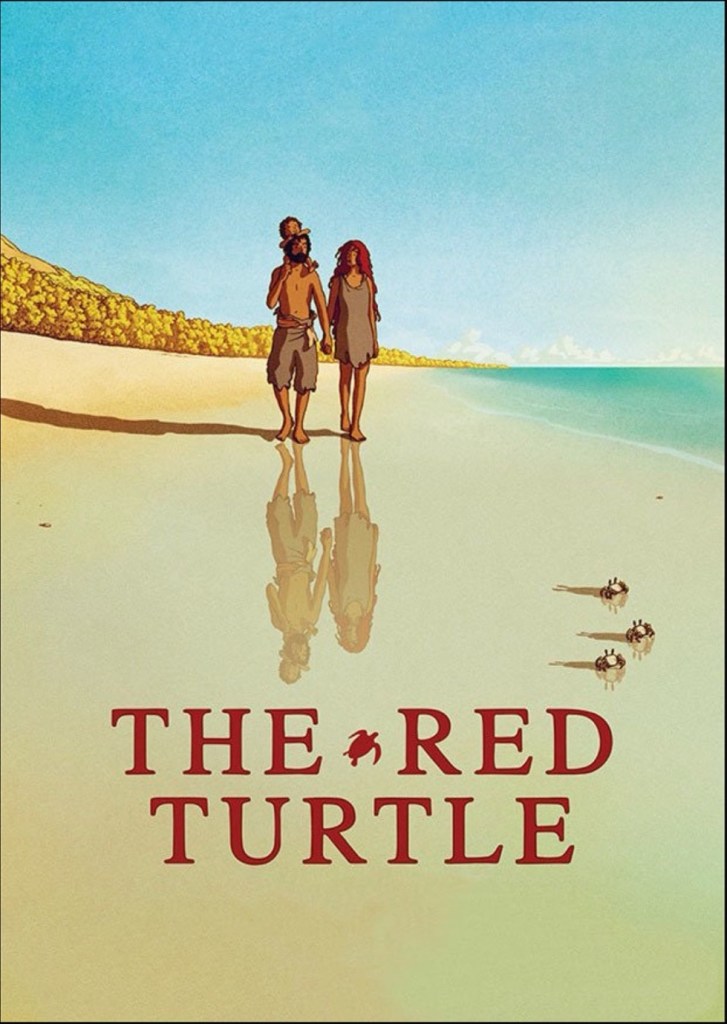
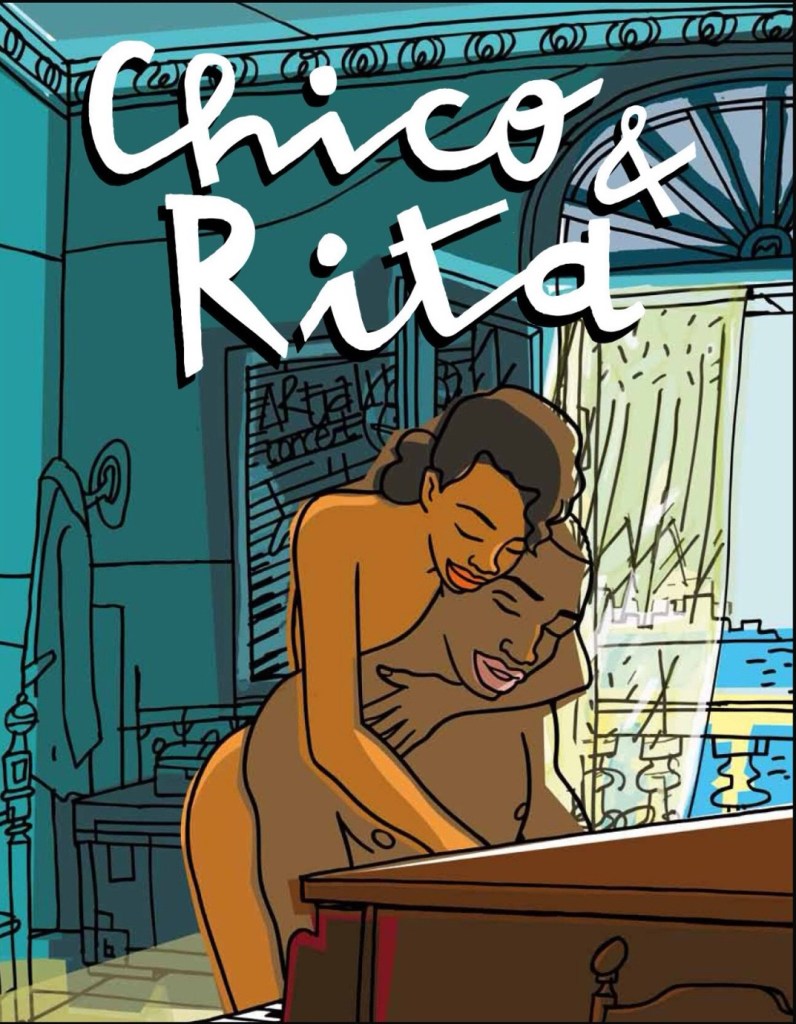
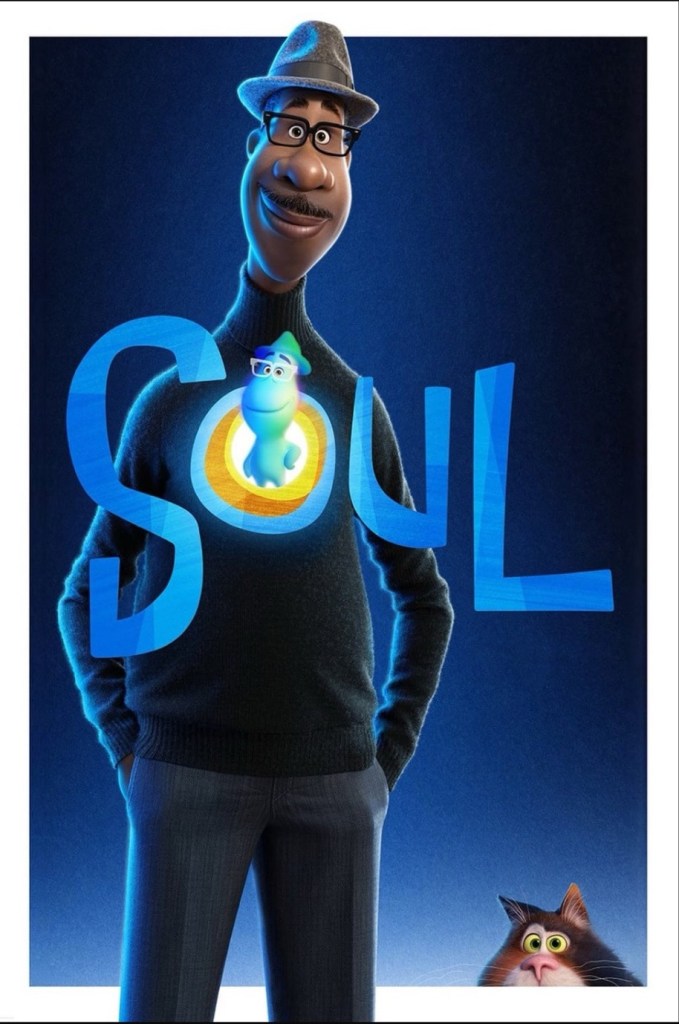
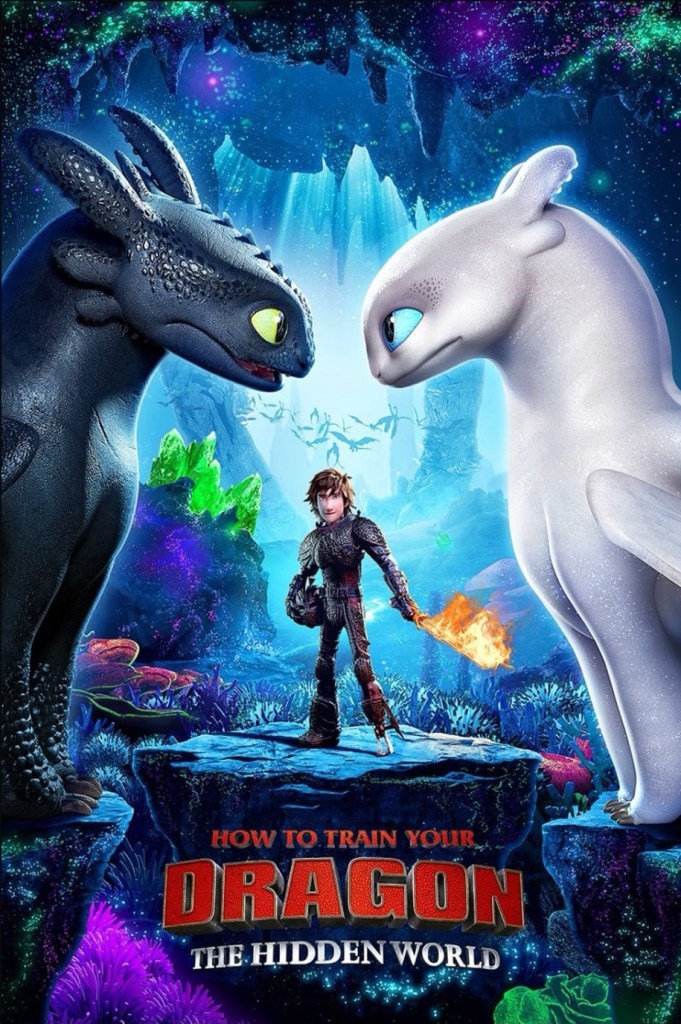
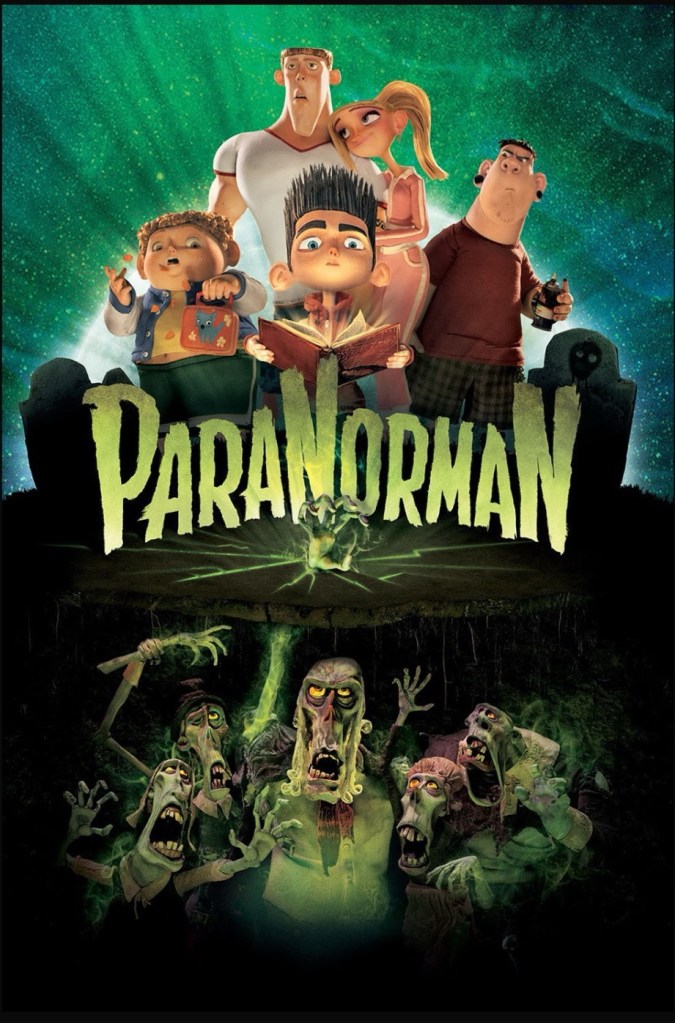
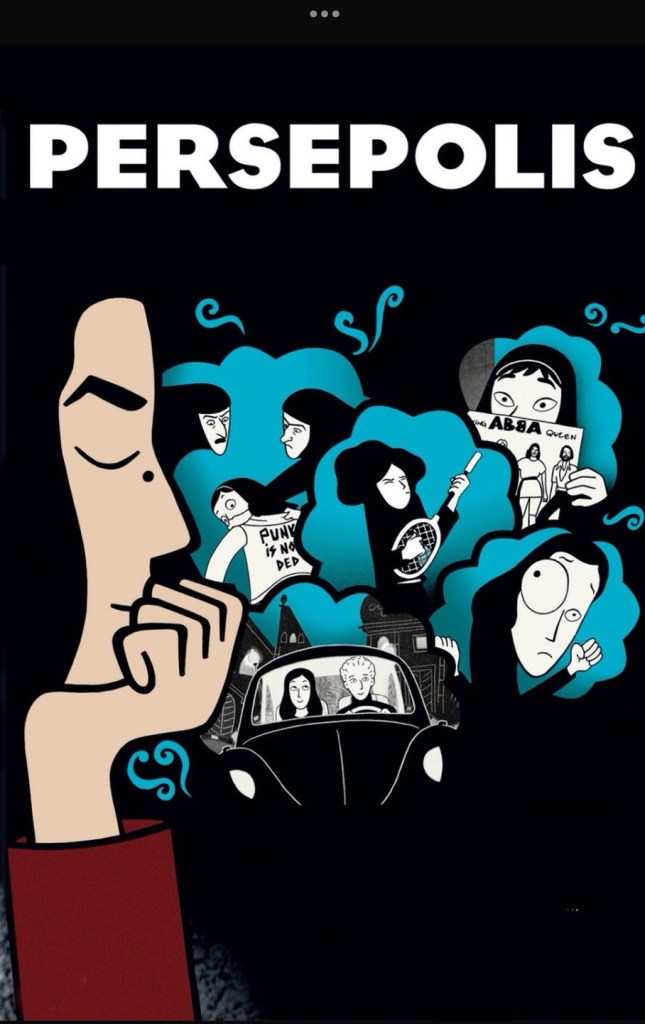
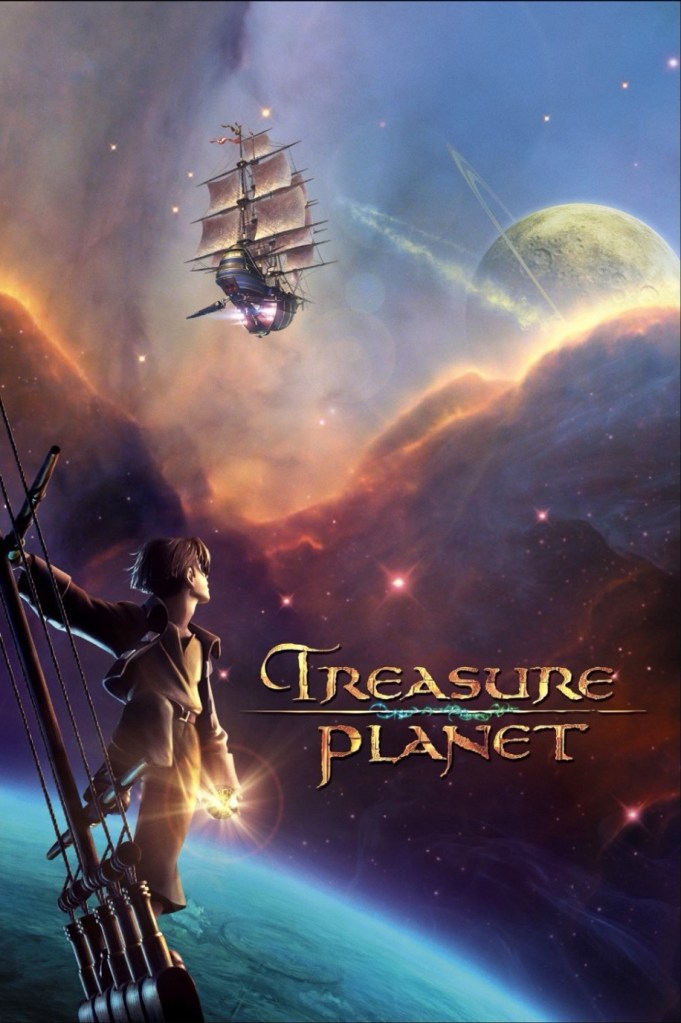
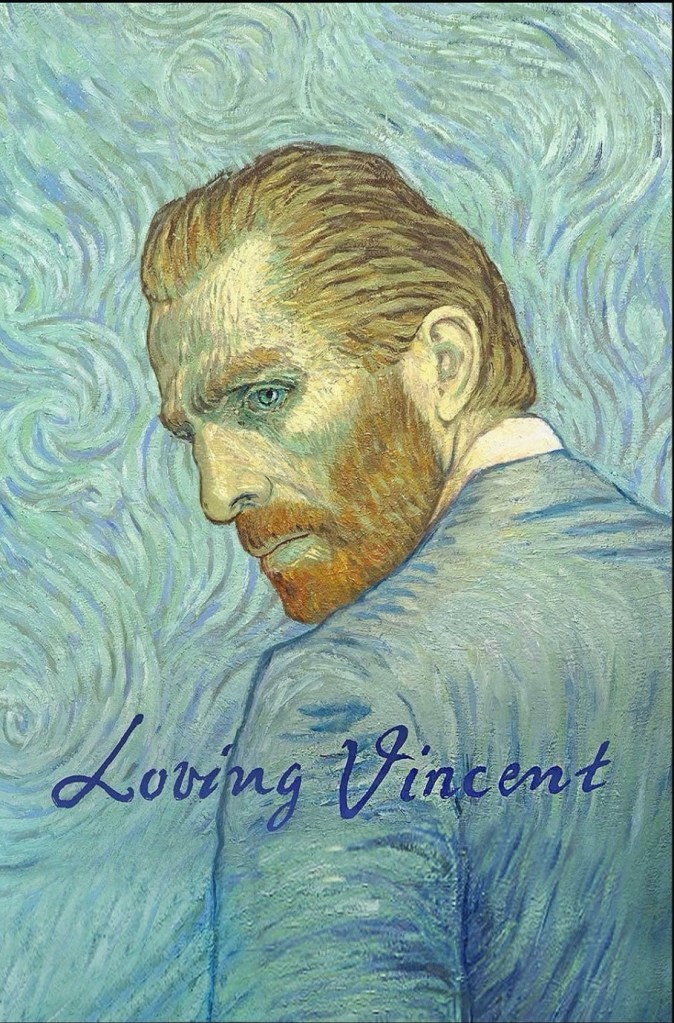

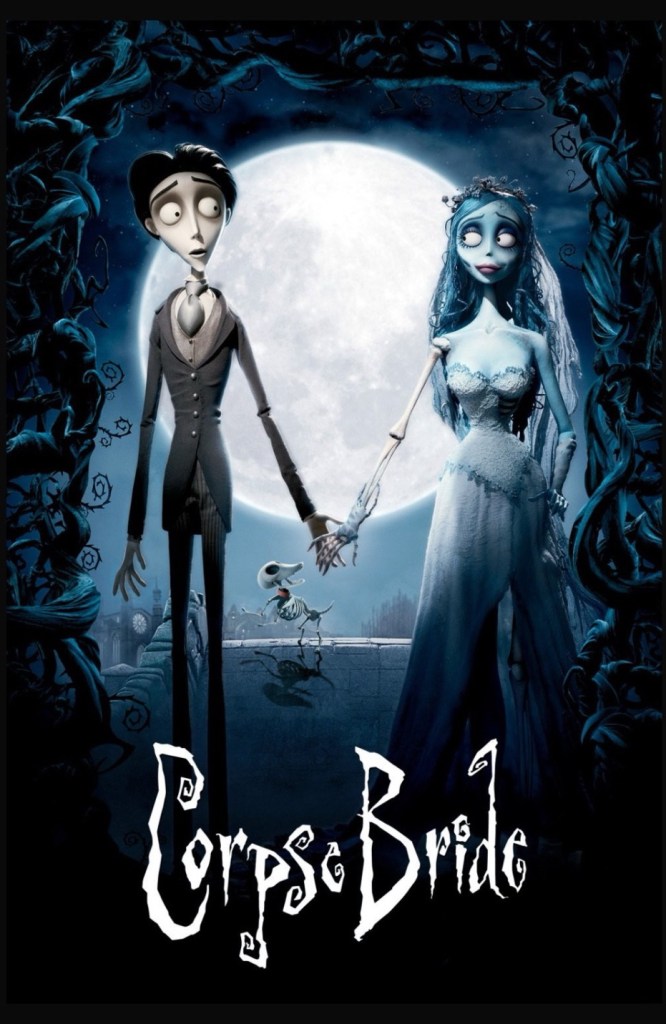
 Chaz’s Cinematic Odyssey
You must be logged in to post a comment.